
Is Baking Soda Harmful to Dogs What You Need to Know

Baking soda can be harmful to dogs if they eat enough of it, especially small dogs or pets with health issues. If your dog ingests baking soda and shows vomiting, weakness, tremors, or bloating, call a veterinarian right away.
If your dog eats baking soda, the answer to “is baking soda harmful to dogs” is yes, it can be. Small accidental licks may only cause mild stomach upset, but larger amounts can trigger sodium toxicity and become an emergency.
- Risk depends on dose: A tiny lick may cause mild upset, but larger amounts can cause sodium toxicity.
- Small dogs are more vulnerable: Toy breeds and seniors can react more strongly to the same amount.
- Watch for red flags: Vomiting, bloating, weakness, tremors, and disorientation need prompt attention.
- Don’t induce vomiting: Get veterinary guidance before trying any home response.
What Baking Soda Does in the Body and Why Dogs React Differently
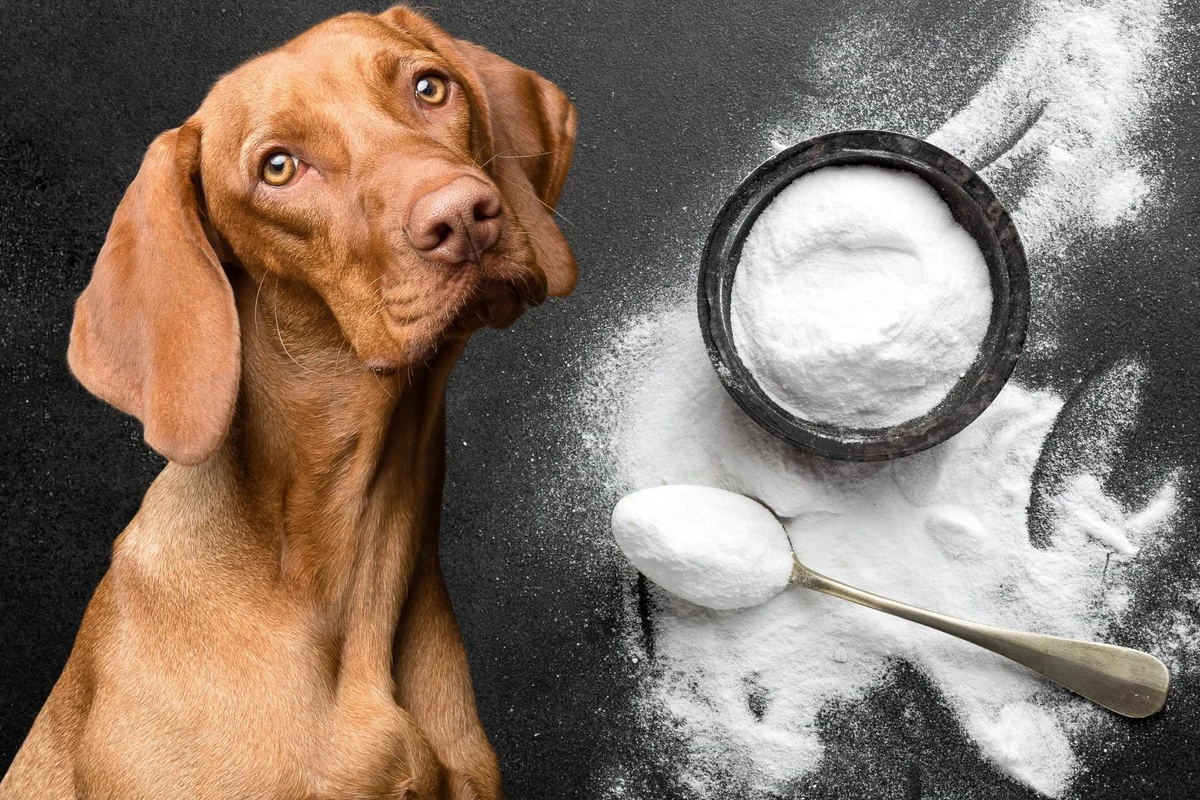
Baking soda, or sodium bicarbonate, is an alkali. In the kitchen it helps baked goods rise by reacting with acids, and you can read more about that in our guide to the baking and vinegar reaction. In a dog’s body, though, that same chemistry can change stomach and blood balance in ways that are not safe in large amounts.
How sodium bicarbonate works as an alkali
As an alkali, baking soda can neutralize acid. That is useful in baking and some cleaning tasks, but inside the body it can raise pH and add a sodium load at the same time. Dogs are not built to handle a sudden dose the way a recipe is designed to handle a measured pinch.
Baking soda is not the same as baking powder. Baking powder contains its own acid component, while baking soda needs an acid to react, which is why the two are not interchangeable in recipes or in home use.
Why dogs are more vulnerable to excess sodium and stomach upset
Dogs can develop vomiting, diarrhea, bloating, and dehydration after eating too much baking soda. The sodium part is the bigger concern, because too much sodium can disturb fluid balance and affect the brain and muscles. Smaller dogs and dogs with kidney, heart, or other health issues may have less room to tolerate that shift.
This article is for general information only. If your dog has eaten a large amount of baking soda or is showing symptoms, contact a veterinarian or a pet poison hotline right away.
Common Ways Dogs Are Exposed to Baking Soda at Home
Most exposures happen by accident, not because a dog is trying to eat a dangerous ingredient. In a busy kitchen, a powder spill can look like food to a curious nose, especially if it is mixed with drips, crumbs, or odors that attract attention.
Kitchen spills, baked goods, and countertop accidents
Dogs may lick baking soda that has fallen near the oven, under a mixing bowl, or from a container left open on the counter. They can also get into baked goods that contain baking soda, especially muffins, cookies, or quick breads left within reach. If you are checking ingredient safety in recipes, our article on using baking soda instead of baking powder safely explains why measured amounts matter so much in baking.
DIY cleaning mixes, litter box deodorizers, and carpet fresheners
Baking soda is common in homemade cleaning products because it helps absorb odors. That same convenience can become a risk if a dog walks through loose powder and licks its paws, or if a pet eats a pile of fresh deodorizer from the carpet or litter area. Families often use it for odor control, but pets should not have direct access to the powder.
Storage mistakes that make accidental ingestion more likely
Clear containers, open boxes, and low pantry shelves make accidents more likely. Dogs are often drawn to anything that smells different, and an opened bag or scoop left out after baking can be easy to reach. The safest habit is to close the container fully and store it with other dry goods, not on the floor or on a low ledge.
Many “harmless” kitchen ingredients become risky when a pet eats them in the wrong amount. The dose, the dog’s size, and the dog’s health status all matter more than the ingredient label alone.
How Much Baking Soda Can Be Dangerous for a Dog
There is no single safe number for every dog. Risk changes with body weight, age, overall health, and whether the baking soda was eaten dry, mixed into food, or consumed along with another ingredient that could add more stress to the stomach.
Factors that change risk: size, age, health status, and amount eaten
A large dog may tolerate a small taste with only mild stomach upset, while a tiny dog can react more strongly to the same amount. Puppies, seniors, and dogs with kidney or heart disease may also be more vulnerable because their systems are less able to handle sodium shifts or dehydration. If you know the amount eaten, that detail helps the veterinarian judge the level of concern.
Why even small amounts can matter for toy breeds or senior dogs
For toy breeds, a spoonful of powder can represent a much larger dose relative to body weight than it would for a larger dog. Senior dogs may also have slower recovery if vomiting or dehydration starts. That is why “just a little” is not always a safe assumption.
Signs the exposure may be mild versus urgent
Mild exposure may cause brief drooling, a single vomit, or a soft stool without major behavior changes. Urgent exposure is more likely if the dog is weak, shaky, confused, bloated, or unable to keep water down. When in doubt, it is better to treat the situation as urgent until a professional says otherwise.
Symptoms to Watch for After a Dog Eats Baking Soda
Symptoms can begin with the stomach and then progress if the dose was high enough. Watch your dog closely for changes in appetite, thirst, energy, balance, and breathing.
Early digestive signs such as drooling, vomiting, and bloating
Drooling, gagging, vomiting, diarrhea, and a swollen or uncomfortable belly are common early warning signs. Some dogs may pace, seem restless, or act like their stomach feels unsettled. If the dog ate baking soda mixed into a wet mixture, the reaction may be delayed slightly, but it still needs attention.
Behavioral and physical red flags: weakness, tremors, and disorientation
More serious signs include weakness, tremors, trouble walking, unusual sleepiness, or acting disoriented. These can suggest that the sodium level is affecting the nervous system. A dog that seems “off,” even if the stomach signs are not dramatic, should not be ignored.
When symptoms suggest sodium toxicity or a medical emergency
Severe vomiting, collapse, seizures, marked bloating, or trouble breathing are emergency signs. These symptoms may point to sodium toxicity or another serious complication, and they need immediate veterinary care. Do not wait to see whether the dog “gets over it” on its own.
If your dog is vomiting or acting weak after eating baking soda, move all food and water bowls out of reach until you speak with a veterinarian. This helps you track the situation and prevents more accidental intake.
What to Do Immediately If Your Dog Eats Baking Soda
Stay calm, but act quickly. The first goal is to find out what was eaten, how much may be missing, and whether your dog has any symptoms right now.
Safe first steps while you assess the amount and your dog’s condition
Remove the baking soda container and any contaminated food or cleaning mix. Check the package, estimate the amount missing, and note your dog’s weight, age, and any health conditions. If your dog seems normal, you still need to monitor closely because symptoms can develop after the initial event.
What not to do, including inducing vomiting without guidance
Do not induce vomiting unless a veterinarian or poison expert tells you to do so. Vomiting is not always safe and can make things worse if the dog is already weak, has trouble swallowing, or may have aspirated powder. Also avoid giving home remedies that have not been approved by a professional.
When to call a veterinarian or pet poison hotline
Call right away if the amount is unknown, the dog is small, the dog has symptoms, or the dog has eaten a large amount. If you are in the United States, your veterinarian may also direct you to a pet poison hotline for immediate guidance. Official sources such as the USDA and FDA are useful for general pet safety information, but they do not replace a vet’s advice in an active exposure.
- Keep the baking soda package or box nearby
- Estimate how much may be missing
- Note your dog’s weight and symptoms
- Call a veterinarian or poison hotline if needed
How Veterinarians Diagnose and Treat Baking Soda Ingestion
A clinic visit usually starts with a history of what happened. The more specific your information is, the faster the veterinary team can decide whether the concern is simple stomach upset or possible sodium toxicity.
What information the clinic will ask for and why it matters
Expect questions about the product name, the estimated amount eaten, the time of exposure, and whether the powder was mixed with anything else. The vet may also ask about vomiting, diarrhea, tremors, drinking, urination, and any existing health problems. These details help the team judge whether the dog needs observation, testing, or immediate treatment.
Typical treatment options: monitoring, fluids, and electrolyte support
Depending on the case, treatment may include observation, anti-nausea support, intravenous fluids, and electrolyte monitoring. If sodium levels are abnormal, the clinic may work to correct them gradually and safely. The exact plan depends on the dog’s size, symptoms, and how much was ingested.
Why treatment timing affects outcome and recovery
Early treatment usually gives the best chance for a smooth recovery. Once dehydration, electrolyte imbalance, or neurologic signs begin, care can become more involved. That is why it is better to call sooner rather than later, even if the exposure seems minor at first.
Your dog ate baking soda and now has vomiting or unusual behavior.
Call a veterinarian promptly, share the amount and timing, and follow professional instructions instead of trying home treatment.
Preventing Baking Soda Accidents in a Dog-Friendly Home
Prevention is much easier than emergency treatment. In a kitchen, the best system is the one that keeps ingredients sealed, labeled, and out of reach even when you are distracted.
Safe storage and labeling practices for pantry and cleaning supplies
Store baking soda in its original container or a clearly labeled, tightly closed bin. Keep it on a high shelf or in a closed cabinet, not in a low drawer where a dog can nose it open. If you use baking soda for both baking and cleaning, separate the containers so the cleaning supply is never mistaken for food.
Pet-safe alternatives for deodorizing, cleaning, and odor control
For odor control, use pet-safe products made for the specific surface whenever possible. For kitchen cleanup, wiping spills promptly and ventilating the room is often enough. If you want to compare household cleaning approaches, our article on cleaning ovens with baking soda and vinegar explains where the method is useful and where caution matters.
Some baking soda cleaning methods are effective for messes, but they still require careful storage and pet separation. A product can be useful and still be unsafe if a dog can reach it.
Common household mistakes that lead to repeat exposure
Leaving open boxes on the counter, using loose powder on floors, and forgetting to vacuum after deodorizing are all common mistakes. Another frequent issue is assuming a dog will not be interested because the product is “just baking soda.” Dogs investigate with their noses and tongues, so access matters more than intention.
- Keep baking soda sealed and out of reach
- Use pet-safe cleaning routines
- Call for help if your dog eats any amount you cannot judge
- Leaving open containers near the floor
- Guessing that symptoms will pass on their own
- Inducing vomiting without veterinary guidance
Final Verdict: When Baking Soda Is a Household Helper and When It Becomes a Risk
Baking soda is a useful pantry staple for baking and some cleaning tasks, but it should never be treated as pet-safe by default. The direct answer to “is baking soda harmful to dogs” is that it can be, especially when a dog eats more than a small accidental taste.
Practical recap for dog owners deciding how to use baking soda safely
Use baking soda normally for recipes and household tasks, but store it carefully and keep pets away from spills. If your dog eats some, the safest next step is to assess the amount, watch for symptoms, and contact a veterinarian when the exposure is more than a tiny lick or when you are unsure. For readers who want a broader ingredient reference, our guide to when baking soda expires and when to replace it can help you manage pantry storage more responsibly.
Situations that require extra caution around pets
Be extra careful with toy breeds, puppies, senior dogs, and pets with kidney or heart conditions. Also be cautious around cleaning projects, open pantry shelves, and any recipe or deodorizing mix that leaves powder behind. If you are unsure, treat the situation as a medical question, not a kitchen one.
When a dog has eaten baking soda and is vomiting, weak, bloated, or disoriented, do not wait for symptoms to “settle.” Fast veterinary advice is the safest choice.
Frequently Asked Questions
There is no universal safe amount because risk depends on the dog’s size, age, and health. A small amount may cause only mild stomach upset in one dog but be much more serious in another.
Remove access to the container and watch for vomiting, drooling, or unusual behavior. If you are unsure how much was eaten or your dog seems unwell, call a veterinarian for advice.
Yes, baking soda contains sodium and can contribute to sodium toxicity if enough is eaten. This is more likely when a dog consumes a larger amount or has a smaller body size.
Do not induce vomiting unless a veterinarian or poison expert tells you to. Vomiting can be unsafe in some situations and may make the problem worse.
Store baking soda in a sealed container on a high shelf or in a closed cabinet. Clean up spills quickly and keep deodorizing mixes and cleaning supplies out of reach.
It is an emergency if your dog has severe vomiting, weakness, tremors, collapse, trouble breathing, or a swollen belly. Those signs can point to a serious reaction that needs immediate veterinary care.