
Baking Soda Skunk Smell Removal Tips That Really Work
Baking soda can help reduce skunk odor on fabrics, carpets, and laundry, but it works best with ventilation and repeat cleaning. If the smell is strong or coming from hidden spaces, you will likely need a stronger cleanup method.
Skunk odor is stubborn because it clings to fabrics, porous surfaces, and even air filters. Baking soda can help with baking soda skunk smell cleanup, but it works best as part of a broader plan that includes ventilation, source removal, and repeat treatment.
- Best use: Baking soda works well on dry, porous materials like carpets, shoes, bedding, and laundry.
- Main limit: It cannot fully fix odor trapped in vents, filters, walls, or other hidden spaces.
- Better results: Use airflow, source removal, and repeat treatments instead of one heavy application.
- Safety first: Keep pets and children away from treated areas until residue is cleaned up.
Why Baking Soda Is Used for Skunk Smell, and What It Can Actually Do
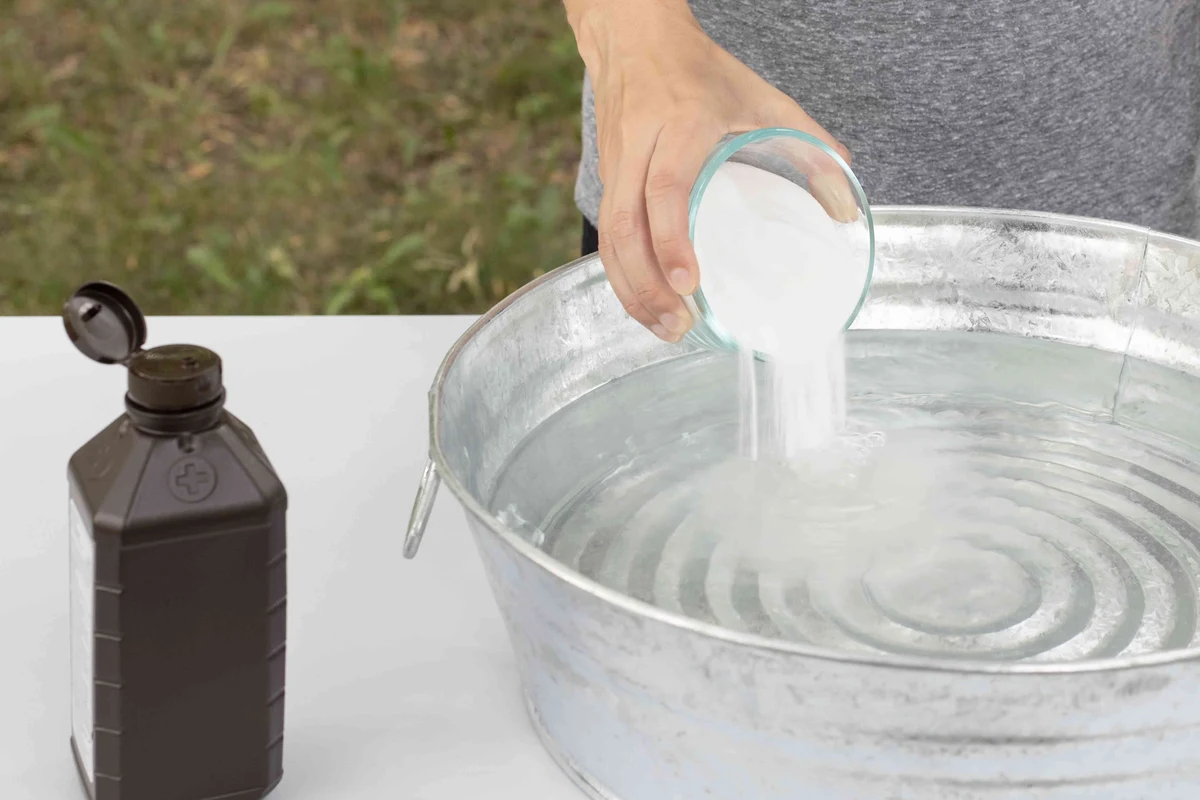
Baking soda is popular for skunk odor because it is mildly alkaline and can help reduce some odor compounds instead of only covering them up. That is why it shows up in many home cleanup routines, including baking soda for smoke odors and laundry odor control.
How baking soda helps neutralize odor molecules instead of just masking them
Skunk spray contains sulfur-based compounds that are very strong at low levels. Baking soda does not “erase” them instantly, but it can help shift the smell in a way that makes the odor less noticeable, especially on fabrics and in enclosed spaces.
Think of it as an odor helper, not a magic fix. It works best when the smell is on the surface or lightly trapped in fibers, where the powder can sit close to the odor source.
When baking soda is effective for skunk smell and when it is not enough on its own
Baking soda is most useful for carpets, pet bedding, shoes, laundry, and other porous materials that can hold odor. It is less effective when skunk smell is still active in a vent, HVAC filter, wall cavity, car cabin filter, or a heavily sprayed item that needs deep cleaning.
If the odor is strong enough to make your eyes water or follow you from room to room, baking soda alone is usually not enough. In that case, use it as one step in a larger cleanup process.
Best Ways to Use Baking Soda for Skunk Odor in Homes, Cars, and Fabrics
For the best results, use baking soda on dry, odor-holding materials first. That includes rugs, upholstery, pet beds, car mats, sneakers, and washable blankets.
Dry application for carpets, upholstery, shoes, and pet bedding
Sprinkle a light, even layer over the affected surface and let it sit long enough to absorb lingering odor. On carpets and upholstery, the powder can help draw out some surface smell before vacuuming.
For shoes or pet bedding, make sure the item is dry before applying. Moisture can cause clumping and reduce how well the powder spreads through the material.
How to use baking soda with airflow, vacuuming, and repeat treatments for stronger results
Airflow matters because odor molecules linger in still air. Open windows when possible, run fans to move air out of the space, and then vacuum the baking soda thoroughly after it has had time to work.
If the smell is still present, repeat the process rather than dumping on a thick layer all at once. A few lighter treatments usually work better than one heavy application because the powder stays in closer contact with the surface.
Baking soda is often used in laundry because it can help reduce odors in wash water and on fabrics, but it still needs proper washing and rinsing to be fully effective.
Safe use around fabrics, finishes, and surfaces that may be damaged by moisture
Dry baking soda is a safer choice for materials that may react badly to water, such as some upholstery, leather-like finishes, or delicate trim. Always test a small hidden area first if you are unsure how the surface will respond.
Avoid scrubbing hard, especially on textured fabric or car interiors. Rubbing can push odor deeper into fibers and can also damage the finish.
Step-by-Step Skunk Smell Removal Methods That Include Baking Soda
The fastest way to reduce skunk smell is to remove the source, clean the surface, and then use baking soda where odor still lingers. If you are also dealing with laundry, a related guide like baking soda in laundry can help you understand how it supports odor removal in wash cycles.
Cleaning hard surfaces after a skunk encounter without spreading the odor
On counters, floors, walls, or outdoor furniture, start by wiping away any residue with a clean cloth and mild soap if the surface allows it. Use separate cloths for cleaning and rinsing so you do not spread the smell to other areas.
After the surface is clean and dry, you can place a small amount of baking soda nearby in a shallow dish or use it on the surface only if the material is safe for powder contact. This helps absorb leftover odor in the air around the area.
Do not use baking soda on wet residue and expect it to solve the problem. Wet contamination can trap odor, and if you spread it around while wiping, you may enlarge the affected area.
Using baking soda for laundry, blankets, towels, and washable pet items
Washable items should be cleaned according to their care labels first. Baking soda can be added to the wash to help with odor, but heavily skunked items may need a second wash or a longer soak before laundering.
For blankets, towels, and pet bedding, avoid overloading the washer. Water and detergent need room to move through the fabric, or the odor can stay trapped in the folds.
Combining baking soda with vinegar, hydrogen peroxide, or enzymatic cleaners: when it helps and when it backfires
Many people want to mix baking soda with vinegar because the reaction is dramatic, but that fizz mainly creates carbon dioxide and water. It can help loosen some grime, but it does not make a stronger cleaner just because it bubbles.
For skunk odor, hydrogen peroxide or enzymatic cleaners may be more useful on certain materials, while baking soda is better for dry deodorizing and laundry support. If you want a simple breakdown of the reaction itself, see baking soda and vinegar reaction explained simply.
Never mix cleaning products unless the label or manufacturer directions clearly allow it. Some combinations can reduce cleaning power, damage surfaces, or create unsafe fumes.
Measurement, Contact Time, and Technique: What Makes the Difference
With odor control, technique matters as much as the product itself. Too little baking soda will barely touch the smell, while too much can be hard to vacuum or rinse away.
How much baking soda to use for different spaces and materials
For small areas like shoes or pet bedding, use enough to make a light coating over the affected surface. For carpets or upholstery, aim for an even dusting rather than a thick pile.
For rooms or cars, baking soda works better in targeted spots than as a full-room cure. If the smell is in the air, use it near the source and pair it with ventilation.
How long to leave it in place before vacuuming, washing, or wiping away
Let baking soda sit long enough to interact with the odor, not just rest on top of the material. The exact time depends on the surface, the amount of odor, and how much airflow the area has.
For many home uses, longer contact is better than rushing. If the powder is still visible and dry, it is usually doing more good than if it is removed too quickly.
Why repeated treatment often works better than a single heavy application
Skunk odor can sit in layers: on the surface, inside fibers, and in the surrounding air. A repeat approach gives you a chance to remove what was missed the first time.
This is similar to how stubborn baking issues often need more than one adjustment; a single change rarely fixes everything at once. The same idea applies to odor cleanup: remove, dry, deodorize, and repeat if needed.
Common Mistakes People Make When Dealing with Baking Soda Skunk Smell
Most failed cleanup attempts come from moving too fast or using the wrong method for the material. Skunk odor is persistent, so shortcuts usually leave some smell behind.
Using too little product or removing it too early
A dusting that is too light may not stay in contact with the odor long enough. On the other hand, vacuuming immediately after application gives the powder almost no time to work.
If the odor remains after the first treatment, do not assume baking soda failed. It may simply need more contact time or a second round after the area is fully dry.
Mixing cleaning ingredients in unsafe or ineffective ways
Some combinations are more useful than others. Baking soda and vinegar can be fine for certain cleaning jobs, but for odor removal, the fizz itself is not the main benefit.
Hydrogen peroxide and enzymatic cleaners may help on specific materials, but always check the label first and test in a hidden area. If you are unsure about safe cleaning combinations, use one product at a time and rinse or wipe between steps.
Ignoring ventilation, source removal, and odor trapped in filters or vents
If the smell is in a car, HVAC system, or basement, baking soda cannot reach every trapped pocket of odor. Filters, vents, and duct openings may keep releasing the smell even after surfaces look clean.
Source removal matters most. If the contaminated item stays in place, the odor can keep returning no matter how much powder you use.
Safety Tips for Pets, Children, and Indoor Air When Using Baking Soda
Baking soda is common in homes, but it still needs careful handling around pets and children. A cleanup that is effective but messy can create a new problem.
Keeping pets away from treated areas and avoiding ingestion risks
Pets may lick or inhale loose powder, especially if it is on bedding, floors, or low furniture. Keep them out of treated areas until you have vacuumed or wiped away the residue.
If a pet was sprayed directly, follow recognized veterinary or animal-care guidance for washing and decontamination, especially for eyes, nose, and mouth exposure. Do not rely on baking soda alone if the animal needs a full rinse or medical attention.
Ventilation, gloves, and cleanup practices for safer odor control
Open windows when weather allows and use fans to move air out of the space. Wear gloves if you are handling strong residue, dirty laundry, or contaminated pet items.
After treatment, vacuum slowly and empty the vacuum if the odor remains trapped inside. If your vacuum has a filter, check whether the manufacturer recommends cleaning or replacing it after odor-heavy jobs.
- Open windows or turn on ventilation
- Remove the odor source if possible
- Test delicate surfaces in a hidden spot
- Keep pets and children away from treated areas
When a skunk odor problem may require professional cleaning or pest control support
If the odor is coming from a crawlspace, wall void, attic, or repeated animal activity near the home, the cleanup problem may be bigger than a surface treatment. In that case, pest control or professional cleaning can help locate the source.
When odor has spread through insulation, ductwork, or multiple rooms, a stronger solution is often faster and more reliable than repeated DIY deodorizing. That is especially true if the smell keeps returning after cleaning.
Practical Real-World Scenarios: What to Do First in Common Skunk Odor Situations
Different skunk odor problems need different first moves. Start with the area most likely holding the strongest source, then work outward.
Pet got sprayed outside and brought the smell indoors
Keep the pet outside or in a contained area if possible, and remove any collars, blankets, or towels that may have picked up the odor. Wash washable items first, then use baking soda on dry fabrics after the initial cleaning.
If the smell is on the pet itself, use a pet-safe decontamination method rather than trying to deodorize the fur with dry powder. Baking soda is more useful for bedding and surrounding fabrics than for direct pet treatment.
Skunk odor in a car, garage, basement, or laundry room
In a car, focus on mats, upholstery, trunk items, and cabin air filters if the model allows easy replacement. In a garage or basement, target porous items first, then ventilate the space and use baking soda in dry, odor-holding areas.
In a laundry room, rewash affected items and clean the washer area if odor has transferred there. If you need a broader laundry strategy, baking soda to laundry detergent benefits and uses explains how baking soda can support routine wash cycles.
What to treat first when the smell has spread through multiple rooms
Start with the source, then move to the most absorbent surfaces. That usually means pet bedding, rugs, soft furniture, curtains, and any clothing that was close to the odor.
After that, work on air movement and hidden spots like vents, closet corners, and under furniture. Baking soda can help along the way, but it should not be the only cleanup step when the smell has spread widely.
Final Recap: When Baking Soda Is Worth Using and When to Move to a Stronger Solution
Baking soda is worth using when skunk smell is trapped in dry fabrics, carpets, shoes, pet bedding, or laundry. It is also a good support step when you need a simple, low-cost deodorizer after cleaning the main source.
Best use cases for baking soda as part of a skunk smell removal plan
Use it on porous materials, in dry spaces, and as a repeat treatment after washing or wiping. It is especially helpful when you can combine it with airflow and source removal.
For readers who want a broader look at how baking soda behaves in household cleaning, this baking soda cleaning trick is a useful companion read.
Signs the odor source is still active and needs a different approach
If the smell returns after cleaning, gets stronger in warm air, or seems to come from vents or hidden spaces, the source may still be active. That usually means you need deeper cleaning, filter replacement, or pest control help.
How to choose the fastest, safest next step based on the material, location, and severity of the smell
Choose dry baking soda for fabrics and porous items, liquid cleaners for washable surfaces, and professional help when the odor is embedded in the structure of the home or vehicle. The best approach is the one that matches the material, the location, and how severe the smell is.
Baking soda can absolutely help with skunk odor, but it works best as one part of a cleanup plan, not the entire plan. If the smell is strong, widespread, or coming from hidden spaces, move quickly to ventilation, source removal, and a stronger cleaning method.
Frequently Asked Questions
It should stay in place long enough to interact with the odor, which is usually longer than a quick dusting. If the powder is still dry and visible, it is often still doing its job.
Yes, baking soda can help on mats, upholstery, and other dry surfaces in a car. It will not fully solve odor in vents or cabin filters, so those areas may need separate attention.
It is not usually dangerous on its own, but it is often less useful than people expect. The fizz does not automatically mean better odor removal, so use only if the surface and product directions allow it.
It can help reduce odor in washable items when used with proper washing and rinsing. Very strong odor may need more than one wash or a different cleaner for the first treatment.
Dry baking soda is usually gentle, but it can leave residue or scratch delicate finishes if rubbed aggressively. Test hidden areas first on sensitive materials.
If the smell keeps returning, seems to come from walls or vents, or has spread through multiple rooms, professional help may be the fastest option. Pest control may also be needed if the odor source is still active.
