
Baking Powder to Baking Soda Conversion Guide for Bakers
Baking powder to baking soda conversion works only when the recipe has enough acid to activate the soda. Use a small soda amount, bake promptly, and expect some texture changes if the formula was built for baking powder.
Knowing how to handle a baking powder to baking soda conversion can save a recipe when your pantry is missing one leavener. The swap is possible in some bakes, but only if you understand the acid, the rise, and the texture you want.
- Ratio: A common starting point is 1 teaspoon baking powder to 1/4 teaspoon baking soda.
- Acid balance: Buttermilk, yogurt, citrus, molasses, and natural cocoa can help support the swap.
- Texture risk: Too much baking soda can taste soapy and brown too fast.
- Best use: Cookies, muffins, and quick breads are usually easier to convert than delicate cakes.
What Baking Powder and Baking Soda Actually Do in Baking
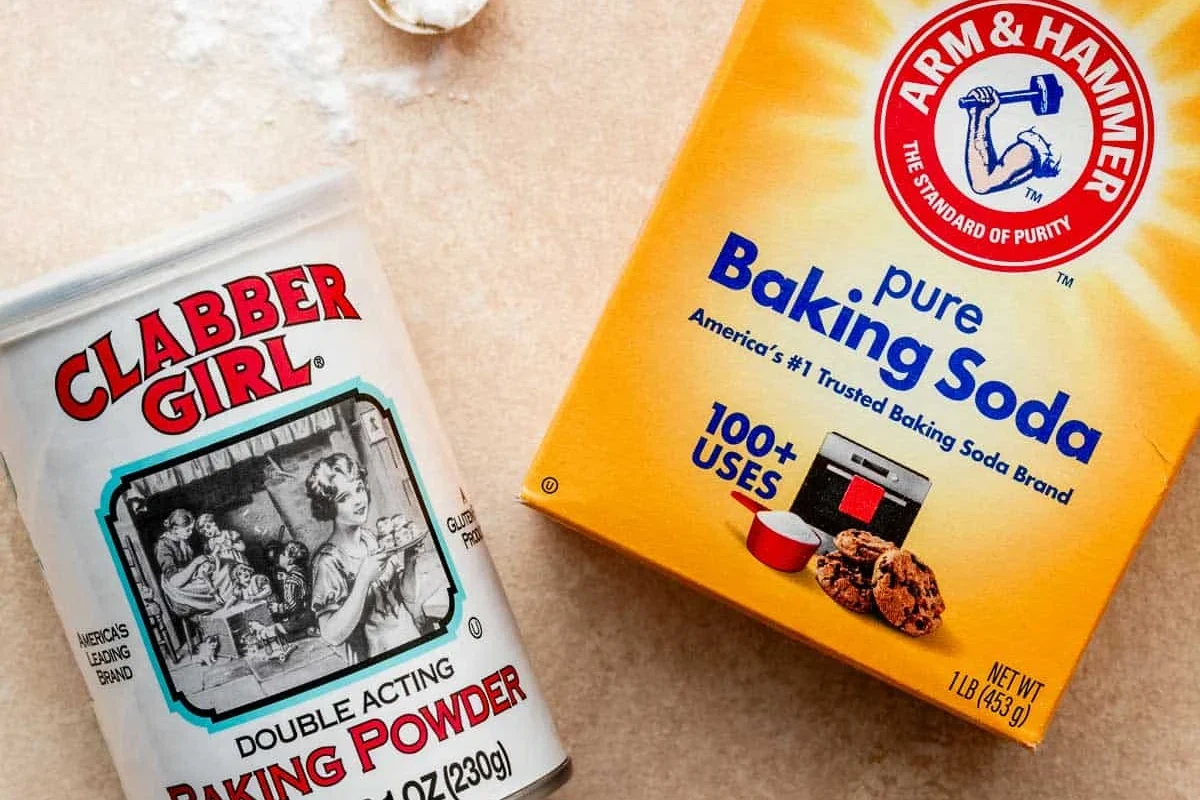
Baking soda is pure sodium bicarbonate, and it needs an acid to create carbon dioxide gas. That gas helps batter or dough rise, so without enough acid, baking soda can leave a metallic or soapy taste and a darker color than intended.
Why baking soda needs an acid to work
When baking soda meets an acidic ingredient, it starts producing bubbles right away. That reaction is useful in quick breads, cookies, and cakes, but it also means the batter can lose lift if it sits too long before baking.
How baking powder already contains acid and base
Baking powder is a complete leavening system. It contains baking soda plus one or more acid salts, so it can create lift even when the recipe does not include much natural acidity.
Why the two leaveners are not directly interchangeable
They are related, but they do not behave the same in a batter. If you swap them without adjusting the formula, you may get poor rise, off flavor, or a crumb that is too dense or too coarse.
Most double-acting baking powders release some gas when mixed and more gas in the oven, which is why they are more forgiving than baking soda alone.
How to Convert Baking Powder to Baking Soda the Right Way
The safest approach is not a one-for-one swap. In general, baking soda is much stronger, so you usually need far less of it, plus enough acid to balance the recipe.
The practical conversion ratio bakers use in 2026
A common kitchen rule is that 1 teaspoon of baking powder is roughly replaced by 1/4 teaspoon of baking soda, but only when the recipe also has enough acid to support it. That ratio is a starting point, not a guarantee, because brands and recipes vary.
If a recipe already includes acidic ingredients such as buttermilk, yogurt, sour cream, molasses, citrus juice, or natural cocoa, the swap is more likely to work. If the recipe is mostly neutral, baking powder is usually the better choice.
How to estimate the acid you must add to support the swap
If you replace baking powder with baking soda, you may need to add an acid such as lemon juice, vinegar, buttermilk, yogurt, or cream of tartar. The exact amount depends on the recipe, so treat any conversion as an estimate and watch the batter rather than relying on a rigid formula.
For quick baking, a tiny amount of extra acid can help balance flavor and improve lift, but too much can make the crumb tight or sour. If you are unsure, it is often better to choose a recipe that was designed around baking soda from the start, such as many versions discussed in our baking soda instead of baking powder safely guide.
When a recipe can be adjusted safely and when it cannot
Simple drop cookies, muffins, and some quick breads are usually more forgiving because the batter is mixed briefly and baked soon after. Delicate cakes, layered desserts, and formulas built around a very specific crumb are harder to convert safely.
Do not assume every recipe can absorb a leavener swap. If the recipe is highly balanced for flavor, color, and texture, changing the leavener can alter more than rise.
Ingredient Roles That Change the Conversion
Ingredient chemistry matters more than the label on the can. A recipe with acidic dairy or cocoa may already provide what baking soda needs, while a neutral batter may depend on baking powder for lift.
Acidic ingredients that can activate baking soda on their own
Buttermilk, yogurt, sour cream, natural cocoa, brown sugar in larger amounts, molasses, honey, citrus juice, and vinegar all add acidity to a recipe. These ingredients can help baking soda work, but the exact effect depends on quantity and the recipe’s overall balance.
For a better sense of how acid and baking soda interact, it can help to read a simple reaction breakdown like our baking soda and vinegar reaction explained simply article. The same basic gas-producing principle is at work in baking, even though the food formula is more complex.
Neutral batters that usually need baking powder instead
Plain vanilla cakes, many sugar cookies, and some biscuit-style doughs are relatively neutral. In those recipes, baking powder is often the better leavener because it brings its own acid and gives more predictable rise.
How sweetness, cocoa, yogurt, buttermilk, and citrus affect the formula
Sweeteners and dairy can change both browning and texture. Natural cocoa and buttermilk often support baking soda well, while Dutch-process cocoa is less acidic and may need a different approach, depending on the recipe.
Yogurt, sour cream, and citrus can brighten flavor, but they also add moisture and tang. If the batter becomes too wet or too acidic, the finished bake can spread more, rise unevenly, or taste sharp instead of balanced.
Measurement Examples for Common Baking Scenarios
These examples are practical starting points, not universal formulas. Ingredient brand, flour type, measuring method, pan size, and oven calibration all affect the final result.
Simple pantry example: replacing baking powder in cookies
If a cookie recipe uses 1 teaspoon baking powder and includes an acidic ingredient like brown sugar, molasses, or natural cocoa, you might try 1/4 teaspoon baking soda instead. Keep the rest of the recipe unchanged at first so you can see how the texture shifts.
The cookies spread too much or taste slightly bitter after the swap.
Reduce the baking soda next time, or add a little more acid only if the recipe can support it. If the dough is already sweet and soft, chilling it before baking can also help control spread.
Cake and muffin examples where texture changes matter
Cakes and muffins depend on fine, even air pockets. If you replace baking powder with baking soda in a batter that is not acidic enough, the rise may happen too fast, then collapse, leaving tunnels, a coarse crumb, or a sunken center.
For example, a muffin batter made with buttermilk may tolerate a small baking soda adjustment better than a vanilla cake made with milk. If you want more context on the difference between the two leaveners, see our is baking soda and baking powder the same guide.
Scaling conversions for small batches and large batches
In small batches, tiny measurement errors matter more, so use level spoons and avoid rounding up. In larger batches, the chemistry may be the same, but uneven mixing can leave pockets of leavener that create streaks, bitter spots, or uneven browning.
- Check whether the recipe already contains acidic ingredients
- Measure leavener with level spoons, not heaping ones
- Mix only until combined unless the recipe says otherwise
- Bake promptly if the recipe uses baking soda
Common Mistakes That Ruin the Swap
Most failed conversions come from using the wrong amount, forgetting the acid balance, or waiting too long to bake. The batter can look fine at first and still bake poorly if the chemistry is off.
Using too much baking soda and creating a soapy taste
Baking soda is powerful, so excess amounts can leave a harsh flavor and a dark, sometimes yellowish crumb. If a finished bake tastes alkaline or has a strange aftertaste, the formula likely had too much soda for the available acid.
Forgetting to add enough acid for proper lift
Without enough acid, baking soda cannot produce the rise the recipe needs. The result is often a flat, dense bake that looks underdone in the middle even when the oven time was correct.
Confusing single-acting and double-acting baking powder behavior
Single-acting baking powder reacts quickly when liquid is added, while double-acting powder gives a second boost in the oven. If you are converting a recipe that was written for one type and your pantry has another, the timing and texture may change.
- Bake soon after mixing when using baking soda
- Use acid-aware ingredients to support the swap
- Watch color, rise, and crumb, not just the clock
- Replacing baking powder with an equal amount of baking soda
- Assuming every recipe has enough acid already
- Leaving mixed batter on the counter too long
Overmixing or delaying bake time after the batter is mixed
Once the leavener is hydrated, the reaction begins. Overmixing can toughen gluten and knock out air, while delaying the bake lets the gas escape before the oven can set the structure.
Use oven mitts and keep the pan centered on the rack when testing conversions, since uneven rise can cause batter to spill or brown too quickly at the edges.
How to Test Whether Your Conversion Worked
The best test is the finished crumb, not the batter bowl. A successful swap should give a good rise, pleasant flavor, and a texture that matches the style of bake you wanted.
Visual cues for proper rise, color, and crumb
Look for a domed top on muffins, even spread on cookies, and a crumb that is tender rather than gummy. The surface should brown normally, not turn overly dark or remain pale and wet-looking in the center.
What underleavened and overleavened baked goods look like
Underleavened bakes are usually compact, heavy, and sometimes slightly wet in the middle. Overleavened bakes can rise fast, then collapse, leaving large holes, a fragile top, or a bitter edge.
Dense, short, and heavy with little oven spring
Too much rise, then collapse or coarse tunnels
Adjusting oven time and temperature when texture shifts
If a converted recipe spreads more, it may need a slightly hotter oven or a shorter rest before baking, depending on the formula. If the center sets too slowly, the pan may need a better rack position or a more accurate oven temperature, so an oven thermometer is worth using.
Storage, Freshness, and Safety Considerations for Leaveners
Freshness matters because old leaveners lose strength and make conversions harder to judge. A recipe can fail simply because the ingredient is weak, not because the ratio was wrong.
How to check whether baking powder or baking soda is still active
Baking soda should fizz when mixed with a small amount of vinegar or another acid. Baking powder should bubble when mixed with warm water, although the exact strength depends on age and storage conditions.
If you are unsure whether your baking soda is still usable, our does baking soda expire how to tell and when to replace guide can help you judge freshness before you blame the recipe.
Best storage practices for humidity, heat, and contamination
Keep both leaveners tightly sealed in a cool, dry cabinet. Humidity can weaken them, and storing them near strong odors can affect flavor if the container is not sealed well.
Food safety and label-checking for modern baking ingredients
Always check the package for ingredient specifics, especially if you bake for allergies or dietary restrictions. Some baking powders contain starches or additives that matter for cross-contact concerns, so label reading is essential and should follow manufacturer information and recognized food-safety guidance such as USDA or FDA recommendations.
When to Convert and When to Follow the Original Recipe
A conversion makes sense when you have a simple recipe, understand the acid already present, and are comfortable with small texture changes. It is less useful when the recipe is carefully engineered or the bake depends on a very specific crumb.
Best use cases for making the substitution
Cookies, muffins, and quick breads are usually the best candidates because they are forgiving and easy to evaluate. These recipes also let you compare browning, spread, and rise without risking an elaborate dessert.
Situations where the recipe should not be altered
Do not force the swap in angel food-style cakes, highly structured layer cakes, or recipes that depend on a precise chemical balance. If you are baking for an important event, the original formula is usually the safer choice.
- Useful when only one leavener is available
- Can work well in acidic recipes
- Helps you understand recipe chemistry
- Not a direct one-for-one swap
- Can change flavor, color, and texture
- Some recipes will not convert cleanly
Final recap for choosing the right leavener in everyday baking
The short version is this: baking soda needs acid, baking powder already includes it, and the right conversion depends on the recipe, not just the spoon measure. If you want the most reliable result, convert only when the ingredient list supports it, and otherwise follow the original formula.
When in doubt, start with a small test batch. It is the fastest way to see whether your baking powder to baking soda conversion gives the rise, flavor, and crumb you want.
Frequently Asked Questions
No. Baking soda is much stronger, so a one-for-one swap usually creates off flavor and poor texture. A common starting point is about 1/4 teaspoon baking soda for each 1 teaspoon baking powder, but the recipe must also contain enough acid.
Common options include buttermilk, yogurt, sour cream, lemon juice, vinegar, or cream of tartar. The right choice depends on the recipe flavor and moisture balance, so add acid carefully rather than guessing.
That usually means there was too much baking soda or not enough acid to neutralize it. The next batch should use less soda or a recipe that already includes acidic ingredients.
Sometimes, but cakes are less forgiving than cookies or muffins. If the cake depends on a very specific crumb or rise, it is usually better to keep the original leavener.
Baking soda should fizz with vinegar, and baking powder should bubble when mixed with warm water. If the reaction is weak, the ingredient may be old and should be replaced.
Yes, especially if the recipe uses baking soda. The reaction starts once liquid is added, so delaying the bake can reduce rise and change texture.
