
Adding Baking Soda to Laundry for Cleaner Fresher Clothes

Baking soda can help laundry smell fresher and support mild odor control when used in moderation. It works best as a booster, not as a replacement for detergent or stain remover.
Adding baking soda to laundry is still a simple, low-cost way to help clothes smell fresher and feel cleaner. It is not a miracle stain remover, but it can support your detergent in the right loads and with the right method.
- Best use: Freshening odor-heavy laundry like towels, gym clothes, and bedding.
- Main limit: It helps smells more than deep stains or heavy grease.
- Safe start: Use a small amount first and check your washer manual.
- Fabric caution: Reduce or avoid use on wool, silk, and some delicates.
- Better results: Pair it with good detergent, proper load size, and a full rinse.
What Baking Soda Does in Laundry and Why It Still Matters in 2026
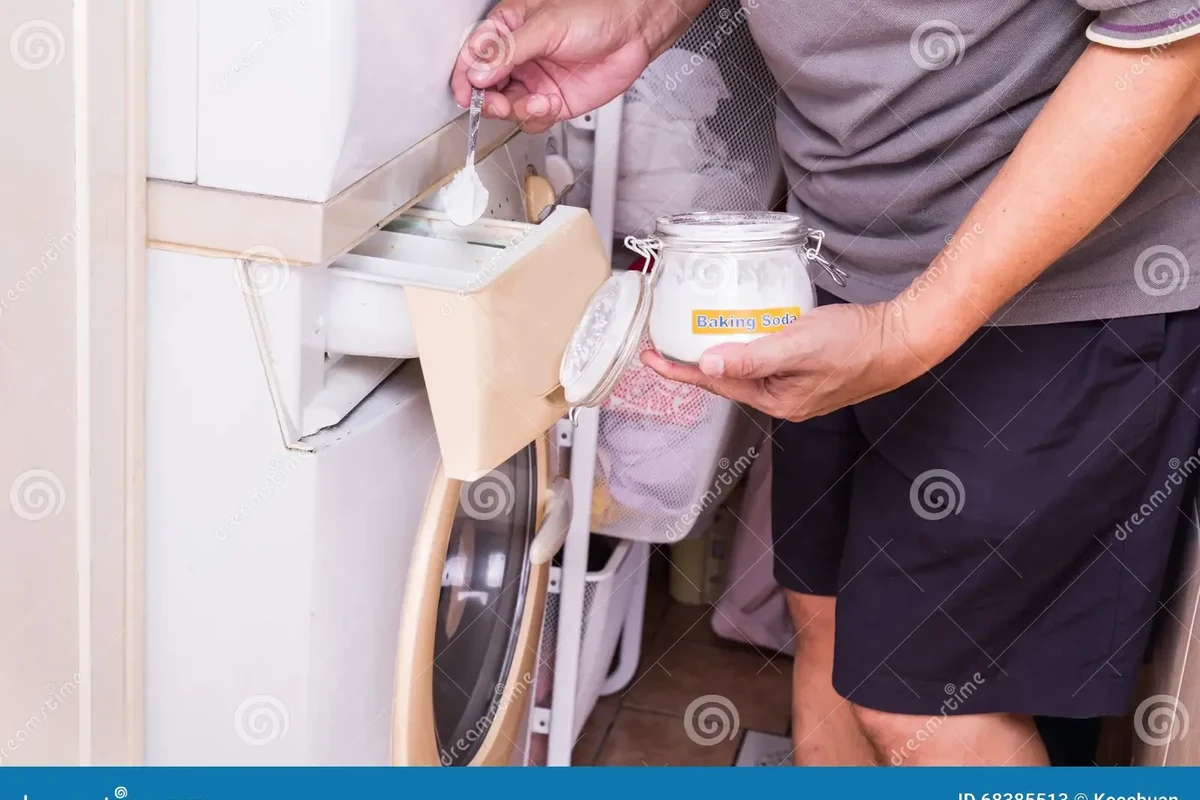
Baking soda, or sodium bicarbonate, has a mild alkaline effect. In laundry, that helps neutralize some odors, loosen light residue, and make water a little less harsh on fabrics during the wash cycle.
It is especially useful when clothes come out smelling “not quite clean” even after detergent. That often happens with sweat, body oils, towels, gym gear, and items that sat too long in a hamper or washer.
How sodium bicarbonate helps with odor, softening, and stain support
Baking soda works best as an odor helper, not a heavy-duty cleaner. It can reduce sour or musty smells by changing the wash environment so odor compounds are less noticeable after washing.
It may also help laundry feel a bit softer because it can reduce some mineral-related stiffness in wash water. That said, it does not replace fabric softener in every case, and it will not fully remove greasy or set-in stains by itself.
Baking soda is often used in laundry because it is gentle on many washable fabrics when used in moderate amounts, but its main strength is odor control rather than deep cleaning.
Where it fits in modern laundry routines with HE machines and enzyme detergents
In 2026, most laundry routines rely on high-efficiency washers and enzyme-based detergents. Baking soda can still fit into that system as a booster, especially for odor-heavy loads, but it should not be treated as a replacement for a good detergent.
If you use an HE machine, check your washer manual before adding any extra product. Different models handle powders, boosters, and dispensers differently, and too much additive can leave residue or interfere with rinsing.
If you want a broader overview of how baking soda is used in wash routines, this guide on baking soda laundry benefits is a helpful companion read.
Best Ways to Add Baking Soda to Laundry Without Overdoing It
The safest rule is to start small. A little baking soda can help, but too much can leave powder behind, especially in cold water, short cycles, or overloaded drums.
Recommended amounts for regular loads, odor-heavy loads, and towels
For a normal load, many people use about 1/2 cup of baking soda. For stronger odors, you can try closer to 1 cup, but it is smart to begin with less and increase only if needed.
Towels, bedding, and workout clothes often benefit from a moderate booster amount because they trap sweat, body oils, and moisture. If the fabric is thick or heavily soiled, a longer wash or soak usually helps more than simply adding more powder.
Exact amounts can vary by washer size, load size, water hardness, and detergent type. When in doubt, start with the lower amount and check the result before changing your routine.
When to add it: drum, dispenser, soak bucket, or pre-treat mix
You can add baking soda directly to the drum with the clothes, or into the detergent compartment if your machine manual allows powders there. Direct-to-drum is often the simplest choice because the powder has a better chance of dissolving evenly.
For musty items or heavily scented gym clothes, a soak bucket can help. Mix baking soda into warm water, let the clothes sit for a while, then wash them normally afterward.
Practical examples for whites, activewear, bedding, and kids’ clothes
For whites, baking soda can help with freshness and may reduce the dull, stale feeling that sometimes builds up over time. It works best when paired with a detergent that is designed to clean stains, not just freshen fabric.
For activewear, use a smaller amount and avoid overloading the washer. Performance fabrics can hold odor in synthetic fibers, so a full rinse matters as much as the booster itself.
Bedding and kids’ clothes can also benefit from a moderate amount, especially if they pick up food smells, sweat, or storage odors. If you are dealing with smoke odors in particular, this related article on baking soda for smoke odors explains a few helpful approaches.
What Baking Soda Can and Cannot Do for Cleaner Clothes
This is where expectations matter. Baking soda can improve freshness and support cleaning, but it cannot do everything a stain remover or enzyme detergent can do.
Odor control versus true stain removal
Odor control and stain removal are not the same job. Baking soda is better at helping with smell than breaking apart protein, oil, or dye stains that are already set into the fabric.
If a shirt smells clean but still looks yellowed under the arms, that is a stain problem, not just an odor problem. In that case, you usually need a targeted stain treatment rather than more baking soda.
Performance on sweat, grease, mildew smell, and hard-water laundry
Baking soda can help with sweat odors and some mildew smells because those odors often linger in fibers and rinse water. It may also make hard-water laundry feel a bit less rough, but it does not truly soften very hard water the way water treatment or a stronger detergent system can.
For grease, the effect is limited. Grease needs surfactants and often enzymes or oxygen-based stain support, especially on cotton shirts, napkins, and kitchen towels.
- Helps reduce odors in everyday laundry
- Can support a fresher rinse feel
- Budget-friendly and easy to use
- Not strong enough for many deep stains
- May leave residue if overused
- Less effective on heavy grease and set-in discoloration
Limitations with deep stains, set-in discoloration, and delicate fabrics
Deep stains, old yellowing, and set-in discoloration usually need a stronger approach. That may mean oxygen bleach, enzyme detergent, a soak, or repeated treatment depending on the fabric and stain type.
Delicate fabrics also need caution. Wool, silk, and some performance blends can react badly to extra agitation or leftover powder, so always check care labels before using any booster.
How to Use Baking Soda Safely with Different Fabrics and Detergents
The safest laundry routine is the one that matches the fabric, the detergent, and the machine. Baking soda is generally simple to use, but it still needs the right setup to avoid residue or reduced cleaning power.
Compatibility with liquid detergent, powder detergent, bleach, and vinegar
Baking soda is usually compatible with both liquid and powder detergent when used in moderate amounts. It can be used with chlorine bleach only if the bleach label and garment care label allow it, because bleach safety always comes first.
Vinegar is often mentioned online as a partner for baking soda, but the two neutralize each other when mixed directly. If you want to use both, keep them in separate steps rather than combining them into one mixture.
If you want a deeper explanation of that reaction, see baking soda and vinegar reaction for a simple breakdown.
Do not mix laundry chemicals casually. Follow detergent, bleach, and washer manufacturer instructions, and never combine products unless the label says it is safe.
Delicates, wool, silk, and performance fabrics: when to avoid or reduce use
For delicates, use less or skip baking soda unless the care label and fabric type make sense for it. Wool and silk can be more sensitive to water chemistry and agitation, so a gentle detergent is usually the better first choice.
Performance fabrics can also be tricky because they are designed to wick moisture and resist odors, but they can hold onto body oils. A small amount of baking soda may help, yet too much can leave a chalky feel if it does not rinse out fully.
Common mistakes that reduce cleaning results or leave residue
One common mistake is adding too much powder to a small or cold-water load. Another is stuffing the washer too full, which prevents good water movement and leaves detergent or booster behind.
Using baking soda as a stand-alone cleaner is also a mistake. It works best as a support ingredient, not the main cleaning system.
- Use moderate amounts
- Let the washer rinse well
- Match the method to the fabric
- Dumping in extra powder “for more power”
- Mixing products without checking labels
- Using it on every delicate load
Using Baking Soda for Laundry Problems People Actually Search For
Most people search for baking soda laundry help because they have a specific problem: smell, dullness, or a load that still feels dirty after washing. That is exactly where baking soda can be useful if you match it to the problem.
Removing musty odors from gym clothes, towels, and storage bins
Musty odors usually come from moisture trapped in fabric or storage containers. Baking soda can help reduce that smell, especially when the item is washed soon after use instead of sitting damp for days.
Gym clothes and towels are common problem items because they absorb sweat and dry slowly in thick layers. If the odor keeps returning, try washing sooner, using a little less detergent, and making sure the machine is not overloaded.
Freshening laundry after smoke, pet odor, or long-term closet storage
Smoke and pet odors can cling to fibers in a way that simple detergent does not always fix. Baking soda can help freshen those items, but very strong odors may need a longer soak or repeated washes.
For clothes that sat in a closet or storage bin for months, the first wash may only partly solve the issue. In those cases, a combination of airing out, washing, and odor treatment usually works better than one booster alone.
Helping with dingy whites and hard-water buildup in everyday wash cycles
Dingy whites often need help from better washing habits, not just one ingredient. Baking soda can support the process by making the wash feel fresher, but oxygen bleach or a detergent made for whitening is often more effective for brightening.
Hard-water buildup is another common issue. If your water has a lot of minerals, you may need a detergent booster designed for hard water rather than relying on baking soda alone.
Clothes still smell stale after washing.
Use a moderate amount of baking soda, reduce load size, and make sure the washer can rinse thoroughly. If the smell remains, the issue may be buildup in the machine, not just the clothes.
Safety, Machine Care, and Storage Tips for Baking Soda Laundry Use
Good laundry results depend on both the fabric and the machine. Baking soda is simple, but the wrong setup can still cause residue, poor rinsing, or unnecessary wear on your washer.
HE washer considerations, dispenser issues, and residue prevention
HE washers use less water, so powders need to dissolve well. If your machine manual does not recommend powder in a certain dispenser, add baking soda to the drum instead or skip it for that load.
Residue is more likely in cold water, short cycles, and very full loads. If you notice white specks on clothes, the first fix is usually less powder and a better rinse, not more product.
Keep laundry additives away from children and pets. Never inhale powder on purpose, and avoid using any product near open food or food-prep surfaces.
What to do if clothes feel gritty, look dull, or come out stiff
If clothes feel gritty, the baking soda may not have fully dissolved. Try using less, switching to warmer water when the fabric allows it, or placing the powder where water flows directly over it.
If clothes look dull or stiff after washing, the issue may be overuse, hard water, or detergent buildup. A second rinse, a smaller detergent dose, or a machine-cleaning cycle may help more than adding another booster.
How to store baking soda so it stays dry and effective
Store baking soda in a sealed container in a cool, dry place. Moisture can make it clump, and clumps are more likely to dissolve poorly in the wash.
If the box or container has absorbed odors or humidity, replace it. For laundry use, fresh and dry powder performs more predictably than an old, damp container.
When Baking Soda Is Worth Using and When Another Laundry Method Works Better
Baking soda is worth using when you want a budget-friendly freshness boost and you are dealing with odor more than heavy staining. It is also a useful option when you want a simple additive that can fit into many regular wash routines.
Best use cases for budget-friendly freshening and odor control
Use baking soda when the main problem is stale smell, light body odor, or general freshness. It is especially practical for towels, bedding, gym clothes, and everyday laundry that needs a little extra help.
If you are already using a good detergent and just want cleaner-smelling results, adding baking soda can be a reasonable low-cost step. It is not flashy, but it is often enough for routine laundry maintenance.
Situations that call for oxygen bleach, enzyme detergent, or a longer soak
Choose oxygen bleach for whitening and many stain problems, especially on washable whites and colorfast fabrics. Choose enzyme detergent when the issue is protein, food, sweat, or body oils that need targeted breakdown.
If the item is heavily soiled or has been sitting for a long time, a soak may matter more than the booster itself. That is especially true for odors that have settled deep into towels, bedding, or stored clothing.
Choose the right laundry booster
Baking soda is best for freshening and mild odor support. For stains, buildup, and stronger discoloration, a targeted laundry product often does the job better and with less trial and error.
Final recap for choosing the right laundry approach for cleaner, fresher clothes
For most households, adding baking soda to laundry is a helpful habit when it is used in moderation and paired with a solid detergent. It can freshen clothes, support odor control, and help some loads feel cleaner without adding much cost.
Still, it is only one tool. If your main problem is deep stains, hard-water buildup, or delicate fabrics, a different method will usually work better and protect your clothes more effectively.
For a broader comparison of laundry uses and detergent pairing, you may also find baking soda detergent benefits useful when planning your routine.
In short, use baking soda for freshness, not as a cure-all. Keep the amount moderate, follow your washer manual, and switch to a stronger stain method when the fabric needs more than deodorizing support.
Frequently Asked Questions
How much baking soda should I add to a normal laundry load?
A common starting point is about 1/2 cup for a regular load. If the load is small, delicate, or lightly soiled, use less rather than more.
Can I put baking soda directly in the washer drum?
Yes, many people add it directly to the drum so it dissolves with the wash water. Check your washer manual first, especially if you have an HE machine with specific dispenser instructions.
Will baking soda remove sweat smell from clothes?
It can help reduce sweat odor, especially in shirts, socks, and activewear. If the smell keeps coming back, the fabric may need a soak, a stronger detergent, or a better rinse cycle.
Is baking soda safe for all fabrics?
No, not for every fabric. Wool, silk, and some performance materials may need less or no baking soda, depending on the care label and the wash method.
Can I mix baking soda and vinegar in laundry?
They should not be mixed together in the same step because they neutralize each other. If you use both, keep them separate and follow the product and washer instructions.
Why do my clothes feel gritty after using baking soda?
The powder may not have dissolved fully, especially in cold water or an overloaded machine. Use less, improve water flow, and make sure the cycle has enough rinse action.
Frequently Asked Questions
A common starting point is about 1/2 cup for a regular load. If the load is small, delicate, or lightly soiled, use less rather than more.
Yes, many people add it directly to the drum so it dissolves with the wash water. Check your washer manual first, especially if you have an HE machine with specific dispenser instructions.
It can help reduce sweat odor, especially in shirts, socks, and activewear. If the smell keeps coming back, the fabric may need a soak, a stronger detergent, or a better rinse cycle.
No, not for every fabric. Wool, silk, and some performance materials may need less or no baking soda, depending on the care label and the wash method.
They should not be mixed together in the same step because they neutralize each other. If you use both, keep them separate and follow the product and washer instructions.
Start with the goal, required ingredients or equipment, key measurements, and any safety limits that apply.