
Baking Soda Air Freshener Tips for a Fresher Home

Baking soda air freshener can reduce everyday odors in small spaces when the source has already been cleaned. It works best with good placement, enough product for the room size, and regular replacement.
A baking soda air freshener is one of the simplest ways to reduce everyday odors without adding perfume to the room. It works best as a steady, low-cost helper for closets, bathrooms, kitchens, and other small spaces that need regular odor control.
- Best use: Small, enclosed spaces like closets, drawers, and shoes.
- Main limit: It cannot fix odors caused by mold, moisture, or hidden buildup.
- Good setup: Use a breathable container and place it where air can reach it.
- Care tip: Replace it sooner in humid or strongly odorous areas.
Why Baking Soda Works as a Natural Air Freshener
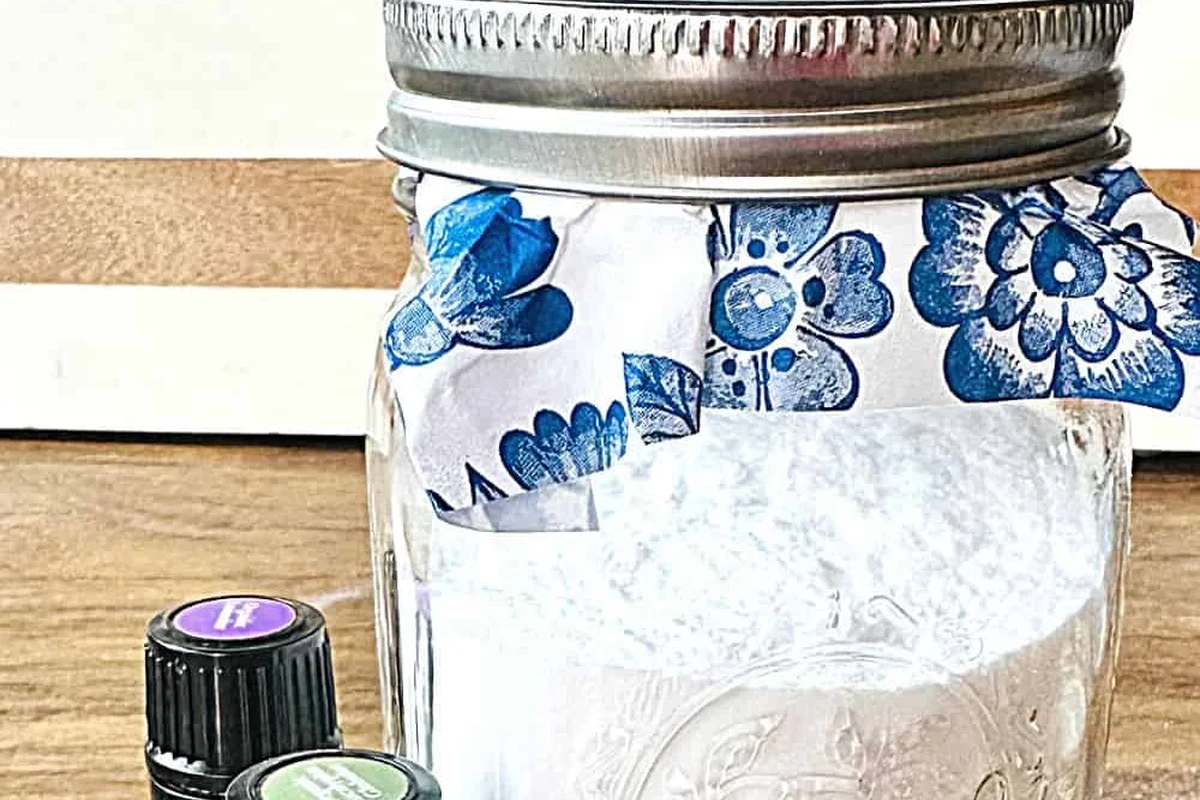
Baking soda helps freshen a room because it does not just cover odors. It can interact with some odor-causing compounds and reduce the sharp, stale smell that builds up in enclosed spaces. For a deeper look at how baking soda behaves in different household uses, see our guide to when baking soda should be replaced.
The science behind odor absorption
Baking soda, or sodium bicarbonate, is mildly alkaline. That makes it useful for reducing certain acidic odors, including some food smells, sweat odors, and sour damp smells. In practice, the powder presents a large surface area that can help trap and change odor molecules over time.
Baking soda is most effective in still or lightly ventilated spaces, because the powder needs time to interact with odors instead of being blown away.
That said, baking soda is not a magic absorber for every smell. Strong smoke, mold, sewage, or chemical odors often need cleaning, drying, repair, or better ventilation first. If you are comparing odor-control methods, it also helps to understand how a baking soda and vinegar reaction works, since it is often misunderstood as a cleaning cure-all.
What baking soda can and cannot do in a home
Baking soda can help reduce mild to moderate odors in fabrics, containers, trash areas, and enclosed storage spaces. It is especially useful when the odor source is already clean but still lingering, like a musty closet or a lightly scented shoe cabinet.
It cannot replace deep cleaning. If the smell comes from hidden moisture, spoiled food, pet accidents soaked into padding, or mold growth, the source must be removed first. Otherwise, the baking soda may seem to “stop working” when the real problem is still present.
Best Ways to Use Baking Soda Air Freshener Around the House
The best setup depends on the room and the type of odor. In baking and pastry work, we often pay attention to surface area, airflow, and moisture because those factors change how ingredients behave; the same idea applies to household freshness.
Open containers for closets, bathrooms, and pantries
An open jar, bowl, or small container of baking soda is a simple option for enclosed spaces. Place it on a shelf or out of the way where air can move around it, but where it will not be knocked over.
For pantries, this can help with stale packaging odors. For bathrooms, it may reduce the closed-in smell that builds up when the room is small and humid. If you also use baking soda in other household cleaning tasks, our article on baking soda in laundry explains why it is often paired with moisture control.
Sprinkling on carpets, rugs, and upholstery before vacuuming
One of the most common uses is to sprinkle a light layer over carpet, rugs, or fabric upholstery, let it sit, and then vacuum it up. This can help with everyday odors from shoes, pets, cooking, or general room use.
Always test a hidden spot first on delicate fabrics, dark textiles, or finishes that may show residue. Avoid using this method on wet fabric or on materials that should not be vacuumed aggressively.
Use a light hand. A thick layer can be harder to remove and may leave a powdery feel behind. If you are dealing with smoke-related smells, a more targeted approach may be needed; our guide on baking soda for smoke odors covers that situation in more detail.
Refreshing trash cans, shoes, and pet areas safely
Baking soda can help with trash cans, shoe interiors, litter areas, and other spots where odor tends to sit in a small space. For trash cans, a thin layer at the bottom or in a small open container nearby can be useful after the can is cleaned and dried.
For shoes, a small sachet or breathable pouch works better than loose powder because it is easier to remove and less messy. Around pet areas, use caution and keep the powder away from food bowls, bedding that pets chew, and any place where curious animals might ingest it.
If pets or children can reach the container, use a secured pouch or a high shelf. Loose powder can be spilled, tracked around the house, or accidentally swallowed.
Choosing the Right Baking Soda Setup for Each Room
Room size matters because odor control is partly about concentration. A small enclosed space may need only a small open container, while a larger room may need multiple odor-control steps working together.
Small-space use for drawers, cabinets, and laundry rooms
For drawers and cabinets, a small sachet, breathable pouch, or tiny open dish is usually enough. These spaces do not need a large amount of product because the air volume is limited.
Laundry rooms often need a little more attention because humidity can make odors linger. If the room is damp, baking soda works better when the source of moisture is controlled and the area is aired out regularly. For related laundry uses, our article on adding baking soda to laundry detergent explains why odor control improves when cleaning and freshness work together.
Medium-space use for bedrooms and living areas
In bedrooms and living rooms, a single bowl of baking soda may help with mild odors, but it will not refresh the entire room if the source is strong. Place the container where air can circulate, such as near a shelf or side table, not inside a closed cabinet.
In larger rooms, baking soda works best as part of a routine that includes regular vacuuming, fabric cleaning, and fresh air from open windows or fans when weather allows.
If the room smells stale because of smoke, cooking grease, or pet buildup, baking soda can be one part of the solution but not the whole solution. In those cases, ventilation and source cleaning matter more than adding extra powder.
When to combine baking soda with ventilation or other odor controls
Use ventilation when odors are caused by trapped moisture, poor air exchange, or recent cooking. A fan, open window, or HVAC circulation can help move odor out of the room, while baking soda handles the lingering smell.
For problem odors, combine methods instead of relying on one product. Deep-clean the source, dry the area, and then use baking soda as maintenance. That approach is usually more effective than trying to overpower the smell with fragrance.
How Much Baking Soda to Use and How Often to Replace It
There is no single exact amount that works for every home. The right quantity depends on room size, humidity, how strong the odor is, and whether the baking soda is sitting in open air or inside a pouch.
Practical measuring guidelines for jars, bowls, and sachets
For a small container, a modest layer is usually enough. For a bowl or jar, fill it partway rather than all the way to the top so more surface area is exposed to the air.
- Choose a container that will not spill easily
- Keep the powder dry and uncovered enough to absorb odor
- Place it where air can reach it
For sachets, use enough baking soda to fill the pouch comfortably without making it bulky. A breathable fabric pouch is often better than plastic because plastic traps moisture and reduces effectiveness.
Replacement timing based on humidity, airflow, and odor strength
Replace the baking soda when the room is humid, the odor is persistent, or the powder has been sitting for a while with little airflow. In dry, low-odor spaces, it may last longer than in a damp bathroom or a busy kitchen.
Because homes vary so much, it is better to check the container regularly than to follow a rigid schedule. If the smell returns before the powder looks used up, the odor source may be stronger than the setup can handle.
Signs the baking soda has stopped working
If the room still smells stale after the powder has been in place for a while, the baking soda may be saturated or simply underpowered for the space. A damp clump, crust, or heavy residue can also mean it has absorbed moisture and is no longer doing much.
The room still smells bad even though baking soda is in place.
Check for hidden moisture, clean the source, improve airflow, and replace the powder with a fresh batch.
Common Mistakes That Make Baking Soda Less Effective
Most baking soda air freshener problems come from setup, not the ingredient itself. A few small adjustments can make a clear difference.
Using too little product for the room size
A tiny amount in a large room will not have much effect. If the space is open or the odor is strong, one small dish may only help in the immediate area around it.
Instead of guessing, start with a practical amount for the space and add another container only if needed. This is especially important in living rooms, basements, and laundry areas where odor can spread across a wider area.
Placing it where airflow is blocked
Baking soda needs contact with air to do its job. If it is tucked behind heavy storage bins, sealed inside a plastic container, or hidden in a corner with no circulation, it will work more slowly.
For the best results, place baking soda where air can pass over it, but not where it can spill, get wet, or be disturbed often.
Good placement matters as much as quantity. A smaller amount in the right spot can outperform a larger amount trapped in a bad location.
Expecting it to mask strong odors instead of neutralizing them
Baking soda is not a perfume substitute. It is better at reducing or neutralizing certain odors than covering them up, which is why it may seem less dramatic than a scented spray.
That is actually a benefit for many homes. If you want a fragrance-free approach, baking soda can be a smart choice, but only when the odor source is already under control.
Safety, Storage, and Surface Care Tips
Baking soda is common in kitchens, but that does not mean every use is risk-free. A little care helps protect people, pets, fabrics, and finishes.
Keeping baking soda away from children and pets
Store loose powder and filled containers out of reach of children and pets. Curious hands and paws can tip over bowls, spread powder across floors, or ingest it.
If a child or pet swallows a large amount of any household product, contact a qualified professional or poison control guidance right away. Do not assume every home product is harmless in large amounts.
For pet areas, use sealed but breathable pouches when possible and keep them away from food and water bowls. Safety matters more than convenience.
Avoiding residue on delicate fabrics and finishes
Powder residue can collect in carpet fibers, on dark upholstery, or in textured fabric. Light application and careful vacuuming reduce that risk.
On wood, polished surfaces, or specialty finishes, avoid sprinkling loose powder directly unless the manufacturer says it is safe. If you are unsure, use a contained sachet instead of loose baking soda.
Storing unused baking soda so it stays fresh and dry
Keep unopened or unused baking soda sealed in a dry place. Moisture is the biggest enemy of freshness because it can make the powder clump and reduce its usefulness.
If you want to use it for odor control later, store it away from steam, sink splashes, and pantry leaks. A dry, closed cabinet is usually better than a humid shelf near the stove or dishwasher.
When Baking Soda Air Freshener Is the Right Choice—and When It Is Not
Baking soda is best when you want a simple, budget-friendly, fragrance-free way to manage everyday odors. It is especially useful in closets, drawers, shoes, trash areas, and other spots where smells build slowly.
Best use cases for budget-friendly, fragrance-free odor control
If you want a low-cost option that does not add perfume to the air, baking soda is a strong choice. It fits homes where people are sensitive to scent, and it can be a practical maintenance tool in between deeper cleanings.
- Fragrance-free odor control
- Low cost and easy to find
- Works well in small enclosed spaces
- Not strong enough for every odor
- Needs replacement over time
- Cannot fix the odor source by itself
Situations that need deep cleaning, repair, or stronger odor treatment
If an odor keeps returning, look for the source first. Wet carpet padding, clogged drains, mold, spoiled food, and pet accidents often need cleaning, drying, or repair before any air freshener will help.
When the smell is severe or unsafe, stronger treatment may be needed, and in some cases professional help is the right next step. Baking soda can support the process, but it should not delay the real fix.
Final recap for choosing the most effective home freshness routine
The best baking soda air freshener routine is simple: clean the source, improve airflow, place the powder where air can reach it, and replace it when it weakens. Use small containers for small spaces, and do not expect one bowl to solve a major odor problem.
For most homes, baking soda is most effective as a steady maintenance tool rather than a dramatic one-step solution. If you want a fresher home with less fragrance and fewer harsh products, it is a practical place to start.
Frequently Asked Questions
Baking soda helps reduce certain odors by interacting with odor-causing compounds and absorbing some smells over time. It works best in small spaces and when the odor source has already been cleaned.
Use enough to expose a good surface area to the air, but not so much that it spills or clumps. Small spaces usually need less, while larger rooms may need more than one container or another odor-control method.
Replacement timing depends on humidity, airflow, and odor strength. In damp or strongly scented spaces, it usually needs to be changed more often.
It can help reduce mild to moderate smoke or pet odors, but it will not fix every strong smell. Deep cleaning, drying, and better ventilation are often needed first.
It should be kept out of reach and used carefully, especially as loose powder. If a child or pet swallows a large amount, contact poison control guidance or a qualified professional right away.
A small bowl, jar, or breathable sachet works well, depending on the space. Choose a container that allows airflow but is stable enough to avoid spills.