
Baking Soda for Roaches Safe Ways to Kill Them Fast

Baking soda for roaches can help only as a minor DIY bait when paired with an attractant and placed in hidden spots. For a larger or recurring infestation, stronger pest control is the better choice.
Baking soda for roaches is a popular home remedy, but it is not a magic fix. It may help with light roach activity when used carefully with cleaning and hiding-place treatment, yet it is too weak to rely on for a serious infestation.
- Works best as support: Baking soda is not a stand-alone solution for major roach problems.
- Placement matters: Hide bait near cracks, sinks, and appliances where roaches travel.
- Add an attractant: Sugar or another dry lure is usually needed to draw roaches in.
- Keep it safe: Protect children, pets, and food-contact surfaces from bait mixtures.
- Act early: Frequent sightings or egg cases usually mean you need stronger control.
Baking Soda for Roaches: What It Can and Cannot Do in a Real Infestation
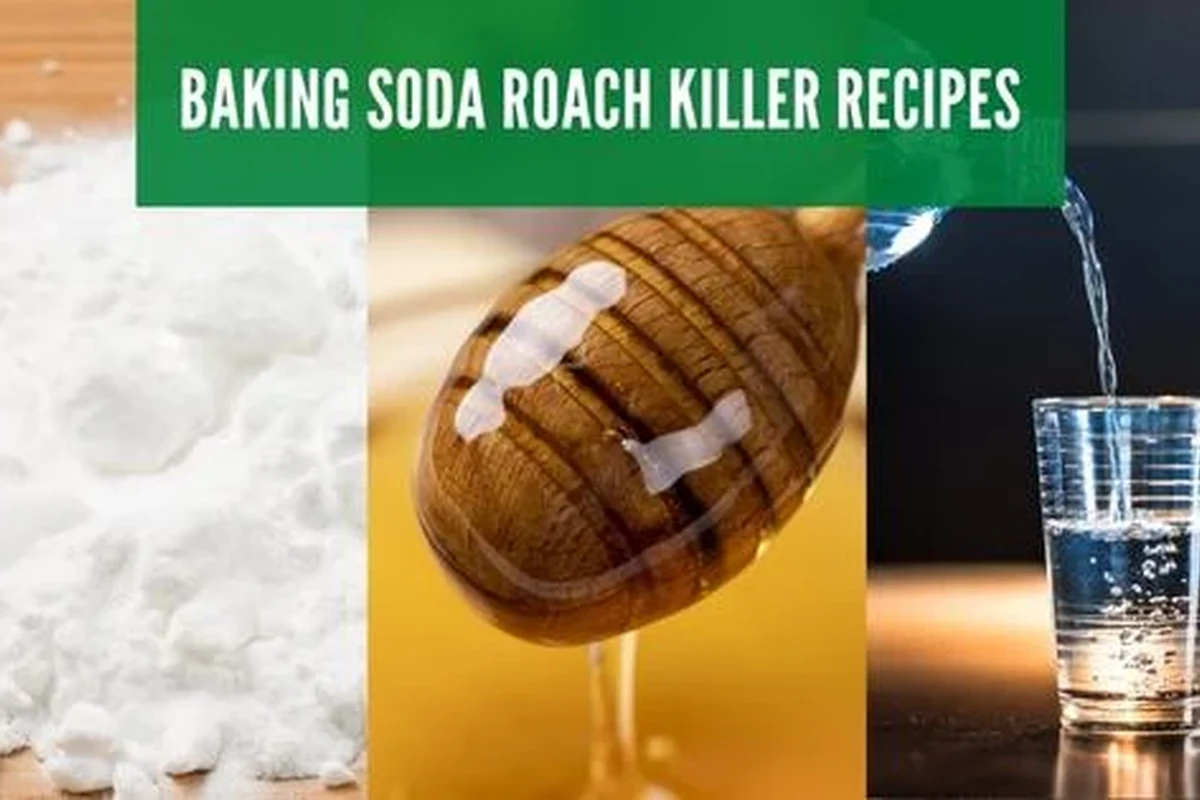
People often reach for baking soda because it is cheap, familiar, and already in the kitchen. It also feels safer than spraying strong chemicals near food prep areas, which is why it shows up in so many home-remedy discussions, much like other everyday uses covered in our guide to baking soda and vinegar reaction explained simply.
Why this home remedy became popular
The appeal is easy to understand. Baking soda is common, low-odor, and simple to place in small amounts around the kitchen.
It also fits the idea of “kitchen-first” problem solving: use what you already have, keep the area tidy, and avoid overcomplicating the first response. That makes it attractive for beginners who want to try something gentle before moving to stronger pest control.
What baking soda actually does to roaches
The basic theory is that roaches eat the bait mixture and the baking soda reacts inside the insect’s digestive system. In practice, that only works if the roach actually consumes enough of the mixture, which is why plain baking soda scattered by itself is usually ineffective.
Roaches are not drawn to baking soda on its own. They are drawn to food, grease, crumbs, water, and shelter, so the bait has to be placed where their habits lead them.
Roaches usually travel along edges, seams, and hidden routes rather than crossing open space. That is why placement matters more than the amount you use.
When it may help and when it is too weak to rely on
Baking soda may help with very light, early roach activity, especially if you are also cleaning food residue and removing moisture. It is better viewed as a support method than a stand-alone solution.
If you are seeing roaches in daylight, finding droppings often, or noticing a strong musty odor, the problem is likely more established. At that point, bait gels, traps, sealing work, and sometimes professional pest control are usually the safer and more effective choice.
- Cheap and easy to find
- Can be placed discreetly in hidden areas
- Works best as part of a broader cleanup plan
- Slow and inconsistent on its own
- Depends on roaches eating the bait
- Not strong enough for many infestations
How to Use Baking Soda for Roaches Safely in 2026
If you try this method, think in terms of bait placement, not dusting every surface. The goal is to put a small amount where roaches already hide and travel, while keeping it away from food-contact areas.
Simple bait-style placement with sugar or another attractant
A common approach is to mix a small amount of baking soda with sugar so the sweetness helps draw roaches in. The exact ratio is not a guaranteed formula, but many people start with equal parts and adjust only if the bait is being ignored.
Keep the mixture dry. If it gets damp, it can clump, lose appeal, and become harder to place neatly.
Where to place it for best contact: cracks, under sinks, behind appliances
Place the bait in hidden, protected spots where roaches are likely to travel. Good examples include under the sink, behind the refrigerator, along baseboards, near pipe openings, and inside cracks or gaps near cabinets.
Do not spread it across counters or open floors. Roaches usually avoid exposed areas unless the infestation is severe, and open placement also increases cleanup and safety concerns.
Keep bait mixtures off cutting boards, prep counters, dishes, and any surface that touches food. If you have children or pets, use only inaccessible placement or choose a different pest-control method.
How much to use and how often to refresh it
Use only a small amount at each placement point. Thin, discreet bait spots are easier to monitor and replace than heavy piles that get scattered or ignored.
Refresh the mixture if it becomes wet, dusty, or clearly untouched after several days. In a busy kitchen, moisture from sinks, dishwashing, or steam can break down the bait faster than expected.
Safety notes for children, pets, and food-prep areas
Baking soda is widely used in kitchens, but pest-control placement is different from baking use. Even a familiar ingredient should be treated as a material that should not be eaten freely by children or pets.
Do not place bait where a child, cat, dog, or other pet can reach it. If you cannot keep the area fully inaccessible, use enclosed traps or a pest-control product designed for safer household use.
Common Mistakes That Make Baking Soda Pest Control Fail
Most failures come from setup, not from the ingredient itself. The method is simple, but roaches are highly opportunistic and will ignore bait that is poorly placed or poorly maintained.
Using baking soda alone without an attractant
Plain baking soda is not especially attractive to roaches. Without sugar, crumbs, grease scent, or another lure, there may be little reason for them to approach it.
This is one reason the method gets mixed reviews. People often try it in its plain form, see no change, and assume the idea never works at all.
Putting it in open, high-traffic areas instead of hiding spots
Roaches prefer dark, tight spaces. If the bait sits in the middle of an open kitchen floor, it may be walked around rather than eaten.
Think of it like trying to catch a pastry crumb thief by placing the crumb in a bright, busy hallway. The target route matters more than the size of the bait.
Expecting instant results on large infestations
Baking soda is not a fast knockdown treatment. If you are hoping for same-day results, you will likely be disappointed.
Large infestations usually need a layered approach. That may include traps, targeted gel bait, sealing entry points, and sometimes professional treatment if the roaches are spreading through walls or multiple rooms.
Ignoring sanitation, moisture, and entry points
Roaches come back when the kitchen still offers food and water. Crumbs under appliances, sticky cabinet shelves, pet food, and sink leaks all make the area more inviting.
For related cleanup habits, it can help to review a simple maintenance routine like our baking soda for shoes cleaning guide, which shows how small household cleaning habits depend on dry storage and regular refreshes. The same general principle applies here: dry, clean, and sealed spaces are less attractive to pests.
Best Situations for Baking Soda vs. When to Choose Stronger Roach Control
The best choice depends on how much activity you are seeing and how fast you need results. Baking soda can be useful, but it is not the right answer for every kitchen.
Light, early, or occasional roach activity
If you only see a roach now and then, especially near a sink or pantry, baking soda bait may be worth trying. It can be part of a low-cost first response while you improve cleaning and sealing.
This is the situation where the method is most reasonable: early action, limited activity, and no sign that the problem has spread widely.
Kitchen cleanup support and prevention after treatment
Even when it does not solve the infestation by itself, baking soda can fit into a prevention routine. A cleaner, drier kitchen is less appealing to pests, and that matters after any treatment.
It can also be helpful after you have already used stronger control methods. In that case, think of it as maintenance rather than the main solution.
Signs that point to an established infestation
Frequent sightings, egg cases, droppings, and roaches in multiple rooms are warning signs that the problem is larger than a simple bait can handle. Daytime sightings are especially concerning because roaches usually hide when populations are under control.
If you notice these signs, do not wait too long. Delaying treatment gives roaches more time to spread into cabinets, wall voids, and nearby appliances.
When gels, traps, or professional pest control are the safer choice
Gel baits and enclosed traps are often more reliable because they are designed for pest control and can be placed more precisely. Professional help is worth considering when the infestation is persistent, widespread, or tied to hidden moisture problems.
If you choose a commercial product, follow the label exactly. For household pest-control products, the label is the legal and safety instruction sheet, and it matters more than any internet tip.
Practical Example: A Kitchen-First Roach Control Plan Using Baking Soda
Here is a simple way to use baking soda as part of a realistic kitchen plan. The goal is not just to bait roaches, but to remove the conditions that keep them coming back.
Step-by-step placement in a small apartment kitchen
Wipe crumbs, grease, and spills from counters, cabinet edges, and the floor around appliances. Roaches are less likely to ignore a bait if competing food is removed.
Combine baking soda with a dry attractant such as sugar. Keep the amount modest so you can monitor whether the bait is being disturbed.
Set small portions under the sink, behind the refrigerator, near the dishwasher toe-kick, and along cabinet seams. Use shallow lids or tiny containers if possible.
Look for moisture, movement, or obvious disturbance every few days. Replace clumped or dirty bait and remove any that has become exposed to food prep.
How to pair it with cleaning, sealing gaps, and moisture control
Seal obvious cracks with caulk, especially around pipe openings and baseboards. Fix leaks, dry the sink area at night, and avoid leaving pet food out after feeding time.
If you are also using other baking-soda-based cleaning methods around the home, keep them separate from pest-control bait. Our article on baking soda vinegar cleaning ovens explains why cleaning mixtures and residue control matter in tight kitchen spaces.
What results to expect over the first few days and weeks
In the first few days, you may notice less bait activity or no visible change at all. That does not automatically mean the method failed; hidden pests are hard to track in the short term.
Over one to two weeks, a light problem may ease if sanitation improves and hiding places are reduced. If activity continues or increases, move to a stronger option rather than repeating the same setup indefinitely.
Safety, Cleanup, and Storage Tips for Baking Soda Pest Use
Safety matters even with a familiar pantry ingredient. Treat pest-control materials as household chemicals in practice, because placement, cleanup, and storage all affect how safe the method is.
Keeping treated areas away from food-contact surfaces
Never place bait on cutting boards, inside utensil drawers, or on shelves used for open food storage. If some powder drifts onto a food-contact surface, clean it thoroughly before using the area again.
When in doubt, move the bait farther into hidden voids or switch to enclosed traps.
How to dispose of old bait mixtures and residue
Use a damp paper towel or disposable cloth to pick up old bait, then seal it in the trash. Wash your hands afterward, and clean the surrounding surface if any powder or sugar has spread.
If the mixture was placed near moisture, check for stickiness or mold-like buildup before reapplying anything.
Storing baking soda properly so it stays dry and usable
Store unused baking soda in a tightly closed container in a cool, dry cabinet. Moisture will not make it dangerous, but it can make it clump and reduce its usefulness as bait or cleaner.
If you are unsure whether an opened box is still fresh enough for kitchen use, review basic storage guidance like our does baking soda expire guide. Dry storage is the simplest way to keep it ready for both baking and cleaning.
Final Recap: Is Baking Soda for Roaches Worth Trying?
Baking soda for roaches is worth trying only as a low-cost, low-risk support method for a small problem. It is most useful when paired with sugar, careful placement, and strong kitchen cleanup.
Who may benefit from this method
People with light, occasional roach sightings may find it helpful as an early step. It can also fit into a prevention routine after a larger treatment has already reduced activity.
Who should skip it and move to a stronger option
If you have repeated sightings, signs of nesting, or roaches in more than one room, skip the experiment and move on. In those cases, baking soda is too weak to be the main answer.
Best next step for long-term roach prevention
The best long-term plan is simple: remove food, remove water, seal entry points, and use targeted pest-control tools when needed. Baking soda can play a small supporting role, but it works best in a clean, dry kitchen with fewer places for roaches to hide.
Try baking soda for roaches only for light activity and only as part of a cleaner, drier kitchen plan. If the infestation looks established, move to gel baits, traps, or professional pest control instead of relying on this home remedy alone.
Frequently Asked Questions
It may help in some cases, but only if roaches eat the bait mixture. Plain baking soda alone is usually too weak to rely on for a real infestation.
A common DIY approach is to mix baking soda with sugar or another dry attractant. The exact ratio can vary, but the bait should stay dry and be placed in hidden roach routes.
Place it in cracks, under sinks, behind appliances, and along baseboards where roaches travel. Avoid open counters and other food-contact surfaces.
It is not a fast method, and results can take days or longer if it works at all. If activity continues after a short trial, stronger pest control is a better choice.
Only if it is placed where pets and children cannot reach it. If you cannot keep the bait fully inaccessible, use a safer enclosed pest-control method instead.
Stop if you see frequent roaches, droppings, egg cases, or activity in multiple rooms. Those signs usually point to an established infestation that needs stronger treatment.