
Baking Soda in Dandruff Does It Really Work

Baking soda may remove loose flakes briefly, but it is not a reliable dandruff treatment and can irritate the scalp. For lasting relief, a proven anti-dandruff shampoo is usually the safer choice.
Baking soda in dandruff is a popular home remedy, but it is not a proven long-term treatment. It may help lift loose flakes at first, yet it can also irritate the scalp and make dandruff worse for some people.
- Temporary effect: Baking soda can lift loose flakes and oil, but only for a short time.
- Main risk: Its alkaline nature can dry out and irritate the scalp.
- Better option: Medicated shampoos are more effective for common dandruff causes.
- Use cautiously: If you try it, dilute it, patch test first, and stop if it stings.
What Baking Soda Is and Why People Try It for Dandruff
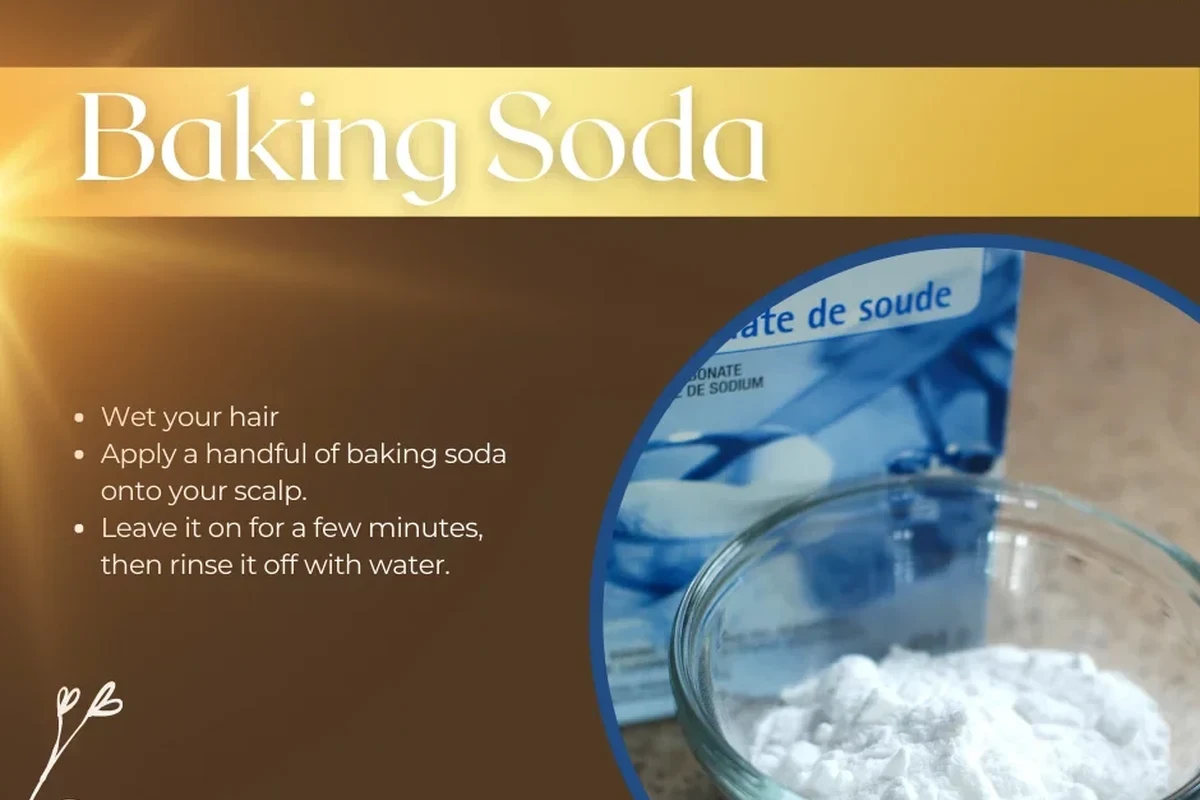
Baking soda is sodium bicarbonate, a mild alkaline powder that is common in kitchens. People often reach for it because it feels simple, inexpensive, and easy to mix into a quick scalp rinse or paste.
In home care searches, it shows up as a fix for oil, odor, and buildup. That is similar to how readers sometimes look at it for other household uses, like baking soda for shoes cleaning or cleaning up stubborn residue, because it seems to cut through grime fast.
How baking soda acts on the scalp
On the scalp, baking soda can act like a light abrasive and a degreasing aid. It may loosen surface flakes and reduce the greasy feel of product buildup, but that is different from treating the root cause of dandruff.
The scalp normally has a slightly acidic barrier. Baking soda is much more alkaline, so repeated use can disturb that barrier and leave skin feeling tight, dry, or itchy.
Why the remedy became popular in home care searches
The idea spread because it offers a quick visible result. If loose flakes fall away after rubbing or rinsing, it can look like the problem has been solved even when the underlying scalp condition is still there.
There is also a general baking-soda “fix it” reputation online, from odor control to cleaning tasks. That same reputation can make people assume it works the same way on skin, even though the scalp is far more sensitive than a sink or drain.
Does Baking Soda Actually Help Dandruff in 2026?
Current dermatology guidance does not treat baking soda as a standard dandruff remedy. It may temporarily reduce visible flakes for some people, but it is not considered a reliable treatment for the common causes of dandruff.
What current dermatology guidance suggests
Dandruff is often linked to scalp oil, irritation, and yeast overgrowth, especially in seborrheic dermatitis. Proven shampoos are usually recommended because they target those causes more directly than baking soda does.
If you are comparing home remedies, it helps to think in terms of mechanism. Baking soda mostly changes the surface feel, while medicated shampoos are designed to reduce flaking, calm inflammation, or slow the yeast that contributes to the condition.
When people may mistake temporary flake removal for real treatment
Flakes can come off right after scrubbing, which makes the scalp look cleaner for a short time. That does not mean the skin barrier has improved or that the dandruff trigger has been controlled.
This is a bit like using a strong cleaner that removes surface buildup but leaves the underlying issue untouched. For example, a product can seem effective in the moment, yet still be the wrong choice if it is too harsh for regular use.
How baking soda compares with proven anti-dandruff ingredients
Ingredients such as zinc pyrithione, ketoconazole, selenium sulfide, and salicylic acid have a much stronger track record for dandruff care. They are used because they address yeast, scaling, or shedding in ways that are more targeted than plain baking soda.
If you want a broader comparison of how baking soda behaves in cleaning-style reactions, our baking soda and vinegar reaction explained simply article shows why the ingredient is so often misunderstood. A dramatic reaction does not always mean better results for skin care.
Possible Benefits People Notice at First
Some people do notice a short-lived improvement after using baking soda on the scalp. Those early results usually come from oil removal, exfoliation, and the removal of product residue rather than true dandruff treatment.
Short-term oil removal and exfoliation effects
Baking soda can absorb or loosen some of the oily feel on the scalp. It may also help lift dead skin cells sitting on the surface, which can make the scalp look less dusty right away.
That effect is temporary. Once the scalp starts producing oil again, or once irritation builds, flakes may return just as quickly or even become more noticeable.
How it may reduce visible buildup after styling products
If you use gels, dry shampoo, creams, or heavy oils, baking soda may remove some of that residue. A cleaner surface can make the hair feel lighter and less coated after rinsing.
But buildup removal is not the same as dandruff care. If the scalp is already dry or inflamed, stripping away too much oil can leave it more reactive.
Why some users report a “clean scalp” feeling
The “clean scalp” feeling often comes from the combination of scrubbing and alkalinity. That can feel satisfying in the moment, much like the quick freshness some people associate with a strong cleaning method in the kitchen.
Skin and scalp care usually works best when the barrier is protected, not aggressively stripped. A product that feels extra squeaky-clean is not always the healthiest choice for repeated use.
Risks, Side Effects, and Why Baking Soda Can Backfire
Baking soda can backfire because the scalp is living skin, not a countertop. What seems like a simple exfoliant can become irritating if it is used too often or left on too long.
Scalp irritation, dryness, and pH disruption
The biggest concern is irritation. Baking soda can dry the scalp and disrupt the acid mantle, which is the skin’s natural protective layer.
When that barrier is disrupted, the scalp may react by becoming red, tight, itchy, or flaky. In some cases, the flaking can look worse because the skin is stressed, not because dandruff is improving.
How overuse can worsen itching and flaking
Scrubbing too often can create a cycle: the scalp dries out, it itches, the person scratches, and more irritation follows. That can lead to more visible flakes and more discomfort.
If a remedy stings, burns, or leaves the scalp sore, stop using it. Persistent irritation should be evaluated rather than treated with stronger home scrubs.
Who should avoid trying it on sensitive or inflamed scalps
People with eczema, psoriasis, open sores, cracked skin, or a very sensitive scalp should be especially cautious. A harsh alkaline mixture is more likely to aggravate those conditions than to help them.
Do not assume a kitchen ingredient is safe for skin just because it is food-grade. The scalp can react differently than hair, and repeated exposure can cause more harm than the short-term cleanup is worth.
How to Use Baking Soda More Safely If Someone Still Wants to Try It
If you still want to test baking soda in dandruff care, keep it minimal and stop at the first sign of irritation. Think of it as a cautious experiment, not a routine treatment.
Typical dilution ratios and patch test advice
A common home method is to mix a small amount of baking soda with water to make a thin paste or slurry. There is no universally recommended ratio for scalp use, so people should keep it weak rather than concentrated.
- Patch test a small area behind the ear or on the inner arm first
- Check for redness, burning, or itching for at least 24 hours
- Avoid use if the scalp is already broken or inflamed
Application method, contact time, and rinsing steps
Apply the mixture gently to the scalp, not by grinding it in with force. Keep contact time short, then rinse very thoroughly with lukewarm water.
After rinsing, use a mild conditioner on the hair lengths if needed, but avoid piling on heavy products at the roots. If the scalp feels dry afterward, that is a sign the method may be too harsh for you.
Common mistakes: scrubbing too hard, using it too often, or mixing with harsh ingredients
People often make the mixture more aggressive by scrubbing hard or repeating it several times a week. That usually increases irritation instead of improving dandruff.
Another mistake is combining baking soda with other harsh ingredients in the hope of boosting results. In hair and scalp care, stronger is not automatically better, especially when the goal is to protect the skin barrier.
- Use a weak mixture
- Rinse fully
- Stop if the scalp feels uncomfortable
- Daily use
- Hard scrubbing
- Mixing with other irritating ingredients
Better-Studied Alternatives for Treating Dandruff
If the goal is actual dandruff control, medicated shampoos are the better place to start. They are more likely to help because they are designed for scalp conditions, not just surface cleaning.
Zinc pyrithione, ketoconazole, selenium sulfide, and salicylic acid
Zinc pyrithione and ketoconazole are commonly used to target the yeast associated with dandruff. Selenium sulfide can also help reduce flaking, while salicylic acid helps lift scale so it can rinse away more easily.
Which one fits best depends on the scalp’s response, hair type, and how sensitive the skin is. For some people, a gentler formula used consistently works better than a stronger product used only once in a while.
Choosing between shampoo types based on flake type and scalp sensitivity
Dry, fine flakes may respond differently than oily, yellowish flakes. A dry, sensitive scalp often does better with a milder routine, while a greasy, stubborn scale may need a more targeted medicated shampoo.
| Option | Best For | Key Consideration |
|---|---|---|
| Ketoconazole shampoo | Recurring dandruff with yeast-related flaking | Follow label directions and avoid overuse |
| Zinc pyrithione shampoo | Regular maintenance for mild to moderate flakes | May be gentler for some users |
| Selenium sulfide shampoo | Stubborn scaling and oily flakes | Can be drying for some scalps |
| Salicylic acid shampoo | Heavy buildup and thick scale | May need moisturizing support afterward |
When moisturizing scalp care matters more than stronger cleansing
Sometimes the problem is not excess dirt but a dry, irritated barrier. In those cases, a gentle shampoo, less frequent washing, and a scalp-friendly moisturizer may help more than another stripping treatment.
Product labels, scalp sensitivity, and hair texture all matter. A shampoo that works well for one person may be too drying or too mild for another.
When Dandruff May Signal Something More Serious
Not every flaky scalp is simple dandruff. If symptoms keep returning or look severe, there may be a different skin condition involved.
Signs of seborrheic dermatitis, psoriasis, or eczema
Seborrheic dermatitis can cause greasy flakes, redness, and itchiness on the scalp and sometimes around the eyebrows or ears. Psoriasis may create thicker, more sharply defined scales, while eczema often brings dry, inflamed, very itchy skin.
These conditions can look similar at first, which is why a home remedy can be misleading. A product that removes some flakes may hide the pattern without addressing the cause.
Red flags that need medical evaluation
See a clinician if the scalp is painful, bleeding, crusting, oozing, or developing patches of hair loss. You should also get checked if over-the-counter dandruff products do not help after a reasonable trial.
When should someone stop home treatment and get help?
Stop when the scalp becomes sore, inflamed, or worse after treatment. If symptoms are persistent, spreading, or affecting hair growth, medical evaluation is the safer next step.
Why persistent shedding or sores should not be treated with home remedies alone
Persistent shedding can point to inflammation, infection, or another scalp disorder that needs proper diagnosis. Sores and open areas also raise the risk of irritation and secondary infection if home scrubs are kept going.
For skin problems that do not settle, it is better to use a proven scalp treatment and let a professional decide whether the issue is dandruff, dermatitis, psoriasis, or something else.
Final Verdict: Is Baking Soda in Dandruff Worth Trying or Not?
Baking soda in dandruff is not the best choice if your goal is safe, dependable, long-term relief. It may remove loose flakes for a moment, but it can also dry out and irritate the scalp, which often works against the real goal.
Best-use scenarios if someone insists on a home experiment
If someone still wants to try it, the safest use case is a one-time, very mild experiment on a healthy scalp with no sores or sensitivity. Keep the contact brief, rinse well, and stop immediately if the skin feels uncomfortable.
- May loosen visible flakes briefly
- Can remove some product buildup
- Easy to find at home
- Can dry and irritate the scalp
- Does not treat dandruff causes well
- May worsen symptoms with repeated use
Clear recommendation based on safety, effectiveness, and long-term scalp health
The better recommendation is to skip baking soda as a regular dandruff treatment and choose a medicated shampoo that matches your symptoms. If flakes are persistent, painful, or unusual, get the scalp checked instead of trying to scrub the problem away.
For readers who like understanding ingredient behavior, our can you use baking soda instead of baking powder safely guide explains why one ingredient can be useful in one setting but not another. That same logic applies here: a kitchen staple is not automatically a scalp treatment.
If you are also interested in how baking soda performs in other practical household uses, the does baking soda expire how to tell and when to replace article is a helpful reminder that even common ingredients have limits. For dandruff, those limits matter more than the convenience.
Baking soda may offer short-term flake removal, but it is not a strong or skin-friendly dandruff solution. For most people, a proven anti-dandruff shampoo is the safer, more effective long-term choice.
Frequently Asked Questions
It may loosen loose flakes and reduce oil for a short time. That does not mean it treats the cause of dandruff.
It can be irritating for sensitive, dry, or inflamed skin. A patch test is wise, but many people should avoid it altogether.
There is no well-established safe routine for regular scalp use. Frequent use can dry the scalp and worsen itching or flaking.
Medicated shampoos with zinc pyrithione, ketoconazole, selenium sulfide, or salicylic acid are better studied. The best choice depends on scalp type and sensitivity.
Yes, especially if it is used often or scrubbed in hard. It can disrupt the scalp barrier and increase dryness and irritation.
Get medical help if you have pain, sores, bleeding, hair loss, or dandruff that does not improve with over-the-counter care. Those signs can point to another scalp condition.