A baking soda recipe works best when the ingredient has enough acid to activate it and the measurement is balanced. The same pantry staple can also help with cleanup and odor control when you keep food use and cleaning use separate.
A good baking soda recipe is really about balance: the right acid, the right amount of soda, and the right timing. It can also mean a simple kitchen-cleaning or odor-control mix that helps your baking space stay ready for the next batch.
- Balance matters: Baking soda needs acid to create lift and avoid off-flavors.
- Measure carefully: Small errors can change spread, browning, and texture.
- Use the right swap: Baking soda is not a one-to-one replacement for baking powder.
- Store it well: Keep it dry, sealed, and separate from cleaning tasks.
What a Baking Soda Recipe Really Means in Everyday Baking
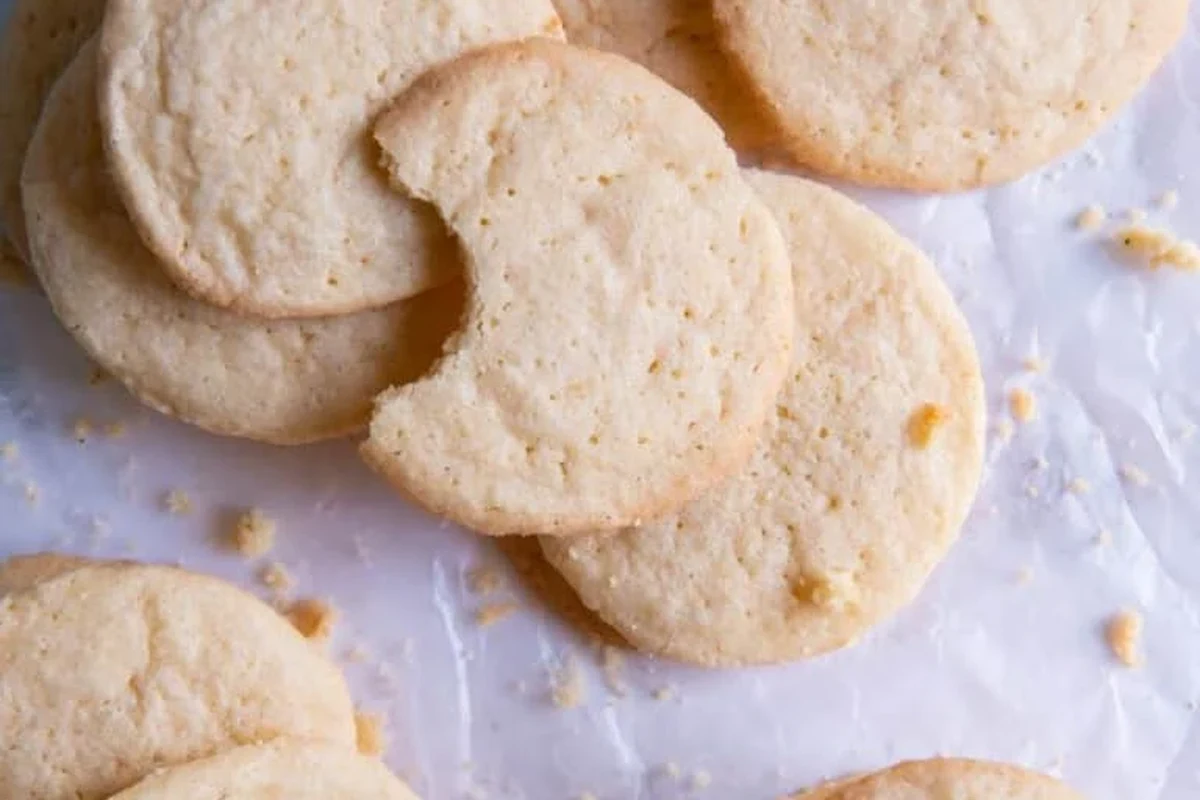
In baking, baking soda is not just a pantry shortcut. It is a leavening ingredient that reacts with acid and moisture to release carbon dioxide, which helps batter and dough rise. That same ingredient is also useful for cleaning and deodorizing, which is why it shows up in so many home routines.
How baking soda works as a leavening agent, cleaner, and odor neutralizer
In a batter or dough, baking soda needs an acidic partner to create lift. Without enough acid, you may get a flat bake and a slightly bitter or soapy aftertaste. In cleaning, its mild abrasiveness and alkaline nature help loosen grime, while in odor control it helps reduce lingering smells instead of masking them.
If you want a deeper breakdown of the chemistry, our guide to baking soda and vinegar reaction explained simply shows why the fizz happens and why that reaction matters in the kitchen.
When a recipe needs baking soda versus baking powder
Baking soda is best when the recipe already includes enough acid, such as buttermilk, yogurt, lemon juice, vinegar, brown sugar, or natural cocoa. Baking powder already contains acid plus base, so it works in recipes that do not have much acidic ingredient.
If you are unsure whether a recipe can be adjusted, it helps to read it as a formula instead of a list of ingredients. Our article on using baking soda instead of baking powder safely explains when the swap works and when it does not.
7 Easy Baking Soda Recipe Ideas for Everyday Use
These ideas cover both baking and practical kitchen use. They are simple, but each one depends on the same principle: let baking soda do one job well, and do not ask it to replace ingredients it cannot match.
Use baking soda when the batter includes buttermilk, yogurt, sour cream, or a little lemon juice. The batter should look slightly aerated after mixing, and it should go to the pan soon after combining wet and dry ingredients.
Ripe bananas bring acidity and moisture, which can help baking soda work better. In muffins and quick breads, the result is usually a softer crumb and a more even dome when the batter is not overmixed.
Brown sugar, molasses, cocoa, or sour dairy can activate baking soda in cookie and bar doughs. That reaction can improve spread, browning, and a deeper flavor if the formula is balanced.
Baking soda can help biscuits and scones brown more quickly and rise more evenly when paired with an acidic dairy ingredient. Cold butter and minimal mixing still matter, because too much handling toughens the crumb.
Mix baking soda with a small amount of water to make a paste for stuck-on residue on some pans and counters. Use it gently, and check the cookware maker’s instructions before scrubbing coated or delicate surfaces.
A baking soda wash can help remove some surface dirt from produce before you peel, slice, or bake it. Rinse thoroughly with clean water afterward so no residue remains on the ingredient.
An open box or a small bowl of baking soda can help reduce odors in a fridge or storage container. It is also useful for neutralizing smell on tools between uses, especially after strong ingredients like garlic, onion, or fish.
For most batters, mix baking soda into the dry ingredients first so it disperses evenly. Uneven mixing can leave one bite tasting sharp while another tastes fine.
Ingredient Roles, Measurements, and Why Balance Matters
The biggest mistake with a baking soda recipe is treating the ingredient as interchangeable in every formula. It is powerful, but it is not forgiving when the acid level, moisture, or mixing order is off.
Common acidic partners: buttermilk, yogurt, lemon juice, vinegar, brown sugar, cocoa
Acidic ingredients do more than add flavor. They help trigger the reaction that gives baking soda its lift. Buttermilk and yogurt are the most common in home baking, while lemon juice and vinegar are often used in smaller amounts for a sharper reaction.
Brown sugar, molasses, and natural cocoa also contribute acidity, though the exact effect depends on the brand and processing method. For that reason, two recipes that look similar on paper can behave differently in the oven.
How much baking soda to use without leaving a soapy aftertaste
Too much baking soda can make baked goods taste metallic, bitter, or soapy. It can also darken the crumb too quickly and cause excess spread in cookies. The safest approach is to follow the recipe closely and measure level teaspoons carefully.
Baking soda is much stronger than baking powder by volume, which is why small measuring errors can change texture and flavor fast.
Signs a recipe has enough acid to activate baking soda properly
A recipe usually has enough acid if it includes a clearly acidic dairy, fruit juice, vinegar, molasses, or natural cocoa and still uses baking soda as the main leavener. If the recipe has mostly neutral ingredients, baking powder is often the better choice.
When in doubt, look for a formula that balances one measured base with one or more acidic ingredients. That balance is what keeps the crumb tender instead of dense or oddly alkaline.
Do not assume baking soda can replace baking powder one-for-one. The ingredients behave differently, and the wrong swap can flatten a cake, make cookies spread too much, or leave a harsh aftertaste.
Step-by-Step Method Tips for Better Results
Good results depend on more than the ingredient list. Timing, mixing order, pan choice, and oven behavior all affect how baking soda performs.
Mixing order, resting time, and when to bake immediately
Once baking soda meets acid and liquid, the reaction begins right away. That is why many batters should be baked soon after mixing. If a recipe includes a resting step, it should say so clearly, because waiting too long can reduce lift.
Whisk baking soda into the flour, salt, and any spices so it spreads evenly through the batter or dough.
Stir just until combined. Overmixing can build too much gluten and make the final texture tough.
Get the batter or dough into the oven while the reaction is still active, unless the formula specifically calls for chilling.
How to judge doneness by color, texture, and aroma
Baking soda recipes often brown faster, so color is useful but not enough on its own. Look for edges that set, tops that spring back lightly, and a smell that shifts from wet batter to a toasted, baked aroma. For cakes and muffins, a clean skewer or the recipe’s own doneness cue is still important.
Measure carefully, preheat fully, and line or grease the pan as directed.
Watch for even browning and steady rise, but avoid opening the oven too often.
Let structure set before slicing, because hot crumb can seem underbaked when it is not.
Adjusting for altitude, pan size, and batch size
At higher altitude, leavening can act faster and baked goods may rise and collapse more easily. Pan size also matters because a wider pan bakes faster and a deeper pan may need more time. If you halve or double a recipe, the reaction is the same, but heat penetration changes, so baking time may shift.
Oven calibration, rack position, humidity, and ingredient brand can all change the final result. If your bakes are inconsistent, an inexpensive oven thermometer can help you verify actual temperature.
Common Baking Soda Mistakes That Ruin Texture or Flavor
Most baking soda problems come from either too much soda or the wrong recipe structure. Both issues are easy to avoid once you know what to look for.
Using too much and causing bitterness or excess spread
Too much baking soda can weaken structure by changing how proteins and starches set. In cookies, that often shows up as overspreading and a rough or cracked surface. In cakes and muffins, the crumb may look coarse and taste unpleasantly alkaline.
The baked good tastes bitter, soapy, or metallic and may brown too fast.
Check the measurement, confirm there was enough acid, and compare the recipe to a trusted formula before adjusting again.
Swapping baking soda into recipes that need baking powder
Some recipes need baking powder because they do not contain enough acid to activate baking soda properly. If you swap without changing the rest of the formula, the result can be flat or uneven. This is especially common in plain cakes, some sandwich breads, and neutral-flavored cookies.
Storing opened baking soda incorrectly and losing effectiveness
Baking soda can pick up moisture and odors from the pantry if it is left open. Once it clumps or smells stale, it may still work for cleaning but not perform as reliably in baking. If you are not sure, test it before using it in a recipe that matters.
Storage, Shelf Life, and Safety for Home Use
Storage is simple, but it matters. A fresh, dry box of baking soda is more dependable than one that has sat open beside onions or damp cookware.
How to test whether baking soda is still active
To test baking soda for baking, place a small amount in a bowl and add a little vinegar or lemon juice. A strong fizz means it is still active enough for many kitchen uses. If the reaction is weak, replace it for baking.
For food safety and handling guidance on ingredients and kitchen sanitation, it is wise to follow recognized public guidance such as USDA or FDA recommendations when cleaning raw produce, handling raw batter, and preventing cross-contact.
Food-safe handling versus cleaning-only applications
Use a food-grade, plain baking soda product for recipes, produce washing, and other food-contact tasks. For heavy cleaning jobs, you may still use the same ingredient, but once it has touched grease, sinks, or drains, do not return it to food use.
Keep cleaning baking soda separate from baking baking soda if you use both in the same kitchen. Label containers clearly so nothing gets mixed up by accident.
Best storage containers, moisture control, and expiration checks
Store baking soda in a tightly sealed container in a cool, dry place. Keep it away from steam, wet scoops, and open spice jars that can transfer odors. If the powder is hard-packed, smells off, or fails a fizz test, replace it.
If you want to compare freshness and replacement timing in more detail, our guide on whether baking soda expires and when to replace it explains what to check before you trust an old box in a recipe.
Choosing the Right Baking Soda Approach for Your Kitchen Routine
Baking soda is one of the most versatile ingredients in a home kitchen, but that versatility works best when you use it for the right task. It can improve rise, color, and texture in the right recipe, and it can also help with cleanup and odor control after baking.
Best uses for baking, cleaning, and odor control in one household staple
For baking, use it in recipes that already contain acid. For cleaning, use it as a gentle paste or deodorizer where the surface can handle it. For odor control, keep an open box in the fridge or pantry and replace it regularly so it keeps working.
- Match baking soda to acidic recipes.
- Measure carefully and bake promptly when needed.
- Store it dry and sealed.
- Do not use it as a blind substitute for baking powder.
- Do not return cleaning soda to food use.
- Do not rely on expired or damp powder for important bakes.
When to keep it simple and when to follow a more precise formula
Simple recipes like pancakes, muffins, biscuits, and quick breads often tolerate small differences, but they still depend on balance. Delicate cakes, cookies with exact spread, and any recipe with a narrow ingredient ratio need more precision. If a formula gives a specific soda amount, follow it exactly before making your own adjustment.
Recap: picking the safest, most effective baking soda recipe for the task
The best baking soda recipe is the one that matches the job. For baking, choose a formula with enough acid and measure carefully. For cleanup and odor control, use baking soda as a separate kitchen tool, not as a food ingredient after contamination. That simple habit keeps your results better, your flavors cleaner, and your kitchen routine easier to manage.
- Helps baked goods rise when paired with acid
- Can improve browning and texture in the right recipe
- Useful for cleanup and odor control around the kitchen
- Too much can leave a bitter or soapy taste
- Wrong substitutions can flatten or throw off texture
- Moisture and odor exposure can reduce reliability over time
Frequently Asked Questions
Use baking soda when the recipe includes an acidic ingredient like buttermilk, yogurt, lemon juice, vinegar, brown sugar, or natural cocoa. Use baking powder when the recipe does not have enough acid to activate baking soda properly.
No. Baking soda is stronger and needs acid to work, so a direct swap can ruin texture and flavor. Check the full recipe before making any substitution.
That usually means too much baking soda was used or there was not enough acid to balance it. Recheck the measurement and make sure the recipe includes an acidic ingredient.
Add a small amount of baking soda to vinegar or lemon juice and look for a strong fizz. If the reaction is weak, replace it for baking.
It is best to keep food-use baking soda separate from cleaning-only baking soda. Once it has touched grease, sinks, or other surfaces, do not use it in food.
Store it in a tightly sealed container in a cool, dry place away from steam and strong odors. Moisture and odor exposure can reduce its performance over time.
