
Baking Soda Rust Removal Easy Tricks That Work Fast

Baking soda is a practical first choice for light rust on pans, racks, and small kitchen tools. It works best when you scrub gently, rinse well, and dry the item completely right away.
Baking soda rust removal is a simple first step for light corrosion on pans, racks, and small metal tools. It works best when the rust is still surface-level and the item can be dried completely after cleaning.
- Best use: Works well on light surface rust and small rust spots.
- Main limit: Deep pitting or flaking usually needs a stronger method.
- Safety step: Test delicate finishes and avoid wetting electrical parts.
- Prevention: Dry metal fully after cleaning to stop rust from returning.
- Good habit: Start mild, then move to stronger options only if needed.
Why Baking Soda Works on Rust: What Makes It Effective for Light Corrosion
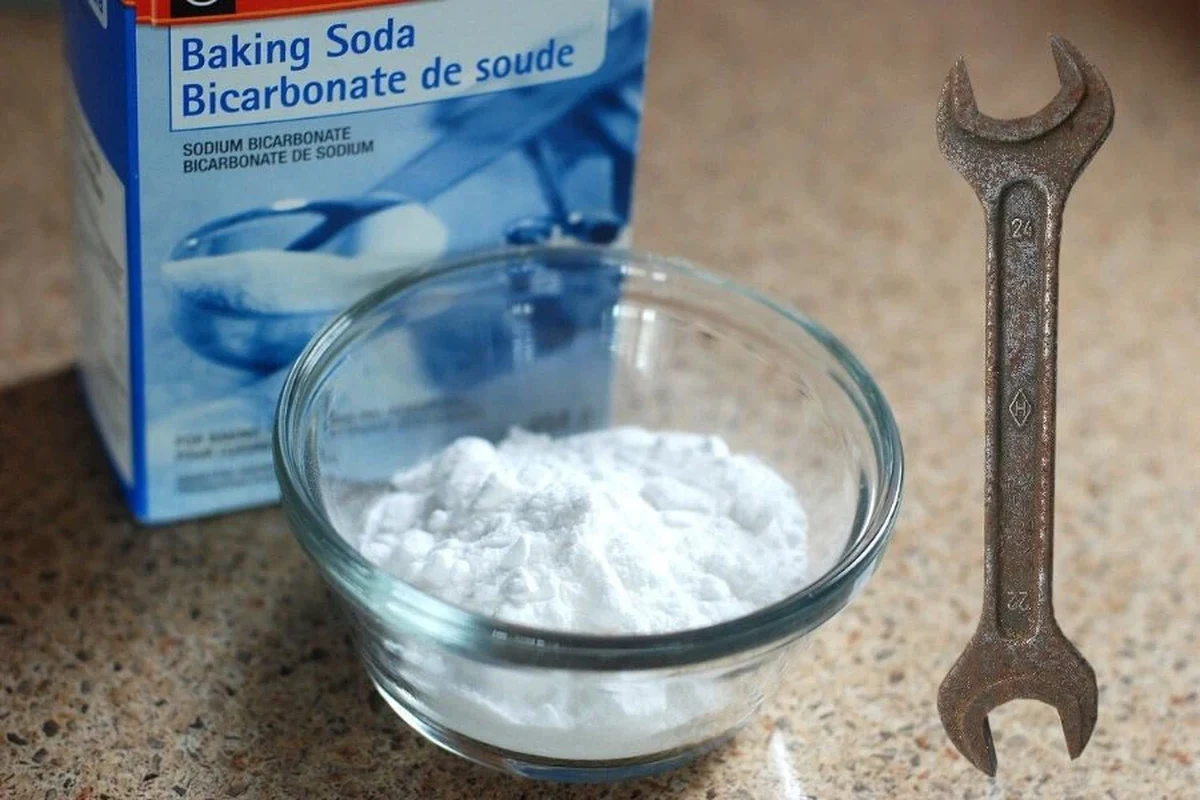
Baking soda helps with rust because it is mildly abrasive and alkaline. That means it can loosen surface rust without being as harsh as stronger chemicals, and it can help lift grime that often sits on top of corrosion.
For a basic cleaning approach, the goal is not to “melt” the rust away. Instead, you are softening the buildup, then gently scrubbing it off before the metal is dried and protected.
The science behind baking soda’s mild abrasive and alkaline action
Rust forms when iron or steel reacts with oxygen and moisture. Baking soda does not stop that reaction by itself, but it can help remove the loose oxidized layer and the greasy film that makes rust cling harder.
Because baking soda is only mildly abrasive, it is usually safer for everyday kitchen items than aggressive scouring powders. That said, it still needs a careful touch, especially on thin metal or finishes that scratch easily.
Rust often looks worse when the surface is damp. Even after cleaning, tiny leftover moisture spots can make corrosion return quickly if the item is not dried well.
When baking soda can help versus when rust is too deep to remove
Baking soda is a good choice for light orange spotting, small rust freckles, and early surface corrosion. It is also useful when you want a low-cost cleanup before trying stronger methods.
If the metal is pitted, flaking, or deeply rough, baking soda alone is usually not enough. In those cases, you may need sanding, soaking, a commercial rust remover, or replacement depending on the item and its condition.
- Low-cost and easy to find
- Gentle on many kitchen metals
- Good for light rust and surface grime
- Slow on heavy corrosion
- May not remove deep pitting
- Needs thorough drying to prevent return rust
Best Surfaces for Baking Soda Rust Removal in a Home or Kitchen Setting
In the kitchen, baking soda rust removal works best on small, practical items that can be washed, scrubbed, rinsed, and dried right away. Think of it as a maintenance method for everyday metal pieces, not a restoration fix for badly damaged cookware.
Metal tools, pans, racks, and small appliances that respond well
Items such as baking trays, wire racks, whisks, measuring spoons, cookie cutters, and some stainless-steel tools often respond well if the rust is light. Oven racks can also improve when the rust is only on the surface and the finish is still intact.
If you are cleaning baking equipment, this can be a useful companion to other kitchen-cleaning routines, such as baking soda vinegar cleaning ovens for baked-on residue. Just remember that rust and burnt-on grease are different problems, so the cleaning method should match the mess.
Surfaces to avoid or test first, including coated and delicate finishes
Always test a hidden spot first on coated, painted, plated, or decorative surfaces. Baking soda can dull shine or scratch fragile finishes if you scrub too hard, especially on thin plating or polished trim.
Be cautious with nonstick coatings, specialty enamel, and anything the manufacturer says should not be scrubbed with abrasives. If the item has a protective finish, the safest move is to follow the care instructions before using any rust-removal method.
Do not use baking soda on hot cookware or on electrical appliance parts that should not get wet. Unplug small appliances first, and keep water away from motors, cords, switches, and heating elements.
How to Remove Rust with Baking Soda Step by Step
The basic method is simple: make a paste, apply it to the rust, wait briefly, scrub gently, rinse, and dry completely. The exact mix depends on how much rust you are trying to lift and how delicate the item is.
- Confirm the item is safe to wet and scrub
- Gather a soft cloth, sponge, or nylon pad
- Have a dry towel ready for immediate drying
- Test a hidden area if the finish is delicate
Choosing the right paste ratio for light, medium, and stubborn rust
For light rust, start with a thicker paste: about 3 parts baking soda to 1 part water. For medium rust, use just enough water to make a spreadable paste that clings to the surface. For stubborn spots, you can let the paste sit longer or add a few drops of dish soap for better grip on greasy residue.
If you want a stronger reaction on certain items, a little vinegar or lemon juice can help loosen mineral buildup and rust film. That said, acid and baking soda can neutralize each other quickly, so use them with a purpose rather than mixing everything together at once.
For more on that reaction, see baking soda and vinegar reaction explained simply. Understanding that fizz helps set realistic expectations: it may help lift debris, but it is not a miracle rust eraser.
Use the least aggressive mix that works. Starting gentle protects the base metal and makes it easier to stop before you dull the surface.
Applying, waiting, scrubbing, rinsing, and drying correctly
Spread the baking soda mixture over the rusted area in a thin, even layer. Cover the spot fully, but do not cake on so much paste that it becomes hard to rinse away.
Give the paste a few minutes to loosen the rust and grime. If the spot is stubborn, rewet the paste lightly rather than letting it dry into a crust.
Use a soft cloth, nylon pad, or toothbrush and work in small circles. Stop as soon as the rust lifts and the surface feels smooth enough for the item’s finish.
Wash away all residue with clean water. Leftover paste can leave a chalky film that attracts moisture and makes the item look dull.
Use a clean towel right away, then air-dry the item completely if possible. This final step matters as much as the scrubbing because moisture is what lets rust return.
Practical examples for baking trays, whisks, measuring tools, and oven racks
For baking trays, focus on the rusted edges or underside first, since those areas often collect water after washing. A nylon pad is usually enough for light rust, and a towel dry right after rinsing helps prevent new spotting.
Whisks and measuring tools usually need a toothbrush or soft sponge so you can reach between wires, seams, and stamped markings. If a tool has decorative plating, keep the scrubbing short and gentle.
Oven racks can take a little more work, but they still need caution. If the rust is spread across large sections or the rack coating is failing, baking soda may improve the look but not fully restore the surface.
Wear gloves if the rusted edge is sharp or if you are scrubbing for a long time. Rusty metal can have rough spots that cut skin more easily than clean metal.
Ingredient and Tool Choices That Improve Results
Small changes in the cleaning setup can make baking soda rust removal work better. The right liquid, the right pad, and the right amount of pressure often matter more than using a stronger ingredient.
Using water, vinegar, lemon juice, or dish soap with baking soda
Water is the safest and most predictable option for most light rust jobs. It makes a paste that stays where you put it and is easy to rinse off when you are done.
Vinegar or lemon juice can help when rust is mixed with mineral residue or hard-water spots. Dish soap can improve slip and help lift greasy buildup on baking tools, which is useful when rust appears on items that also carry oil or batter residue.
If you are choosing among cleaning methods, it can help to compare them with other baking soda uses, such as baking soda for yellow stains or baking soda for shoes cleaning. The ingredient is versatile, but each surface needs a different level of pressure and moisture.
Best scrubbing tools: soft cloths, nylon pads, toothbrushes, and non-scratch sponges
Soft cloths are best for delicate finishes and for the final wipe-down. Nylon pads and non-scratch sponges are better when the rust is more visible but still shallow.
An old toothbrush is especially useful around seams, rivets, wire loops, and stamped numbers. Avoid steel wool unless the item truly needs aggressive abrasion, because it can scratch the surface and leave tiny metal bits behind.
When to use gloves, ventilation, and protective surfaces
Use gloves if you have sensitive skin or if you are working with vinegar, lemon juice, or rusted metal that feels rough. Ventilation is helpful when cleaning with acidic ingredients in a small kitchen, especially if you are also using other cleaners nearby.
Protect the counter with a towel or tray so runoff does not stain wood or stone. This is a simple habit, but it keeps the cleanup contained and reduces the chance of slipping on wet residue.
Common Mistakes That Make Rust Removal Slower or Less Effective
Most problems with baking soda rust removal come from rushing, scrubbing too hard, or leaving the item damp after cleaning. A careful method usually works better than a forceful one.
Scrubbing too aggressively and damaging the base metal
Hard scrubbing can remove the rust, but it can also remove the finish or thin the metal. That is especially risky on polished tools, coated pans, and anything with a decorative surface.
If the rust does not budge after a reasonable effort, stop and reassess instead of pressing harder. A stronger method may be needed, and forcing it can create a bigger repair job later.
Letting moisture sit and causing rust to return
Rust often comes back because the item was cleaned but not fully dried. Even a few drops trapped under a handle, in a seam, or along a rack joint can restart the corrosion process.
After rinsing, dry with a towel, then let air circulate around the item. For folded tools or wire pieces, open them up so hidden moisture can escape.
Using baking soda on rust that needs sanding, soaking, or a commercial remover
Deep rust usually needs a stronger approach than a paste and sponge. If the surface is flaky, pitted, or spreading, sanding or a commercial rust remover may be more effective.
For cookware and appliances, always follow the manufacturer’s care instructions first. If the item is valuable, specialty-coated, or part of a food-contact surface, it may be worth checking official guidance before using any abrasive method.
How to Prevent Rust from Coming Back After Cleaning
Rust prevention is mostly about moisture control. Once the metal is clean, your next job is to keep water, steam, and damp storage from reaching it again.
Drying, oiling, and storing metal items properly
Dry each item completely before putting it away. For uncoated metal tools and racks, a very light food-safe oiling may help protect the surface, but only use products that are appropriate for food-contact items and follow the label directions.
Store metal items in a dry place with room for air circulation. Crowded drawers, closed damp cabinets, and sink-side storage can all encourage corrosion.
Cleaning routines for humid kitchens, dish areas, and baking equipment
Humid kitchens and sink areas need faster drying routines. If you wash baking trays or tools often, make drying part of the same habit so the items are not left wet on a rack or towel for long periods.
For baking equipment that is used frequently, a quick wipe after washing can prevent the small orange spots that later become larger rust patches. This is especially helpful for racks, whisks, and measuring tools with joints or seams.
Simple maintenance habits for pans, racks, and tools used often
Inspect pans and racks every so often, especially around edges, corners, and welded joints. Those are the first places rust usually shows up because water lingers there longer.
Try to clean small spots early. Light corrosion is much easier to remove than rust that has had time to spread and roughen the surface.
When Baking Soda Is Not the Best Choice and What to Use Instead
Baking soda is a smart first try, but it is not the right answer for every rust problem. Knowing when to switch methods saves time and protects your cookware.
Heavily corroded cookware, cast iron, chrome, and specialty finishes
Heavily corroded cookware may need more than household cleaning, especially if the rust is deep or the surface is already damaged. Cast iron often needs its own care routine, and chrome or specialty finishes may require products made for those materials.
If you are unsure, check the item’s care instructions. Manufacturer guidance is the safest source for finishes, coatings, and appliance parts because the wrong cleaner can do more harm than the rust itself.
Comparing baking soda with vinegar, commercial rust removers, and replacement options
Baking soda is best for low-cost, low-risk cleanup on light rust. Vinegar can help with mineral buildup and some corrosion, while commercial rust removers are better for more serious cases when used according to the label.
Sometimes replacement is the practical choice, especially if the item is deeply pitted, unsafe, or no longer food-safe. That is often the right call for inexpensive tools that would take more time to restore than to replace.
Final Recommendation: Is Baking Soda Rust Removal Worth Trying First?
Yes, baking soda rust removal is worth trying first for light rust on many kitchen tools, pans, and racks. It is inexpensive, easy to control, and gentle enough to use as a first pass before moving to stronger methods.
If the rust is shallow, start with a paste, scrub lightly, dry thoroughly, and check the result before repeating. If the item is deeply corroded, coated, or valuable, decide early whether to restore it with a stronger method or replace it instead of wearing down the finish.
- Start with a mild paste and gentle pressure
- Rinse completely and dry at once
- Test delicate finishes before full cleaning
- Scrubbing so hard that you damage the metal
- Leaving the item damp after washing
- Using baking soda as the only fix for deep rust
If you want a fast, low-cost cleanup for surface rust, baking soda is a sensible first move. If the item still feels rough, looks pitted, or keeps rusting after drying, it is time to switch methods or consider replacement.
Frequently Asked Questions
Yes, it can help with light surface rust on many kitchen items. It works best when the rust is shallow and the item can be rinsed and dried right away.
You can, but the fizz is short-lived because the ingredients neutralize each other. It may help loosen debris, but it is usually not stronger than using either method with a clear purpose.
Avoid or test first on coated, painted, plated, or delicate finishes. Check the manufacturer’s care instructions for cookware, appliances, and specialty surfaces before scrubbing.
Dry the item completely, store it in a dry place, and avoid leaving it in humid areas. For some uncoated metal items, a light food-safe oil may help if the product instructions allow it.
If the metal is pitted, flaky, or heavily corroded, baking soda usually will not remove all of it. In those cases, sanding, a commercial rust remover, or replacement may be more appropriate.
It is often used on food-contact items, but you should still rinse thoroughly and dry well. Always follow the cookware maker’s instructions, especially for nonstick, coated, or specialty finishes.