Baking soda can help clean berries by loosening surface dirt and residue, but it should be used as a brief soak followed by a thorough rinse. Dry the berries well and refrigerate them promptly to keep them fresher for longer.
If you want cleaner, fresher berries without using harsh products, a baking soda wash is a simple kitchen method that can help remove surface dirt and some residue. Here is how to clean berries with baking soda the right way, along with the limits, storage tips, and safety notes that matter most.
- Best use: A mild baking soda wash works well for dusty or heavily handled berries.
- Handle gently: Raspberries and blackberries bruise easily, so keep the soak brief.
- Rinse matters: A final cool-water rinse prevents chalky residue and off-flavor.
- Storage rule: Dry berries fully and chill them soon after washing.
- Safety limit: Baking soda cleans surfaces, but it does not sanitize produce.
Why Baking Soda Is Used to Clean Berries Before Eating
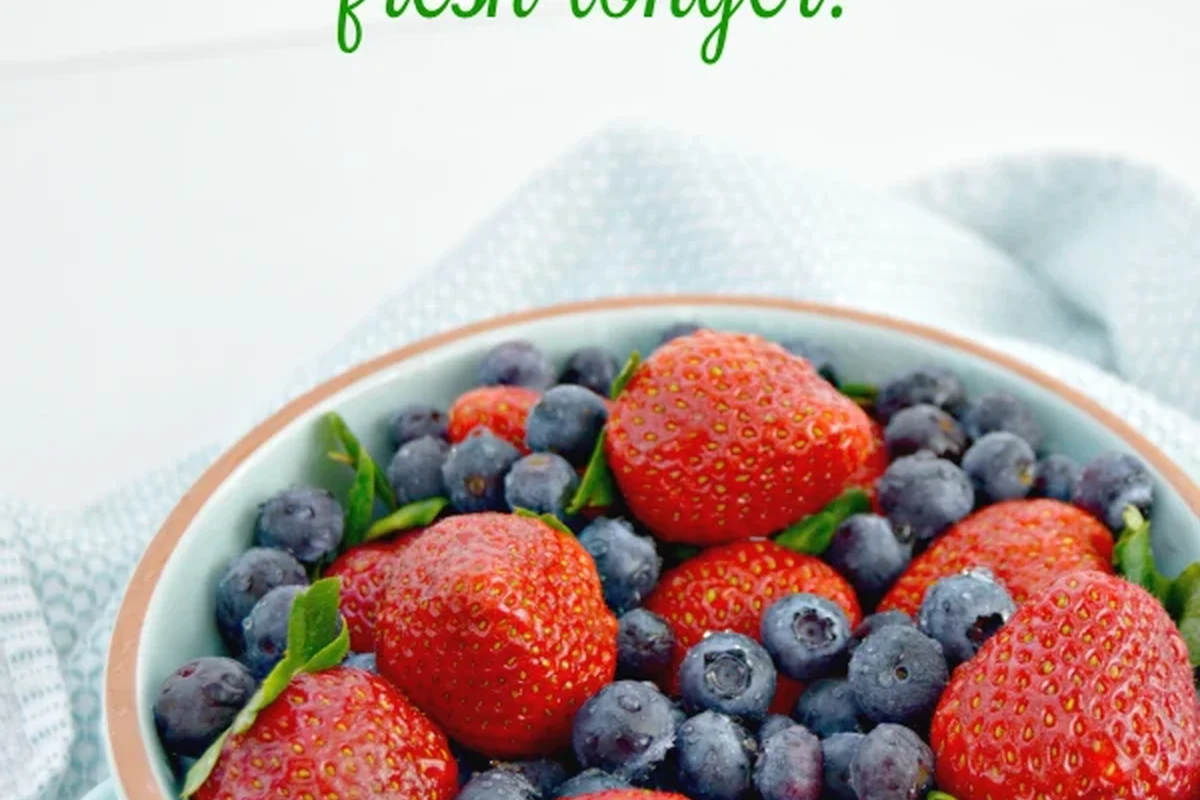
Baking soda is popular because it helps loosen surface grime from fruit skins and delicate crevices where dirt can cling. It is not a sanitizer, but it can be a practical step for removing visible debris and helping berries feel cleaner before you eat or bake with them.
What baking soda does to surface dirt, residue, and wax
A mild baking soda solution can help break up sticky residue on berry surfaces, especially on firmer fruit like strawberries and blueberries. It may also help lift some waxy film or field dust, though it will not remove every contaminant and it does not replace proper food handling.
For berry prep, the main benefit is mechanical: the soak and gentle swishing help loosen material so it rinses away more easily. If you also want to understand how baking soda behaves in other cleaning jobs, see our guide on baking soda and vinegar reaction explained simply and how it works in everyday kitchen cleaning.
Why this method is popular in 2026 food safety routines
In 2026, many home cooks want low-cost, low-odor cleaning methods that fit into normal produce prep. Baking soda is easy to keep in the pantry, and the process is quick enough for weekday breakfasts, lunch boxes, and dessert prep.
Food safety guidance from recognized sources like the USDA and FDA still matters most. A baking soda wash can support good produce handling, but it does not replace washing hands, keeping berries cold, or discarding spoiled fruit.
Which Berries Benefit Most from a Baking Soda Wash
Not every berry needs the same level of cleaning. The best candidates are berries with more surface texture, berries sold in open clamshells, and mixed cartons where dirt from one fruit can transfer to another.
Strawberries, blueberries, raspberries, blackberries, and mixed berry cartons
Strawberries usually benefit the most because their textured surface can hold dirt near the seeds. Blueberries often need only a gentle rinse unless they look dusty, while raspberries and blackberries are more delicate and should be handled carefully so they do not collapse.
Mixed berry cartons are common in grocery stores and farmers markets, and they can contain fruit at different ripeness levels. In that case, a quick sorting step before washing helps you remove damaged pieces that could spread moisture and speed spoilage.
When a gentle rinse is enough and when a deeper wash makes sense
If the berries are very fresh, visibly clean, and you plan to eat them right away, plain cool water may be enough. A deeper baking soda wash makes more sense when berries look dusty, have been handled a lot, or came from open packaging where debris is more likely.
Raspberries and blackberries bruise easily because their cells are loosely attached. A quick soak and gentle lift is usually safer than aggressive scrubbing.
How to Clean Berries with Baking Soda Step by Step
The safest approach is a brief soak, gentle movement, and a thorough rinse. You want to clean the berries without leaving them waterlogged, because excess moisture is one of the fastest ways to shorten shelf life.
Recommended ratio of baking soda to water for a safe soak
A common home-kitchen approach is a small amount of baking soda in a large bowl of cool water, enough to make the water lightly alkaline without turning it cloudy or gritty. Exact amounts can vary by bowl size, but the goal is a mild solution, not a heavy paste or strong cleaner.
Do not use a large amount of baking soda. Too much can leave a soapy or chalky taste, and it can make the fruit harder to rinse clean.
Soaking time, gentle agitation, and how to avoid crushing delicate fruit
Add the berries to the bowl and let them sit briefly, then gently swirl them with clean hands for a few seconds. For softer berries like raspberries, keep the soak short and lift them carefully with a strainer or slotted spoon rather than pouring them around in the bowl.
Remove moldy, leaking, or badly bruised berries before washing. One damaged berry can speed spoilage in the rest of the container.
Fill a bowl with cool water and add a small amount of baking soda. Stir until it dissolves as much as possible.
Place the berries in the bowl and move them lightly through the water. Avoid squeezing or stirring hard enough to crack the skins.
Transfer the berries to a colander and rinse under cool running water to remove loosened residue and any leftover baking soda.
Spread the berries on clean paper towels or a lint-free towel and let them air-dry before storing or serving.
Rinsing thoroughly and drying berries for better freshness
Rinsing matters because any baking soda left behind can affect flavor and texture. Drying matters because moisture trapped between berries can encourage mold, especially in raspberries and blackberries.
If you are also building better pantry habits around baking ingredients, our article on does baking soda expire and when to replace it is useful for checking whether your box is still fresh enough for kitchen use.
Common Mistakes That Can Make Berries Spoil Faster
Most berry spoilage after washing comes from too much water, too much handling, or washing too early. A careful method keeps the fruit clean without creating a damp container that encourages mold.
Using too much baking soda or soaking too long
Heavy baking soda use can leave residue and may make berries taste flat or slightly bitter. Long soaking also softens the fruit, which is a problem for berries that already have thin skins and delicate flesh.
The berries taste chalky or feel slippery after washing.
Use less baking soda, shorten the soak, and rinse longer under cool running water.
Washing berries before storage instead of right before use
Washing too early adds moisture that can shorten storage life. If you are not serving the berries soon, keep them unwashed in the refrigerator and clean only the portion you need.
Skipping the final rinse and leaving a chalky residue
A final rinse is essential. Without it, baking soda can cling to tiny berry surfaces and leave a dry, powdery coating that changes the flavor of fresh fruit and can be noticeable in desserts.
Always wash berries in a clean bowl and with clean hands. Cross-contamination from dirty counters, sinks, or utensils can undo the benefit of the wash.
Food Safety and Handling Tips for Fresh Berries
Cleaning berries is only one part of safe produce handling. Good refrigeration, clean tools, and careful sorting are just as important for keeping fruit safe and appealing.
How this method fits into everyday produce-washing habits
A baking soda wash fits best as a routine step for berries you plan to eat soon, top with yogurt, fold into pastry fillings, or use in chilled desserts. It is a simple habit that works well alongside handwashing, clean prep surfaces, and cold storage.
If you like practical kitchen cleaning methods, you may also find our guide to clean drains with vinegar and baking soda fast and easy helpful for understanding when baking soda is useful outside the bowl as well.
When to discard moldy, damaged, or overly soft berries
Throw away berries with visible mold, leaking juice, or a strong fermented smell. For very soft berries, the problem is often already damage inside the fruit, so washing will not restore freshness.
- Sort berries before washing
- Use clean utensils and containers
- Chill cleaned berries promptly
- Rinsing moldy fruit and saving it
- Leaving washed berries at room temperature
- Mixing clean berries with damaged ones
Safe handling for kids, meal prep, and berry-based desserts
For kids, keep the process simple: sort, wash, rinse, dry, and serve. For meal prep, clean only what you can use in a short window so the berries stay firm for snacks, parfaits, and baking.
When berries go into desserts, dry fruit is especially important. Extra surface moisture can thin whipped cream, soften tart crusts, and make cake layers soggy faster than expected.
How to Store Cleaned Berries for Maximum Freshness
Once berries are clean, the goal is to remove as much surface moisture as possible and keep air moving around the fruit. That helps slow mold and preserves a better texture for eating and baking.
Drying methods, paper towel lining, and airflow in containers
After rinsing, spread berries in a single layer on paper towels or a clean towel. If you store them in a container, line it with paper towels and leave a little room for airflow instead of packing the berries tightly.
Refrigeration timing and how long different berries typically last
Refrigerate cleaned berries as soon as they are dry. Exact storage life depends on the berry type, ripeness, and how gently they were handled, but firmer berries usually hold up longer than very delicate ones.
Storage time can vary a lot with berry freshness at purchase, refrigerator temperature, and how much moisture remains after washing. Use smell, look, and texture together rather than relying on time alone.
Signs berries are past their best after washing
Watch for mold, a sour smell, sticky juice, or berries that collapse when touched. If several berries in a container are soft or leaking, it is usually better to discard the whole batch rather than sort through each piece.
Baking Soda vs. Other Berry-Cleaning Methods
There is no single best cleaning method for every situation. The right choice depends on how dirty the berries look, how delicate they are, and whether convenience or deeper cleaning matters more to you.
Plain water rinse versus baking soda wash
A plain water rinse is often enough for fresh-looking berries that will be eaten soon. A baking soda wash gives you a little more cleaning action when the fruit has visible dust or came from open packaging.
Vinegar washes, produce sprays, and commercial fruit cleaners
Vinegar washes are often used for produce cleaning, but they can leave a noticeable flavor if not rinsed well. Commercial fruit cleaners are made for produce use, but you should still follow the label directions and check whether the product is meant for berries specifically.
For readers comparing pantry cleaning approaches, our guide on using baking soda instead of baking powder safely explains why baking soda works differently depending on the job.
Best use cases based on berry type, budget, and convenience
Baking soda is a strong choice when you want a cheap, easy method for strawberries and mixed berry cartons. Plain water is usually the fastest option for delicate berries, while specialty cleaners make more sense only if you already use them and follow the label carefully.
- Low cost and easy to find
- Good for a gentle surface clean
- Works with common kitchen tools
- Not a sanitizer
- Can leave residue if not rinsed well
- Delicate berries can bruise easily
When to Use This Method and When to Choose a Simpler Rinse
Use a baking soda wash when the berries need a little extra cleaning and you are ready to dry and serve them soon after. Choose a simple rinse when the fruit is already very clean, very delicate, or you want the quickest possible prep.
Practical examples for grocery store berries, farmers market berries, and frozen-thawed fruit
Grocery store strawberries often benefit from a brief baking soda wash because they may carry dust from handling and transport. Farmers market berries may be fresher, but they can also have more field residue, so a careful soak can still be useful.
Frozen-thawed berries are different because they are already softened by ice crystals and thawing. In that case, a gentle rinse is usually better than a soak, since extra handling can turn them mushy very quickly.
Final recap on the best cleaning approach for freshness and everyday use
For most home kitchens, the best approach is simple: sort the berries, use a mild baking soda soak when needed, rinse thoroughly, and dry them well before chilling. That method gives you a clean, practical result without overcomplicating berry prep.
If you want the shortest answer, this is it: use baking soda for a gentle surface clean, but keep the soak brief and the rinse thorough. When berries are already clean and delicate, plain cool water is often the better choice for freshness.
For the best texture, clean only the berries you plan to use soon. Less moisture in storage usually means firmer fruit and fewer spoiled berries.
Frequently Asked Questions
Use only a small amount in a bowl of cool water so the wash stays mild. Too much baking soda can leave residue and affect flavor.
No, a short soak is better for most berries. Long soaking can soften the fruit and make it spoil faster.
Yes, a final rinse is important to remove loosened dirt and any leftover baking soda. Skipping it can leave a chalky taste or texture.
Raspberries and blackberries bruise very easily, so they should be swished briefly and lifted carefully. Strawberries and blueberries can usually handle a little more movement.
It is usually better to wash berries right before use. Washing too early adds moisture that can shorten storage life.
No, baking soda helps clean the surface but does not sanitize produce. Safe handling, refrigeration, and discarding spoiled fruit are still important.
