
Trader Joes Baking Soda Uses Benefits and Tips

Trader Joe’s baking soda is a dependable pure sodium bicarbonate option for baking, cleaning, and deodorizing. Its performance depends more on freshness, measurement, and recipe balance than on the store brand.
Trader Joe’s baking soda is a simple pantry staple, but it can do a lot more than sit in the back of a cabinet. In baking, it helps lift batters, deepen browning, and balance flavor; around the kitchen, it is also useful for deodorizing and light cleaning when used correctly.
- Best use: Works well in recipes with acid, such as banana bread, muffins, and cookies.
- Measurement matters: Small overages can cause bitter flavor, poor rise, or odd browning.
- Storage counts: Keep it dry and sealed to preserve potency.
- Not interchangeable: Baking soda and baking powder are different ingredients.
What Trader Joe’s Baking Soda Is and How It Differs from Other Grocery-Store Options
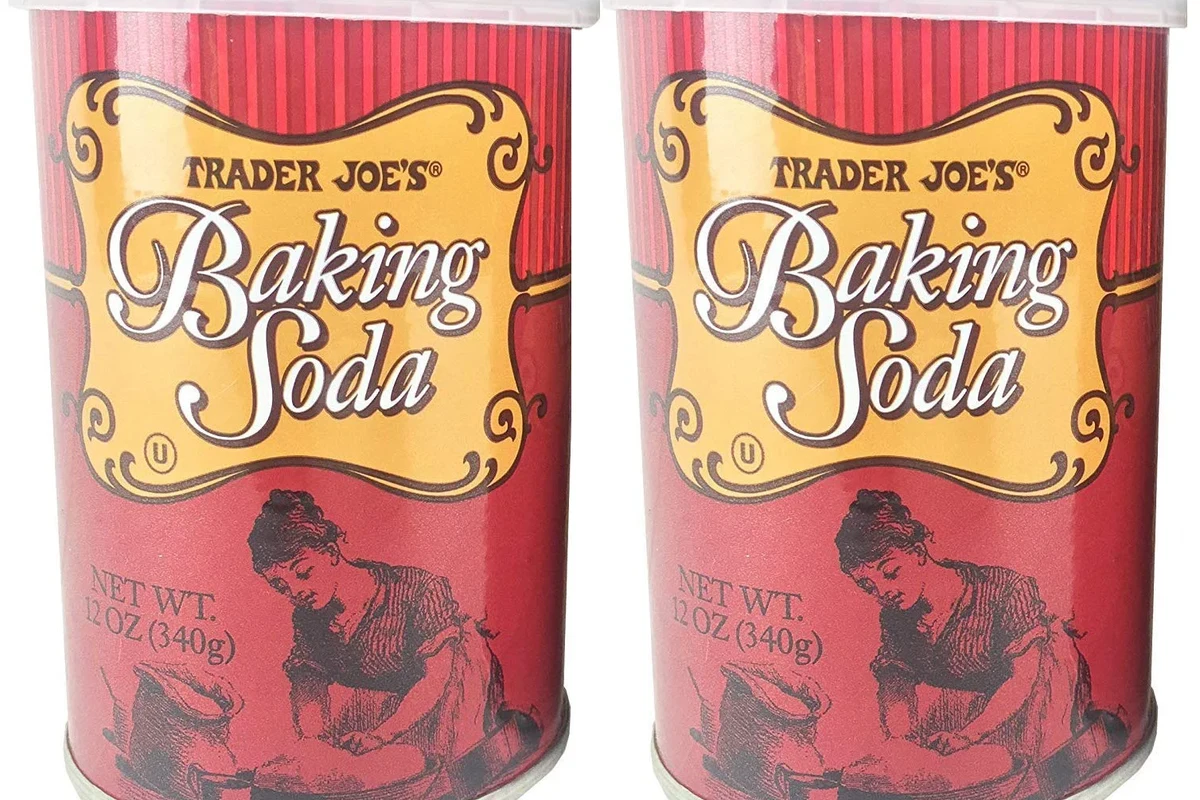
Trader Joe’s baking soda is a store-brand version of sodium bicarbonate, the same basic ingredient found in most baking soda products. On the label, “baking soda” means the product is meant for food use, but it can also be used for common household tasks when the recipe or cleaning method calls for it.
Packaging is usually straightforward: a box or similar container that protects the powder from moisture and odor pickup. Like other brands, the main thing to check is that the ingredient list is plain sodium bicarbonate, with no added acids or flavorings.
Ingredient basics, packaging, and what “baking soda” means on the label
Baking soda is an alkaline ingredient, which means it reacts with acids. That reaction creates carbon dioxide gas, and those bubbles help baked goods rise. It also changes the pH of the batter, which can affect color, flavor, and tenderness.
Because it is a single-ingredient product, there is usually little functional difference between store brands and name brands in everyday baking. The practical difference is often packaging, price, and how fresh the product is when you buy it.
How Trader Joe’s store-brand baking soda compares with name brands for baking and cleaning
For most home bakers, trader joe’s baking soda should perform the same way as other food-grade baking soda if it is fresh and measured correctly. In cookies, muffins, and quick breads, the result depends more on the recipe balance than on the logo on the box.
For cleaning, the same basic ingredient still applies, but results depend on the surface, amount of moisture, and whether you are using it alone or with another cleaner. If you want a deeper explanation of the reaction that makes many DIY cleaning methods work, see our guide to the baking soda and vinegar reaction.
- Usually affordable and easy to find
- Works the same as other pure sodium bicarbonate in most recipes
- Useful for both baking and household tasks
- Performance drops if it absorbs moisture or odors
- Can ruin recipes if measured inaccurately
- Not a substitute for baking powder in every recipe
Why Bakers Use Baking Soda: Leavening, Browning, and Flavor Balance
Baking soda does three important jobs in the kitchen. It helps doughs and batters rise, it speeds browning, and it can soften sharp acidic flavors when the formula is balanced.
That is why it shows up in recipes with brown sugar, yogurt, buttermilk, sour cream, molasses, citrus, or cocoa. Those ingredients provide the acid baking soda needs to work well.
How baking soda reacts with acidic ingredients in cookies, cakes, and quick breads
When baking soda meets an acid and moisture, it starts releasing gas right away. Heat in the oven then expands those bubbles, giving the batter lift and a lighter crumb.
In cookies, this can encourage spread and browning. In cakes and quick breads, it can help create a more open texture, especially when the batter includes enough acid to activate it fully.
Baking soda is much stronger than baking powder, so even a small measuring mistake can change the texture, taste, and rise of a recipe.
What happens when the formula is off: flat bakes, soapy taste, or uneven rise
If there is too little acid, too much baking soda may stay unreacted and leave a soapy or metallic taste. If there is too little baking soda, the batter may rise less and bake up dense or flat.
Uneven mixing can also create streaks of bitterness or pockets that brown too fast. In other words, baking soda is not just a “more is better” ingredient; it works best when the whole formula is in balance.
Best Baking Uses for Trader Joe’s Baking Soda in Everyday Recipes
Trader Joe’s baking soda is a strong fit for everyday home baking because most common recipes use small, precise amounts. It is especially useful in recipes where acidity is already built in.
If you are unsure whether a recipe should use baking soda or baking powder, our guide on using baking soda instead of baking powder safely explains the difference in practical terms.
Helps with spread, browning, and a slightly crisper edge when the recipe includes brown sugar or another acid.
Pairs well with ripe bananas and gives a reliable lift in quick breads without yeast.
Supports a light, tender crumb when the batter has buttermilk, yogurt, or another acidic ingredient.
Cookies, muffins, pancakes, and banana bread: where it performs best
Chocolate chip cookies, ginger cookies, snickerdoodles, muffins, pancakes, and banana bread are some of the most reliable places to use baking soda. These recipes often include ingredients that provide enough acid for a good reaction.
In plain vanilla cakes or neutral batters, baking soda may not be the right choice unless the recipe includes an acid. That is where baking powder often becomes the better lift source.
When baking soda is the right choice versus baking powder or a combination of both
Baking soda is best when the recipe already has acidity and you want browning plus lift. Baking powder is better when the batter has little or no acid because it includes both an alkaline base and its own acid component.
Some recipes use both. That combination can give an initial lift from baking powder and extra browning or flavor balance from baking soda.
Best for acidic batters like buttermilk pancakes, molasses cookies, and banana bread with very ripe fruit.
Best for recipes that need extra lift but still benefit from the browning and flavor control of baking soda.
Measurement Tips and Substitution Rules for Accurate Results
With baking soda, accuracy matters more than with many other pantry ingredients. A small change in amount can affect taste, color, and texture.
How to measure baking soda correctly by teaspoon and avoid overuse
Scoop baking soda lightly into a dry measuring spoon, then level it off. Do not pack it down, and do not estimate by eye unless the recipe is very forgiving.
If a recipe calls for a small amount, even a little extra can leave an alkaline aftertaste. If you bake often, it helps to keep your measuring spoons close and use the same method every time.
- Check that the recipe actually calls for baking soda
- Confirm there is an acidic ingredient in the formula
- Use dry measuring spoons and level them off
- Make sure the box is fresh and dry
Common substitution mistakes when swapping brands or confusing baking soda with baking powder
Brand-to-brand swaps are usually fine if the ingredient is pure sodium bicarbonate. The bigger risk is confusing baking soda with baking powder, which are not interchangeable in equal amounts.
For a deeper breakdown of that swap, see our article on whether baking soda and baking powder are the same. If you need a quick reference for replacement amounts, our guide to the equivalent of baking soda can also help.
Do not substitute baking soda for baking powder unless the recipe is specifically designed for it. The chemistry is different, and the finished texture can change a lot.
Non-Baking Uses: Cleaning, Deodorizing, and Household Safety
Trader Joe’s baking soda can be useful outside the oven, especially for mild deodorizing and light scrubbing. It is not a miracle cleaner, but it can help with everyday kitchen maintenance.
Practical uses around the kitchen, fridge, sink, and baking tools
You can place an open container in the fridge to help absorb odors, or use a small amount on a damp sponge to freshen sinks and baking tools. It can also help loosen stuck-on residue on some surfaces when used gently.
For more household ideas, our article on baking soda in laundry benefits covers another common use, and our guide to cleaning ovens with baking soda and vinegar explains when that method makes sense.
What not to mix with baking soda and where it should not be used
Be careful when mixing cleaners. Some combinations can create irritating fumes or cancel out the cleaning action you expected. If you are not sure whether a combination is safe, check the product label and follow guidance from the manufacturer or a trusted public health source.
Avoid using baking soda on delicate surfaces that can scratch easily, and do not treat it as a substitute for proper food safety cleaning when sanitizing cutting boards or counters. For raw flour, eggs, and other kitchen safety concerns, follow recognized food-safety guidance rather than relying on DIY shortcuts.
Keep baking soda away from direct contact with hot oil or strong chemical cleaners unless the method specifically calls for it. Always ventilate the area and read labels before mixing products.
Storage, Freshness, and How to Tell If It Still Works
Baking soda lasts best when it stays dry, sealed, and away from strong odors. Moisture is the biggest enemy because it can reduce performance and cause clumping.
Best storage conditions for maintaining potency in a pantry or sealed container
Keep the box closed tightly, or transfer the soda to an airtight container if the original package is no longer secure. Store it in a cool, dry pantry, not above a steaming stove or near a dishwasher.
If you use baking soda for both baking and deodorizing, it is often smart to keep a separate box for cleaning so the baking supply stays fresher and less odor-exposed.
Simple freshness test and signs that baking soda may be past its best use
A simple freshness test is to add a small amount of baking soda to vinegar or another clearly acidic liquid. If it fizzes readily, it is still active enough for most kitchen uses.
Clumping does not always mean it is bad, but a weak reaction or a stale odor can suggest it has absorbed too much moisture or has been stored too long. If you want a fuller guide, see our article on whether baking soda expires.
Measure the soda carefully and make sure the recipe contains enough acid to activate it.
Heat expands the gas bubbles and sets the structure of the crumb.
Let the baked good set before cutting so the texture finishes stabilizing.
Common Mistakes Home Bakers Make with Trader Joe’s Baking Soda
Most baking soda problems come from formula imbalance, not from the brand itself. If a recipe fails, the first place to look is usually the amount, the acidity, or the freshness of the ingredient.
Using too much, using too little, or adding it without enough acid
Too much baking soda can make baked goods taste bitter or soapy. Too little may leave the batter dense and under-risen.
Adding it without enough acid can also create a poor rise because the reaction will not fully develop. If you are adjusting a recipe, change one variable at a time and keep notes so you can track the result.
Your muffins rise in the oven but collapse after cooling.
This can happen when the batter has too much leavening, not enough structure, or an oven that runs cool. Check your measurements, verify oven temperature, and avoid overmixing the batter.
Ignoring recipe balance, expiration concerns, and texture problems in finished bakes
Recipe balance matters because baking soda affects more than height. It can change color, spread, and crumb tenderness, especially in cookies and quick breads.
If your baked goods are consistently flat, dark, or oddly flavored, check the freshness of the soda, the oven calibration, the pan material, and the mixing method. Small process changes often matter more than the brand name on the package.
Final Verdict: Who Trader Joe’s Baking Soda Is Best For and When to Choose It
Trader Joe’s baking soda is a practical choice for budget-conscious home bakers who want a straightforward pantry staple. It is also useful for basic household deodorizing and light cleaning when used carefully.
Ideal use cases for budget-conscious home bakers and everyday kitchen tasks
If you bake cookies, muffins, pancakes, banana bread, or other recipes that call for sodium bicarbonate, this product should fit well as long as it is fresh and measured correctly. It is especially sensible for everyday baking where you want reliable performance without paying extra for a premium label.
Recap of performance, value, and what to check before buying or using it
Before buying or using trader joe’s baking soda, check that it is pure sodium bicarbonate, that the package is dry and intact, and that your recipe includes the right acid balance. If you want to compare it with another store-brand option, our baking soda review and related ingredient guides can help you think through freshness, value, and use case.
For most home kitchens, Trader Joe’s baking soda is a dependable, low-cost ingredient with the same core function as other pure baking soda brands. Choose it for baking and household tasks when you want simple performance, but always verify freshness and use the right recipe balance.
Frequently Asked Questions
Yes, if it is pure sodium bicarbonate and the recipe is designed for baking soda. The bigger issue is whether the recipe has enough acid to activate it properly.
Use a dry measuring spoon and level it off without packing it down. Even small overages can affect flavor and browning.
No, they are not the same ingredient and do not work the same way. Equal swaps can cause texture and taste problems unless the recipe is specifically adjusted.
Store it in a cool, dry pantry in a tightly sealed container. Keep it away from moisture and strong odors.
A small fizz test with vinegar or another acidic liquid can show whether it still reacts. Weak fizzing or stale storage conditions may mean it is past its best use.
It can be used for light cleaning and deodorizing, but it is not a sanitizer. Follow food-safety guidance for surfaces that contact raw food.