
Baking Soda Face Wash Benefits for Clearer Skin
Baking soda face wash may make skin feel cleaner for a moment, but it can also irritate and dry out the skin. For most people, a gentle pH-balanced cleanser is the safer choice for clearer-looking skin.
Baking soda face wash is a DIY skincare idea people try when they want skin to feel cleaner, less oily, or smoother. It can seem simple and inexpensive, but it also comes with real skin-barrier risks that are easy to miss.
- Temporary effect: Baking soda can remove surface oil and residue quickly.
- Main risk: Its alkalinity can disrupt the skin barrier and cause irritation.
- Best use case: If tried at all, it should be diluted, patch-tested, and used rarely.
- Safer option: A gentle facial cleanser is usually better for daily skincare.
- Stop signs: Burning, redness, tightness, or flaking mean the product should be rinsed off.
What Baking Soda Face Wash Is and Why People Search for It
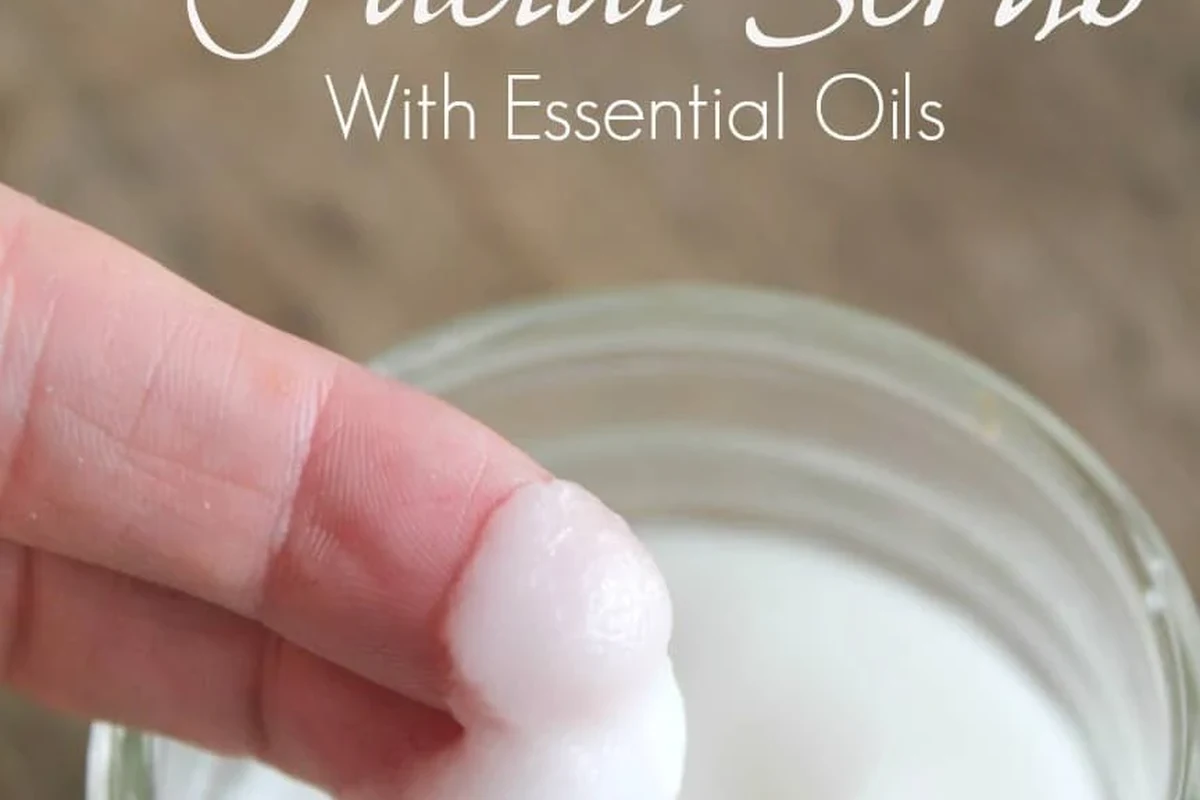
A baking soda face wash is usually a homemade mix of baking soda and water, or baking soda blended into a cleanser. People use it like a quick scrub or cleansing paste, hoping it will lift oil, residue, and rough texture from the skin.
This topic stays popular because DIY beauty searches often rise when people want low-cost options or fast fixes. It also gets attention because baking soda is already familiar in the kitchen and home, which makes it feel like a convenient skincare shortcut. For readers who like simple ingredient science, it is a little like learning why the baking soda and vinegar reaction behaves so differently from a normal cleaning mix.
How baking soda is used in DIY skincare routines
Most DIY versions use a small amount of baking soda mixed with water to form a thin paste. Some people apply it to the whole face, while others use it only on the T-zone or on areas that feel greasy after sunscreen or makeup.
In practice, the appeal is similar to a quick pantry remedy: easy to make, easy to rinse, and easy to repeat. The problem is that facial skin is not the same as a sink or countertop, so a mix that feels “strong” can be too aggressive for daily use.
Why the topic keeps trending in 2026 beauty searches
Beauty searches in 2026 continue to favor affordable, minimalist routines, especially for oily or acne-prone skin. Baking soda also trends because social media often frames harsh-feeling products as “deep cleaning,” even when that feeling does not mean the skin is healthier.
People also search for it after seeing claims about exfoliation, brightening, or odor removal. Those claims are part of why baking soda face wash keeps resurfacing, even though the skin science behind it is not as simple as the trend posts make it sound.
Possible Benefits People Hope to Get from a Baking Soda Face Wash
There are a few reasons people are drawn to this DIY method. Some are about how the skin feels right after washing, while others are about the short-term appearance of oil or residue.
Oil control and the appeal of a deeper-clean feeling
Baking soda can help cut through surface grime and leave skin feeling squeaky clean. For someone with oily skin, that temporary clean feeling can seem like proof that the wash is working well.
The catch is that “less oily” immediately after washing does not always mean better skin health. Sometimes it means the skin has been stripped, which may trigger more dryness or rebound oiliness later.
Healthy facial skin is naturally slightly acidic. That acidity helps support the skin barrier and makes it harder for irritation-causing microbes to thrive.
Exfoliation claims and what “smooth skin” usually means
Because baking soda has a fine, gritty texture, it can act like a physical exfoliant. That can make skin feel smoother right away, especially if there is dead-skin buildup or a rough patch on the surface.
But smoothness from a scrub is not always the same as true skin improvement. If the particles are rubbed too hard, the skin may feel polished for a few hours and then become tight, red, or flaky later.
Temporary odor or residue removal after sweat, makeup, or sunscreen
Some people use baking soda after a workout or after a long day because it seems to remove sweat odor, makeup residue, or sunscreen film. That can be useful in the moment, especially when the skin feels coated and a regular cleanser is not available.
Still, temporary residue removal is not a strong reason to use a harsh DIY wash regularly. If the goal is to remove sunscreen or makeup, a gentle cleanser made for the face is usually the safer choice.
How Baking Soda Works on Skin: pH, Texture, and Skin Barrier Concerns
The biggest issue with baking soda face wash is not just the texture. It is also the way baking soda interacts with the skin’s pH and protective barrier.
Why baking soda is much more alkaline than healthy facial skin
Baking soda is alkaline, while facial skin is naturally more acidic. That difference matters because the skin barrier works best when its surface stays in a narrow, healthy range.
When a product is much more alkaline than the skin, it can disrupt the outer layer that helps hold moisture in and irritants out. That is one reason a baking soda face wash may feel cleansing at first but still be too harsh for regular use.
Baking soda is not the same as a pH-balanced facial cleanser. If your skin stings, feels tight, or turns red after use, rinse it off and stop using it.
How overuse can affect dryness, irritation, and barrier damage
Overuse can leave the face dry, rough, or more sensitive than before. Once the barrier is stressed, even water, fragrance, or a mild cleanser can start to sting.
That is a common failure pattern with DIY exfoliating routines: the skin seems cleaner for a short time, then becomes more reactive over the next few days. If someone keeps scrubbing to chase that clean feeling, the irritation can build quickly.
Which skin types are most likely to react badly
People with dry, sensitive, or mature skin are more likely to have trouble with baking soda face wash. Skin that already sheds easily or feels tight after cleansing is usually a poor match for alkaline DIY products.
Those with eczema, rosacea, or a damaged barrier are also at higher risk of discomfort. Even oily skin can react badly if the product is used too often or left on too long.
- May remove surface oil and residue quickly
- Can create a temporary smooth feel
- Uses an inexpensive pantry ingredient
- Can disrupt the skin barrier
- May cause dryness or irritation
- Not ideal for frequent use or sensitive skin
How to Use Baking Soda in a Face Wash Safely, If Someone Chooses to Try It
The safest approach is to treat this as an occasional experiment, not a daily skincare step. It is also smart to patch-test first, because facial skin can react differently than the skin on your hand or arm.
Recommended dilution and patch-test approach
Use a very small amount of baking soda mixed with plenty of water so the texture is loose, not paste-like and abrasive. A patch test on a small area near the jawline or behind the ear can help reveal whether the skin reacts before you put it on your whole face.
Wait long enough to watch for redness, burning, or itching before trying it again. If a product or DIY mix feels strongly irritating during the patch test, that is a clear sign to skip it.
Gentle application steps and contact-time limits
Apply the diluted mix with light fingertips, not a rough cloth or scrub brush. Use small circular motions with very little pressure, then rinse well with lukewarm water.
Keep contact time short. If the skin starts to tingle, sting, or feel hot, do not “push through” the sensation just to finish the routine.
Combine a small amount of baking soda with enough water to make a thin, spreadable liquid.
Apply to a small area and watch for redness, burning, or itching before using it on the face.
Massage gently for a short time, then rinse thoroughly and follow with a simple moisturizer if the skin feels dry.
When to stop immediately and rinse thoroughly
Stop right away if the skin burns, stings, turns bright red, or feels raw. Rinse with plenty of cool or lukewarm water and avoid adding more product to “balance it out.”
If irritation continues after rinsing, avoid other active products that day. A basic, fragrance-free moisturizer is usually a better follow-up than another exfoliant.
Common Mistakes People Make with Baking Soda Face Wash
Most problems come from overdoing it. The product itself is only part of the issue; how often it is used and what it is combined with also matters.
Using it too often or scrubbing too hard
Frequent use can slowly wear down the skin barrier. Scrubbing hard can make that happen faster, especially around the nose, chin, and cheeks where skin may already be more delicate.
If the goal is clearer-looking skin, more pressure is usually the wrong direction. Gentle cleansing tends to work better than force, much like careful mixing in baking prevents a batter from turning tough.
Combining it with acids, retinoids, or harsh cleansers
Mixing baking soda face wash with acids, retinoids, or strong foaming cleansers can increase irritation. That combination may sound like a stronger solution, but skin often responds by getting drier and more reactive.
If you already use active ingredients in your routine, adding a harsh DIY scrub can push the skin past its comfort zone. In that case, a simpler cleanser is usually the safer move.
Applying it to acne, eczema, rosacea, or broken skin
Baking soda should not be used on broken, inflamed, or actively irritated skin. Acne lesions, eczema patches, and rosacea flare-ups can all sting more when exposed to an alkaline scrub.
If the skin is already compromised, the better choice is to protect the barrier first. For readers who also like practical household ingredient guides, our article on using baking soda instead of baking powder safely shows how an ingredient can behave very differently depending on the job it is given.
Safer Skin-Cleansing Alternatives for Clearer-Looking Skin
If the real goal is clearer-looking skin, there are gentler ways to get there. A good routine usually focuses on cleansing, mild exfoliation, and barrier support rather than stripping the skin clean.
Low-irritation cleansers for oily or acne-prone skin
A gentle, pH-balanced cleanser made for the face is a better everyday option for most people. For oily or acne-prone skin, look for formulas that remove excess oil without leaving the face tight or squeaky.
That clean-but-comfortable finish is usually a better sign than a stripped feeling. If the skin feels calm after washing, it is more likely to tolerate the rest of the routine well.
Ingredient options that support exfoliation without the same risk
Some skincare ingredients are designed to exfoliate more predictably than baking soda. Depending on skin type, that may include gentle acids or enzyme-based formulas made for facial use.
The right option depends on sensitivity, acne history, and how often the product will be used. A slow, cautious approach is usually safer than jumping straight to a strong scrub.
If you want clearer skin, consistency matters more than intensity. A mild cleanser, sunscreen, and a simple moisturizer often do more for skin comfort than a harsh DIY wash.
When a dermatologist-approved routine makes more sense than DIY
If breakouts are persistent, painful, or leaving marks, a professional routine is often more useful than experimenting with pantry ingredients. The same is true if the skin is very sensitive or has repeated irritation after cleansing.
That advice is especially important if you are already using prescription products. In those cases, adding a baking soda face wash can create avoidable friction with the routine you are trying to protect.
Who Should Avoid Baking Soda Face Wash and What Warning Signs to Watch For
Some people should skip this DIY method entirely. The risk is simply too high compared with the possible short-term benefit.
People with sensitive, dry, or compromised skin barriers
If your skin is naturally dry, reactive, or prone to tightness after washing, avoid baking soda face wash. A compromised barrier can turn a mild experiment into days of discomfort.
People using retinoids, acne treatments, or other exfoliating products should be especially cautious. The face may not have enough resilience left for another harsh step.
Signs of irritation, over-exfoliation, or allergic-like reactions
Watch for redness, burning, stinging, flaking, or a shiny-but-tight look that appears after washing. Those are common signs that the skin has been overworked rather than improved.
If the area becomes swollen, blistered, or unusually painful, stop using the product and seek medical advice. Skin reactions can worsen if the irritant is kept on the surface or repeated too soon.
Keep baking soda away from the eyes and lips. Facial skin is thinner in those areas, and even a short contact time can cause extra stinging.
Situations where professional advice is the better choice
If you have rosacea, eczema, ongoing acne, or a history of reactions to skincare products, it is better to ask a dermatologist or qualified clinician for guidance. That is also true if you are unsure whether a rash is irritation, allergy, or another skin issue.
Official medical guidance is more reliable than trend advice when the skin is inflamed or the problem keeps returning. DIY shortcuts are not worth it when they keep making the skin harder to manage.
Final Verdict: Is Baking Soda Face Wash Worth Trying for Clearer Skin?
Baking soda face wash can give a short-lived clean or smooth feel, and that is why people keep trying it. But the same alkaline, scrub-like qualities that create that effect can also dry out skin, weaken the barrier, and cause irritation.
Balanced recap of potential upsides versus skincare risks
If someone has very resilient skin and wants to test it once, a diluted, patch-tested approach is the least risky way to try. Even then, it should be treated as an occasional experiment rather than a routine cleanser.
For most readers, the better tradeoff is a gentle face wash that supports the skin barrier while still removing oil and residue. That approach is more likely to lead to clearer-looking skin over time.
Practical guidance for readers deciding whether to skip it or proceed cautiously
If your skin is sensitive, dry, acne-prone, or already irritated, skip the baking soda face wash and choose a mild cleanser instead. If you do test it, keep it diluted, brief, and infrequent, and stop at the first sign of discomfort.
For a blog focused on baking soda use, this is one of the clearest examples of “works in the kitchen” not always meaning “works on skin.” Careful use matters more than trend appeal, and in skincare, gentler is often smarter.
Baking soda face wash may offer a temporary clean feeling, but it is usually too harsh for regular skincare. A gentle, pH-balanced cleanser is the better choice for clearer-looking skin in most cases.
Frequently Asked Questions
It may remove surface oil and leave skin feeling very clean for a short time. But that same effect can also dry the skin and disrupt the barrier if it is used often.
If someone chooses to try it, it should be very occasional rather than daily. Frequent use increases the chance of dryness, irritation, and over-exfoliation.
Water is the safer simple option because it keeps the mix as mild as possible. Adding it to other cleansers can make the routine more irritating, especially if the cleanser is already strong.
It is usually not the best choice for acne-prone skin because it can irritate inflamed areas. A gentle acne-friendly cleanser is generally a better option.
Rinse it off right away with plenty of lukewarm or cool water and stop using it. If burning, swelling, or redness continues, seek professional medical advice.
A pH-balanced facial cleanser is usually safer for daily use. If exfoliation is needed, choose a gentle face product made for skin rather than a pantry scrub.
