
Baking Soda for Smelly Boots Easy Fix That Works

Baking soda can help deodorize smelly boots by absorbing moisture and reducing odor, especially when the boots are dry and the powder is used lightly. It works best as part of a routine that also includes drying, cleaning insoles, and breathable storage.
Smelly boots usually need more than a quick spray. Baking soda for smelly boots works because it helps absorb leftover moisture and neutralize odor compounds, which makes it a simple budget fix for many everyday pairs.
- Use it on dry boots: Baking soda works best after moisture is removed.
- Keep the layer light: Too much powder can leave residue and mess.
- Clean the insoles too: Odor often comes from removable footbeds.
- Know the limits: Mold, mildew, and damaged linings need deeper cleaning.
Baking Soda for Smelly Boots: Why It Works on Odor, Not Just Surface Moisture
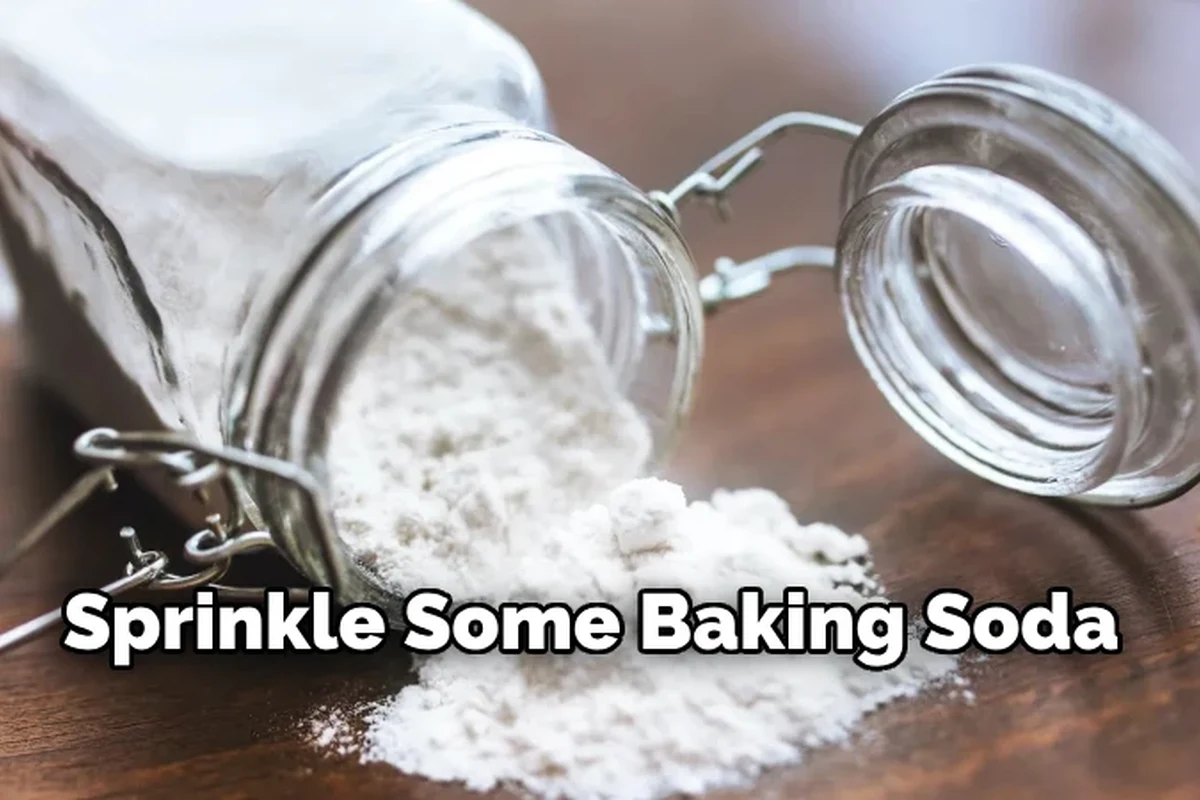
Baking soda is mildly alkaline, so it can help reduce the sour, sweaty smell that builds up inside boots over time. It also absorbs some moisture, and that matters because odor-causing bacteria and fungi tend to thrive in warm, damp spaces.
This is why baking soda is often more useful than perfume-style sprays. A spray may cover the smell for a few hours, but baking soda can help with the cause of the odor when the problem is trapped sweat, damp insoles, and poor airflow.
That said, baking soda is not a disinfectant and it will not fix every odor problem. If the boots are moldy, soaked, or the lining is damaged, you may need a deeper cleaning routine rather than a simple deodorizing step. For more general odor removal methods, see our guide on baking soda for shoes cleaning.
Odor often gets worse when moisture stays trapped in the boot overnight. Drying and deodorizing work best together, not separately.
How to Use Baking Soda in Boots Correctly for the Best Deodorizing Results
The simplest method is to sprinkle a small amount inside dry boots, leave it overnight, and shake it out before wearing. The key is using enough to reach the footbed and toe area without leaving a heavy powder residue behind.
Step-by-step overnight method for everyday boots
Start by removing the insoles if they come out easily. Open the boots wide and make sure they are fully dry before you begin, because baking soda works better on dry surfaces than on wet ones.
Take out loose dirt and let the boots air-dry if they feel even slightly damp. If the insoles are removable, set them aside so they can be treated separately.
Sprinkle a thin, even layer inside each boot, focusing on the toe box and footbed where odor tends to collect. A little goes a long way.
Let the powder sit for several hours, ideally overnight, so it has time to absorb odor and moisture.
Shake out the powder in the morning, then leave the boots open for a short airing period before wearing them again.
If you want a cleaner application, put baking soda into a breathable sachet, coffee filter, or thin cloth pouch and place that inside the boot instead of pouring it directly onto the lining.
How much baking soda to use based on boot size and odor level
For a light smell, a thin dusting is usually enough. For moderate odor, use a slightly heavier layer, but avoid burying the footbed in powder.
As a practical guide, ankle boots often need less than tall work boots, and a badly smelly pair may benefit from treating both the boot interior and the insoles. If the boots are large or heavily worn, it is better to repeat a light treatment than to dump in a lot at once.
When to remove the powder and how to shake it out cleanly
Remove the baking soda before the next wear, not after several days. The powder can collect in seams and around the heel if it sits too long, especially in boots with textured linings.
To shake it out cleanly, turn the boot upside down over a trash bin or sink, tap the sole gently, and use a soft brush or handheld vacuum on any remaining dust. If the boot is leather or suede, avoid rubbing too hard so you do not scuff the finish.
Do not use baking soda in boots that are still wet from rain, snow, or washing. Trapping moisture under powder can slow drying and make odor problems worse.
Common Mistakes That Make Boot Odor Worse Instead of Better
Baking soda is simple, but the wrong approach can leave you with residue, clumps, or the same smell returning within a day or two. Most failures happen because the boots were not dry, the powder was overused, or the root cause was ignored.
Using too much baking soda and leaving residue behind
More powder does not always mean better deodorizing. A thick layer can pack into seams and sock liners, then come back as a dusty mess when you wear the boots.
Heavy residue can also be annoying in boots with dark linings because it shows up clearly and may transfer to socks. If that happens, reduce the amount next time and use a shaker or sachet for more control.
Putting baking soda into damp boots without drying them first
This is one of the most common errors. If the inside of the boot is still damp, baking soda may clump instead of spreading evenly, and the trapped moisture can keep odor-causing microbes active.
Let the boots dry with the tongue open, the insoles removed, and the interior exposed to air. If needed, use a fan in a well-ventilated room to speed the process.
Ignoring insoles, liners, and sock habits that cause recurring smell
Boot odor often lives in the insole more than the outer shell. If the insole is removable, it should usually be treated separately, cleaned, and fully dried before going back in.
Recurring smell can also come from socks that hold moisture, from wearing the same pair every day, or from storing boots in a closed closet while they are still warm. If odor keeps coming back, the boot itself may not be the only problem.
Boot Materials, Linings, and Safety: What Baking Soda Can and Cannot Touch
Most boot interiors can handle a light baking soda treatment, but the material matters. Leather, suede, fabric, rubber, and synthetic boots all behave differently when exposed to powder, moisture, and brushing.
Leather, suede, fabric, rubber, and synthetic boots
Fabric and many synthetic linings usually tolerate light powder well, especially when the boots are dry. Leather can also be treated carefully, but you should avoid aggressive scrubbing and always remove residue thoroughly.
Suede needs extra caution because powder can settle into the nap and leave a dull look if it is not brushed out gently. Rubber shells are usually less delicate, but odor often comes from the removable liner rather than the rubber itself.
Why some liners and finishes need gentler treatment
Decorative finishes, glued linings, and waterproof membranes may not like repeated heavy powdering. In those cases, less is better, and a breathable sachet can be safer than direct contact.
Always check the boot manufacturer’s care instructions before using any treatment on specialty materials, insulated liners, or waterproof membranes. If the label warns against powders, follow that guidance.
When to avoid direct contact and use a sachet or insert instead
If the lining is delicate, the boot is expensive, or you are worried about residue, place the baking soda in a cloth pouch, sock, or paper sachet and insert that into the boot. This gives you deodorizing help without coating the inside.
This approach is especially useful for suede, dress boots, and boots with hard-to-clean seams. It is also a good option when you want to treat odor without making the interior feel chalky.
- Use a light, even layer or a sachet
- Keep boots fully dry before treatment
- Brush out leftover powder before wearing
- Dumping in a thick pile of powder
- Treating wet boots right after use
- Ignoring delicate finishes and manufacturer care labels
Better Results: Pairing Baking Soda with Drying, Cleaning, and Odor Prevention
Baking soda works best as part of a simple routine, not as the only step. When you combine drying, cleaning, and storage habits, the smell usually comes back more slowly and with less intensity.
Drying boots fully before deodorizing
Before you treat the boots, dry them completely. Open the tongue, remove the insoles if possible, and let air move through the boot overnight or longer if needed.
If the boots were soaked, drying may take more than one day depending on material and thickness. Do not rush the process with direct high heat unless the manufacturer says it is safe, because heat can warp some glues, leather finishes, and linings.
Cleaning insoles and footbeds before reusing the boots
If odor keeps returning, clean the insoles before you deodorize again. A dirty insole can hold sweat salts, skin oils, and bacteria that keep feeding the smell.
Wipe the footbed with a barely damp cloth and mild cleaner that is safe for the material, then dry it thoroughly. If the insoles are worn out, flattened, or permanently smelly, replacement is often more effective than repeated powder treatments.
Using cedar inserts, moisture absorbers, and breathable storage
Baking soda is only one tool. Cedar inserts, moisture absorbers, and open-air storage can help keep boots drier between wears, which makes odor less likely in the first place.
Breathable storage matters because sealed plastic bins can trap leftover humidity. If you need a broader odor strategy for closets or gear storage, our article on baking soda for smoke odors shows how odor control depends on both absorption and airflow. For a related household cleaning angle, see baking soda in laundry benefits, where moisture and odor management work in a similar way.
Real-World Use Cases: Work Boots, Winter Boots, Athletic Boots, and Kids’ Boots
Different boots have different odor patterns. The best approach depends on how often the boots are worn, how much sweat they absorb, and whether the inside can be removed and cleaned easily.
Heavy-sweat work boots and daily wear pairs
Work boots often need the most attention because they may be worn for long shifts and exposed to heat, sweat, and dust. In these boots, baking soda can help between deeper cleanings, but it works best if you also rotate pairs and dry them after each use.
If the boots are worn every day, treat them overnight, clean the insoles regularly, and avoid putting them away damp. A second pair can make a big difference by giving each pair time to dry fully.
Seasonal boots stored between uses
Winter boots and other seasonal pairs often smell worse after storage if they were packed away with a little moisture still inside. Before storing them, clean and dry them thoroughly, then add a light deodorizing treatment if needed.
When you bring them back out, check for stale odor, mildew, or residue before wearing. A boot that smells musty after storage may need airing, cleaning, and fresh insoles rather than just more powder.
Boots that need fast turnaround before the next wear
Sometimes you need the boots ready by morning. In that case, a light baking soda treatment can help reduce smell overnight, especially if you pair it with a fan or a warm, dry room for airflow.
For fast turnaround, use a controlled amount and make sure all powder is removed before wear. If you are in a rush, sachets can be easier than loose powder because they are cleaner to take out quickly.
- Boots are fully dry
- Insoles are removed if possible
- Powder amount is light and controlled
- Boot material is safe for powder use
- You have a plan to shake out residue
When Baking Soda Is Not Enough: Signs You Need a Deeper Cleaning or Replacement
Sometimes odor is a symptom of a bigger problem. If the smell stays strong after repeated treatments, the boots may need cleaning, repair, or replacement instead of another round of powder.
Persistent odor after repeated treatment
If the same smell returns quickly after several overnight treatments, the odor source may be deep inside the insole, lining, or padding. At that point, a surface deodorizer is only masking part of the issue.
Try cleaning the removable parts first, then reassess. If the odor still returns fast, the boot may need more than baking soda can provide.
Visible mold, mildew, or damaged insoles
Visible mold or mildew is a sign to stop and clean more thoroughly. In some cases, the safest choice is to replace the insole or retire the boot if the material is badly affected.
For health and hygiene concerns, follow recognized cleaning guidance and use caution with heavily contaminated footwear. If you suspect serious contamination, do not keep wearing the boots until they are fully cleaned and dried.
When to replace liners, insoles, or the boots themselves
Insoles are often the first part to fail. If they are compressed, cracked, or permanently smelly, replacement is usually more practical than repeated deodorizing.
Boots themselves may need replacement if the lining has broken down, the interior stays damp, or the odor returns even after cleaning and drying. At that stage, baking soda can still help with minor smell, but it is no longer the main solution.
Final Verdict: Is Baking Soda the Easiest Budget Fix for Smelly Boots in 2026?
Yes, baking soda is still one of the easiest low-cost fixes for smelly boots, especially when the odor is caused by sweat and trapped moisture. It is simple, inexpensive, and easy to use at home without special products.
Best use cases, limitations, and the most practical routine to follow
The best use cases are dry boots with mild to moderate odor, removable insoles, and regular daily wear. The limitations are just as important: baking soda will not repair mold, fix damaged linings, or solve odor that keeps coming back because the boots are always damp.
The most practical routine is: dry the boots fully, clean the insoles, apply a light baking soda treatment overnight, shake it out carefully, and store the boots in a breathable place. If the smell persists after that, move on to deeper cleaning or replacement rather than overusing powder.
Baking soda is a smart first-line fix for smelly boots when you use it on dry footwear and keep the amount light. For the best long-term results, pair it with drying, insole care, and breathable storage instead of relying on powder alone.
Frequently Asked Questions
Leave it in overnight for best results. If the odor is stronger, you can repeat the treatment after fully shaking out the powder and drying the boots again.
Yes, but use a light amount and remove all residue afterward. If the leather is delicate or finished, a sachet is often the safer choice.
Use a thin, even layer rather than a thick pile. Larger boots or stronger odor may need a little more coverage, but repeated light treatments are better than overfilling.
No, baking soda is not a mold treatment. If you see mold or mildew, the boots need deeper cleaning and full drying before they are worn again.
It is better to wait until the boots are fully dry. Using powder on damp boots can cause clumping and may trap moisture inside.
The odor source may be the insoles, lining, or constant moisture from daily wear. Clean the removable parts, improve drying and storage, and replace damaged insoles if needed.