
Baking Soda Heating Tips for Safe and Easy Use
Baking soda heating works best when you measure carefully, match the ingredient to the recipe, and use heat at the right time. Too much baking soda or too much heat can cause bitter flavor, weak rise, or residue.
Baking soda heating is simple in principle, but heat changes how this ingredient behaves in both baking and cleaning. Used well, it can help with lift, browning, and odor control; used poorly, it can leave bitter flavors, weak results, or messy residue.
- Measure precisely: Baking soda is strong, so level spoons and fresh ingredient quality matter.
- Match the method: Baking, stovetop cleanup, and deodorizing each need different handling.
- Watch for imbalance: Bitter taste, flat texture, or white residue usually means too much soda or poor.
- Choose safe surfaces: Nonreactive cookware and careful rinsing help protect pans and tools.
What “Baking Soda Heating” Means and Why It Matters in Everyday Kitchen Use
“Baking soda heating” refers to using sodium bicarbonate in a recipe or mixture that will be warmed, baked, or exposed to direct heat. In baking, that heat helps trigger the reaction that releases carbon dioxide, which creates rise and a lighter texture. In cleaning, heat can speed up loosening grime, but it can also increase fizzing, splatter, or residue if the mix is too strong.
How heat changes baking soda’s behavior in cooking and cleaning
When baking soda meets an acid and moisture, it begins to react. Heat often speeds that reaction and can also drive off gases more quickly, which is why batter texture and timing matter so much.
In cooking, this can improve spread, browning, and tenderness in the right formula. In cleaning, warm water or a heated surface may help the mixture work faster, but the same heat can make it foam more aggressively or dry into a chalky film.
When heating is useful versus when it creates problems
Heating is useful when the recipe or cleaning task depends on a controlled reaction, such as a quick bread batter or a stovetop paste. It becomes a problem when there is too much baking soda, not enough acid, or too much time between mixing and baking.
If you want a deeper explanation of the acid-base reaction, our guide to baking soda and vinegar reaction explained simply is a helpful companion read. For baking-specific substitution questions, see can you use baking soda instead of baking powder safely.
If a recipe uses baking soda, mix and bake promptly unless the formula is designed for resting. Delays can let the gas escape before the batter gets into the oven.
Safe Temperature Ranges, Food-Safe Use, and What Happens When Baking Soda Overheats
There is no single perfect temperature for every baking soda use because the result depends on the recipe, the amount of acid, and the moisture level. In general, baking soda is food-safe when used in normal recipe amounts and fully blended into the batter or dough before heating.
The main risk is not “toxicity” from ordinary kitchen use, but poor flavor and poor texture when the ingredient is overused or overheated in a way the recipe does not support.
Typical heat-triggered reactions in batters, doughs, and stovetop mixtures
In batters and doughs, baking soda reacts with acidic ingredients such as buttermilk, yogurt, sour cream, brown sugar, molasses, citrus, or natural cocoa. Once heat is applied, the trapped gas expands and helps the structure set before the bubbles collapse.
On the stovetop, baking soda may be added to soften vegetables, encourage browning, or loosen stuck-on food in a cleaning paste. The reaction is usually fastest when moisture and heat are both present, so small amounts go a long way.
Warning signs of overuse, scorching, or bitter aftertaste
Too much baking soda can create a soapy, metallic, or bitter taste. It can also make baked goods brown too quickly on the outside while the center still feels dense or gummy.
In cleaning, overuse often shows up as a grainy white residue, cloudy film, or foaming that is stronger than expected. If a heated mixture smells sharp, leaves streaks, or dries chalky, the ratio likely needs adjusting.
Do not assume more baking soda means better results. Extra baking soda can damage flavor, leave residue, and in some cleaning tasks make a mess that is harder to rinse away.
Measuring Baking Soda Correctly Before Applying Heat
Measuring matters more with baking soda than many beginners expect. Because heat speeds the reaction, even a small measuring error can show up as poor rise, odd texture, or leftover alkaline taste.
How much to use for common baking and household applications
For baking, follow the recipe exactly whenever possible. Many formulas use only a small amount, often measured in teaspoons rather than tablespoons, because baking soda is powerful and fast-acting.
For household cleaning, use the smallest amount that gets the job done. A light sprinkle, a spoonful mixed with water, or a paste may be enough depending on the surface and the soil level. For odor control, baking soda is often used dry and not heated at all.
Why precision matters more as heat and reaction time increase
Once heat is applied, the reaction window shortens. That means a slightly heavy scoop can become a noticeable problem before the batter has a chance to set.
Precision also matters because different ingredient brands and measuring methods can change density. A level teaspoon is more reliable than a heaped spoon, and a kitchen scale is even better when a formula calls for grams.
Common measuring mistakes that affect rise, texture, and cleaning results
The most common mistake is confusing baking soda with baking powder. They are not interchangeable in equal amounts, and using the wrong one can cause flat baked goods or a harsh aftertaste.
Other mistakes include packing the spoon, eyeballing the amount, or adding baking soda to a mixture that does not have enough acid to activate it properly. If you need a refresher on the difference, see is baking soda and baking powder the same.
Baking soda loses freshness over time, especially if it absorbs moisture or odors from the pantry. If a recipe depends on it for lift, an old box can weaken the result even when the amount is measured correctly.
Step-by-Step Heating Methods for Baking, Stovetop, and Oven Applications
The safest way to use baking soda with heat is to match the method to the job. Baking, stovetop cleanup, and deodorizing each need different handling, and the right approach reduces waste and surprise reactions.
Use the exact amount the recipe or cleaning task calls for. Keep the spoon level and avoid adding extra “just in case.”
Mix baking soda through dry ingredients or dissolve it well in the wet mixture so there are no concentrated pockets.
Bake, simmer, or warm the mixture according to the method. Avoid long delays if the formula depends on immediate lift.
Look for even browning, steady bubbling, or loosening residue. Stop heating if the mixture starts to scorch or dry out too fast.
Using baking soda in batters and doughs that rely on heat for lift
In cookies and quick breads, baking soda works best when there is enough acid in the formula and the batter is mixed just enough to combine. Overmixing can build too much gluten, which makes the finished crumb tougher even if the leavener is correct.
For cookies, baking soda can encourage spread and deeper browning. For quick breads, it can help create a tender crumb, but only if the batter goes into the oven while the reaction is still active.
Measure accurately, combine ingredients, and preheat the oven so the batter does not sit around waiting.
Heat causes gas expansion, the structure sets, and the surface browns as moisture evaporates.
The crumb finishes setting. Cutting too soon can make the texture seem gummy or fragile.
Heating baking soda in cleaning and deodorizing mixtures without unsafe buildup
When heating baking soda for cleaning, use gentle heat and good ventilation. A warm paste can help lift residue from cookware, but a boiling or heavily foaming mix can splash and create a burn risk.
If you are cleaning an oven, a sink, or another kitchen surface, let the paste sit only as long as needed and rinse thoroughly. For oven-specific methods, our article on baking soda vinegar cleaning ovens explains why residue control matters.
Examples of practical uses in cookies, quick breads, and cookware cleaning
In chewy cookies, baking soda often supports spread and a darker edge. In banana bread or other quick breads, it can help the loaf rise more evenly when the batter has enough acidic ingredients.
For cookware, a baking soda paste can help loosen stuck-on food from pans and bowls. Use a soft sponge or cloth rather than anything abrasive, especially on delicate finishes.
Good for controlled spread and browning when the recipe includes the right acid balance.
Useful for fast lift in batters that go straight from bowl to oven.
Helpful for loosening residue when used as a mild paste, not an aggressive scrub.
Material Compatibility and Equipment Considerations for Heating Baking Soda
Equipment choice affects how baking soda behaves under heat. Pan material, oven style, and even the mixing bowl can change browning, reaction speed, and cleanup.
Best cookware and mixing materials for heat exposure
Glass, ceramic, stainless steel, and food-safe silicone are common choices for baking soda mixtures. They are generally stable and easy to clean, though each heats differently.
For mixing, a nonreactive bowl is the safest default. That helps avoid unwanted flavor changes and makes it easier to judge whether the mixture is reacting as expected.
What to avoid with aluminum, reactive metals, and delicate surfaces
Highly reactive metal surfaces can sometimes discolor or react with alkaline mixtures. Delicate nonstick coatings, polished finishes, and soft stones can also be damaged by harsh scrubbing or long contact with a wet paste.
If you are unsure about a pan or appliance surface, check the manufacturer’s care instructions first. This is especially important for specialty cookware and coated bakeware.
Never use baking soda mixtures on a hot surface without control. Warm residue can splatter, and steam plus alkaline paste can irritate skin or eyes.
How pan choice, oven type, or stovetop heat changes the outcome
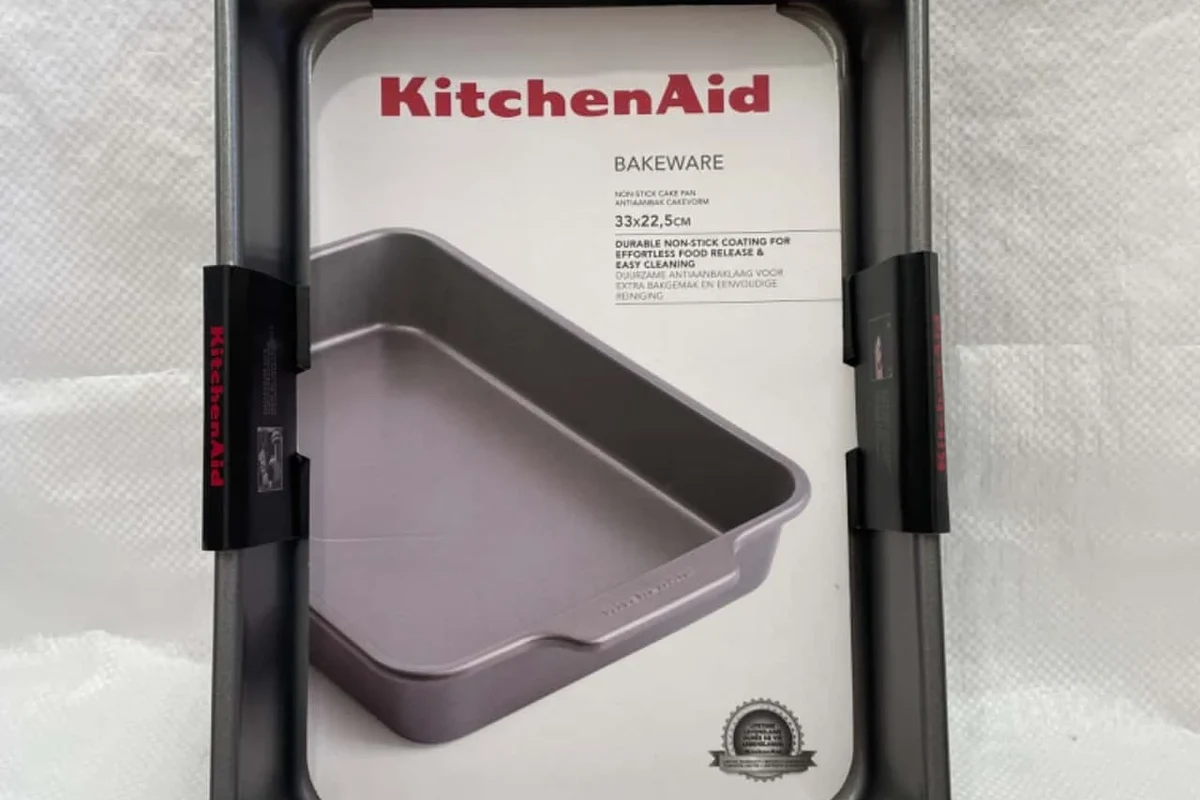
Dark pans absorb heat faster and may brown the edges of baking soda leavened goods more quickly. Light pans tend to heat more gently, which can be helpful when you want a more even bake.
Convection ovens move air around the food and may speed browning, while standard ovens often bake a little more slowly and predictably. On the stovetop, burner strength and pan thickness matter just as much as the ingredient itself.
Oven calibration, rack position, humidity, and pan size can all change the final result. If a recipe seems inconsistent, verify the oven temperature and compare the pan you used with the one the recipe intended.
Cleaning Up, Storing Baking Soda, and Preventing Moisture or Heat Damage
Good storage keeps baking soda ready for both baking and cleaning. Since it can absorb moisture and odors, a poorly sealed box may lose effectiveness before the printed date matters.
How to store baking soda after opening for maximum freshness
Keep baking soda in a tightly closed container in a cool, dry pantry. Avoid storing it near strong-smelling foods or above a hot appliance where humidity and heat rise.
If you use baking soda for both cooking and cleaning, consider keeping separate containers to reduce cross-contact. That helps maintain food safety and keeps cleaning residue away from baking ingredients.
Cleaning residue from pans, bowls, and baking tools safely
After using heated baking soda, rinse tools well with warm water and a mild dish soap if needed. A soft sponge usually removes the remaining film without scratching the surface.
For stubborn residue, soak the item briefly instead of scrubbing harder. If you also use vinegar-based cleaners in the kitchen, remember that combining acids and baking soda creates fizz, which can be useful but should be controlled.
Signs baking soda has lost potency and should be replaced
If baking soda has been open a long time, clumps easily, or seems to have absorbed a strong odor, it may be time to replace it. In baking, a weak box can mean poor rise even when the recipe is correct.
A quick freshness check is helpful before you rely on it for an important bake. For more detail on shelf life, see does baking soda expire how to tell and when to replace.
Common Mistakes, Troubleshooting, and When to Use an Alternative Leavener or Cleaner
Most baking soda heating problems come from one of three issues: the wrong amount, the wrong timing, or the wrong companion ingredient. Once you know which one failed, the fix is usually straightforward.
The baked good tastes bitter or soapy.
Too much baking soda or not enough acid is the likely cause. Reduce the amount, check the recipe balance, and measure with a level spoon.
The texture is flat, dense, or unevenly browned.
The batter may have sat too long, the oven may have been too cool, or the leavener may have been weak. Preheat fully and bake promptly after mixing.
Cleaning leaves a white film or gritty residue.
Use less product, add more water, and rinse more thoroughly. A softer cloth often works better than more scrubbing.
Why too much heat can flatten texture or leave a soapy taste
Heat accelerates the release of gas, so the structure has less time to hold the bubbles if the formula is unbalanced. That is why a batter with too much baking soda may rise quickly and then collapse or taste harsh after baking.
In cleaning, too much heat can dry the paste too fast, making it harder to remove. The result is often a crusty residue rather than a cleaner surface.
How to fix weak rise, uneven browning, or residue after heating
If rise is weak, check freshness, acid balance, and measuring accuracy. If browning is uneven, look at pan color, rack placement, and whether the oven has hot spots.
If residue remains after cleaning, reduce the amount of baking soda and rinse sooner. For some jobs, a different method may work better than adjusting the same one over and over.
When baking powder, yeast, vinegar, or another cleaner is the better choice
Baking powder is often the better choice when a recipe needs leavening without much natural acid. Yeast is better for bread formulas that need fermentation, flavor development, and a longer rise.
For cleaning, vinegar can be useful for mineral deposits and some odors, while baking soda is better for mild abrasion and deodorizing. If you want a broader comparison of pantry cleaning uses, our guide on baking soda in laundry benefits shows how the ingredient performs outside the oven as well.
- Measure carefully and use baking soda only when the recipe or task calls for it.
- Match the heat method to the job, whether baking, simmering, or cleaning.
- Rinse tools and surfaces thoroughly after cleaning.
- Do not guess at quantities or substitute it 1:1 for baking powder.
- Do not leave wet baking soda paste on delicate surfaces too long.
- Do not use extra heat to force better results.
Final Recap: The Safest and Most Effective Way to Use Baking Soda with Heat
The best way to handle baking soda heating is to think in terms of balance, timing, and surface safety. Use the right amount, pair it with the right ingredient or cleaning method, and let the heat do its job without overworking the mixture.
Decision guide for choosing the right amount, method, and application
If you are baking, follow the recipe closely and check that the formula has enough acid for the baking soda to react properly. If you are cleaning, start small, use gentle heat when needed, and choose a nonreactive surface whenever possible.
Practical next steps for home bakers and kitchen learners
Before your next recipe, check the freshness of your baking soda, level your measuring spoon, and preheat the oven fully. For cleanup, test a small hidden spot first and rinse well afterward.
Used with care, baking soda is one of the most useful ingredients in the kitchen. The key is not more heat, but better control.
Frequently Asked Questions
Use the exact amount listed in the recipe whenever possible. Baking soda is strong, so even a small measuring error can affect rise and flavor.
Not in equal amounts. Baking soda needs acid to work properly, while baking powder already contains the acid it needs.
A bitter or soapy taste usually means too much baking soda or not enough acid in the recipe. Measure carefully and check the ingredient balance.
Yes, in normal kitchen use it is generally safe when used in small amounts and rinsed well. Avoid splashing, and follow cookware care instructions.
Store it in a tightly sealed container in a cool, dry place. Keep it away from strong odors and excess moisture so it stays fresh longer.
If it clumps, smells stale, or no longer reacts well in a freshness test, replace it. Old baking soda can weaken both baking and cleaning results.
