Baking soda is not something dogs should eat, but a tiny accidental exposure may not always cause harm. The safest approach is to keep it away from pets, clean up residue fully, and call a veterinarian if your dog swallows more than a small taste.
Many dog owners ask this because baking soda shows up everywhere in the kitchen and around the house. The short answer is that baking soda is not something dogs should eat on purpose, and even small amounts can become a concern depending on the dog and the situation.
- Small exposure: A tiny accidental lick may not cause symptoms, but it is not considered safe.
- Main risks: Vomiting, diarrhea, and sodium-related toxicity are the biggest concerns.
- Higher caution: Puppies, small breeds, seniors, and dogs with kidney or heart issues need extra care.
- Household use: Residue in carpets, bedding, and crates can still be a problem if dogs can.
- Safer choice: Pet-safe cleaners and full cleanup are better than leaving baking soda accessible.
What Baking Soda Is and Why Dog Owners Ask About It
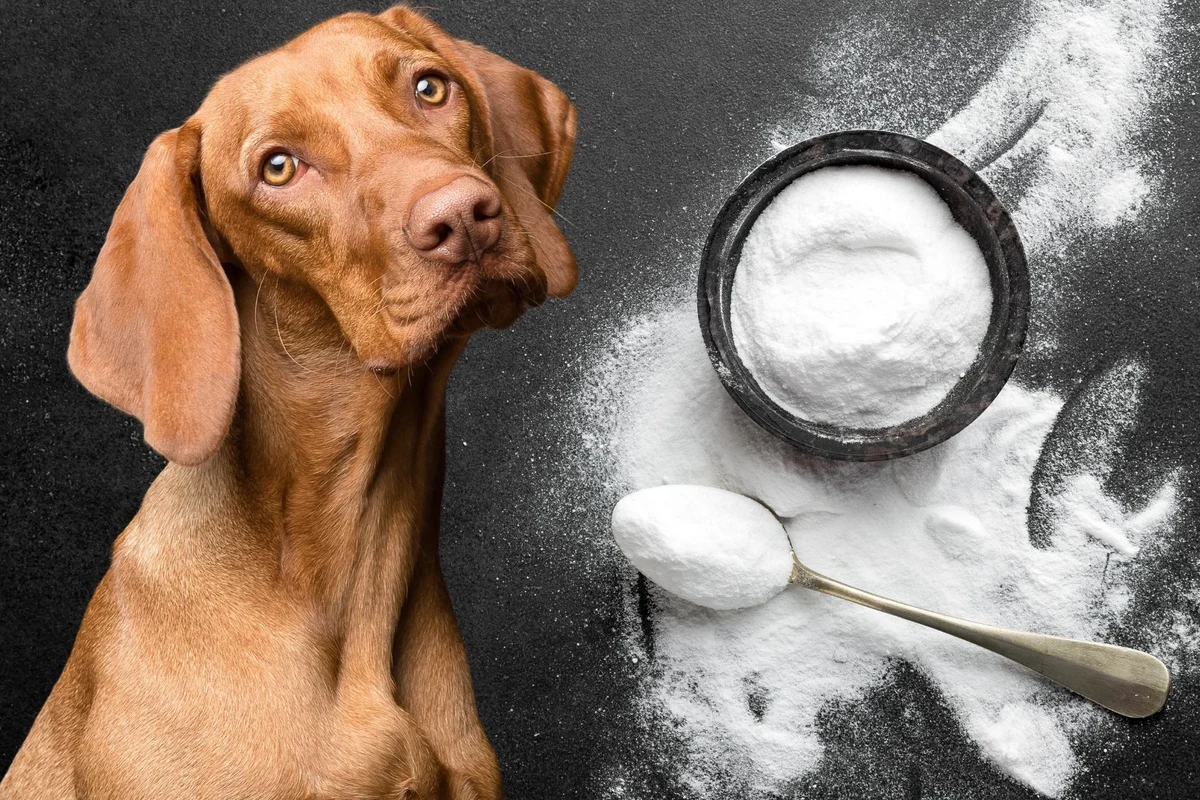
Baking soda is sodium bicarbonate, a common ingredient used in baking, cleaning, and odor control. In recipes, it helps create lift when it reacts with an acid, which is why it matters so much in baking science and why it also shows up in many home-cleaning routines.
How sodium bicarbonate works in baking, cleaning, and odor control
In the oven, baking soda releases carbon dioxide when it meets an acidic ingredient and moisture. That gas helps batters rise and gives baked goods a lighter texture. In cleaning, it works as a mild abrasive and odor absorber, and in odor control it can help reduce smells by changing the environment on surfaces rather than “covering” them up.
That same usefulness is why it can appear near pets so often. A box left open in a laundry room, a carpet treatment, or a deodorized crate can all create chances for a dog to lick, inhale, or walk through it. If you want a deeper kitchen-science explanation of how it behaves with acids, see our guide to the baking soda and vinegar reaction explained simply.
Why the question matters for pet safety in 2026
Pet safety questions matter more now because many households use baking soda in concentrated ways: on carpets, in laundry, in drains, and in DIY cleaning mixes. Dogs are curious, and small breeds can be affected by smaller amounts than larger dogs. For current safety guidance, it is always smart to check recognized veterinary or poison-control resources when a dog may have swallowed a household chemical.
Do not assume a “natural” ingredient is automatically safe for pets. Baking soda can be harmless in tiny incidental exposure, but it can also cause serious problems if a dog eats enough of it or if it is mixed into a paste, dough, or cleaning product that stays on the coat or paws.
Is Baking Soda Ok for Dogs in Small Amounts?
Sometimes, yes, a tiny accidental exposure may not cause obvious harm. But “okay” is not the same as “safe to give,” and it is not a reason to let a dog lick or eat it.
When tiny exposures may not cause harm
A few grains from a countertop, a light dusting on a floor, or a brief sniff near an open box may not lead to symptoms in a healthy adult dog. The key word is tiny. Once the amount becomes more than incidental, the risk changes quickly.
If the dog only touched a small amount on the surface, the best step is usually to remove access, wipe the area, and watch for symptoms. If you are already comparing household uses, our article on baking soda in laundry benefits explains why residue control matters so much around fabrics and pet areas.
Why “safe” depends on the dose, the dog’s size, and the form it was used in
Safety depends on how much was eaten, the dog’s body weight, and whether the baking soda was dry, mixed into food, or part of a wet paste. A teaspoon means very different things for a 6-pound dog and a 70-pound dog. Wet mixtures can also be more likely to stick to the mouth, which may increase licking and swallowing.
Baking soda is alkaline, so it can irritate the stomach more than many people expect. That is one reason even “small” exposures deserve attention if a dog starts vomiting, drooling, or acting uncomfortable.
Potential Risks of Baking Soda for Dogs
The main concerns are stomach upset and sodium-related toxicity. Baking soda is not the same as a bland food ingredient, and dogs do not need it in their diet.
Stomach upset, vomiting, and diarrhea
The most common early problem is digestive irritation. A dog may drool, gag, vomit, or have diarrhea after swallowing baking soda. Some dogs also seem restless or uncomfortable because the stomach feels unsettled.
Electrolyte imbalance and sodium toxicity concerns
Baking soda contains sodium, and too much sodium can disturb the body’s fluid and electrolyte balance. In serious cases, that can affect the nervous system, muscles, and heart. This is why large ingestions deserve prompt veterinary advice, even if the dog seems normal at first.
Higher-risk situations: puppies, small breeds, seniors, and dogs with kidney or heart issues
Puppies and small breeds have less body mass, so the same exposure can be more concentrated in their system. Senior dogs and dogs with kidney or heart disease may also have less reserve if sodium levels shift. If your dog already has a medical condition, do not wait for symptoms before asking a veterinarian what to do.
Keep baking soda containers sealed and stored away from pet food, treats, and pantry ingredients. A dog that reaches a bag of dry goods may ingest far more than you realize, especially if the powder is mixed into spilled flour, sugar, or dough scraps.
Common Household Uses That Can Create Problems
Most problems happen not because baking soda is sitting on a shelf, but because it is used on surfaces a dog can reach. The biggest risk is access after application.
Cleaning spills, carpets, and pet bedding
Baking soda is often sprinkled on carpets or bedding to reduce odor. If it is not vacuumed up completely, dogs may lick their paws and ingest it later. That can also happen if the powder gets trapped in seams, under cushions, or in fabric fibers.
Deodorizing litter areas, crates, and shoes around dogs
People sometimes place baking soda near crates, litter zones, or shoes to manage smells. That may seem harmless, but dogs may investigate the powder, paw at it, or breathe in the dust. For odor control in enclosed spaces, our guide to baking soda for shoes cleaning shows how residue can linger in fabrics and why cleanup matters.
Why inhalation, licking, and skin contact can still be an issue
Breathing in a cloud of powder is usually less dangerous than swallowing it, but it can still irritate the nose and eyes. If a dog walks through a fresh layer, the powder may stick to paws and fur, then get licked off during grooming. Skin irritation is less common, but wet baking soda paste can be uncomfortable on sensitive skin.
When Baking Soda May Be Used Around Dogs More Safely
If you use baking soda at all around pets, the safest approach is to treat it like any other cleaning ingredient: apply it carefully, keep the dog away until the area is fully cleaned, and avoid direct contact whenever possible.
Surface deodorizing with full cleanup before pet access
For a temporary deodorizing job, use only the smallest practical amount and remove it completely before letting your dog back into the area. Vacuum carpets thoroughly and wipe hard surfaces with a damp cloth if needed. If residue remains visible or gritty, it is not ready for pet access.
- Move the dog to another room.
- Use only the amount needed for the task.
- Remove all visible powder after treatment.
- Let the area dry fully before pet contact.
Dry shampoo and coat-related uses only with veterinary guidance
Some people try to use baking soda on a dog’s coat to deodorize fur. That is not a good DIY habit without veterinary guidance, because the dog may inhale the powder or lick it off later. If a skin or coat issue is involved, ask a veterinarian for a pet-safe product instead of experimenting at home.
Situations where a pet-safe alternative is the better choice
If your dog is a puppy, a senior, or has a history of stomach trouble, a pet-safe cleaner is usually the better choice. The same is true if the area is hard to rinse, such as upholstery, kennel bedding, or textured flooring. In those cases, a product made for pets is easier to control and easier to fully remove.
- Useful for some odor control jobs
- Inexpensive and easy to find
- Can work on dry surfaces when fully cleaned up
- Can be risky if eaten
- Residue may stay in fabrics and carpets
- Not ideal for direct use on pets
Signs Your Dog May Have Eaten Too Much Baking Soda
If your dog may have eaten baking soda, watch closely. Symptoms can start mild and then worsen, especially if a larger amount was involved.
Early warning signs to watch for at home
Early signs may include drooling, mild vomiting, diarrhea, reduced appetite, or seeming “off.” Some dogs may also drink more water than usual or appear restless. If the exposure was very small and the dog seems normal, you may still want to call your vet for guidance.
Symptoms that require urgent veterinary attention
Get urgent help if your dog has repeated vomiting, weakness, tremors, trouble walking, confusion, bloated abdomen, seizures, or difficulty breathing. These signs can point to a more serious reaction. Do not wait to “see if it passes” if symptoms are severe.
What information to have ready before calling a vet or poison line
Have the dog’s weight, approximate amount swallowed, time of exposure, and whether the baking soda was dry or mixed with another substance. If it was part of a cleaning mix, bring the product name or ingredient list. That information helps the vet judge the risk more accurately.
Your dog licked a baking soda spill and now seems unsettled.
Remove access, rinse the mouth only if your vet advises it, and call for guidance if vomiting, drooling, or lethargy begins. If the amount was more than a taste, treat it as a potential poisoning concern.
Safer Alternatives for Cleaning and Odor Control Around Pets
For most pet households, safer alternatives are easier to manage than baking soda. The best option is usually the one that controls odor without leaving a powder or residue a dog can reach.
Pet-safe enzyme cleaners and dilution basics
Enzyme cleaners are often used for pet messes because they target odor-causing organic material instead of masking it. Follow the label carefully, because dilution and dwell time vary by brand. Never mix cleaners unless the product directions say it is safe to do so.
Non-toxic odor management habits for kitchens, laundry, and pet areas
Simple habits help more than many DIY tricks: wash pet bedding regularly, empty trash often, dry spills quickly, and improve airflow when possible. For laundry, use the detergent amount recommended by the manufacturer and rinse fabrics well so residue does not build up. If you are comparing household odor options, our article on baking soda for smoke odors is a useful reminder that odor control works best when cleanup is complete, not just sprinkled on top.
Simple examples of safer substitutions for common baking soda uses
For carpets and upholstery, a pet-safe enzyme spray is often a better choice than loose powder. For crates and bedding, frequent washing and thorough drying usually work better than repeated dusting. For shoes or closets, store items out of reach and use products that stay sealed or fully enclosed.
Final Verdict: How Baking Pastry Schools Recommends Pet Owners Decide
Our practical recommendation is simple: baking soda is fine to keep in the house, but it should not be treated as pet-safe to eat or to use casually around dogs. Small incidental exposure may not cause harm, but the risk rises quickly with larger amounts, small dogs, or any dog with health problems.
When baking soda use is reasonable, when to avoid it, and when to call a veterinarian
It is reasonable to use baking soda for a household task only if you can fully control the area and remove every trace before your dog returns. Avoid it when you cannot clean it up well, when your dog is likely to lick the surface, or when the dog is young, small, older, or medically fragile. Call a veterinarian or pet poison resource right away if your dog swallowed more than a tiny taste or shows symptoms.
Practical recap for keeping dogs safe while still handling everyday baking and cleaning tasks
For baking, store ingredients securely and clean spills quickly so curious noses do not find them. For cleaning, choose pet-safe products whenever possible and keep dogs away until surfaces are dry and residue-free. If you follow that approach, you can still manage everyday kitchen and home tasks without turning a common pantry item into a pet hazard.
Baking soda is not a dog treat and is not something to leave within easy reach. Use it carefully around pets, clean it up completely, and call a veterinarian if your dog eats more than a tiny accidental amount or develops symptoms.
Frequently Asked Questions
A tiny accidental exposure may not cause symptoms in some dogs, but it should not be considered safe to give. The risk depends on the amount, the dog’s size, and whether it was mixed with another substance.
Some dogs may only have mild stomach upset, while others can vomit or become ill. Watch closely for drooling, vomiting, diarrhea, weakness, or unusual behavior and call a vet if symptoms appear.
It can be used only if you can remove all residue before your dog has access again. If powder remains in fabric or seams, a dog may lick it off later, so pet-safe cleaners are often a better choice.
Yes, puppies are smaller and can be affected by smaller amounts. They also tend to lick and explore more, which makes accidental exposure more likely.
Common signs include vomiting, diarrhea, drooling, weakness, tremors, trouble walking, and seizures in severe cases. If your dog has these symptoms after exposure, seek veterinary help right away.
Pet-safe enzyme cleaners, regular washing, good ventilation, and quick cleanup usually work better. Choose products made for pet areas and follow the label directions carefully.
