
Baking Soda for Cigarette Smell Ways to Remove Odor Fast

Baking soda can help reduce cigarette smell by absorbing odor on fabrics, bins, and other porous surfaces. It works best with ventilation, cleaning, and repeat treatment for stronger odors.
Cigarette smell can cling to fabric, hard surfaces, and even small enclosed spaces long after the smoke is gone. Baking soda for cigarette smell is a simple, low-cost way to help absorb and soften odor, especially when you use it the right way and pair it with cleaning and airflow.
- Best use: Works well on carpets, upholstery, mattresses, closets, and trash bins.
- Main limit: It reduces odor but does not remove smoke damage, nicotine stains, or deep residue.
- Fastest method: Sprinkle, wait, and vacuum; use a paste on washable hard surfaces.
- Stronger smells: Add airflow, washing, charcoal, or professional cleaning when odor is old or heavy.
Baking Soda for Cigarette Smell: How It Works on Smoke Odor in 2026
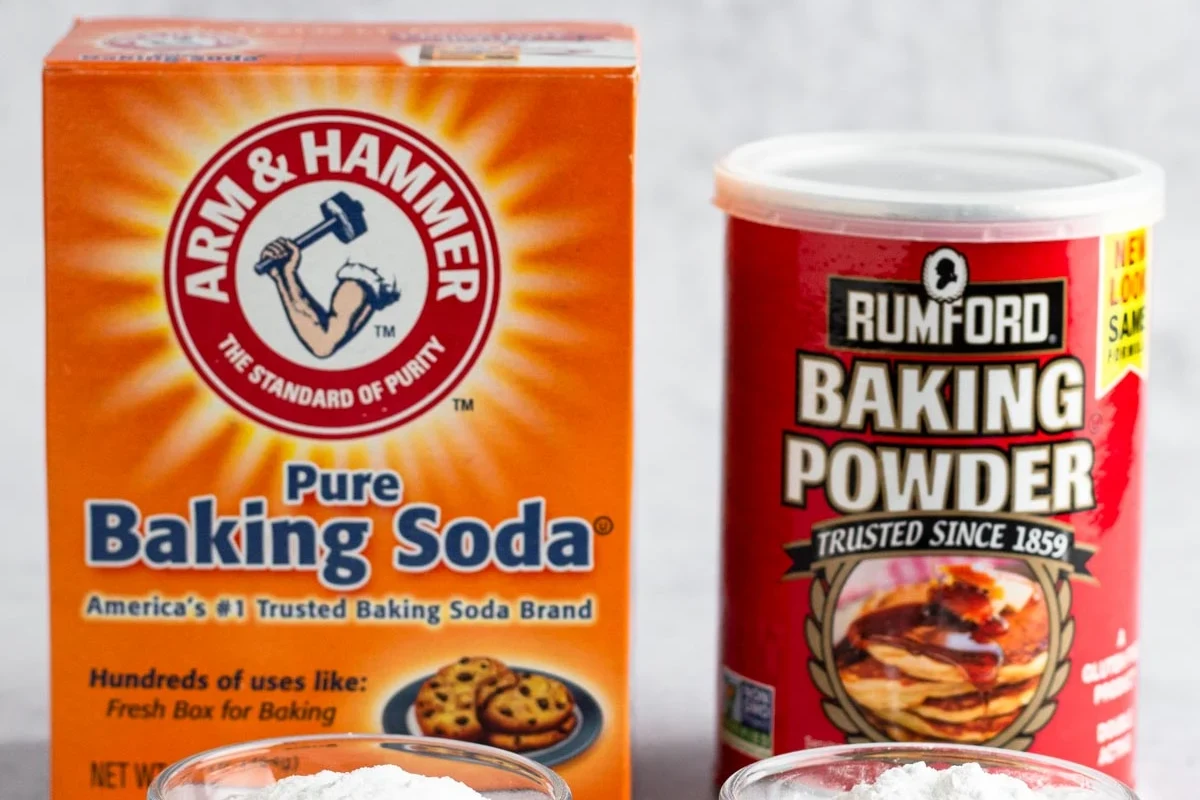
Baking soda does not “erase” smoke, but it can help reduce the stale smell that tobacco leaves behind. It works because odor molecules can be absorbed or buffered on contact, which is why it is often used in kitchens, laundry, and other odor-control jobs. For a broader look at odor control methods, see our guide on baking soda for smoke odors.
Why baking soda can help neutralize lingering tobacco odors
Tobacco smoke leaves a mix of particles and sticky residue that settles into fibers and dust. Baking soda helps most with the smell portion of the problem, especially when odor is trapped in porous materials like carpet, upholstery, and bedding. It is most useful when the smell is light to moderate and the surface can be cleaned afterward.
Baking soda is not a scent cover-up. It works best when it has time to sit on the surface and interact with odor, rather than being sprinkled on and removed right away.
What baking soda can and cannot remove from smoke-damaged spaces
Baking soda can help with odor in fabrics, bins, and some hard surfaces, but it cannot fully remove nicotine stains, tar buildup, or smoke that has soaked into walls, insulation, or HVAC systems. If a room has heavy or old cigarette odor, baking soda is usually one step in a bigger cleanup, not the whole solution. That is an important limit to keep in mind before you start.
Best Places to Use Baking Soda for Cigarette Smell Removal
The best results usually come from using baking soda on porous or enclosed areas where odor lingers. It is less helpful on glossy surfaces that do not hold smell well, and it should always be tested first on delicate materials.
Carpets, rugs, and upholstery
These are some of the best surfaces for baking soda because fibers trap odor. Sprinkle a light, even layer over the area, let it sit, then vacuum thoroughly. If the smell is still noticeable, repeat after the fabric has been aired out.
Mattresses, bedding, and soft furnishings
Mattresses and upholstered headboards can hold smoke odor deep in the surface layer. Use baking soda on dry, vacuum-safe materials only, and avoid over-wetting the area, since moisture can lock in odor and create a musty smell. Washable bedding should usually be laundered as well.
Do not use baking soda on any fabric or finish that manufacturer instructions say should be dry-cleaned only or spot-cleaned with a specific product. When in doubt, test a hidden area first.
Ashtrays, trash bins, closets, and small enclosed spaces
Small spaces often benefit from baking soda because odor gets trapped and recirculates. A shallow open bowl of baking soda can help in a closet or cabinet, while ashtrays and bins can be cleaned with a baking soda paste after washing. For odor-heavy items like trash bins, pair this with frequent emptying and ventilation.
Step-by-Step Methods to Remove Cigarette Smell Fast
There are three practical ways to use baking soda for cigarette smell. The right method depends on whether you are dealing with fabric, residue on a hard surface, or a room that needs passive odor absorption.
Dry sprinkle and vacuum method for fabrics and floors
Start by removing loose ash or dust. Then sprinkle a thin, even layer of baking soda over the carpet, rug, or upholstery and let it sit long enough to absorb odor. Vacuum slowly and thoroughly so the powder lifts out of the fibers instead of settling deeper in.
Dry-clean the area as much as possible first by removing ash, crumbs, and loose debris.
Spread baking soda evenly. Avoid piling it up, since thick patches can be harder to remove.
Give it time to work before vacuuming. Longer dwell time usually helps stronger odors.
Use slow passes and, if possible, vacuum in two directions to pick up more powder and odor residue.
Baking soda paste for hard surfaces and stubborn residue
For ashtrays, bin lids, and other washable hard surfaces, mix baking soda with a small amount of water to make a spreadable paste. Apply it gently with a cloth or sponge, let it sit briefly, then wipe clean and rinse if needed. This is especially helpful when smoke residue is part of the odor problem.
A paste is useful for residue, but it should not be scrubbed aggressively on polished metal, painted finishes, or delicate plastics. Strong scrubbing can leave dull spots or scratches.
Odor-absorbing bowl method for rooms and cabinets
Place baking soda in a shallow bowl or open container and set it in the room, closet, or cabinet where cigarette smell lingers. This works best as a passive method over time, especially in spaces that cannot be deep-cleaned immediately. It is a support step, not a fast fix for heavy smoke damage.
How Much Baking Soda to Use and How Long to Leave It
There is no single exact amount that works for every room or fabric, because odor strength, humidity, and surface type all matter. A light dusting is usually enough for small areas, while larger or older odor problems may need repeated treatment.
Coverage guidelines for small, medium, and large areas
For a small item like an ashtray or a single cushion, use enough to lightly coat the surface. For a medium area like a chair or rug section, apply an even layer without visible clumps. For a large room, focus on the worst-smelling textiles and enclosed spots rather than trying to cover every hard surface.
Recommended dwell times for light, moderate, and heavy smoke odor
Light odor may improve after a short sitting period, while moderate odor often needs a longer dwell time before vacuuming or wiping. Heavy cigarette smell usually needs several rounds, especially if the odor has settled into fabric backing, padding, or porous finishes. If the surface is safe to leave alone, giving baking soda more time usually helps more than rushing the cleanup.
When to repeat treatment for stronger or older cigarette smells
Repeat treatment when the smell returns after the room warms up, when the fabric still smells after vacuuming, or when the odor is stronger in humid conditions. Older smells often need a combination of cleaning, airing out, and odor absorption. If you are also dealing with laundry, our article on baking soda in laundry benefits explains how baking soda supports odor removal in washable items.
Common Mistakes That Make Smoke Odor Harder to Remove
Many people think baking soda failed when the real issue was application. Small errors like using too little powder or skipping ventilation can make the smell seem stubborn.
Using too little product or vacuuming too soon
If the layer is so light that it barely touches the fibers, it cannot absorb much odor. The same problem happens when you vacuum immediately. Give the powder enough contact time, then remove it carefully so it can do its job.
Expecting baking soda to replace deep cleaning or ventilation
Baking soda is helpful, but smoke odor often comes from residue, not just smell. If a room is closed up, stale air keeps carrying the odor back into the space. Opening windows, running fans, and cleaning surfaces are still necessary.
Mixing baking soda with the wrong cleaners on delicate materials
Some people combine baking soda with strong cleaners without checking the surface first. That can damage finishes, especially on soft plastics, coated wood, or specialty fabrics. If you want a deeper cleaning approach for kitchen surfaces, our guide to baking soda vinegar cleaning ovens shows why method and material matter.
When Baking Soda Is Not Enough: Extra Steps for Stubborn Cigarette Smell
When the smell is strong, old, or spread through a whole room, baking soda should be part of a larger cleanup plan. The more smoke has penetrated, the more you need to address airflow, residue, and filtration.
Airing out the space and improving airflow
Fresh air is one of the simplest and most effective helpers. Open windows when weather allows, use fans to move air out of the room, and keep closets and cabinet doors open so trapped odor can escape. Odor removal is much slower when air stays still.
Washing washable fabrics and cleaning nicotine residue
Wash curtains, removable cushion covers, throws, and bedding according to the care label. For hard surfaces, wipe away the sticky film left by smoke, because that residue keeps releasing odor over time. Baking soda can help, but it works better after the surface is actually cleaned.
Using activated charcoal, HEPA filtration, or professional cleaning
Activated charcoal can help absorb odor in enclosed spaces, while HEPA filtration can reduce airborne particles and dust that carry smell. For severe smoke damage, professional cleaning may be the most practical option, especially if walls, vents, or insulation are affected. If you are comparing odor-control methods, our baking soda and vinegar reaction guide is useful for understanding when reactions help cleaning and when they do not.
Safety, Surface Care, and Storage Tips for Home Use
Baking soda is generally a simple household ingredient, but surface care still matters. A little caution helps prevent damage and keeps cleanup easy.
Testing fabrics and finishes before widespread application
Always test a hidden spot first if you are using baking soda on upholstery, trim, or colored fabric. Look for dulling, residue, or texture changes after the test area dries. This is especially important on delicate or antique materials.
Keeping baking soda away from moisture and sealed containers
Baking soda works best when it stays dry. Store it in a closed container away from steam, humidity, and strong-smelling items that can contaminate it. Once it clumps or picks up moisture, it is less effective for odor work.
Safe cleanup around pets, children, and electronics
Keep loose powder out of reach of pets and children, and vacuum it fully from carpets and furniture after use. Avoid getting baking soda into vents, ports, or openings on electronics. If you are cleaning around electrical items, unplug them first and use only dry methods unless the manufacturer says otherwise.
Do not use baking soda on warm appliances, open electrical parts, or anything that can be damaged by fine powder entering vents. Dry, unplugged, and cooled surfaces are the safest starting point.
Final Verdict: Is Baking Soda the Fastest Way to Remove Cigarette Smell?
Baking soda is one of the easiest fast-start options for cigarette smell, especially on fabrics, bins, closets, and other porous or enclosed areas. It is inexpensive, simple to use, and often helpful when the odor is still light enough to be treated at home.
Best-use scenarios for quick odor control
Use baking soda when you need a practical first step: a smoky cushion, a closet that smells stale, a rug with lingering odor, or a trash bin that needs freshening. It is also useful when you want a low-risk method before moving to stronger cleaners. For readers who like simple household fixes, our baking soda trick guide covers another quick-use method in the same spirit.
When to choose baking soda versus deeper smoke remediation
Choose baking soda when the smell is mild to moderate and the surface can be cleaned, aired out, and vacuumed afterward. Choose deeper remediation when smoke has soaked into walls, padding, vents, or old upholstery, because odor trapped in those materials usually needs more than one home remedy. The best results come from using baking soda as part of a cleanup plan, not as a stand-alone miracle fix.
Baking soda for cigarette smell works best as a fast, practical odor reducer on fabrics, bins, closets, and other porous spaces. For heavy or old smoke odor, combine it with ventilation, washing, and deeper cleaning for a better chance at lasting results.
Frequently Asked Questions
Light odor may improve after a short sit, but stronger smells usually need more time. If the material is safe to leave alone, longer contact time often helps more than rushing the cleanup.
Yes, if the mattress is dry and the care instructions do not prohibit it. Use a light layer, let it sit, then vacuum thoroughly, and wash any removable bedding too.
It can help reduce the odor, but it usually will not fix a heavily smoke-damaged room by itself. Pair it with ventilation, surface cleaning, and possibly filtration for better results.
Usually yes, but always test a hidden area first. Some fabrics and finishes can dull or hold residue if they are delicate or moisture-sensitive.
Remove ash, dust, and sticky residue first if possible. Baking soda works better after the surface is already free of loose debris and smoke film.
If the smell keeps returning after cleaning, or if smoke has affected walls, vents, insulation, or large upholstered items, a professional cleaner may be needed. Older or heavy smoke damage often needs more than one home treatment.