
Is Baking Soda Toxic to Dogs What Every Pet Owner Should Know

Yes, baking soda can be toxic to dogs if they eat enough of it. Small accidental amounts may only cause mild stomach upset, but larger ingestions can become an emergency.
If you are wondering is baking soda toxic to dogs, the short answer is yes, it can be harmful in enough quantity. Small accidental licks may only cause mild stomach upset, but larger amounts can lead to serious poisoning and need prompt veterinary care.
- Amount matters: Tiny licks are less risky than spoonfuls or concentrated products.
- Dog factors matter: Small, young, old, or ill dogs are at higher risk.
- Watch symptoms: Vomiting, tremors, weakness, and seizures need urgent care.
- Don’t guess: Call a veterinarian if you are unsure how much was eaten.
- Prevent exposure: Store baking soda sealed and clean spills right away.
What Baking Soda Does in the Home and Why Dogs Are at Risk
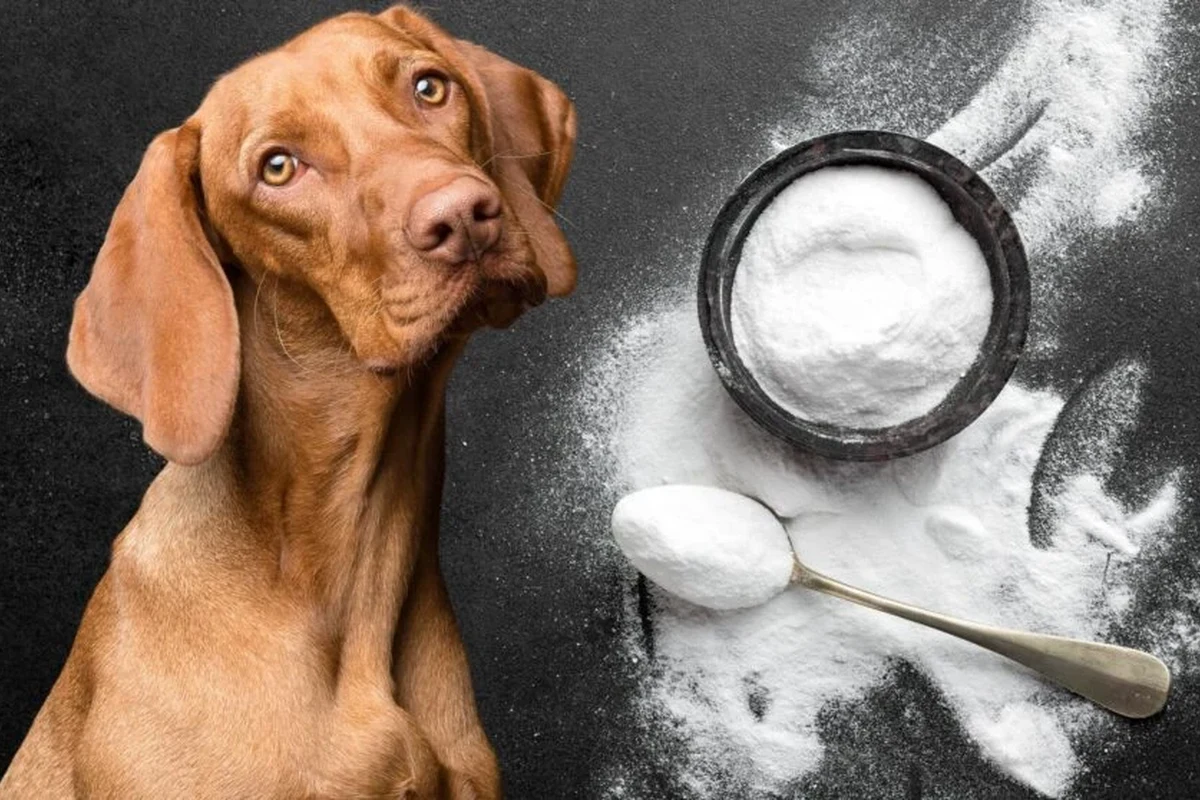
Baking soda, or sodium bicarbonate, is a common kitchen ingredient used for leavening, deodorizing, and light cleaning. In baking, it reacts with an acid and moisture to release carbon dioxide, which helps batters rise. That same chemistry is why it can also create problems in a dog’s digestive tract if too much is swallowed.
How sodium bicarbonate reacts in the stomach and digestive tract
Inside the stomach, baking soda can react with stomach acid and produce gas. A small amount may only cause burping, discomfort, or mild nausea, but a larger amount can change the body’s sodium balance and interfere with normal acid-base levels. In severe cases, this can affect the nervous system, muscles, and heart.
Baking soda is not the same as baking powder. Baking powder contains baking soda plus added acids and starch, so the risk profile can differ depending on the product and amount involved. If you want a deeper ingredient comparison, see our guide on baking soda and baking powder differences.
Why pets may encounter baking soda in kitchens, bathrooms, or grooming routines
Dogs often find baking soda because it is stored in easy-to-reach pantry shelves, left open after baking, or used in household cleaning. It may also be sprinkled on carpets, shoes, or pet bedding for odor control, or mixed into DIY grooming routines. Curious dogs may lick spills, eat dropped dough, or investigate containers that smell like food.
Is Baking Soda Toxic to Dogs at Different Amounts and Situations
The risk depends on how much was eaten, what product it came from, and the dog’s size and health. A tiny taste is very different from swallowing a spoonful, a pile of powder, or baked goods with a heavy baking soda dose. This is why the same ingredient can be harmless in one situation and dangerous in another.
Typical exposure levels: tiny accidental licks vs. larger ingestions
A few licks from a spill may cause no more than brief drooling or a slightly upset stomach. Larger ingestions are more concerning because the sodium load rises quickly and the powder can irritate the digestive tract. If your dog ate a baked item, the amount of baking soda may be harder to estimate because it is mixed into the recipe.
Why size, age, health status, and hydration change the risk
Small dogs are at higher risk because the same amount represents a bigger dose relative to body weight. Puppies, senior dogs, and dogs with kidney, heart, or stomach problems may also be more vulnerable. Dehydration can make the situation worse because the body has less reserve to handle the extra sodium.
Do not assume a “small” amount is automatically safe. For dogs with medical conditions, even modest exposure can become a concern, so it is better to call your veterinarian early than to wait for symptoms to worsen.
When baking soda becomes a poisoning concern rather than a mild upset stomach
It becomes more than a mild upset stomach when the dog has eaten a noticeable amount, when symptoms are getting worse, or when the product was used in a concentrated form. In practical terms, repeated vomiting, marked lethargy, tremors, or unusual behavior should be treated as urgent. If you are unsure, contact a veterinarian or a pet poison hotline right away.
Warning Signs Dog Owners Should Watch for After Exposure
Symptoms can start with digestive upset and progress if the dose is significant. Watch your dog closely for changes in appetite, energy, posture, and coordination after any known exposure. Early attention makes treatment easier and safer.
Early symptoms: vomiting, diarrhea, drooling, and restlessness
Common early signs include vomiting, diarrhea, drooling, a bloated or uncomfortable belly, and pacing or restlessness. Some dogs may also drink more than usual or seem unable to settle. These signs can appear within a short time after ingestion, but the timing varies.
Serious symptoms: tremors, weakness, disorientation, or seizures
More serious signs include muscle tremors, weakness, stumbling, confusion, and seizures. These symptoms suggest the exposure may be affecting the body beyond the stomach and may involve sodium imbalance or acid-base changes. If you see any of these signs, treat the situation as an emergency.
Signs that can appear after homemade cleaning, deodorizing, or toothpaste use
Dogs can also be exposed through baking soda used in homemade cleaners, carpet deodorizers, or pet-care products. If a dog licks paws after walking across treated surfaces, or gets product on the muzzle during grooming, symptoms may be milder at first and easy to miss. Keep an eye out for excessive licking, pawing at the mouth, or unusual thirst after these household uses.
After baking, vacuum or wipe up powder spills promptly and store opened containers out of reach. A curious dog can quickly turn a small cleanup mistake into a bigger ingestion problem.
Common Household Scenarios Where Baking Soda Exposure Happens
Most exposures happen during ordinary home routines, not dramatic accidents. Baking day, pantry cleanup, and odor-control habits are the most common places to look first. Knowing these patterns makes prevention much easier.
Dogs eating baked goods, dough, or treats made with baking soda
Dogs may steal muffins, cookies, biscuits, or quick breads that contain baking soda. The ingredient is usually safe in normal recipe amounts for people, but the total dose can still matter if a dog eats several pieces or the whole batch. Unbaked dough can be especially messy because it may expand in the stomach and hide how much was eaten.
Accidental access to open containers, spill cleanup, or pantry storage
An open box on the counter, a bag left on the floor, or a spilled scoop near the pantry can tempt a dog to lick or inhale the powder. Even a small scatter of powder can stick to wet noses and paws, then be swallowed during grooming. If you are cleaning the kitchen after baking, treat baking soda like any other ingredient that should be secured quickly.
Misuse in pet odor control, grooming, or DIY cleaning around food bowls
Baking soda is often used to remove odors from rugs, shoes, and trash areas, and some people also use it in homemade pet deodorizing routines. The problem is that residue can end up on floors, bedding, or bowls. If you use it around dogs, keep it away from feeding areas and rinse or wipe surfaces thoroughly.
If you also use baking soda for household odor control, it helps to understand how it works in other settings. Our article on baking soda for smoke odors explains why it absorbs smells, but pet areas need extra care because dogs may lick residues.
What to Do Immediately If Your Dog Eats Baking Soda
Act quickly, but stay calm. The most useful first step is to gather details so a veterinarian can judge the risk accurately. Avoid guessing, because the amount and timing matter more than the ingredient name alone.
How to estimate the amount, product type, and time of exposure
Try to identify whether your dog ate plain baking soda, a baked item, a cleaning mixture, or a grooming product. Estimate how much is missing and when it happened, even if the number is rough. If possible, save the package or take a photo of the label before you call.
- Estimate how much may have been eaten.
- Check the label or recipe if available.
- Note your dog’s weight and any health problems.
- Record when the exposure likely happened.
- Watch for vomiting, tremors, or unusual behavior.
Why not to induce vomiting without veterinary guidance
Do not make your dog vomit unless a veterinarian or poison expert tells you to do so. In some cases, vomiting can make things worse, especially if the dog is already weak, disoriented, or having trouble breathing. It is safer to get professional guidance first.
When to call a veterinarian, poison control, or emergency clinic right away
Call immediately if your dog ate a large amount, has symptoms, is very small, or has a medical condition. Emergency care is also important if the exposure involved a concentrated product or if your dog has tremors, seizures, collapse, or severe vomiting. If you are unsure, do not wait for the symptoms to “pass.”
How Vets Evaluate and Treat Baking Soda Ingestion in Dogs
Veterinarians decide how serious the exposure is by combining the history with the dog’s current condition. The goal is to prevent complications early, before electrolyte changes or dehydration become severe. Treatment can be simple for mild cases and more intensive for serious ones.
What information helps the vet decide the level of concern
Your dog’s weight, age, medical history, estimated amount eaten, and the exact product all help guide care. The vet will also want to know whether your dog has vomited, is drinking normally, or seems weak or confused. Clear details save time and help the clinic choose the right next step.
Possible treatment steps: observation, fluids, anti-nausea care, or bloodwork
For mild cases, a vet may recommend home observation with clear instructions. More concerning cases may need fluids, anti-nausea medication, or bloodwork to check electrolytes and acid-base balance. The exact plan depends on the dog’s size, symptoms, and how much was eaten.
When baking soda is used in recipes, a little imbalance can change the texture of a cake or cookie. In dogs, that same kind of imbalance can affect the whole body, which is why veterinary guidance matters more than home guessing.
Cases that may require urgent monitoring for electrolyte or acid-base problems
Large ingestions, repeated vomiting, neurologic signs, and pre-existing illness may require close monitoring. The concern is not just stomach upset; it is the possibility of sodium overload and changes in blood chemistry. Those problems can become dangerous if they are not treated promptly.
How to Prevent Baking Soda Poisoning in a Dog-Friendly Kitchen
Prevention is mostly about storage and habits. A few small changes can keep your kitchen safer without making baking day harder. Think of it as part of normal food safety, just with a curious pet added to the picture.
Safe storage habits for pantry ingredients and cleaning products
Store baking soda in a closed container, on a high shelf, or inside a cabinet with a latch if your dog is persistent. Keep cleaning products, deodorizing powders, and baking ingredients separate so one spill does not spread to another use area. If a container is damaged or open, replace or reseal it right away.
Labeling, sealing, and cleanup practices after baking or deodorizing
Label homemade mixes clearly so no one mistakes them for food. After baking, wipe counters, sweep floors, and check under appliances where powder can collect. If you deodorize carpets or shoes with baking soda, vacuum thoroughly before your dog has access again.
- Store baking soda away from pet reach.
- Clean spills as soon as they happen.
- Keep food bowls and treated surfaces separate.
- Leaving open boxes near the floor.
- Using heavy powder near pet feeding areas.
- Assuming “natural” always means pet-safe.
Safer alternatives for odor control and pet-safe cleaning around dogs
For odor control, ventilation, regular washing, and pet-safe cleaners are usually better first choices than heavy powder use. If you want to compare household options, our guide on baking soda in laundry benefits shows how it is commonly used in cleaning, but any use around pets should be followed by careful cleanup. When in doubt, choose the least messy option and keep dogs away until surfaces are dry and residue-free.
When Baking Soda Is Useful Around Dogs and When It Should Be Avoided
Baking soda is not automatically dangerous in every setting, but it should be used carefully around pets. The safest approach is to think about exposure risk, not just the ingredient itself. If your dog can lick, inhale, or step in it, the chance of trouble goes up.
Limited situations where it may be used carefully under guidance
In some cases, a veterinarian may recommend a specific pet-care use or a controlled cleanup method. That guidance matters because the dose, surface, and follow-up cleaning all change the risk. Follow the vet’s instructions exactly rather than adapting a human DIY method.
Common mistakes pet owners make with homemade remedies
Common mistakes include using too much powder, leaving residue on fur or floors, and assuming a kitchen ingredient is safe in any amount. Another mistake is mixing up baking soda with baking powder or using a recipe from a general cleaning site without considering pets. If you use homemade remedies, keep them simple and verify pet safety before trying them.
Final recap: how to judge risk and protect your dog from future exposure
So, is baking soda toxic to dogs? It can be, especially in larger amounts or when a dog is small, sick, or dehydrated. If your dog has eaten more than a tiny taste, or if you see vomiting, tremors, weakness, or disorientation, call a veterinarian right away. For everyday prevention, store baking soda securely, clean up spills fast, and keep deodorizing or cleaning residue away from food bowls and paws.
This article is informational and not a substitute for veterinary care. If your dog may have ingested baking soda and you are unsure how much was eaten, contact your veterinarian, local emergency clinic, or a pet poison service immediately.
Frequently Asked Questions
A tiny accidental lick may only cause mild stomach upset or no symptoms at all. Larger amounts are more concerning, especially for small dogs or pets with health problems.
Vomiting, diarrhea, drooling, restlessness, tremors, weakness, disorientation, or seizures are warning signs. If you see neurologic symptoms or repeated vomiting, contact a veterinarian right away.
Do not induce vomiting unless a veterinarian or poison expert tells you to. Vomiting can be unsafe in some situations and may make the problem worse.
Small amounts in a normal recipe are usually less concerning than swallowing plain baking soda, but the total amount still matters. If your dog ate several items or a large portion, call your veterinarian for advice.
No, they are not the same product. Baking powder contains baking soda plus other ingredients, so the risk depends on the exact product and amount eaten.
Store it in a sealed container on a high shelf or in a latched cabinet, and clean spills quickly. Keep deodorizing powders and cleaning mixes away from pet bowls, bedding, and floors your dog can lick.