
Removing Stains with Baking Soda and Vinegar Made Easy
Baking soda and vinegar can help remove fresh, light stains on compatible surfaces when used carefully. They are not ideal for set-in stains, delicate materials, or jobs that need a specialty cleaner.
Removing stains with baking soda and vinegar is a simple home-care method that many people reach for first. It can be useful on fresh, light stains, but it works best when you use the right amount, the right surface, and realistic expectations.
- Best for: Fresh spills, light residue, and simple surface cleanup.
- Use carefully: Test first, apply small amounts, and rinse well.
- Know the limits: Old stains, protein stains, and delicate materials may need another method.
- Safety matters: Never mix vinegar with bleach or use it blindly on sensitive surfaces.
Why Baking Soda and Vinegar Became a Go-To Stain Removal Method
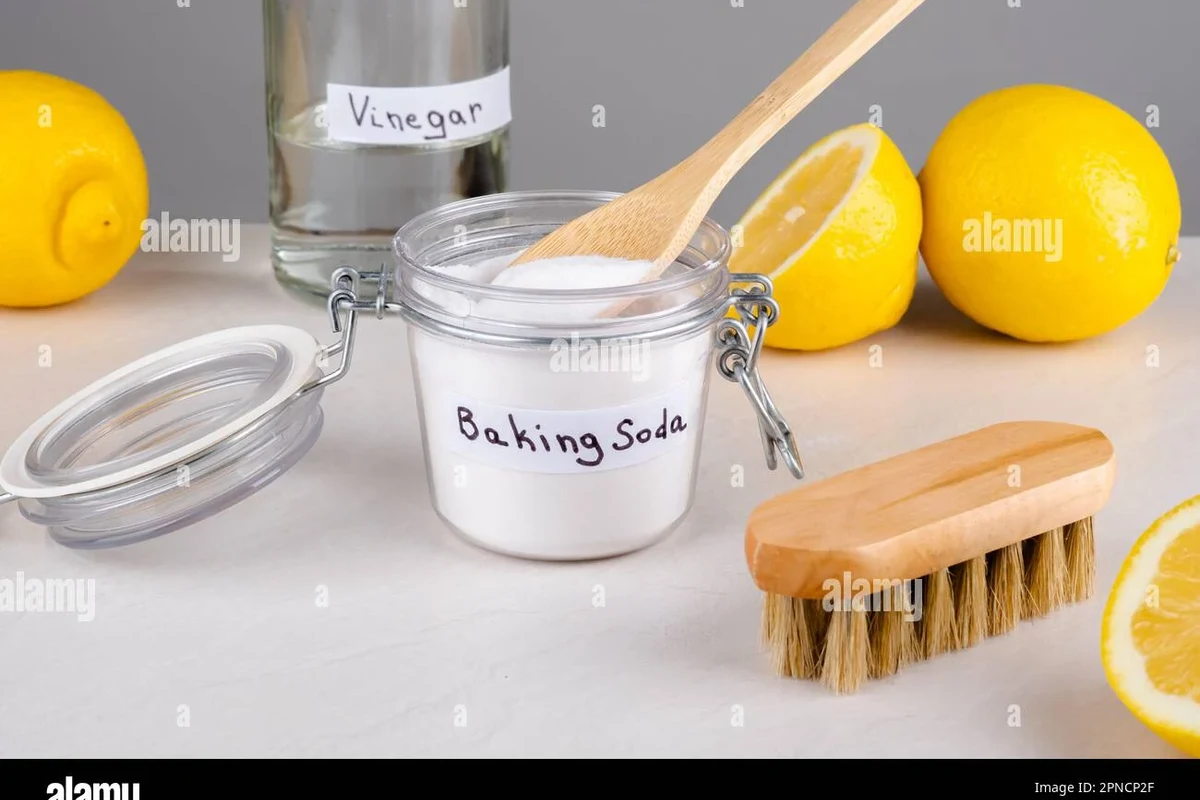
Baking soda and vinegar became popular because they are inexpensive, easy to find, and useful for many everyday cleaning jobs. If you want a fuller look at the chemistry behind the clean-up, our guide to the baking soda and vinegar reaction explained simply breaks down what is happening when the two are combined.
What this cleaning combo can and cannot realistically do
This method can help loosen grime, lift some fresh residue, and reduce odors. It is not a magic stain eraser, and it will not reliably remove every set-in mark or restore damaged fibers and finishes.
The biggest mistake is expecting the fizz alone to do the work. In practice, the stain removal comes from the paste, the mild abrasion of baking soda, the short dwell time, and the rinse or wipe-down that follows.
Why the method remains popular in 2026 for budget-friendly home care
People still use it because it feels practical. A box of baking soda and a bottle of vinegar are low-cost basics, and they can be useful for quick cleanup when you do not want to reach for a specialty product right away.
- Low-cost and widely available
- Good for light, fresh messes
- Can help with odor and residue
- Weak on deep or old stains
- Not safe for every material
- Can leave residue if overused
How Baking Soda and Vinegar Work on Different Types of Stains
Baking soda is a mild abrasive and deodorizer. Vinegar is acidic, which can help break down some mineral residue and light buildup, but it is not a universal stain remover.
Best stain targets: grease, food spills, deodorizing residue, and light discoloration
Fresh grease splashes, sauce drips, coffee rings on washable surfaces, and deodorant residue often respond better than older stains. On hard surfaces, this combo can help lift surface grime without harsh scrubbing.
It also works well when the problem is partly smell, not just color. That is why it is often used in laundry care and in general kitchen cleanup, similar to the approach discussed in baking soda in laundry benefits.
Where the method struggles: set-in stains, protein-based stains, and delicate materials
Old stains that have dried and bonded to fibers are harder to lift. Protein-based stains such as egg, blood, or dairy can also be tricky because heat, rubbing, or the wrong cleaner can set them further.
Delicate fabrics and finishes are another limit. Silk, wool, natural stone, and some sealed surfaces can react poorly to either the acidity of vinegar or the abrasion of baking soda.
Why the fizzing reaction matters less than the cleaning process itself
The fizz looks dramatic, but the bubbles are not the main reason a stain comes off. The reaction can help loosen debris for a moment, yet the actual cleaning usually depends on soaking, gentle agitation, and rinsing away the loosened soil.
When baking soda and vinegar are mixed directly, they neutralize each other quickly. That means the cleaning benefit is usually greater when you use them in sequence or in a controlled paste rather than in a large foaming batch.
Step-by-Step Method for Removing Stains with Baking Soda and Vinegar
The safest approach is to start small, test the surface, and use just enough product to wet the stain area. For many jobs, a little patience works better than a stronger mixture.
- Blot up any fresh spill instead of rubbing it in.
- Test a hidden spot first, especially on fabric or finished surfaces.
- Remove crumbs, dust, or loose residue before applying cleaner.
- Check the care label or surface instructions when available.
Surface preparation: blotting, testing, and removing loose debris
Start by blotting the stain with a dry cloth or paper towel. If the spill is still wet, lifting the excess first keeps it from spreading deeper into the material.
Then test a small hidden area. This matters on upholstery, carpet, painted finishes, grout, and any surface where color or sheen could change.
Typical measurement ranges for paste, sprinkle, and spray applications
For a basic paste, many people begin with a small amount of baking soda and add just enough vinegar to form a spreadable texture. If you want a gentler approach, sprinkle dry baking soda first and then apply a light mist of vinegar over it.
Keep the amount modest. Too much liquid can push the stain outward, and too much powder can leave chalky residue that is harder to rinse away.
Use baking soda as a paste for spot treatment, or sprinkle it dry on the stain before adding a light amount of vinegar.
Cover only the stained area. Avoid soaking surrounding material unless the surface can handle moisture.
Give it a short contact time so the product can loosen residue, but do not let it dry into a crust.
Use gentle pressure with a soft brush, sponge, or cloth. The goal is to lift the stain, not grind it deeper.
Remove all residue with water or a damp cloth, then dry the area so no white film remains.
Application methods for fabric, countertops, sinks, grout, and hard surfaces
For washable fabric, use a small paste and work from the outside of the stain inward. For countertops and sinks, a damp sponge usually gives better control than pouring the mixture directly onto the surface.
Grout and textured hard surfaces often benefit from a soft brush because the cleaner can reach small grooves. If you are cleaning oven-related messes too, our guide on baking soda vinegar cleaning ovens explains why controlled application matters on baked-on residue.
On smooth hard surfaces, wipe in one direction first, then rinse and dry. That helps prevent streaks, especially on darker finishes.
Contact time, scrubbing pressure, and rinse or wipe-down instructions
Short contact time is usually enough for light stains. If you leave the mixture on too long, it can dry out, cling to fibers, or leave a dull film on shiny surfaces.
Use only light to moderate pressure. If the stain does not improve after a careful pass or two, it is usually better to stop and try a different cleaner than to keep scrubbing.
Best Practices for Specific Stain Scenarios
Kitchen stains: coffee, tea, sauce, and cooking oil on washable surfaces
For coffee or tea on washable fabric, blot first, then treat the spot before it dries. On counters or sink edges, a paste can help lift leftover pigment and oily residue from sauces or cooking splatter.
Cooking oil often needs a little extra help because grease resists water. Baking soda can absorb some of the slickness, while vinegar may help with nearby mineral buildup, but very heavy grease usually needs a stronger degreaser.
Bathroom stains: soap scum, mild mildew marks, and hard-water residue
Soap scum and hard-water film are among the better targets for this method, especially on tile, sinks, and fixtures. Vinegar can help with mineral residue, while baking soda adds a mild scrubbing action.
If you see black mold, deep mildew, or widespread moisture damage, do not rely on baking soda and vinegar alone. Use a cleaner appropriate for the surface and follow official safety guidance for mold cleanup when needed.
Laundry use: treating fresh stains before washing without damaging fibers
For laundry, the best time to act is before the stain sets. Apply a small amount to the spot, let it sit briefly, and then wash according to the garment label.
Be careful with delicate fibers and dyed items. If you are already comparing stain-specific laundry methods, our article on baking soda for yellow stains may help you decide when a more targeted approach is better.
Upholstery and carpet: when spot treatment is appropriate and when to stop
Spot treatment is appropriate when the stain is small, fresh, and the fabric care label allows moisture. Use as little liquid as possible, and blot up the area well after treatment.
Stop if the color starts to transfer, the fabric gets fuzzy, or the stain spreads beyond the original spot. Carpet backing and upholstery padding can hold moisture longer than the surface, which may create more problems than it solves.
Common Mistakes That Make Stains Harder to Remove
Mixing too much product and creating a mess instead of a cleaning boost
More foam does not equal more cleaning. A large reaction can overflow, waste product, and make cleanup harder without improving stain removal.
A small, controlled amount is usually enough. If you need repeated treatment, it is better to reapply lightly than to flood the area all at once.
Rubbing aggressively and spreading the stain deeper into the surface
Hard scrubbing can damage fibers, rough up finishes, and push the stain farther into the material. This is especially true on carpet, upholstery, and soft plastics.
Gentle blotting and short passes are usually safer. If the stain is still visible after one careful treatment, repeat the process rather than increasing pressure.
Using the method on the wrong material, finish, or stain type
Natural stone, aluminum, wool, silk, and some sealed finishes can react badly to this cleaner. The same is true for stains that need a different chemical approach, such as protein stains or heavy rust.
If you are unsure about a finish, check the manufacturer’s care instructions first. That is especially important for countertops, specialty flooring, and upholstered furniture.
Skipping a patch test and risking discoloration or surface damage
A hidden test spot can save a lot of trouble. It is the easiest way to catch fading, dulling, or texture changes before they become visible in the main area.
Safety, Surface Compatibility, and Cleaning Limits
Materials to avoid or use cautiously: natural stone, aluminum, wool, silk, and sealed finishes
Natural stone can be etched by acidic products, and aluminum may discolor. Wool and silk can also react poorly to moisture, friction, or pH changes, so these materials need extra caution.
For delicate or expensive surfaces, use the gentlest approved cleaner first. When in doubt, follow the care label or the product manufacturer’s instructions rather than relying on a general home remedy.
Why this method should not be mixed with bleach or other strong cleaners
Never mix vinegar with bleach. That combination can release dangerous fumes, and mixing household cleaners without checking compatibility can create serious safety risks.
It is also smart to avoid combining this method with other strong cleaners unless the label says it is safe. One cleaner at a time is the safer rule.
Ventilation, gloves, and safe handling around children and pets
Use the cleaner in a well-ventilated area, especially if you are working in a bathroom or another small room. Gloves can help protect sensitive skin during repeated cleaning.
Keep all cleaning mixtures out of reach of children and pets. Even common pantry ingredients can cause irritation if swallowed or if they get into eyes.
How to Store, Use, and Troubleshoot Leftover Cleaning Mixtures
What to keep dry, what to mix fresh, and why storage life is limited
Keep baking soda dry in a sealed container and mix only what you need for the job. Vinegar can be stored normally, but once the two are combined, the reaction starts immediately and does not stay effective for long.
That is why fresh mixing is usually best. A leftover foamy mixture often loses usefulness quickly and may just become watery residue.
How to adjust for weak stain removal, residue, odor, or streaking
If the stain is still visible, repeat with a slightly longer soak or a softer brush, but keep the area small. If residue remains, wipe with clean water and dry the surface thoroughly.
If odor lingers, the problem may be deeper than the surface. In that case, a targeted deodorizer or fabric-safe cleaner may work better than repeating the same mix.
When to switch to a different cleaner or a professional cleaning method
Switch methods when the stain is old, the material is delicate, or the mark is from rust, dye transfer, blood, mold, or another stubborn source. Those situations often call for a product designed for that specific stain.
If the item is valuable, upholstered, or hard to replace, professional cleaning may be the safer choice. This is especially true when moisture could spread damage inside padding, grout, or layered materials.
Final Verdict: When Baking Soda and Vinegar Is the Right Choice
Best use cases for quick, low-cost stain cleanup at home
This method is a good first step for fresh kitchen spills, light bathroom residue, deodorizing needs, and simple laundry pre-treatment. It is most useful when you want a low-cost, low-drama way to handle a small mess quickly.
Situations where a specialized stain remover will work better
Choose a specialty cleaner for old stains, protein stains, rust, heavy grease, mold, or delicate fabrics. Those problems usually need a more targeted formula and a surface-specific approach.
Practical recap for choosing the safest and most effective approach
For removing stains with baking soda and vinegar, start small, test first, and use gentle cleaning rather than force. If the stain is light and the surface is compatible, this method can be a smart, budget-friendly option; if not, move to a better-matched cleaner before the stain sets further.
Baking soda and vinegar are best for fresh, light stains and quick cleanup on compatible surfaces. For stubborn, delicate, or high-value items, a specialized cleaner or professional method is usually the safer and more effective choice.
Frequently Asked Questions
Start with a small amount, just enough to cover the stain without soaking the surface. A light paste or a sprinkle-and-mist approach is usually easier to control than a large foaming mix.
No, not all fabrics are safe for this method. Test a hidden area first and avoid delicate materials like silk and wool unless the care label says otherwise.
The fizz can help loosen debris, but it is not the main cleaning action. The stain removal usually comes from the paste, gentle scrubbing, and rinsing or wiping away residue.
Fresh grease, food spills, deodorizing residue, and light discoloration are the best targets. Set-in stains, protein stains, and rust usually need a different product.
That is usually not a good idea. Long contact time can leave residue, damage some surfaces, or let the stain set deeper into the material.
No, never mix vinegar with bleach. Household cleaners should be used one at a time unless the label clearly says they can be combined safely.
