
Baking Soda Pregnancy Gender Test Does It Really Work
No, the baking soda pregnancy gender test does not reliably predict a baby’s sex. Any fizz is caused by urine chemistry, not by fetal gender.
The baking soda pregnancy gender test is one of the internet’s most talked-about home myths, but it does not reliably predict a baby’s sex. It may be fun to try as a curiosity, yet it should never replace real pregnancy or fetal sex testing.
- Accuracy: The test is not scientifically reliable for predicting fetal sex.
- Reaction meaning: Fizzing only shows an acid-base reaction, not baby gender.
- Safety: Use clean disposable tools and keep the mixture away from food equipment.
- Better options: Pregnancy tests, ultrasound, and approved prenatal screening are the real choices.
What the Baking Soda Pregnancy Gender Test Claims to Predict
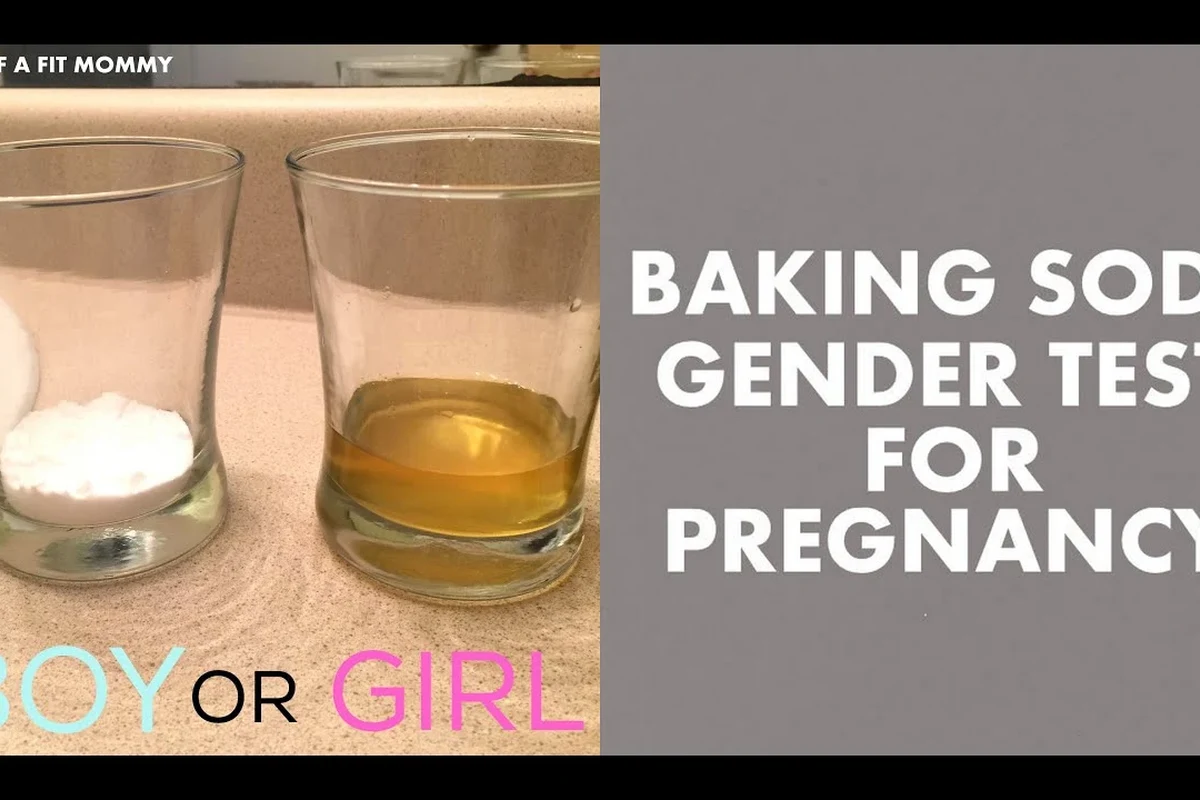
The baking soda pregnancy gender test is usually described as a simple reaction test using urine and household baking soda. In the common version, people believe that a strong fizz means one result and little or no reaction means another. The idea is appealing because it feels fast, cheap, and easy to do at home.
How the home “gender test” is supposed to work
The basic claim is that urine from a pregnant person will react differently with sodium bicarbonate depending on the baby’s sex. Some versions say a boy causes more fizzing, while others reverse the claim or use different reaction patterns. The problem is that these rules are not consistent from one website to another, which is usually a sign that the method is folklore rather than a tested system.
This test is often mixed up with a pregnancy confirmation trick, but even that use is not medically dependable. A reaction in a cup does not tell you whether you are pregnant, and it definitely does not tell you fetal sex.
Why people still search for this method in 2026
People keep searching for the baking soda pregnancy gender test because it is simple, inexpensive, and easy to share on social media. It also taps into the very human desire to guess early and feel involved before ultrasound or medical testing is available. For readers who enjoy home experiments, it can seem a little like a kitchen science demo, even though it is not a real diagnostic tool.
If you enjoy learning how common household ingredients behave, you may also like our explanation of the baking soda and vinegar reaction. That reaction is real chemistry, but it still does not translate into a baby gender test.
What Science Says About Baking Soda, Urine, and Pregnancy Myths
There is no scientific basis for using baking soda and urine to determine fetal sex. Fetal sex is set by chromosomes, while urine chemistry is affected by many unrelated factors such as hydration, diet, and medications. Those are completely different systems, so one cannot accurately reveal the other.
Why urine chemistry cannot determine fetal sex
Urine contains water, salts, urea, and many compounds that change throughout the day. Baking soda reacts with acids, so the amount of fizz depends on how acidic the sample is, not on whether the fetus is male or female. A sample can bubble more because it is more acidic, not because of anything about the baby.
Hormones, pH, and the limits of at-home interpretation
Pregnancy changes hormones, and hormones can influence body chemistry in indirect ways. But that still does not create a direct link between urine pH and fetal sex. Even if a sample seems to react in a pattern that matches a prediction, that is only a coincidence unless it has been validated in controlled testing.
Urine pH can shift during the day based on what you eat, how much you drink, and certain medications. That makes it a moving target, which is one reason home “gender” interpretations are so unreliable.
Common reasons the test seems to “match” by coincidence
People tend to remember the times a guess was right and forget the times it was wrong. That creates the feeling that the test works better than it really does. Also, if a method gives only two possible outcomes, it will look “correct” about half the time by chance alone.
- Cheap and easy to try
- Can be treated as a harmless curiosity
- No proven link to fetal sex
- Results are easily distorted by urine chemistry
How to Perform the Baking Soda Pregnancy Gender Test Safely if You Are Curious
If you still want to try the baking soda pregnancy gender test as a home experiment, keep it simple and sanitary. Treat it like a disposable science demo, not a medical test. Do not drink the mixture, and do not use it to decide anything important about your pregnancy.
Basic materials and measurement ratios people usually use
Most versions use a small amount of baking soda in a clean cup or bowl and a urine sample poured over it. Online instructions vary, but the common idea is roughly equal parts or a small spoonful of baking soda with enough urine to observe a reaction. Because the method is not standardized, the exact ratio does not make the result more trustworthy.
Step-by-step method and what a reaction may look like
Use a disposable or thoroughly cleaned cup so residue from soap, food, or cleaners does not affect the reaction.
Place a small spoonful in the bottom of the cup. Keeping the amount similar each time helps you compare reactions, even though the test is still not reliable.
Use a fresh sample and pour slowly. A fizz, foam, or silence may appear, but none of these outcomes can confirm fetal sex.
Dispose of the mixture safely, wash your hands, and clean the container if you plan to reuse it for anything else.
Safety notes for handling urine and household baking soda
Urine is a bodily fluid, so basic hygiene matters. Wear gloves if you prefer, keep the mixture away from food prep surfaces, and wash your hands afterward. If you are pregnant, avoid any experiment that could expose you to splashes, strong cleaners, or unnecessary mess.
Do not use a food bowl, mixing spoon, or baking pan for this test and then return it to cooking use. Keep bodily-fluid experiments separate from all baking and pastry tools.
Why Results Can Look Different from One Person to Another
One person may see a big fizz while another sees almost nothing, even if both are using the same general method. That difference does not mean one result is more accurate. It usually means the samples and conditions were different.
Hydration, diet, medications, and timing of the sample
What you eat and drink can change urine concentration and acidity. Morning urine may behave differently from urine collected later in the day, and some medications can also affect the sample. This is a big reason the baking soda pregnancy gender test can appear inconsistent even within the same person.
Container choice, contamination, and inconsistent measuring
A cup with soap residue, vinegar, bleach, or even leftover dish detergent can change the reaction. Measuring with different spoon sizes or using too much liquid can also make the fizz look stronger or weaker than it really is. Small household variables matter a lot in a simple acid-base reaction, which is why a casual home method is easy to misread.
Examples of misleading “boy” or “girl” reactions
A sample may fizz because it is more acidic that day, then be labeled “boy” by a website that uses that rule. Another person may get little reaction and call it “girl,” even though the sample simply had a different pH or was diluted. These are classic examples of pattern matching without proof.
The reaction seems different each time, so the result feels confusing.
Assume the test is reacting to urine chemistry, not fetal sex. If you want real information, use a medical test instead of trying to decode the foam.
How the Baking Soda Test Compares with Real Pregnancy and Gender-Related Testing
It helps to separate three different questions: Am I pregnant, what is the baby’s sex, and does the baby have any genetic concerns? The baking soda test does not answer any of them with confidence. Real testing uses methods designed for the specific question being asked.
At-home pregnancy tests versus old wives’ methods
At-home pregnancy tests look for hCG, a hormone associated with pregnancy. That is why they can be useful when used correctly and at the right time. In contrast, the baking soda method is an old wives’ tale that looks for a foam reaction, which is not a validated pregnancy marker.
If you are trying to understand whether baking soda is the right ingredient in a recipe or a household task, our guide on baking soda and baking powder explains why similar-looking ingredients behave very differently. The same idea applies here: a visible reaction does not automatically mean a meaningful result.
Ultrasound timing and what it can actually show
Ultrasound can sometimes show fetal sex, but timing, baby position, and equipment quality all matter. A technician may be able to identify sex more clearly later in pregnancy than earlier, and even then there can be uncertainty. Ultrasound is useful because it is a medical imaging tool, not because it guesses from urine chemistry.
NIPT and medical testing for fetal sex and genetic information
Noninvasive prenatal testing, often called NIPT, can sometimes provide fetal sex information along with screening for certain chromosomal conditions. It is not the same as a home experiment, and availability depends on your clinician, your pregnancy stage, and local medical practice. For any medical test, follow your healthcare provider’s guidance and official lab instructions.
If you are pregnant and want accurate information about fetal sex or genetic screening, rely on a clinician, ultrasound, or approved prenatal testing. Home baking soda reactions are not a substitute for medical care.
Common Mistakes People Make When Trying the Baking Soda Gender Test
Most mistakes come from expecting a kitchen-style reaction to behave like a medical test. That expectation leads people to overread foam, ignore sample differences, and confuse entertainment with evidence.
Using the wrong baking soda-to-urine ratio
Too much baking soda can make every sample look dramatic, while too little may make every result look flat. Because the method is not standardized, changing the ratio changes the appearance of the reaction more than it changes any supposed meaning. That makes comparisons almost useless.
Reading fizz, foam, or silence as a definitive answer
Fizzing only tells you that a reaction occurred. Silence only tells you the reaction was not obvious under those conditions. Neither outcome can confirm fetal sex, and neither should be treated as a diagnosis.
Confusing pregnancy confirmation with gender prediction
Some people use the test before they know whether they are pregnant at all. That is a separate question, and it should be answered with a proper pregnancy test. A urine-and-baking-soda reaction cannot replace a test designed to detect hCG.
- Use a clean disposable container
- Keep the test away from food-prep tools
- Do not treat the result as medical proof
- Use a real pregnancy test if you need confirmation
When Home Myths Are Fun and When They Should Be Left Behind
Some home myths are harmless entertainment, and this one can fall into that category if you treat it lightly. The trouble starts when a fun guess becomes a decision-maker. Pregnancy questions deserve better than a reaction in a cup.
Entertainment value versus medical accuracy
As a playful guessing game, the baking soda pregnancy gender test may be fine for people who understand its limits. As a way to predict fetal sex, it fails because it has no reliable scientific foundation. A method can be popular and still be wrong.
If you enjoy old-fashioned home tests, think of this one as a curiosity, not a verdict. In the kitchen, a reaction can help you troubleshoot; in pregnancy, the same kind of reaction cannot tell you what you need to know.
Signs you should rely on a clinician instead of a home experiment
If you have missed a period, have a positive pregnancy test, have pain, bleeding, dizziness, or any concern about your health, contact a clinician. If you want fetal sex information, ask about the right timing for ultrasound or prenatal screening. Medical guidance is always the better choice when the answer matters.
How to talk about pregnancy questions with a healthcare professional
Be direct about what you want to know. You can ask when a pregnancy test is accurate, when ultrasound may show fetal sex, and whether any screening is appropriate for your situation. Clear questions help your provider give clear answers.
Final Verdict on the Baking Soda Pregnancy Gender Test in 2026
The baking soda pregnancy gender test cannot reliably tell you whether you are having a boy or a girl. At best, it is a household chemistry curiosity that may fizz for reasons unrelated to pregnancy or fetal sex.
What the method can and cannot tell you
It can show that baking soda reacts with an acidic sample. It cannot show fetal chromosomes, confirm pregnancy, or provide medically meaningful sex prediction. If the result seems accurate, that is almost certainly coincidence rather than proof.
Best-practice recap for readers deciding whether to try it
If you try it, do so only for entertainment, use a clean disposable container, and keep the mixture away from kitchen tools and food surfaces. If you need real answers, use a pregnancy test, ask your clinician, and follow approved medical guidance. That is the safest and most accurate approach in 2026.
The baking soda pregnancy gender test is a fun myth, not a reliable predictor. Enjoy it as a curiosity, but trust medical testing for real pregnancy and fetal sex information.
Frequently Asked Questions
No, it does not reliably predict fetal sex. Any fizzing is caused by urine chemistry, not by whether the baby is a boy or a girl.
No, it cannot confirm pregnancy. Use an at-home pregnancy test that detects hCG or ask a clinician for proper testing.
Urine acidity, hydration, diet, medications, and contamination can all change the reaction. That is why results vary so much from one person to another.
It is generally low risk if you handle the sample hygienically and keep it away from food tools. Do not drink the mixture and wash your hands after handling urine.
Ultrasound or approved prenatal screening such as NIPT can provide real medical information. Timing and availability depend on your pregnancy and your healthcare provider.
It is cheap, easy, and often seems to match by chance. People also tend to remember the times a guess was right and forget the times it was wrong.

