Baking Soda and Vinegar for Odor Removal That Works
Baking soda and vinegar can help remove many everyday odors when you use them in the right order and keep surfaces dry. They are best for light to moderate smells, not deep or recurring odor problems.
Baking soda and vinegar for odor removal is still one of the simplest DIY options for everyday smells in the home. Used the right way, it can help with light to moderate odors in kitchens, drains, trash cans, fabrics, and more.
- Best use: Works well for everyday kitchen, trash, drain, shoe, and light fabric odors.
- How it helps: Baking soda absorbs smell; vinegar helps loosen residue and refresh surfaces.
- Main limit: It is not strong enough for mold, sewage, smoke, or deep contamination.
- Better technique: Use them separately or in sequence, not as a large mixed batch.
- Safety first: Avoid bleach, test delicate surfaces, and dry the area well after cleaning.
Why Baking Soda and Vinegar Are Still a Go-To Odor Removal Method in 2026
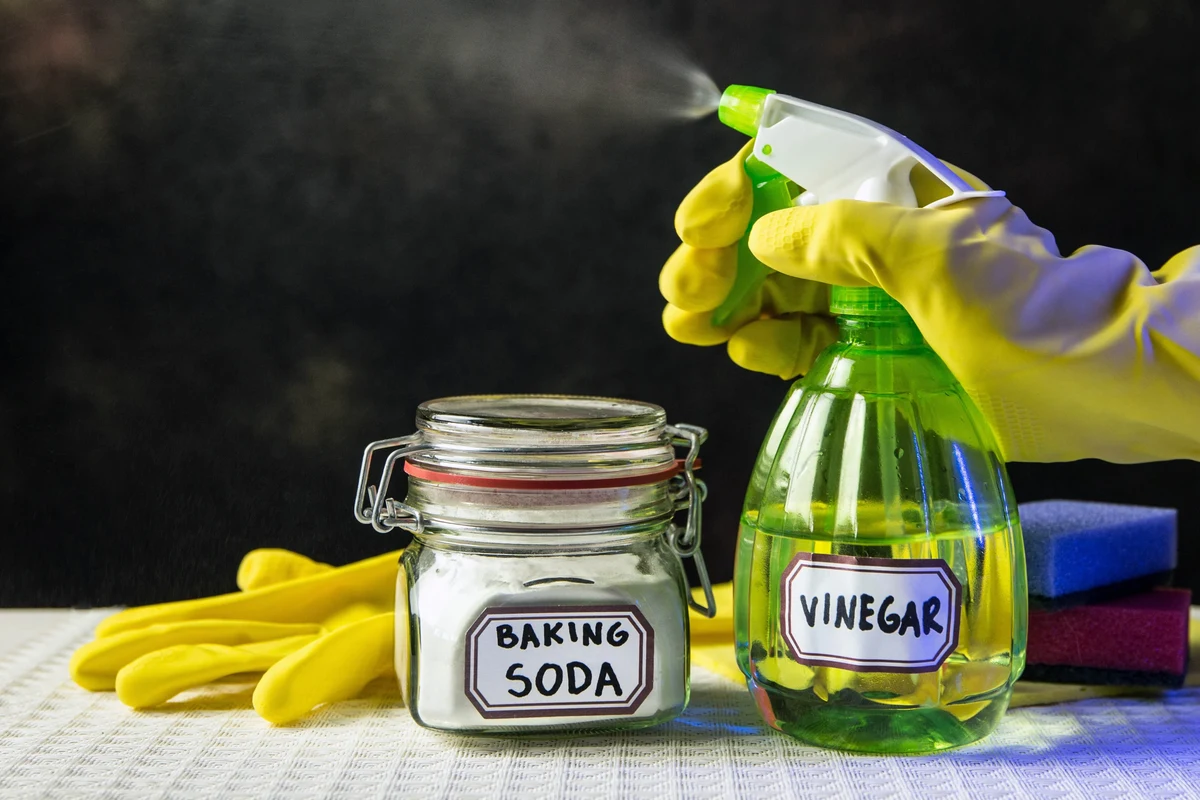
Even with all the specialty sprays and enzyme cleaners on the market, this old pairing remains popular because it is inexpensive, easy to find, and familiar to most home cooks. Baking soda is a mild base that can help absorb and soften odors, while vinegar is a mild acid that can loosen residue and help break down some odor-causing buildup on surfaces.
That makes the method appealing for quick cleanup jobs where you do not want to reach for a heavy chemical cleaner. If you want a deeper look at the chemistry behind the fizz, our baking soda and vinegar reaction explained simply article breaks it down in plain language.
What makes this old-school combo relevant for modern homes
The main reason is practicality. Most households need a fast response to everyday smells, not a complicated treatment plan, and this combo fits that need.
It is also flexible. You can use baking soda dry for absorption, vinegar diluted for wiping or rinsing, or both in sequence when a surface needs deodorizing and light cleaning.
Where the search intent usually starts: kitchens, drains, carpets, and trash cans
People usually search for this method when a smell is noticeable but not yet severe. Common triggers include sour kitchen odors, musty carpet spots, sink or drain smells, and trash cans that hold onto food residue.
These are the kinds of problems where a simple home method may help before you move to a stronger cleaner. For drain-specific situations, our clean drains with vinegar and baking soda guide covers a more focused approach.
How Baking Soda and Vinegar Work on Different Types of Odors
Odors are not all the same. Some come from acidic compounds, some from basic compounds, and many come from residue, bacteria, moisture, or trapped particles on a surface.
Baking soda helps most when smell molecules need to be absorbed or neutralized. Vinegar helps when the problem includes grime, mineral film, or sticky residue that is holding the odor in place.
Neutralizing acidic and basic odor sources
Baking soda is alkaline, so it can help shift some acidic odor sources toward a less noticeable state. Vinegar is acidic, so it can help with some basic residues and surface buildup.
In plain terms, each ingredient can change the chemical environment enough to make certain smells less strong. That does not mean it destroys every odor source, but it can reduce the intensity of many common household smells.
When bubbling helps and when it is mostly a visual reaction
The fizz gets a lot of attention, but bubbling is not the same thing as deep odor removal. It shows that the two ingredients are reacting, which can help loosen some grime, but the reaction itself is short-lived.
For odor removal, the more important work usually happens before and after the fizz: removing residue, giving the surface contact time, and allowing the area to dry with good airflow.
Why odor removal depends on surface type, residue, and airflow
Hard, nonporous surfaces are easier to deodorize than porous ones. A refrigerator shelf, sink, or trash bin usually responds better than carpet padding or old fabric because smell particles do not sink as deeply into the material.
Airflow matters too. If a damp area stays closed up, odor can linger even after cleaning. Drying is often the step that makes the biggest difference in how fresh the area smells afterward.
Baking soda is often used dry for odor absorption, while vinegar is often best used diluted for cleaning and rinsing. Using them one after the other is usually more effective than mixing a large amount together in one bowl.
Best Uses Around the Home: Where This Method Works Well
This method works best on everyday odor problems that have not soaked deeply into a material. It is especially useful when the smell comes from food residue, light buildup, or a damp area that needs a quick refresh.
Refrigerators, microwaves, sinks, drains, and garbage disposals
Refrigerators often benefit from a dry box or open container of baking soda because it can help absorb lingering food odors. Microwaves, sinks, and garbage disposal areas usually respond better to a wipe-down or rinse with diluted vinegar after the visible mess is removed.
For ovens, a different process is often needed because baked-on grease behaves differently from a simple odor problem. If you are dealing with that kind of cleanup, see our baking soda vinegar cleaning ovens article for more detail.
Trash bins, pet areas, shoes, and fabric refresh situations
Trash bins and pet areas often need both cleaning and deodorizing because the odor usually comes from residue, not just air. Baking soda can help absorb smell in shoes or fabric, while a light vinegar solution may help refresh washable surfaces if the material allows moisture.
For carpets, this method can help with surface-level odor, but it is not a cure-all for deep spills or old stains. Our baking soda on carpet clean refresh guide explains why porous fibers need extra care.
Practical examples of light, moderate, and stubborn odor problems
Light odor problems include a slightly stale refrigerator, a trash can that smells after bag removal, or shoes that need a freshening step. Moderate problems might include a sink drain with a sour smell or a carpet spot that still smells after blotting.
Stubborn odors are different. Smoke, mold, pet urine, and long-standing food spills often need more than a quick baking soda and vinegar treatment, especially if the source has soaked into padding, grout, or hidden surfaces.
How to Use Baking Soda and Vinegar for Odor Removal the Right Way
The best results usually come from using the ingredients in a controlled way instead of dumping large amounts together. Think of the process as cleaning first, deodorizing second, and drying last.
Recommended measurements and application ratios for common surfaces
For most household deodorizing tasks, start with a small amount. A light sprinkle of baking soda is often enough for a bin, carpet spot, or shoe interior, while vinegar should usually be diluted with water for wiping or rinsing, especially on sensitive surfaces.
A common starting point for a surface spray is equal parts vinegar and water, though some jobs may need more water depending on the material. Always check the item or appliance manufacturer’s guidance when you are cleaning food-contact areas or finished surfaces.
Step-by-step method for deodorizing without over-wetting or over-mixing
Wipe away crumbs, spills, hair, or visible grime before adding any deodorizing step. Odor often clings to residue, so skipping this stage weakens the result.
Use a light layer on dry or damp-but-not-wet areas such as shoes, bins, carpets, or refrigerator shelves. Let it sit long enough to absorb odor, then vacuum or wipe it away as needed.
Apply the vinegar solution to a cloth, sponge, or spray bottle rather than flooding the surface. This helps deodorize without soaking porous materials or leaving too much moisture behind.
Open windows, turn on a fan, or leave the area uncovered so moisture can leave the surface. Drying is especially important for fabric, trash bins, and under-sink spaces.
Contact time, rinsing, and drying for better results
Contact time matters more than many people expect. If the cleaner is wiped off too quickly, it may not have enough time to loosen residue or reduce odor.
After using vinegar on food-contact surfaces, rinse or wipe with clean water when appropriate, then dry thoroughly. In enclosed spaces such as cabinets or under sinks, leave doors open if it is safe to do so so the area can air out.
For drains and disposals, a small amount of baking soda followed by vinegar may help with light odors, but it will not replace mechanical cleaning if grease or food buildup is already heavy.
Common Mistakes That Reduce Odor Removal Results
Most disappointing results come from method mistakes, not from the ingredients themselves. The two biggest problems are using too much at once and expecting a simple reaction to fix a deeper odor source.
Mixing too much at once and canceling out the cleaning effect
If you combine a large amount of baking soda and vinegar in one container, the fizz happens quickly and the mixture loses much of its cleaning usefulness. That reaction can be satisfying to watch, but it is not the same as giving each ingredient a job.
For better odor control, use baking soda to absorb and vinegar to wipe, rinse, or loosen residue. That sequence is usually more effective than trying to make a powerful all-in-one foam.
Using it on the wrong surface or expecting it to fix deep contamination
Some odors are signs of contamination, not just surface smell. Mold, sewage, spoiled food hidden in cracks, or pet accidents that reached padding may need a stronger cleaner or professional help.
Porous materials can also hold smell deep inside, which means a quick treatment may only mask the odor for a short time. If the smell returns after drying, the source is probably still present.
Skipping pre-cleaning, ventilation, or follow-up drying
It is easy to focus on the deodorizer and forget the basics. If crumbs, grease, or dampness remain, the odor often comes back because the source is still active.
Ventilation is also important. A closed room with lingering moisture can smell worse after cleaning than before, especially if the area has poor airflow.
The smell seems to return after the area dries.
The odor source may still be present in the material, drain, or hidden buildup. Clean more thoroughly, increase airflow, and consider a stronger treatment if the smell keeps returning.
Safety, Surface Compatibility, and When Not to Use This Method
This DIY method is simple, but it is not universal. Surface safety matters, and some materials react poorly to acid, moisture, or repeated scrubbing.
Materials that may react poorly to vinegar or moisture
Vinegar can dull or damage some natural stone, unsealed grout, waxed finishes, and certain metals over time. Moisture can also cause trouble on wood, electronics, upholstered padding, or anything that should stay dry.
When in doubt, test in a small hidden area first and check the care instructions for the item or appliance. For finished appliances, manufacturer guidance should always come first.
Why it should not be used with bleach or other chemical cleaners
Never mix vinegar with bleach. That combination can create dangerous fumes, which is a serious safety risk in any home kitchen or cleaning area.
It is also smart to avoid combining homemade cleaners with other unknown products unless you have confirmed they are compatible. If a surface has already been treated with another cleaner, rinse well before using a new one.
Do not use baking soda and vinegar with bleach, ammonia, or other chemical cleaners. If you are cleaning a small enclosed space, ventilate it well and keep the area dry enough to prevent slip hazards or moisture damage.
Handling food-contact areas, drains, and enclosed spaces safely
On food-contact surfaces, clean first, then use a mild solution, and rinse when needed. This is especially important on counters, sinks, and refrigerator shelves where residue can touch food.
For drains and garbage disposals, avoid aggressive pouring that can splash back. Use small amounts, follow with water as needed, and stop if the odor seems tied to a clog, backup, or plumbing issue.
If an odor is sharp, sewage-like, moldy, or linked to a leak, do not keep reapplying DIY cleaners. Find the source first, because repeated masking can delay a repair or sanitation problem.
Comparing Baking Soda and Vinegar to Other Odor Removal Options
This method is best understood as a budget-friendly, everyday tool rather than a universal odor solution. Other products can be better for certain kinds of smells, especially when the source is biological or deeply embedded.
How it compares with activated charcoal, enzyme cleaners, and commercial deodorizers
Activated charcoal is often used for passive odor absorption in enclosed spaces, such as closets, bins, or refrigerators. It does not clean residue, but it can be useful when the goal is to absorb smell over time.
Enzyme cleaners are often a stronger choice for pet accidents and organic stains because they target the material that feeds the odor. Commercial deodorizers may mask smells quickly, but they vary widely in ingredients and performance, so label reading matters.
- Low cost and easy to find
- Useful for many light household odors
- Can clean and deodorize in one routine
- Not strong enough for deep or recurring odors
- Can be ineffective if mixed in large amounts together
- May not suit delicate or moisture-sensitive surfaces
Cost, convenience, and effectiveness for everyday home use
For routine home use, baking soda and vinegar are convenient because most kitchens already have them on hand. They are also easy to dose in small amounts, which helps prevent overuse.
That said, convenience does not automatically mean best. A product designed for pet odors, smoke residue, or mold-related cleanup may work better when the source is more serious.
When a stronger product or professional cleaning is the better choice
If the odor keeps coming back after cleaning, that usually means the source is still active. Water damage, mold growth, sewer gas, spoiled food in hidden areas, or pet urine in padding often need more than a DIY deodorizer.
In those cases, a targeted cleaner, repair, or professional cleaning may save time and reduce the risk of making the problem worse.
When to choose a specialty odor remover
Pick a specialty cleaner when the smell is tied to pet accidents, smoke, mold, or hidden residue. These products are designed for specific sources, while baking soda and vinegar work best as general-purpose helpers for lighter jobs.
Final Verdict: When Baking Soda and Vinegar Is Worth Using for Odor Removal
Baking soda and vinegar for odor removal is worth using when you want a simple, low-cost method for everyday smells and light residue. It is especially useful in kitchens, trash bins, drains, shoes, and other situations where the odor is noticeable but not deeply embedded.
The key is to use the ingredients in the right order, with the right expectations. If the smell is persistent, returns quickly, or points to a deeper problem, move beyond DIY and choose a more targeted cleaner or professional help.
Use baking soda and vinegar for routine deodorizing, surface cleanup, and small odor problems. For deep, recurring, or safety-related odors, treat it as a first step rather than the final answer.
Frequently Asked Questions
Usually, no. They work better when used in sequence or for different jobs, because mixing large amounts together can reduce the cleaning effect.
They work best on light to moderate household odors from food residue, trash bins, drains, shoes, and some fabric refresh situations. Deep odors from mold, pet urine, or smoke often need a stronger cleaner.
They can help with light drain odors caused by residue or buildup. If the smell keeps coming back, there may be a clog, backup, or plumbing issue that needs a different fix.
No. Vinegar can damage some natural stone, waxed finishes, unsealed grout, and moisture-sensitive materials, so test first and check care instructions.
On food-contact surfaces, rinsing or wiping with clean water is often a good idea. Dry the area well afterward so moisture does not cause another odor problem.
Stop if the odor is strong, recurring, moldy, sewage-like, or tied to a leak or contamination source. In those cases, the source needs to be addressed directly.