
Baking Soda Powdered Sugar Ants Killer Guide for Home

This DIY ant bait can help with small ant problems if the sugar attracts the ants and the station is placed well. It is not a guaranteed killer, so bigger infestations usually need a stronger ant-control plan.
If you are seeing ants in the kitchen, the baking soda powdered sugar ants method is one of the most searched DIY ideas for home control. It is simple, inexpensive, and easy to try, but it works best as a baiting strategy—not a guaranteed instant kill.
- Best use: Works most reasonably as a low-cost bait for small, visible ant trails.
- Main limit: Results vary by ant species, moisture, and how well the bait is placed.
- Safety first: Keep bait away from food prep areas, children, and pets.
- Success factor: Use a sweet-heavy mix and leave the trail undisturbed long enough for feeding.
- Next step: If ants keep returning, switch to commercial bait, sealing, and sanitation fixes.
What “Baking Soda + Powdered Sugar” Means for Ant Control in 2026
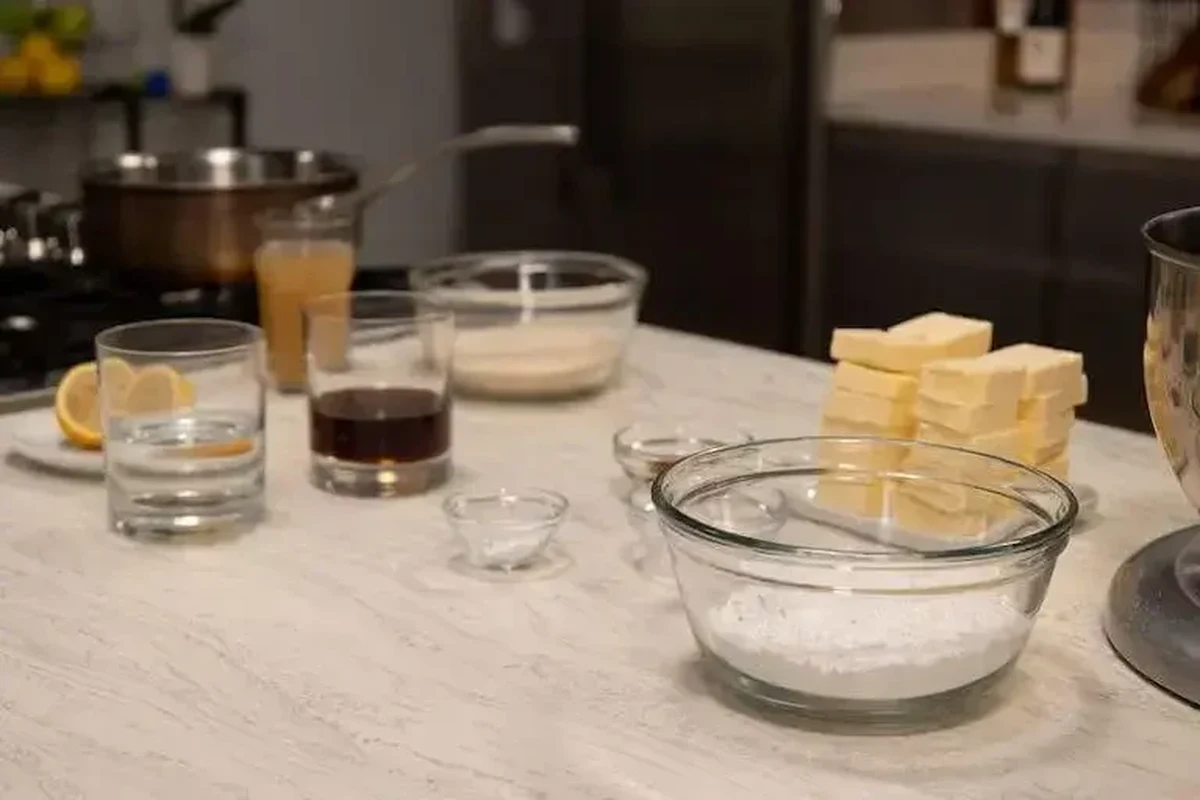
This mix is a homemade ant bait made from powdered sugar and baking soda, usually placed near ant trails. The sugar is meant to attract foraging ants, while the baking soda is the ingredient people hope will disrupt them after they ingest it.
Why this DIY ant bait keeps trending in home searches
People keep searching for this method because it sounds practical: two pantry ingredients, no special tools, and a quick setup. It also fits the larger trend of homeowners looking for low-cost fixes before moving to stronger pest control products.
That said, popularity does not equal reliability. Some home remedies spread fast online because they are easy to explain, not because they work consistently in every kitchen or against every ant species.
How the method is supposed to work: attraction vs. ingestion
The idea is that ants first notice the sugar, then carry the bait back toward the colony. If enough ants feed on it and share it, the colony may be affected over time.
In practice, the method depends on ants actually eating the bait, not just walking past it. If the mixture is too dry, too clumpy, or placed in the wrong spot, the ants may ignore it.
Where it fits among modern ant-control options
This DIY mix sits at the low-cost, low-precision end of ant control. It can be worth trying for a small, early ant problem, especially if you are also cleaning up food sources and sealing entry points.
For larger infestations, commercial baits, targeted barriers, and sanitation fixes are usually more dependable. If you want a broader ingredient-safety refresher, our guide on is baking soda and baking powder the same explains why these pantry powders behave very differently.
Baking soda is not a registered pesticide in the way commercial ant products are. Treat this as a household experiment for light control, not a proven extermination method.
Does Baking Soda Powdered Sugar Ants Killer Actually Work?
The honest answer is: sometimes, but not reliably. The method can reduce visible ant activity in some homes, yet it does not consistently eliminate colonies the way a well-matched commercial bait may.
What the sugar is doing in the mixture
Powdered sugar is there to make the bait attractive. Ants usually feed on sweet substances quickly, so the sugar helps draw them in and keeps them interested long enough for the bait to be carried away.
Powdered sugar is often used instead of granulated sugar because its finer texture blends more evenly with baking soda. A smoother mixture is easier for small ants to pick up and transport.
What baking soda can and cannot do inside an ant colony
Baking soda is the part people expect to do the damage, but that is also where the method becomes uncertain. Inside an ant colony, the goal is not just to kill one visible ant; it is to affect enough of the colony to slow or stop the problem.
The limitation is that ants may not consume enough baking soda for a strong effect, and different species respond differently. Some ants may avoid the bait, feed only briefly, or choose another food source if yours is too dry or too exposed.
Why results vary by ant species, nest size, and humidity
Ant species matter because some prefer sweets, some prefer protein, and some change preferences depending on the season. Nest size matters because a small colony is easier to disrupt than a large, established one.
Humidity also matters. In damp conditions, the bait can clump, lose its texture, or become less attractive. In very dry rooms, ants may still ignore it if the scent trail is weak or the bait is placed too far from the active route.
Ants communicate with pheromone trails, so a bait works best when it sits close to the trail and is left undisturbed long enough for foragers to share it.
Best Ratios, Placement, and Setup for Home Use
There is no single verified ratio that guarantees success, but most DIY versions use more sugar than baking soda. The sugar should dominate the blend so the ants treat it like food rather than a powder to avoid.
Common mixing ratios people try and why they matter
A common starting point is a sweet-heavy mix, such as 2 parts powdered sugar to 1 part baking soda. Some people go even sweeter, because if the baking soda flavor or texture is too strong, ants may stop feeding.
The ratio matters because bait only works if ants keep eating it. If you use too much baking soda, you may create a mixture that looks like debris instead of food.
How to place bait near trails without disrupting foragers
Set the bait close to where ants are already traveling, but do not smear it directly across the trail. Ants are more likely to approach a small, stable bait station than a messy pile that gets scattered or wiped away.
Try to keep the area calm for a while. If you keep cleaning, spraying, or moving the bait, ants may abandon the route before enough of them feed.
Using shallow lids, cotton balls, or small dishes safely
Shallow lids and small disposable dishes work well because they hold a thin layer of powder and make cleanup easier. A cotton ball can also help keep the mixture in place, especially if you want to reduce spreading.
Use only a small amount at a time. A thin bait station is usually better than a large pile, because it is easier for ants to reach and easier for you to monitor.
Indoor vs. outdoor placement considerations
Indoors, place bait near entry points, baseboards, sink areas, or along visible trails, but away from food prep surfaces. Outdoors, place it near the route leading to the home, not where rain, dew, or irrigation will quickly ruin it.
For kitchen-adjacent cleanup issues, it can help to understand how pantry residue and odor trails linger. Our article on baking soda for smoke odors covers why odors and residues can persist on surfaces and fabrics.
- Confirm the ants are active and using a trail.
- Keep the bait dry and in a shallow container.
- Remove obvious food crumbs and spills nearby.
- Place the bait where pets and children cannot reach it.
Step-by-Step Use: From First Ant Trail to Reapplication
A careful setup improves your odds more than simply adding more powder. Think of this as a baiting routine: observe first, place second, then wait long enough to see whether the ants are actually feeding.
Identifying active trails, entry points, and nesting clues
Look for a line of ants moving in the same direction, especially near windows, sinks, baseboards, or cracks. Entry points often appear as small gaps around trim, plumbing, or door frames.
If you can find where ants are entering, you can place the bait closer to their path. That usually works better than putting it in the middle of the room and hoping they discover it.
Preparing the bait area before you set anything out
Lightly clean obvious food spills, but avoid heavy scrubbing of the trail area right before baiting. You want the kitchen to be less attractive overall, while still allowing ants to continue following the route to the bait.
Do not spray insecticide near the bait station. That can repel foragers and stop the colony from carrying bait back home.
Keep all bait mixtures away from cutting boards, counters used for food prep, and open containers of flour, sugar, or snacks. If the area is near food, move the bait station rather than risking contamination.
How long to leave the bait in place before checking results
Leave the bait alone long enough for ants to find it and return repeatedly. In many homes, that means checking after several hours and then again the next day, rather than removing it too quickly.
If the ants are feeding, you may notice a steady trail in and out of the bait station. If they ignore it, the issue may be the ratio, placement, moisture, or ant species.
When to refresh, move, or replace the mixture
Refresh the bait if it gets damp, dusty, or scattered. Move it if the ants are clearly traveling elsewhere, or if the station is too close to a disturbance like a mop bucket, fan, or foot traffic.
Replace the mixture if it has hardened or no longer seems attractive. Fresh bait is usually more useful than a stale pile that ants have already rejected.
Mix a small sweet-heavy bait and place it in a shallow, stable container near the active trail.
Check whether ants are feeding without disturbing the station or wiping away the trail too soon.
Refresh, relocate, or switch strategies if the bait stays untouched or the infestation keeps growing.
Common Mistakes That Make the Mixture Less Effective
Most failures come from setup, not from the idea itself. If the bait is unattractive, wet, or constantly disturbed, ants may never eat enough of it for any noticeable effect.
Using too much powder and discouraging feeding
One of the most common mistakes is making the bait too baking-soda heavy. If the mix tastes or smells wrong to the ants, they may avoid it and continue foraging elsewhere.
Keep the sweet part dominant. The point is to lure them in first, not to make the bait look like a cleaning powder.
Cleaning trails too aggressively before ants have time to share bait
Wiping every trail immediately can remove the pheromone path that leads ants to the bait. A cleaner kitchen is good, but timing matters when you want foragers to keep visiting the station.
If you want to reduce future ant problems, a better long-term plan is to clean after the bait has had time to work and then seal entry points.
Placing bait in damp or high-traffic areas
Damp spots can make the powder clump and reduce feeding. High-traffic areas can knock over the station or scatter the bait, which makes it harder for ants to carry back.
Choose a quiet, level place with minimal airflow and minimal disturbance. That small detail often matters more than people expect.
Expecting instant colony elimination instead of gradual control
This method is usually slow if it works at all. You may see fewer ants over time rather than a dramatic overnight disappearance.
That is one reason it is often better to think of this as a modest control tactic, not a complete solution. If you are also comparing ingredient behavior in the kitchen, our post on baking soda vinegar cleaning ovens shows how baking soda behaves more as a mild cleaner than a powerful reactive fix.
Safety, Cleanup, and Home-School-Friendly Precautions
Even though this is a simple pantry mix, it should still be treated carefully. Powdered sugar can attract pests, and loose bait can spread onto surfaces where you do not want food residue.
Keeping bait away from children, pets, and food-prep surfaces
Place bait where children and pets cannot reach it. A small lid tucked behind a baseboard or appliance may be safer than an open dish in the middle of the room.
Do not place the mixture on countertops used for baking, meal prep, or school snacks. If you need to move it often, choose a disposable container you can throw away after use.
Why powdered sugar can attract more than ants if left exposed
Powdered sugar can draw other insects, and in some homes it may also invite messes from moisture or foot traffic. The bait should be used in a controlled station, not left as an open pile.
If you notice the bait attracting unwanted pests or becoming sticky, remove it and clean the area promptly.
How to clean residue without spreading the trail further
Vacuum or wipe up loose powder carefully, then wash the area with a mild cleaner. Avoid pushing the residue across a wider surface, because that can spread the scent and make cleanup harder.
After cleaning, rinse or replace any cloths used so you do not redeposit sugar elsewhere. If ants are still active, watch the area before using a stronger cleaner that might erase the trail too early.
What to do if ants are near cabinets, pantries, or appliances
Check for crumbs, leaky containers, and moisture near the cabinet line. Ants often return where food, water, and shelter overlap.
If the problem is inside a pantry, consider removing open packages, sealing dry goods, and inspecting edges and shelf corners. For more pantry-adjacent ingredient guidance, see our article on does baking soda expire and when to replace it, which helps you decide whether old pantry stock should be kept or discarded.
If ants are entering around electrical outlets, appliances, or heavily stored food areas, avoid spraying random chemicals or opening sealed appliance panels. If the infestation is persistent or widespread, a licensed pest professional may be the safer route.
When to Skip the DIY Mix and Use a Different Ant Strategy
The baking soda and powdered sugar approach is not always the right first move. In some homes, another strategy will save time and reduce frustration.
Situations where baiting is the wrong approach
If ants are nesting in a wall void, coming from multiple rooms, or returning immediately after cleanup, a small bait station may not be enough. Baiting is also less useful if the ants are not interested in sweets.
If you see ants in food containers, near baby items, or in a sensitive area where you cannot safely leave bait, choose a different control method.
Signs of a larger infestation that needs a stronger treatment plan
Repeated trails, multiple entry points, and constant activity usually suggest a larger problem. If you notice winged ants, damaged wood, or ongoing moisture issues, the infestation may be more complex than a kitchen bait can solve.
At that stage, sealing cracks, fixing leaks, and using a targeted commercial bait may be more effective than repeated DIY mixing.
Comparing this method with commercial baits, barriers, and sanitation fixes
Commercial baits are designed for ant feeding behavior and often give more predictable results. Barriers and sanitation fixes do not kill ants directly, but they reduce the reasons ants keep coming back.
The biggest advantage of the DIY mix is convenience. The biggest disadvantage is inconsistency. If you want a broader view of household baking-soda uses, our guide on baking soda in laundry benefits shows how the same ingredient can be useful in one setting and limited in another.
- Very low cost and easy to make
- Simple to place near ant trails
- Can help with light, early ant activity
- Results are inconsistent by species and conditions
- Can fail if the bait is too dry, wet, or disturbed
- Usually slower and less reliable than targeted commercial bait
Best use cases for the baking soda and powdered sugar method
This method makes the most sense for a small, visible trail in a low-risk area where you can monitor the bait. It is also a reasonable first experiment if you want to try a pantry-based option before buying pest products.
If the ants respond, you may see a gradual drop in activity. If they do not, that is useful information too, because it tells you the species or situation likely needs a different approach.
Final Verdict for Homeowners: Is This Ant Killer Worth Trying?
For light ant problems, the baking soda powdered sugar ants method is worth trying as a cautious, low-cost bait station. For larger or stubborn infestations, it is usually better to move to a more reliable ant-control plan.
Who is most likely to see modest results
Homeowners with a small, sweet-seeking ant trail and a good bait placement may see modest improvement. The method is most promising when the kitchen is otherwise clean and the ants have a clear route to the bait.
Who should choose a faster or more reliable solution
If the ants keep returning, spread into multiple rooms, or appear near food storage and appliances, a stronger strategy is usually smarter. People who need a quick fix, or who cannot safely leave bait out, should skip the experiment and choose a targeted product or professional help.
Practical recap for deciding your next step at home
Start with a small, sweet-heavy bait, place it close to the trail, and leave it alone long enough to see whether ants feed. If you get no activity, do not keep repeating the same setup forever—change the ratio, move the station, or switch methods.
In short, this DIY mix can be a useful first attempt, but it is not a miracle solution. Treat it like a test, not a guarantee, and pair it with cleaning, sealing, and careful observation for the best chance of success.
The baking soda and powdered sugar method is a reasonable low-cost bait for a small ant problem, but it is not dependable enough to promise full colony control. Use it carefully, monitor the trail, and switch to a stronger strategy if the ants keep coming back.
Frequently Asked Questions
A sweet-heavy mix is usually preferred, such as more powdered sugar than baking soda. The exact ratio can vary, but too much baking soda may make the bait less attractive.
It can take several hours to a few days to notice a change, depending on the ant species and nest size. If ants are not feeding, the placement or ratio may need to change.
Yes, but powdered sugar often blends more smoothly and may be easier for ants to carry in a bait station. Regular sugar can still work if the ants are attracted to it.
It should be kept out of reach of children and pets. Even pantry ingredients can be unsafe if ingested in the wrong amount or if they contaminate food surfaces.
The bait may be too dry, too wet, too far from the trail, or not suited to that ant species. Cleaning the area too quickly can also remove the trail ants use to find food.
It can be used in either place, but indoor use is easier to control and monitor. Outdoors, moisture and weather can ruin the bait faster.