Best Baking Soda Replacement in Cookies for Perfect Rise
Baking powder is usually the best baking soda replacement in cookies, but the right swap depends on the recipe and the texture you want. Use a small test batch first, because spread, browning, and flavor can all change.
If you need a baking soda replacement in cookies, the best choice is usually baking powder, but the right swap depends on the cookie style and the ingredients already in the dough. A direct replacement can work well in some recipes, while others need a small adjustment to keep the texture, spread, and flavor balanced.
- Best general swap: Baking powder is the closest pantry replacement for most cookie recipes.
- Most accurate match: Potassium bicarbonate works well when you need a low-sodium option.
- Recipe matters: Acidic ingredients, salt, and flour type all affect the final result.
- Watch the method: Chilling, scoop size, and oven temperature can change spread and rise.
- Test first: A small batch is the safest way to avoid bitter, flat, or overly puffy.
Why Cookies Need a Baking Soda Substitute in the First Place
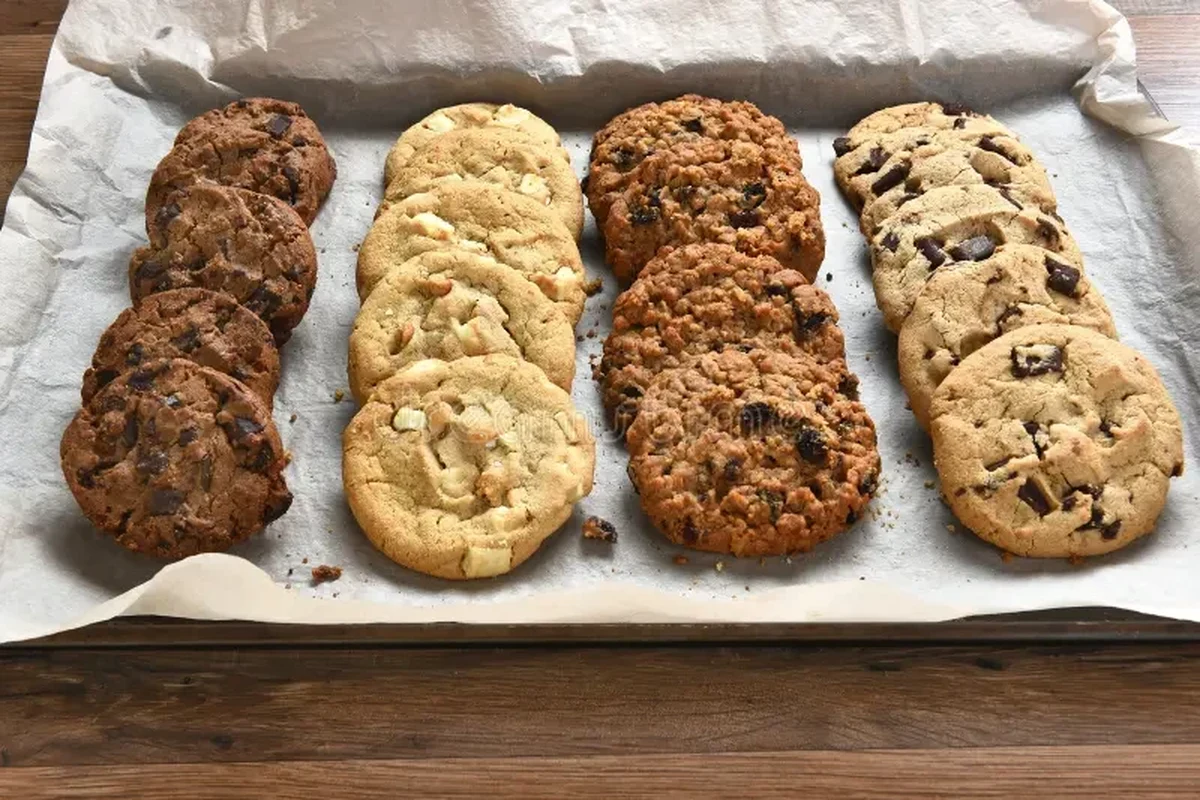
Baking soda is more than a lift ingredient. It changes how cookies brown, how much they spread, and whether the crumb feels chewy, crisp, or cakey. When it is missing, the recipe can still bake, but the result often looks and tastes different.
How baking soda affects spread, browning, and texture
Baking soda is alkaline, so it reacts with acidic ingredients and helps cookies brown more deeply. It also weakens gluten a little, which can make the dough spread more and feel softer. In the oven, that combination often gives cookies a thinner edge, a tender center, and a slightly caramelized flavor.
Without baking soda, cookies may stay paler, hold their shape more, and taste less rounded. That is not always bad, but it changes the final cookie. If you are trying to preserve the original texture, the substitute matters.
When you should replace it instead of skipping it entirely
You should replace baking soda when the recipe depends on it for rise, browning, or balance with acidic ingredients. This is especially true for chocolate chip, oatmeal, molasses, and brown sugar cookies. If you simply leave it out, the dough may bake up dense or oddly dry around the edges.
There are times when skipping it is acceptable, but only if you are ready for a flatter, less browned cookie. If you want to understand the difference between the two leaveners first, our guide on baking soda and baking powder can help clarify why recipes behave differently.
If your cookie recipe already contains acidic ingredients, a substitute that also leavens well is usually better than removing the baking soda and hoping for the best.
Best Baking Soda Replacement in Cookies: What Works and Why
The best baking soda replacement in cookies is usually baking powder, because it provides lift without needing the same level of acidity. Other options work in specific recipes, but they change the dough more noticeably. The goal is not just rise; it is keeping the cookie style you want.
Baking powder as the closest 1:3 substitute
Baking powder is the closest pantry substitute for baking soda in many cookie recipes. A common starting point is to use about three times as much baking powder as baking soda, because baking powder is much less concentrated. That said, this is a general baking guideline, not a guarantee, and results vary with brand and recipe balance.
Baking powder already contains acid, so it does not depend on the same ingredients to activate. That makes it helpful in recipes that are not very acidic. If the dough already includes several acidic ingredients, too much baking powder can make the cookies taste metallic or overly puffy.
Double-acting baking powder releases gas in two stages: once when mixed with liquid and again in the oven. That is one reason it can keep cookies from collapsing when baking soda is unavailable.
Self-rising flour as a partial solution and when it changes the recipe
Self-rising flour can help in some cookie recipes, but it is not a direct one-for-one fix. It already contains leavening and salt, so using it changes the whole formula, not just the rising agent. That means you usually need to reduce or eliminate other added salt and sometimes reduce the baking powder too.
It works best in simple cookie recipes where flour is the main dry ingredient and the rest of the formula is flexible. It is less useful in carefully balanced recipes, where the flour blend can make the dough too soft, too salty, or less predictable.
Potassium bicarbonate for low-sodium baking and similar lift
Potassium bicarbonate is the closest chemical substitute to baking soda in function, and it can be useful for low-sodium baking. It behaves similarly in the dough, but it does not add sodium the way baking soda does. That makes it a niche but effective choice when dietary sodium is a concern.
Because it is not as common in home kitchens, availability may be limited. It is also wise to check the product label and follow the manufacturer’s instructions, since formulas can vary. For ingredient freshness and replacement timing, our article on when baking soda expires is a useful reference point for any leavener you keep in the pantry.
Egg whites, whipped air, and other structural backups in specific cookie styles
In some cookies, especially meringue-style, macarons, or lighter drop cookies, whipped egg whites can provide structure and volume. This is not a direct replacement for baking soda, but it can help the dough or batter hold air. The final cookie will usually be more delicate and less chewy than the original.
Other structural backups include creaming butter and sugar well, chilling the dough to control spread, or using a recipe that relies more on mechanical aeration than chemical leavening. These methods are useful, but they work best when the cookie style is already designed for them.
- Helps create lift without needing baking soda
- Works in many standard cookie recipes
- Easy to find in most kitchens
- Can taste bitter if overused
- May change spread and browning
- Not ideal for every acidic dough
How to Choose the Right Substitute for Your Cookie Recipe
The right substitute depends on what the cookie is supposed to do in the oven. Some cookies should spread, some should puff, and some should stay thick and soft. Matching the substitute to the style matters more than choosing the most familiar ingredient.
Matching the replacement to chewy, crisp, thick, or cakey cookies
For chewy cookies, baking powder can work, but you may need to reduce the amount slightly if the dough becomes too puffy. For crisp cookies, a smaller amount of baking powder or even a careful reformulation may be better, because too much lift can make them soft instead of snappy. Thick cookies often benefit from chilling and a controlled leavener swap.
Cakey cookies usually tolerate baking powder well, since they already aim for a lighter crumb. If your recipe is meant to be dense and chewy, a direct swap is more likely to change the texture than help it.
Considering acidic ingredients like brown sugar, molasses, yogurt, or chocolate
Acidic ingredients affect which substitute works best. Brown sugar, molasses, yogurt, sour cream, and some cocoa powders can all interact with baking soda. Chocolate chips and chocolate chunks can also influence flavor balance, even if they are not strongly acidic themselves.
If the recipe relies on an acid-baking soda reaction, baking powder may not give the same spread or flavor. In that case, you may need to reduce another acid source or accept a different texture. This is why a direct swap is sometimes only a starting point, not the final answer.
Adjusting for flavor, salt, and sweetness changes
Substitutes can change flavor as much as texture. Baking powder can add a faint tang or metallic note if overused, while self-rising flour brings extra salt. Potassium bicarbonate can taste cleaner in low-sodium baking, but it still needs recipe balance.
When you replace baking soda, taste the dough ingredients on paper, not literally. Think through the salt, sweetness, and acidity already present. A cookie recipe with strong molasses or dark chocolate may need less added acid, while a plain sugar cookie may need a more complete leavening swap.
Ingredient brands matter. Cocoa powder, flour protein level, butter moisture, and even how you measure flour can all change how a substitute behaves in cookies.
Exact Measurement and Conversion Guidance for Cookie Success
Measurement is where most substitutions succeed or fail. A little too much baking powder can make cookies rise fast and then fall, while too little can leave them flat and heavy. Start with a conservative swap, then adjust based on the cookie style.
How to swap baking powder for baking soda without overleavening
A common starting point is 3 parts baking powder for 1 part baking soda. For example, if a recipe calls for 1 teaspoon baking soda, try 3 teaspoons baking powder. That said, this is a general substitute ratio, not a perfect formula for every cookie.
If the recipe already has acidic ingredients, you may not need the full amount. Too much baking powder can create a puffed, dry texture or a slightly bitter aftertaste. If you are unsure, test a small batch first.
When to reduce acidic ingredients or add a small acid source
If you are using baking powder instead of baking soda, you may need to reduce extra acidic ingredients slightly. This helps prevent a sour flavor or a dough that rises unevenly. The exact adjustment depends on the recipe, so make one change at a time.
On the other hand, if you are using potassium bicarbonate or another direct alkaline substitute in a recipe that lacks acid, a small acid source may be needed for balance. Use caution here, because adding acid changes both flavor and structure. Avoid guessing in large batches.
Sample substitution scenarios for chocolate chip, sugar, and oatmeal cookies
For chocolate chip cookies, baking powder can be a good backup if the recipe is not highly acidic. Expect a slightly puffier cookie and possibly less spread. Chilling the dough can help keep the shape closer to the original.
For sugar cookies, baking powder often works well because the flavor is mild and the texture is meant to be even. For oatmeal cookies, the swap can be trickier because oats absorb moisture and can make the dough feel drier. In that case, watch the dough texture closely before adding more flour.
Method Changes That Matter After You Swap the Leavener
Changing the leavener often means changing the method too. Cookies are sensitive to mixing, dough temperature, and oven heat. Even a good substitute can underperform if the process is off.
Mixing order, resting time, and dough hydration differences
When you use baking powder instead of baking soda, the dough may need a slightly different mixing rhythm. Overmixing can trap too much air and make the cookie puff more than expected. Under-mixing can leave uneven pockets of leavener.
Resting the dough can help flour hydrate and can also control spread. If the dough seems loose, a short chill in the refrigerator often improves handling. This is especially useful when the substitute makes the dough softer than the original recipe.
Pan spacing, scoop size, and oven temperature adjustments
Cookies that rise more need enough space to expand without merging. Use consistent scoop sizes so the bake is even from tray to tray. If the dough is warmer or softer than expected, bake one test cookie before filling the whole pan.
Oven temperature matters too, and home ovens can run hot or cool. If your cookies are puffing too much before setting, a slightly lower temperature may help them bake through more evenly. Always verify your oven’s behavior with an oven thermometer if you suspect uneven heat.
Hot cookie sheets, melted sugar, and steam can burn quickly. Use dry oven mitts, let trays cool on a stable surface, and keep children away from the oven door when checking doneness.
How to tell when the cookies are done without relying on color alone
Do not depend only on browning, especially if you changed the leavener. Look for set edges, a center that no longer looks wet, and a cookie that feels slightly firm at the rim but still soft in the middle. Carryover heat will finish the center as the tray cools.
If the cookies are pale because of the substitute, they may still be fully baked. Lift one gently with a spatula and check whether the bottom is set and the center holds together. That is more reliable than color alone.
Common Mistakes When Replacing Baking Soda in Cookies
Most substitution problems come from assuming all leaveners behave the same. They do not. A cookie recipe is a balance of acid, fat, sugar, flour, and heat, and changing one part affects the rest.
Using too much baking powder and creating a bitter or puffed texture
The most common mistake is using too much baking powder to force a rise. That can make cookies taste sharp or leave them with a dry, airy crumb. It can also make the tops crack early and then settle into a strange shape.
Start with the smallest reasonable adjustment and watch the first batch. If the cookie already contains acidic ingredients, more leavener is not always better.
Expecting the same spread and browning as the original recipe
Baking soda and baking powder do not produce identical cookies. Baking soda usually encourages more browning and spread, while baking powder leans toward a lighter, more lifted shape. If you expect the exact same result, you may end up disappointed even when the cookies are technically successful.
This is where recipe style matters. A chocolate chip cookie that spreads thin and chewy will not behave like a sugar cookie that puffs and sets neatly.
Ignoring ingredient balance and ending up with flat, dry, or dense cookies
If the cookie is flat, the dough may have too much fat, too little flour, or too little structure. If it is dry, the swap may have changed how much moisture the recipe can hold. If it is dense, the leavener may not have been enough or the dough may have been overmixed.
For a deeper look at why a leavener may lose strength in storage, see our guide on baking soda freshness and replacement. A stale ingredient can look fine and still perform poorly in the oven.
Cookies turn out flat, dry, or oddly puffy after the swap.
Check the ratio, re-read the ingredient list for acids and salt, and test a small batch before baking the full recipe.
Storage, Freshness, and Safety Considerations for Substituted Cookie Dough
Substituted dough can store well, but the leavener may act differently over time. Chilling can help some doughs, while long storage can weaken the rise. Always consider freshness, food safety, and labeling before baking.
How substituted dough behaves in the fridge and freezer
Cookie dough made with baking powder or potassium bicarbonate often benefits from chilling, which helps the dough firm up and keeps the cookies from spreading too quickly. Freezing can also work, but portion the dough first so it bakes evenly later. Let frozen dough thaw only as needed, following the recipe’s handling guidance when available.
Very wet doughs may absorb more flour after resting, while stiffer doughs can become crumbly if held too long. If the dough changes texture in the refrigerator, let it sit briefly at room temperature before scooping, but do not leave raw dough out for extended periods.
Keeping leaveners fresh and checking expiration dates before baking
Leaveners lose power over time, especially if stored in heat or humidity. Keep baking powder and baking soda sealed tightly in a cool, dry place. If you are unsure whether an ingredient is still active, check the package date and compare it with the manufacturer’s guidance.
For a practical reference on storage and replacement, our article on how to tell when baking soda has expired explains the signs to watch for. Fresh ingredients are one of the easiest ways to avoid a failed batch.
Allergen, sodium, and ingredient-label considerations for home bakers
Always check labels for allergens, especially if you are using self-rising flour or commercial baking powder blends. Some products may contain wheat, corn starch, or other additives that matter for dietary needs. If cross-contact is a concern, review the package carefully and follow the brand’s allergen statement.
If sodium is an issue, potassium bicarbonate may be worth considering, but it is not a medical solution and should be chosen with qualified guidance when needed. For food safety questions involving raw flour or egg-based doughs, follow recognized guidance from agencies such as the USDA and FDA rather than relying on guesswork.
Final Verdict: Choosing the Best Baking Soda Replacement for Your Cookie Goals
For most home bakers, baking powder is the best baking soda replacement in cookies because it is easy to find and gives dependable lift. Potassium bicarbonate is the best functional match for low-sodium baking, while self-rising flour is only useful when you are willing to change the recipe more broadly. Egg whites and whipped air can help in specific cookie styles, but they are not true one-step swaps.
Which substitute to reach for based on texture, pantry access, and dietary needs
If you want the closest pantry fix, choose baking powder and start with the common 1:3 substitution guideline. If you need less sodium, potassium bicarbonate is the better technical match. If your recipe is already flexible and you do not mind adjusting salt and flour, self-rising flour can work in a pinch.
For chewy, crisp, or deeply browned cookies, expect some change no matter which substitute you use. The closer the recipe depends on baking soda for acid reaction, the more likely you will need to adjust the rest of the formula.
When it is better to reformulate the recipe instead of making a direct swap
Sometimes the smartest move is not a direct replacement at all. If the cookie has a strong acidic balance, a delicate texture, or a very specific spread pattern, reformulating the recipe may give better results than forcing a substitute. That is especially true for recipes developed around baking soda’s exact behavior.
In practical terms, the best approach is to start with the substitute, bake one test tray, and then adjust. That gives you a better chance of getting cookies that rise well, taste balanced, and match the style you want instead of simply baking without baking soda and hoping for the best.
Do not treat substitute ratios as exact science across every recipe. Flour type, humidity, oven calibration, and ingredient brands can all change the final cookie, so small test batches are the safest way to fine-tune results.
Frequently Asked Questions
Yes, baking powder is usually the closest pantry substitute. A common starting point is 3 parts baking powder for 1 part baking soda, but the final result depends on the recipe.
Not exactly. Baking powder usually changes spread, browning, and texture, so the cookies may be puffier and less deeply browned.
Sometimes yes. If the recipe contains acidic ingredients, salt, or self-rising flour, you may need to rebalance the formula for the best result.
Those ingredients add acidity and can interact with the substitute. Baking powder may still work, but the cookie’s rise and flavor may change.
Look for set edges, a center that is no longer wet, and a cookie that feels slightly firm at the rim. Color alone is not always reliable when the leavener changes.
Yes, if it is handled and refrigerated properly. Keep raw dough cold, check ingredient freshness, and follow food safety guidance for raw flour and eggs.