
Baking Soda Price Guide What to Expect in 2026

Baking soda price in 2026 is usually lowest in store brands, warehouse packs, and larger containers, but the best value depends on how often you use it. Compare cost per ounce, food-grade labeling, and storage needs before choosing the cheapest box.
If you are shopping for baking soda in 2026, the price usually depends more on package size, store type, and brand than on the ingredient itself. For most home bakers, the best value comes from comparing cost per ounce and buying only as much as you will use before freshness becomes an issue.
- Unit price matters: Compare cost per ounce, not just the shelf sticker.
- Freshness affects value: Old or moisture-exposed baking soda may need replacing sooner.
- Package size should match use: Occasional bakers often waste less with small boxes.
- Food-grade labeling is essential: Only buy baking soda clearly intended for baking if it will go in food.
- Bulk is not always best: Savings disappear if storage is poor or shipping is high.
Baking Soda Price in 2026: What Buyers Are Actually Paying
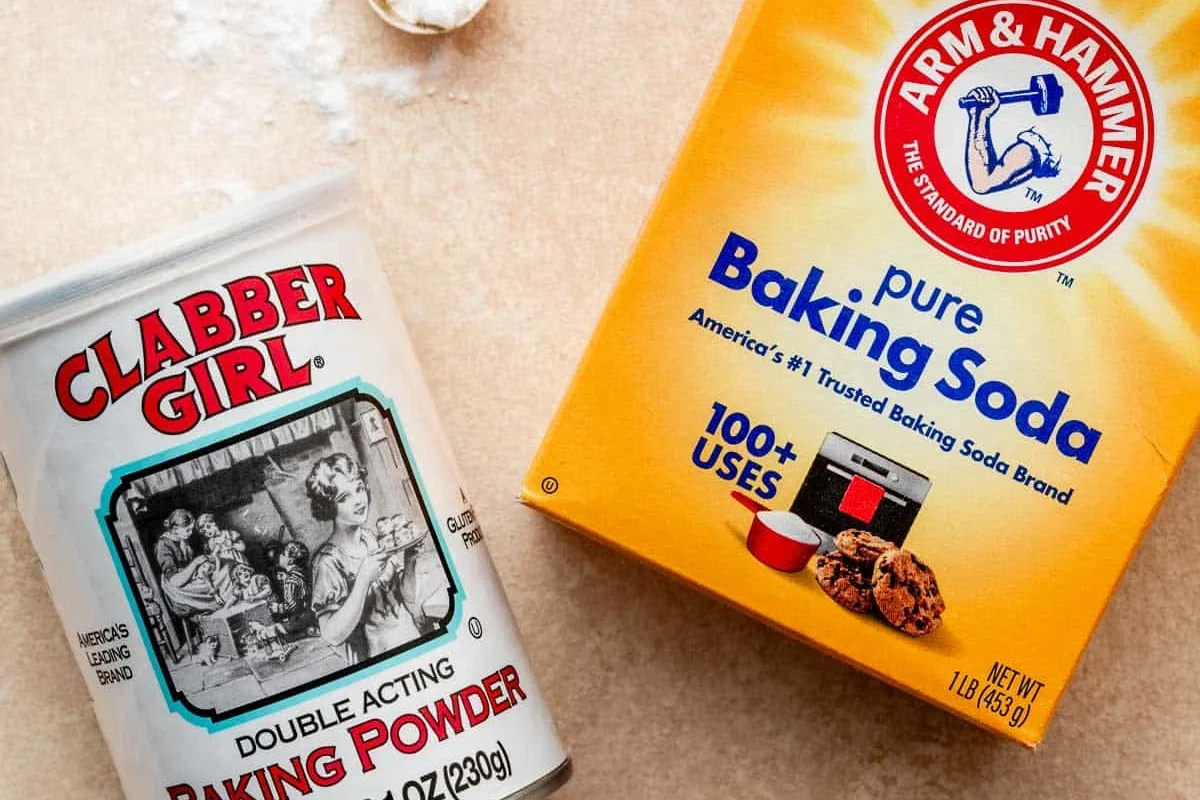
Baking soda is still one of the least expensive pantry staples, but the shelf price can look very different from one store to another. Small boxes for home use are usually the lowest total purchase price, while larger tubs, multi-packs, and bulk bags often deliver the better unit price.
Typical retail price ranges by package size and brand
In 2026, shoppers will generally see the smallest boxes priced for convenience, not for value. Store-brand baking soda is often the cheapest option, while name brands may cost more because of packaging, distribution, and brand recognition rather than a major difference in performance for everyday baking.
A small box sold in a grocery aisle may cost only a little, but the per-ounce price can be higher than a larger container. Multi-packs and larger canisters often lower the unit cost, which matters if you bake often, keep a classroom pantry, or use baking soda for cleaning as well as baking.
Exact pricing changes by region, store promotions, and package size. Always compare the unit price on the shelf label, not just the sticker price on the box.
How prices differ for grocery, warehouse, online, and bulk purchases
Grocery stores are usually the most convenient place to buy baking soda, but not always the cheapest per ounce. Warehouse clubs and bulk suppliers often offer better unit pricing, especially for frequent bakers or food-service settings, while online listings can be competitive but may include shipping costs that change the final price.
Bulk purchases make the most sense when you know the product will stay dry, sealed, and in regular use. If a large bag sits open too long in a humid kitchen, any savings can disappear if the baking soda picks up moisture or odors before you finish it.
What Drives Baking Soda Price Changes This Year
Even a simple ingredient can move in price when supply, packaging, and transportation costs shift. Baking soda is widely produced, but the final retail price still reflects the cost of making, packaging, moving, and stocking it in your area.
Raw material and manufacturing costs
Baking soda is made from industrial processes tied to mineral inputs, energy use, and plant operations. If energy prices, processing costs, or supplier contracts rise, those changes can show up in retail pricing even when the ingredient itself seems basic.
Manufacturers also have to keep quality consistent. That includes controlling particle size, moisture, and packaging integrity, which can affect how the product pours, stores, and performs in recipes.
Baking soda is sodium bicarbonate, and its leavening power depends on reacting with acid and moisture. That is why freshness and correct measuring matter just as much as the price you pay.
Packaging, shipping, and regional availability
Packaging can raise the shelf price more than many shoppers expect. A sturdy tub, resealable bag, or branded carton costs more to produce and ship than a plain box, and those costs are built into the final price.
Regional availability also matters. If a product has to travel farther or is less common in your area, the price can climb. Online shopping may reduce local scarcity, but shipping fees can erase the savings on a low-cost item like baking soda.
Private label vs. name brand pricing
Private-label baking soda is often the best budget choice for routine baking, especially when the ingredient list is identical and the package is sealed properly. Name-brand products may be priced higher because of marketing, familiar labeling, or stronger distribution, not necessarily because they work better in muffins or cookies.
For most home kitchens, the difference is usually about value and convenience, not dramatic performance. If you want to compare one brand with another, a baking soda review can help you think through packaging, freshness, and intended use before you buy.
How to Judge Value Beyond the Sticker Price
The cheapest box is not always the best deal. A smart buyer looks at how much product is inside, how long it will stay usable, and what jobs it needs to do in the kitchen or around the house.
Cost per ounce and cost per use for baking, cleaning, and deodorizing
Cost per ounce is the clearest way to compare baking soda price across sizes and brands. A larger container may seem expensive at checkout, but it can be cheaper overall if you use baking soda often for baking, fridge deodorizing, sink cleanup, or other household tasks.
Cost per use matters too. A single batch of cookies may use only a small amount, while cleaning tasks can use more. If you also rely on baking soda for odor control, it may be worth paying a little more for a container that reseals well and stays dry.
When comparing products, divide the shelf price by the number of ounces. That simple step often reveals that the “cheap” small box is actually the most expensive option by weight.
Comparing food-grade baking soda with household or industrial options
For baking, choose food-grade baking soda intended for kitchen use. Household and industrial products may be marketed for cleaning or deodorizing, but they are not always the right choice for recipes, and packaging labels should be checked carefully.
If you are unsure whether a product is meant for food use, read the label and follow the manufacturer’s instructions. When in doubt, choose the clearly labeled kitchen version rather than trying to save a small amount of money on a product that may not fit your purpose.
When a cheaper box is not the better buy
A lower-priced box can be a poor value if it is old, poorly sealed, or likely to absorb moisture before you finish it. Baking soda can lose practical usefulness in a kitchen if it picks up odors from nearby foods or if the box tears and clumps.
It can also be a bad deal if you bake only occasionally. In that case, a very large bag may expire in usefulness before you use it up, especially if it is stored in a warm, humid pantry. If you want a practical refresher on shelf life, see how to tell when baking soda should be replaced.
- Lower unit price on larger packages
- Store brands can save money for everyday use
- Food-grade baking soda is versatile for baking and cleanup
- Cheap bulk packs can absorb moisture if stored badly
- Shipping may erase online savings
- Old product may perform poorly in leavened recipes
Where Baking Soda Is Used in Baking Pastry Schools and Home Kitchens
In baking and pastry training, baking soda is treated as a functional ingredient, not just a pantry item. Students learn that its price matters, but its performance matters more because a small measurement error can change texture, rise, and browning.
Leavening role in cakes, muffins, cookies, and quick breads
Baking soda is a chemical leavener that helps doughs and batters rise when it meets acid and moisture. It is commonly used in recipes for cakes, muffins, cookies, and quick breads where the formula includes acidic ingredients such as yogurt, buttermilk, brown sugar, citrus, or molasses.
In pastry work, the goal is usually a balanced rise rather than a soapy aftertaste or overly dark color. Too little baking soda can leave a batter dense, while too much can make it spread too fast, brown too quickly, or taste off.
Why freshness and proper storage matter for performance
Fresh baking soda performs more predictably because it reacts as expected with acids in the batter. Once a box has absorbed moisture or odors, it may still be useful for some household tasks, but it may not give the same clean lift in baking.
Store it in a tightly sealed container away from steam, spices, and strong-smelling foods. In a busy school kitchen, that matters because open containers can pick up contamination from flour dust, splashes, and shared tools.
Do not assume an old or open container will behave like a fresh one in a recipe. If a cake or muffin relies on baking soda for rise, weak product can lead to flat texture and wasted ingredients.
Common measurement mistakes that waste product and affect results
The most common mistake is confusing baking soda with baking powder or using the wrong amount because the recipe was copied incorrectly. If you need a clear explanation of the difference, review whether baking soda and baking powder are the same before substituting.
Another issue is careless measuring. Scooping directly from a large container can compact the powder, and a heaped spoon can add more than the recipe needs. For best results, level the measure and keep your dry ingredients consistent from batch to batch.
Quick breads come out dense, taste slightly bitter, or brown too fast.
Check the recipe ratio, use fresh baking soda, and measure level amounts instead of rounded spoonfuls.
Practical Buying Examples for Different Users
The best baking soda price depends on how you use it. A student in a pastry lab, a family baker, and a household that also cleans with baking soda do not need the same package size or buying strategy.
Single-home baker buying small boxes for occasional use
If you bake only once in a while, a small box can be the best choice even if the unit price is higher. You are paying for freshness and convenience, and that can be smarter than buying a large container that may sit unused for months.
This approach also keeps storage simple. A small box is easy to label, easy to replace, and less likely to be exposed to kitchen moisture or cross-contact from flour and spices.
Frequent bakers and pastry students comparing bulk tubs and multi-packs
Frequent bakers often benefit from larger packages or multi-packs because they use baking soda regularly and can finish it before quality drops. In a school setting, the ingredient may move through the kitchen quickly enough that bulk pricing makes sense.
For students, the key is to match quantity to class schedules, recipe frequency, and storage rules. If you are comparing bulk ingredients for training use, it also helps to read about the basics of using baking soda instead of baking powder safely so you do not buy the wrong item for the job.
Households using baking soda for both baking and cleaning
Households that use baking soda for baking, deodorizing, and cleaning often get the best value from a medium or large resealable package. The savings come from spreading the purchase across multiple uses, not from buying the biggest bag available.
That said, keep separate thinking for food use and cleaning use. If a container has been used around sinks, shoes, or strong odors, do not return that product to food prep. A clean, clearly labeled kitchen container is the safer choice.
- Check the unit price, not just the shelf price.
- Confirm the product is food-grade if you plan to bake with it.
- Choose a quantity you can store dry and sealed.
- Replace old product if it has absorbed odors or moisture.
Storage, Shelf Life, and Safety Considerations That Affect Cost
Storage affects cost because wasted baking soda is still money spent. A product that clumps, smells stale, or sits open in a humid kitchen may need to be replaced sooner than expected.
How moisture, odors, and contamination shorten usable life
Baking soda absorbs moisture and odors easily. That is useful in a fridge or closet, but it is a disadvantage in a baking pantry if the package is not sealed tightly after every use.
Contamination is another concern. Shared scoops, wet measuring spoons, and open containers can introduce water or crumbs that shorten usable life. If you also use baking soda for odor control, keep those containers separate from baking ingredients.
Safe handling and labeling when storing in kitchens or classrooms
Label containers clearly, especially in classrooms or shared kitchens where multiple people may reach for the same ingredient. Keep baking soda away from chemicals, cleaners, and any product that could be mistaken for food.
Good labeling also reduces measurement mistakes. In a fast-paced kitchen, a clear label can prevent someone from confusing baking soda with salt, baking powder, or another white powder.
Never store food ingredients in unmarked containers next to cleaning supplies. If a product cannot be identified quickly and clearly, do not use it in food.
Signs a low-cost product should be replaced sooner
Replace baking soda sooner if it has hardened, picked up a strong off odor, or been exposed to steam. These signs do not always mean it is unsafe, but they do mean it may not perform well in baking.
If you are relying on it for leavening, performance matters more than squeezing out a few extra cents. A failed batch of muffins or cookies usually costs more than replacing a small box on time.
Best Buying Strategy for 2026: Matching Price to Purpose
The smartest baking soda purchase is the one that fits your use pattern, storage space, and quality needs. In many cases, a mid-priced store brand in the right size is the best balance of value and reliability.
When to choose the cheapest option
Choose the cheapest option when you use baking soda often, can store it properly, and are comparing food-grade products with the same package size. Store brands and warehouse multipacks are often the best fit for high-use kitchens.
This is also the best path when the ingredient is for routine baking or deodorizing and you know you will finish it before freshness becomes a problem.
When to pay more for consistency, freshness, or larger quantity
Pay more when the package design helps protect the product, when the brand is known for dependable labeling, or when freshness matters more than the lowest sticker price. A resealable container can be worth the extra cost if your kitchen is humid or your storage space is busy.
It can also make sense to pay more for a smaller package if you bake only occasionally. In that case, the higher unit price may still be the better value because less product will go unused.
Final recap on getting the best baking soda price without sacrificing quality
The best baking soda price in 2026 is not simply the lowest number on the shelf. It is the price that gives you the right grade, the right amount, and the right freshness for the way you cook and clean.
If you compare unit price, check labels carefully, and store the product dry and sealed, you can save money without hurting your baking results. That is the most practical buying rule for home bakers, pastry students, and busy kitchens alike.
For most buyers, a store-brand food-grade box in the size you will actually use is the best value. Choose bulk only when you bake often enough to keep the product fresh and dry before it is used up.
Frequently Asked Questions
Usually the unit price is lower in larger packages, but not always. Compare cost per ounce and make sure you can store it dry and use it before freshness becomes an issue.
For most baking uses, store-brand and name-brand baking soda perform similarly if both are food-grade and fresh. The bigger difference is often price, packaging, and convenience.
Check for clumping, moisture exposure, or strong odors. If it has absorbed smells or sat open for a long time, replace it before using it in recipes that depend on a reliable rise.
Only use baking soda that is clearly labeled food-grade for baking. If the package is meant for cleaning or industrial use, do not put it in food.
Prices change because of package size, shipping, local availability, and store pricing strategy. Warehouse and bulk stores often have lower unit prices than convenience-focused grocery aisles.
Keep it tightly sealed in a dry container away from steam, odors, and cleaning products. Clear labeling helps prevent mix-ups in shared kitchens or classrooms.