Baking soda may help keep feet drier and less smelly, but it is not a proven cure for toenail fungus. If the nail is thickening, spreading, or painful, proven antifungal treatment is the better next step.
Baking soda and toenail fungus is a popular search because people want a simple, low-cost fix. The short answer is that baking soda may help with odor, moisture, and surface dryness, but it is not a proven cure for stubborn nail infection.
- Best use: Baking soda is mainly a supportive hygiene step, not a cure.
- Safety first: Avoid it on open skin, cracks, or irritated toes.
- Realistic expectation: Any improvement is usually mild and slow.
- Better results need habits: Dry feet, clean shoes, and trimmed nails matter.
- Escalate when needed: Worsening nails or high-risk feet should be evaluated medically.
Baking Soda and Toenail Fungus: What the Search Is Really Asking in 2026
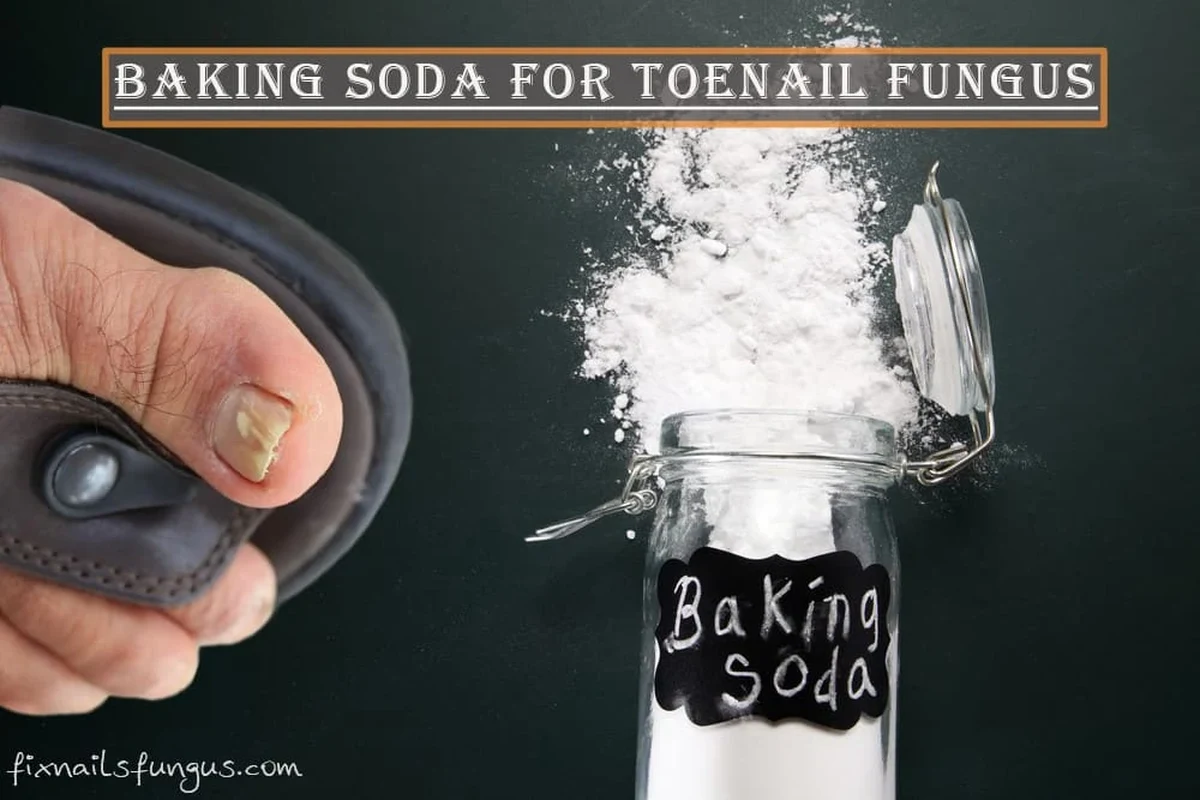
Most people searching this topic are not looking for chemistry trivia. They want to know whether a pantry ingredient can make an ugly, thick, discolored toenail look better without a doctor visit.
That makes sense, especially if the fungus seems mild, embarrassing, or slow to spread. But toenail fungus is one of those problems that often looks simple on the outside and behaves stubbornly underneath the nail plate.
Why people turn to baking soda for nail fungus relief
Baking soda is cheap, easy to find, and familiar from cleaning and deodorizing uses. It also feels safer than stronger products because it is already used in kitchens and around the home.
People often hope it will dry out the area, reduce smell, and make the nail look cleaner. That can sound appealing when the goal is a small improvement rather than an aggressive treatment plan.
What toenail fungus is and why it is hard to treat
Toenail fungus, or onychomycosis, usually lives under the nail and in the nail bed, not just on the surface. That matters because many home remedies only reach the top layer of the nail, where the fungus is not the main problem.
Toenails also grow slowly, so visible improvement takes time even when treatment is working. Thickened nails can trap moisture and debris, which gives fungus a protected place to stay.
How this article will separate home remedy claims from evidence
This guide treats baking soda as a supportive home-care option, not a guaranteed cure. Where evidence is limited, we will say so plainly and show where proven treatments fit better.
If you like practical, ingredient-based explanations, you may also find our related guides on baking soda for shoes cleaning and the baking soda and vinegar reaction useful for understanding how this ingredient behaves in real-world use.
Toenail fungus can look like discoloration, thickening, crumbling edges, or lifting at the nail tip. A nail that keeps changing shape or color should not be assumed to be a simple cosmetic issue.
What Baking Soda Can and Cannot Do for Toenail Fungus
Baking soda may help create a drier, less friendly environment for fungus on the skin around the nail. That is different from eliminating an infection already living deep under the nail.
Think of it like reducing steam in a kitchen: less moisture can make conditions less comfortable, but it does not automatically remove what is already stuck to the pan.
The theory behind baking soda as an antifungal support
The common theory is that baking soda changes the surface environment by absorbing moisture and slightly altering pH. In theory, that can make it harder for some fungi to thrive on the skin surface.
But theory is not the same as a dependable treatment result. A home remedy can be reasonable as a support step without being strong enough to clear a true nail infection.
Why surface dryness may help but rarely solves the problem alone
Dryness matters because fungus likes damp, enclosed spaces. If your feet sweat a lot or your shoes stay humid, even a good routine can be undermined quickly.
Still, the nail itself is a barrier. Once fungus is under the nail, simply drying the surface usually is not enough to reach it in a meaningful way.
Where baking soda fits compared with proven antifungal options
Compared with over-the-counter antifungal products, baking soda is more of a comfort and hygiene step than a treatment. Compared with prescription oral or topical antifungals, it is much less likely to clear established infection by itself.
- Low cost and easy to try
- May help with moisture and odor
- Usually gentle when used carefully
- Not a proven cure for nail fungus
- May not reach infection under the nail
- Can irritate already sensitive skin
How to Use Baking Soda on Toenails Safely
If you want to try baking soda, keep the goal modest: support dryness and hygiene, not miracle healing. The safest approach is gentle, brief, and consistent rather than harsh or frequent.
Common at-home methods people try, including soaks and pastes
The most common method is a baking soda soak in warm water. Some people also make a paste with a little water and apply it to the nail and surrounding skin for a short period.
Soaks are usually easier to rinse away and may be less irritating than a thick paste. Either way, the main idea is to keep the area clean and dry, not to scrub the nail raw.
Practical measurement examples for a basic baking soda soak
A simple starting point is about 1 to 2 tablespoons of baking soda in a small basin of warm water, enough to cover the affected toes. Exact amounts are not critical, since this is a home-care method and not a standardized medical treatment.
Use water that feels comfortably warm, not hot. If the skin stings or turns red quickly, the mixture may be too strong for your feet or the skin may already be irritated.
If you are trying a soak, dry between the toes carefully afterward. Moisture left behind can work against the whole point of the routine.
How often people typically use it and what to watch for
Many people try it once daily or a few times per week, but there is no official dosing schedule for baking soda and toenail fungus. More is not automatically better, especially if your skin gets dry or itchy.
Watch for redness, burning, peeling, or increased tenderness. Those are signs to back off rather than push through.
Safety concerns for irritated skin, open cuts, and sensitive feet
Do not use baking soda on open cuts, cracked skin, or areas that already feel raw. It can sting and may worsen irritation.
If you have diabetes, numb feet, poor circulation, or a history of foot ulcers, be especially careful with any home foot treatment. In those situations, even small skin problems deserve extra caution.
Do not apply baking soda to broken skin or deep cracks around the nails. If the skin is inflamed, draining, or painful, stop the remedy and consider medical advice instead.
Signs It May Help a Little, and Signs It Is Not Working
Small improvements are possible, but they are usually subtle. The nail may smell less, feel less damp, or have less debris around the edges.
That kind of change is more about hygiene and moisture control than true infection clearance.
What mild temporary improvement can look like
If baking soda is helping, the skin around the nail may look a little less soggy and the foot may feel cleaner after drying. You might also notice that odor decreases when socks and shoes are kept dry too.
These are encouraging signs, but they do not prove the fungus is gone. A nail can look slightly better on the surface while the infection remains underneath.
How long toenail fungus usually takes to change
Toenails grow slowly, so meaningful change often takes months, not days. Even effective treatment needs time for healthier nail growth to replace the damaged portion.
If you are expecting a quick cosmetic fix, baking soda will likely disappoint. Patience matters, but so does knowing when a remedy is simply too weak for the job.
When worsening thickness, discoloration, or spreading means stopping the remedy
If the nail becomes thicker, more crumbly, darker, or starts spreading to other nails, the home remedy is probably not enough. That is especially true if the skin around the toe gets sore or starts peeling more.
At that point, continuing the same routine without reassessment only delays better care.
Toenail fungus often returns if shoes, socks, and nail tools are not cleaned well. The environment around the nail matters almost as much as the nail itself.
Common Mistakes People Make With Baking Soda and Nail Fungus
The biggest mistake is treating a home remedy like a guaranteed cure. The second biggest is using it too aggressively and damaging the skin that needs to stay intact.
Expecting baking soda to cure advanced infection on its own
Advanced nail fungus usually needs more than a pantry ingredient. If the nail is very thick, lifted, painful, or affecting several toes, baking soda alone is unlikely to solve it.
Using too much or scrubbing too aggressively
More powder, longer soaking, or heavy scrubbing does not equal better results. Rough treatment can create tiny skin injuries that make the area more vulnerable, not less.
Gentle care works better than force. If you are filing or trimming the nail, use clean tools and avoid cutting into the skin at the corners.
Skipping nail trimming, foot drying, and shoe hygiene
Baking soda cannot compensate for trapped debris under a long nail or damp socks worn all day. Regular trimming, careful drying, and clean footwear are basic parts of any sensible plan.
For odor and shoe moisture, our guide on baking soda for shoes cleaning explains why dry footwear matters so much in the first place.
Mixing it with harsh products without checking skin tolerance
People sometimes combine baking soda with vinegar, hydrogen peroxide, bleach-like cleaners, or other harsh substances. That can irritate skin quickly and is not a smart shortcut.
If you are curious about ingredient interactions, it helps to understand the chemistry before mixing home remedies. Our article on hydrogen peroxide and baking soda uses covers why caution matters with combinations.
Better Home Care Habits That Support Treatment
Even when baking soda is not enough on its own, good foot hygiene can still make a real difference. These habits help reduce the damp, enclosed conditions fungus likes.
Keeping feet dry, clean, and less hospitable to fungus
Wash feet daily, dry them well, and change socks if they get sweaty. Breathable shoes and rotating pairs can also help shoes dry out between wears.
Trimming nails correctly to reduce trapped debris
Trim toenails straight across when possible and avoid cutting them too short. A shorter, neat nail gives fungus less room to hide and makes cleaning easier.
Disinfecting clippers, socks, shoes, and shower surfaces
Use clean clippers and do not share them. Wash socks thoroughly, let shoes dry fully, and keep shower floors as clean as possible to reduce reinfection.
Practical daily routine examples for mild cases
A simple routine could look like this: wash feet, dry carefully, trim nails as needed, try a brief baking soda soak if the skin tolerates it, then put on clean socks and dry shoes. The routine should feel manageable, not punishing.
- Make sure the skin is not open or bleeding
- Plan to dry the feet completely afterward
- Have clean socks and shoes ready
- Stop if the skin burns or peels
When to Use Proven Treatments Instead of Relying on Baking Soda
If the nail is clearly infected, worsening, or affecting daily comfort, it is reasonable to move beyond home remedies. Proven treatments are more likely to help because they are designed to reach the fungus more effectively.
Over-the-counter antifungal products and their limitations
Over-the-counter antifungal creams, sprays, or powders may help skin fungus and may offer some support around the nail area. But nail infections are harder to treat than athlete’s foot because the nail plate blocks penetration.
That is why many people see partial relief without full clearing. The product choice matters, but so does whether the infection is actually in the skin or in the nail itself.
Prescription options, podiatry care, and when they are worth discussing
Prescription topical or oral antifungals may be worth discussing if the infection is persistent, spreading, or affecting multiple nails. A podiatrist or clinician can also check whether the nail changes are truly fungus or something else.
That distinction matters because not every thick or discolored nail is fungal. Trauma, psoriasis, and other conditions can look similar.
Warning signs that need medical evaluation, not more home remedies
Get checked if the toe is painful, swollen, draining, or rapidly changing color. Also seek care if the nail is lifting significantly or if the skin around it becomes red and warm.
These are not signs to keep experimenting. They are signs to slow down and reassess.
Special caution for diabetes, poor circulation, or recurring infections
People with diabetes, poor circulation, neuropathy, or repeated foot infections should be extra careful with any self-treatment. Small foot problems can become bigger problems faster in those groups.
If that applies to you, it is better to confirm the plan with a qualified clinician before relying on home care alone.
Official medical guidance from recognized health organizations is the right place to verify treatment options, especially if you are considering prescription medicine or have a chronic condition that affects foot health.
Final Decision: Is Baking Soda for Toenail Fungus Worth Trying?
Baking soda may be worth trying as a low-risk support step if the infection seems mild and your skin tolerates it. It can help with dryness, odor, and general foot freshness, which may make the problem feel more manageable.
Best-case role as a low-risk supportive step
The best-case role is modest but useful: a cleaner, drier foot environment that works alongside better hygiene habits. That is a real benefit, even if it is not a cure.
Who may try it cautiously and who should skip it
People with mild symptoms and intact skin may try it cautiously. Anyone with open skin, significant pain, diabetes, poor circulation, or a worsening nail should skip the home experiment and get advice instead.
Clear recap on what it can realistically do in 2026
In 2026, the honest answer is still the same: baking soda and toenail fungus is a reasonable home-care idea, but not a dependable standalone treatment. Use it for hygiene support if you want, but do not let it delay proven care when the nail is clearly infected or getting worse.
Baking soda can be a gentle support tool for dryness and odor, but it is unlikely to cure toenail fungus on its own. If the nail is thick, spreading, painful, or not improving, move to proven antifungal treatment and medical evaluation.
Frequently Asked Questions
No, baking soda is not a proven cure for toenail fungus. It may help with dryness and odor, but it usually cannot clear an infection that lives under the nail.
A common approach is a short soak with a small amount of baking soda in warm water, then thorough drying. Do not use it on broken, raw, or cracked skin.
There is no official schedule for this home remedy. Many people try it once daily or a few times per week, but stop if the skin gets dry, red, or irritated.
If the nail becomes thicker, more crumbly, darker, or starts spreading, the remedy is likely not enough. Toenail fungus often needs a proven treatment plan to improve.
Yes, especially if the skin is already inflamed or cracked. If you feel burning or see peeling, stop using it.
See a clinician if the nail is painful, swollen, draining, rapidly changing, or affecting multiple nails. People with diabetes or poor circulation should be extra careful and get advice sooner.
