
Brown Sugar and Baking Soda for Plants Benefits and Uses
Brown sugar and baking soda can help in a few narrow gardening situations, but they are not reliable all-purpose plant treatments. Use them cautiously, and rely on better watering, airflow, and soil care for long-term plant health.
Brown sugar and baking soda for plants is a popular DIY search because both ingredients are cheap, easy to find, and often linked with “natural” garden care. The problem is that they can help in narrow situations, but they are not a replacement for proper soil management, watering, airflow, or disease control.
- Brown sugar: It may support microbes in compost, but it is not a fertilizer.
- Baking soda: It can help with mild surface fungal pressure, but too much can burn leaves.
- Best use: Keep applications small, diluted, and limited to specific problems.
- Safer priority: Improve drainage, airflow, pruning, and watering before using DIY mixes.
What Brown Sugar and Baking Soda Can and Cannot Do for Plants
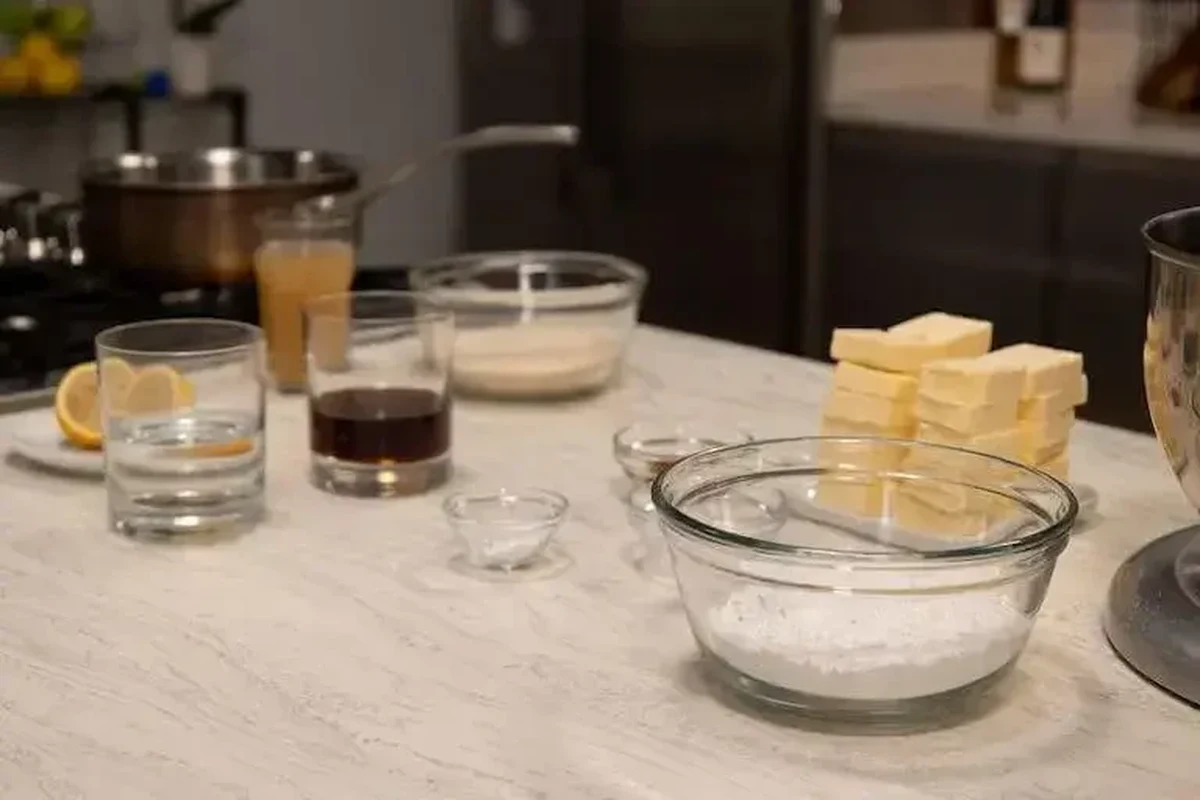
Brown sugar and baking soda get grouped together online, but they do very different jobs. Brown sugar is an organic carbon source, while baking soda is sodium bicarbonate, an alkaline salt that can change the surface environment around leaves or soil.
That difference matters. One is sometimes used to feed microbes in compost or soil, and the other is sometimes used in very mild spray solutions for surface-level fungal pressure. Neither one is a complete plant-care solution, and both can cause problems if used too often.
Why this DIY gardening trend keeps showing up in 2026 search results
These ingredients stay popular because they sound simple and low-risk, especially for home gardeners looking for fast fixes. They also fit the broader trend of using pantry items for household tasks, much like people search for baking soda vinegar cleaning ovens or other everyday uses.
In garden searches, that appeal can be misleading. A quick remedy may reduce a surface symptom, but it rarely corrects the root cause of poor drainage, weak light, compacted soil, or disease pressure.
The difference between mild home use and evidence-based plant care
Mild home use means small, cautious applications with close observation. Evidence-based plant care means choosing methods that match the actual problem, such as improving airflow for mildew, adjusting watering for root stress, or using approved products when disease pressure is high.
That distinction is important because plants respond to chemistry and moisture balance, not just to “natural” labels. A treatment can be gentle in the kitchen and still be harsh on leaves, roots, or soil biology if it is overused.
- Cheap and easy to find
- May support compost microbes in limited ways
- Can help with mild surface fungal pressure when diluted properly
- Not a fertilizer
- Can damage plants if overapplied
- Does not fix drainage, pests, or root disease
How Brown Sugar Affects Soil, Microbes, and Moisture Retention
Brown sugar is mostly sucrose with a small amount of molasses. In soil or compost, that means it can act as a quick energy source for microbes, but it does not supply the balanced nutrients plants need for growth.
What brown sugar adds to soil and why it is not a fertilizer
Brown sugar adds carbon and simple carbohydrates. That may briefly stimulate microbial activity, but it does not provide meaningful nitrogen, phosphorus, potassium, or micronutrients in a form and balance that plants can rely on.
Because of that, brown sugar should not be treated like fertilizer. If a plant is pale, stunted, or struggling, the real issue is more likely to be nutrition, root health, pH, watering, or light exposure.
Microbes in compost often respond quickly to easy-to-digest carbon sources, but a short burst of microbial activity does not automatically mean healthier plants.
When added sugar can encourage microbial activity and when it can backfire
In a compost pile, a small amount of sugar may help feed active microbes when the mix is otherwise balanced with browns, greens, air, and moisture. That can be useful when the pile is sluggish, but only if the overall compost recipe is already healthy.
It can backfire when the soil is already wet, poorly aerated, or overloaded with organic matter. In those conditions, extra sugar can favor unwanted microbial growth, create odors, or attract insects and other pests.
Examples of situations where brown sugar is more likely to cause problems
Brown sugar is more likely to cause issues in small containers, overwatered pots, and dense indoor potting mixes. Those environments already hold moisture longer, so adding more food for microbes can make the balance worse instead of better.
It is also a poor choice for seedlings and newly repotted plants. Their roots are already under stress, and the safest priority is stable moisture, oxygen, and light rather than feeding the soil food web with extra sugar.
Do not assume brown sugar is harmless just because it is edible. In plant containers, too much sugar can encourage mold, gnats, sour smells, and uneven microbial growth.
What Baking Soda Does Around Plants: pH, Fungal Pressure, and Surface Cleaning
Baking soda is sodium bicarbonate, a mild alkaline compound. Around plants, it is used mostly in very diluted sprays or cleaning mixtures, not as a soil amendment for routine feeding.
How sodium bicarbonate works on leaf surfaces and in spray solutions
On leaf surfaces, baking soda can make conditions less favorable for some fungi by changing the pH of the film on the leaf. It does not “cure” disease, but it may slow the spread of mild powdery mildew when used carefully and early.
In spray solutions, the goal is surface contact, not soaking the plant. If the mix is too strong, it can leave residue, block leaf pores, or burn tender tissue, especially on thin leaves and hot days.
Why baking soda is sometimes used for powdery mildew and odor control
Gardeners often reach for baking soda when they see white powdery patches on leaves or when compost and containers start to smell sour. In those cases, the ingredient may help reduce surface odor or make the leaf surface less welcoming to certain fungi.
That said, it works best as a support tool. If powdery mildew keeps returning, the real fix is usually better airflow, less crowding, and watering the soil instead of wetting the foliage.
Risks of salt buildup, leaf burn, and soil imbalance
The main concern with baking soda is sodium. Sodium can build up in soil over time, especially in pots, and that can interfere with water uptake and root function.
Leaves can also burn if the spray is too concentrated or applied during strong sun. For that reason, gardeners should be cautious with any recipe they find online, including DIY mixtures similar to baking soda and vinegar reaction explained simply, because a dramatic reaction in a sink is not the same as a safe treatment on a living plant.
Never spray baking soda on plants in hot midday sun. Heat and residue together increase the chance of leaf scorch, especially on seedlings and houseplants.
Safe Ways Home Gardeners Use Brown Sugar and Baking Soda
If you want to experiment, keep the purpose narrow and the dose light. The safest approach is to use brown sugar mainly for compost support and baking soda mainly for limited surface treatments, not as all-purpose plant medicine.
Soil drench versus foliar spray versus compost support
A soil drench goes into the root zone, where mistakes are harder to undo. A foliar spray touches leaves, where overapplication can cause spotting, residue, or burn. Compost support is usually the least risky use because the mix is already designed to break down organic material.
For that reason, brown sugar is generally more appropriate for compost than for direct plant feeding. Baking soda is generally more appropriate as a cautious foliar spray than as a regular soil additive.
Common dilution ranges and why stronger is not better
There is no universal recipe that fits every plant, climate, or potting mix. In general, stronger mixes increase the risk of residue, salt stress, and leaf injury without guaranteeing better results.
For baking soda sprays, many gardeners stay with very mild dilution and test on a small section first. For brown sugar, very small amounts are safer than heavy feeding, especially in containers where excess moisture and microbes can build up quickly.
If you are unsure about a dilution, start weaker than the internet recipe suggests and wait several days to watch for spotting, curling, or slowed growth. Different plant species and even different cultivars can react differently.
Timing applications to reduce stress on seedlings, herbs, and houseplants
Apply any DIY treatment when plants are already stable, not when they are wilting, newly transplanted, or heat-stressed. Seedlings and soft herbs are especially sensitive because their leaves and roots are delicate.
Houseplants also need caution because indoor containers often dry unevenly and hold salts longer. If you are already managing odor or residue indoors, you may find the same careful approach helpful as with baking soda for smoke odors: use small amounts, then reassess rather than adding more.
Plants, Conditions, and Use Cases Where These Ingredients May Help Most
These ingredients are most useful in limited, controlled situations. They are not ideal for every plant, but they can have a place when the goal is mild support rather than correction of a serious problem.
Container plants, compost piles, and mild surface-cleaning situations
Container plants may benefit most from very cautious use because the gardener can monitor the soil closely. Compost piles may also respond well to a tiny amount of brown sugar if the pile is otherwise balanced and active.
Baking soda can sometimes help with mild surface-cleaning situations, such as wiping residue from pots or supporting a light spray approach on foliage. Just remember that “cleaner” is not the same as “healthier” if the underlying issue is still present.
Garden examples: tomatoes, roses, cucumbers, and indoor foliage plants
Tomatoes, roses, and cucumbers are often mentioned in DIY mildew discussions because they are prone to fungal pressure in humid weather. In those cases, a very mild baking soda spray may be used as a short-term support, but airflow and spacing matter more.
Indoor foliage plants are more likely to suffer from overwatering and salt buildup than from mildew. For them, brown sugar is usually not a good direct additive, and baking soda should be used sparingly, if at all, because container soil has less room for error.
When organic matter, airflow, and watering changes work better than additives
If leaves stay wet too long, no pantry ingredient will fully solve the problem. Better airflow, pruning crowded growth, cleaning tools, and watering the soil instead of the foliage usually make a bigger difference.
In many gardens, the simplest fix is also the most effective: improve drainage, add mulch, and avoid overhead watering late in the day. Those practices support the plant instead of trying to patch over stress after it starts.
Use brown sugar only in very limited compost or microbe-support situations, not as a fertilizer substitute.
Use baking soda only as a mild, tested spray when fungal pressure is light and conditions are favorable.
Common Mistakes People Make With Brown Sugar and Baking Soda
Most problems come from using too much, too often, or for the wrong reason. A small mistake in a pot can become a bigger problem than it would in open ground.
Mixing both ingredients into the same treatment without a clear purpose
Some DIY recipes combine brown sugar and baking soda as if they balance each other out. In practice, they do not create a universal plant tonic, and the mix can become unpredictable depending on water quality, soil type, and plant sensitivity.
If you are also curious about how baking soda behaves in other home uses, it may help to review a basic guide like can you use baking soda instead of baking powder safely. The same ingredient can behave very differently depending on the environment.
Overapplying, using hot weather sprays, or treating dry-stressed plants
Overapplication is the fastest way to turn a mild remedy into a plant stressor. Hot weather sprays can scorch leaves, and dry-stressed plants are already struggling to regulate water movement through their tissues.
If the plant looks weak, pause the experiment and water appropriately first. A stressed plant is often more likely to show damage from a DIY treatment than from the original problem.
Confusing temporary symptom relief with long-term plant health
Seeing less mildew or less odor does not always mean the plant is recovering. The symptom may fade while the root cause remains, especially if the plant is crowded, underwatered, or growing in poor soil.
That is why gardeners should treat brown sugar and baking soda as support tools, not cures. For broader home-care uses, people often look for quick fixes such as baking soda in laundry benefits, but plant care needs more restraint because living roots are less forgiving than fabric.
- Test on one plant or one small area first
- Use the weakest effective mix
- Improve airflow, drainage, and watering habits
- Spraying in direct hot sun
- Using repeated heavy doses
- Relying on DIY mixes for serious disease
Better Alternatives and Smarter Plant-Care Practices for 2026
For most gardeners, the best results come from prevention and correction rather than pantry chemistry. That means focusing on soil structure, watering rhythm, pruning, and clean tools before reaching for additives.
Safer options for fungal issues, soil health, and pest prevention
For fungal issues, choose airflow, spacing, and careful watering first. If a disease is persistent or severe, look for products labeled for that use and follow the label directions exactly.
For soil health, compost, mulch, and balanced fertilizer are usually safer than adding sugar. For pest prevention, physical removal, sticky traps, or approved controls are often more reliable than homemade sprays.
How compost, mulch, proper watering, and pruning compare to DIY mixes
Compost improves soil structure over time, mulch helps hold moisture and reduce splash-back, and pruning opens the canopy to light and air. Those changes address the environment the plant is growing in, which is where many problems begin.
DIY mixes may offer temporary symptom relief, but they usually do not improve the growing conditions that caused the symptom in the first place. If you want a low-risk approach, start with the cultural fix before adding ingredients.
When to stop experimenting and consult a local extension or plant specialist
If a plant is losing leaves quickly, showing spreading spots, or declining despite better care, stop experimenting. A local extension office, nursery professional, or plant disease specialist can help identify the issue more accurately.
That advice is especially important for edible plants and valuable ornamentals. When the cost of failure is high, a confirmed diagnosis is better than another round of guesswork.
Final Verdict: Should You Use Brown Sugar and Baking Soda on Plants?
Use them carefully, and only when the goal is narrow and realistic. Brown sugar may have a limited place in compost or microbe support, while baking soda may help with very mild surface fungal pressure or cleaning, but neither one should replace basic plant care.
Best-practice recap for cautious home gardeners
Start with the plant’s environment: light, water, drainage, airflow, and soil quality. If you still choose to use brown sugar or baking soda, keep the mix weak, test first, and watch for leaf burn, residue, odor, or slowed growth.
That cautious approach is the safest way to use brown sugar and baking soda for plants without creating new problems.
Decision guidance based on plant type, problem severity, and risk tolerance
For seedlings, houseplants, and stressed container plants, the safest answer is usually to skip the DIY mix. For healthy plants with a mild, surface-level issue, a small, carefully timed trial may be reasonable if you are comfortable monitoring closely.
If the problem is severe, recurring, or affecting edible crops, choose a proven plant-care method instead of a pantry shortcut. In gardening, as in baking, the best results usually come from using the right ingredient for the right job.
Brown sugar and baking soda can help in limited, cautious situations, but they are not universal plant treatments. For most home gardeners, better watering, better airflow, and healthier soil are safer and more effective long-term choices.
Frequently Asked Questions
No. Brown sugar is a carbon source, not a balanced fertilizer, so it does not provide the nutrients plants need for healthy growth.
No. Baking soda can burn leaves or leave salt buildup if it is too strong or used too often, so test carefully and use only mild solutions.
Brown sugar is most often used in compost support or other limited microbe-related situations, not as a direct plant feed.
Baking soda can make the leaf surface less favorable for some fungi, but it works best as a mild support tool alongside airflow and watering changes.
It is usually better to avoid mixing them without a clear purpose. The combination does not create a universal plant treatment and can be unpredictable.
If a plant is rapidly declining, the problem keeps returning, or you are treating edible crops, contact a local extension office or plant specialist for guidance.