Yes, you can make banana bread without baking soda, but the loaf will usually be denser unless you replace the lift. Baking powder, whipped eggs, or a carefully balanced recipe can still give you a good result.
Yes, you can make banana bread without baking soda, but the loaf will usually rise less and bake up a little denser. The best results come from adjusting the recipe so the batter still has enough lift, moisture balance, and structure to hold together.
- Best swap: Baking powder is usually the easiest replacement for baking soda in banana bread.
- Texture change: Without soda, expect less rise and a tighter crumb.
- Recipe balance: Banana amount, egg count, flour, and fat matter more when leavening is reduced.
- Doneness matters: Check the center with a toothpick, spring-back, and heat, not time alone.
Why Banana Bread Usually Uses Baking Soda and What Changes When You Leave It Out
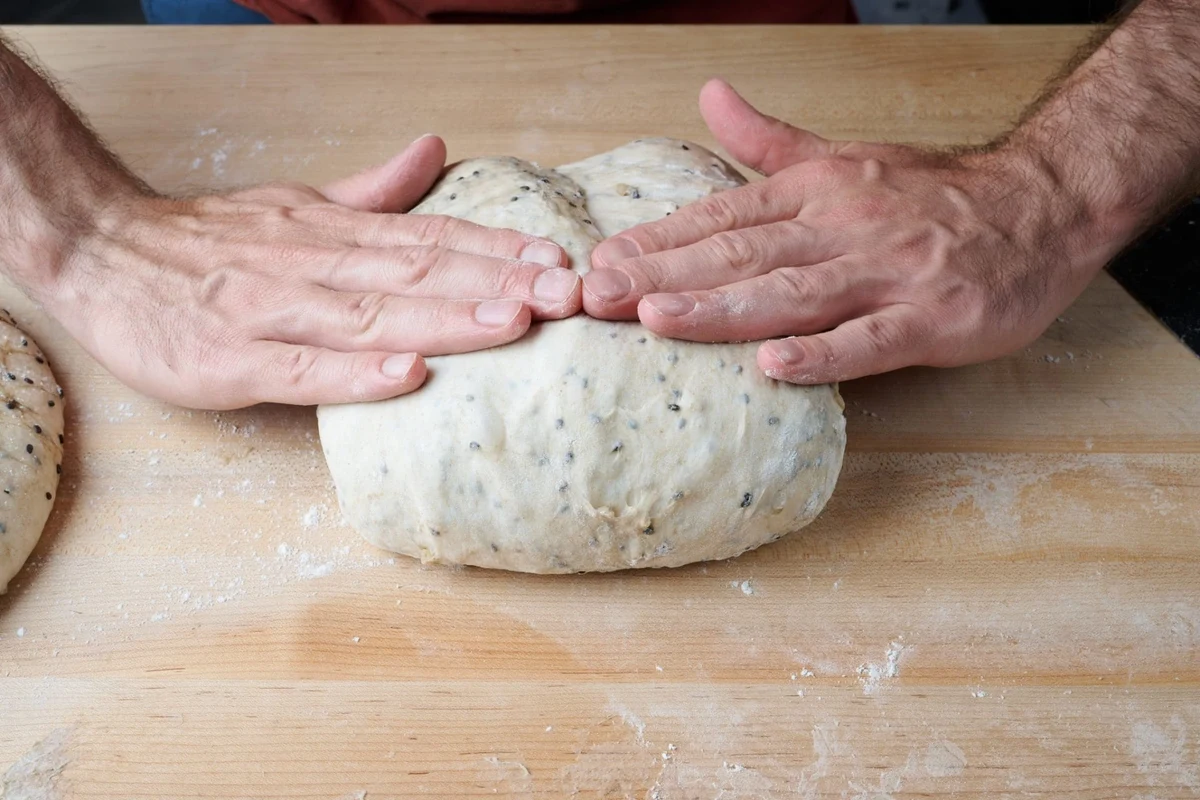
Baking soda is common in banana bread because it helps the loaf rise, brown, and taste balanced. It reacts with acidic ingredients in the batter and creates carbon dioxide quickly, which gives the bread its lighter crumb.
Without it, banana bread can still bake, but the texture changes. The loaf may be shorter, tighter, and more cake-like or even slightly heavy in the center if the rest of the recipe is not adjusted.
The role of baking soda in lift, browning, and texture
Baking soda does three main jobs in banana bread. First, it helps with lift by releasing gas when it meets acid and heat. Second, it supports browning, which is why soda-based banana bread often develops a deeper golden crust. Third, it can soften the crumb when the batter is mixed correctly, because the batter expands before the gluten sets.
This is one reason a standard banana bread recipe often feels forgiving. If you are also comparing leavening options in other bakes, our guide on using baking soda instead of baking powder safely explains the reverse problem, which is just as important to understand.
What ripe bananas, acidity, and moisture can and cannot do on their own
Very ripe bananas bring sweetness, moisture, and some acidity, but they do not replace a full leavening system by themselves. They can help the batter taste richer and may support a small amount of natural rise, but they cannot create the same volume as baking soda or baking powder.
Bananas also add a lot of water and sugar, which can make a loaf tender. The downside is that too much moisture without enough lift can leave the center gummy or compressed, especially if the batter is overmixed or the pan is too small.
Banana bread often tastes sweeter and browns well even with less sugar because ripe bananas contain natural sugars that caramelize in the oven.
Can You Make Banana Bread Without Baking Soda in 2026? Realistic Results to Expect
In 2026, the answer is still yes, but the result depends on what else is in the recipe. A banana bread made without baking soda can work well if it has another source of lift, such as baking powder or whipped eggs, and if the batter is mixed and baked carefully.
If you remove baking soda without replacing it, the loaf is more likely to bake up compact. That does not make it bad, but it does mean you should expect a different style of banana bread rather than a classic tall loaf.
When the loaf will still work, and when it turns dense or gummy
The loaf usually still works when the recipe already includes enough eggs, enough flour, and a reliable backup leavener. It can also work in smaller pans or muffin tins, where the batter needs less lift to set properly.
It turns dense or gummy when the batter is too wet, the banana amount is very high, or the oven is too cool. A loaf can also sink if the center stays underbaked while the outside sets too quickly.
How flavor, crumb, and rise differ from a standard banana bread
Without baking soda, the crumb is usually tighter and less airy. The flavor can still be excellent, but the loaf may taste more like a moist quick bread and less like a classic fluffy banana bread.
Expect less dramatic browning unless the recipe uses enough sugar, eggs, or butter to support color. The loaf may also have a slightly softer top and a more delicate slice, which is fine if you want a rich, compact texture rather than a lofty one.
- Can still produce a moist, flavorful loaf
- Useful when you are out of baking soda
- Works well with baking powder or whipped eggs
- Usually less rise and a denser crumb
- Higher risk of gummy centers if the batter is too wet
- Browning and structure may be less even
Best Substitute Options for Baking Soda in Banana Bread
If you want a better outcome, the simplest answer is to replace the missing baking soda with another leavener or to adjust the recipe so it does not rely on chemical lift alone. The best choice depends on what ingredients you already have and how much structure the batter needs.
Baking powder as the most practical replacement and how much to use
Baking powder is the easiest substitute in most banana bread recipes because it already contains both an acid and a base. As a general rule, if a recipe calls for baking soda only, you often need more baking powder than soda to get similar lift, but the exact amount depends on the recipe and the brand.
Because baking powder is less concentrated, it can change the flavor and texture slightly. It may also leave the loaf a little more cake-like, which is usually a good trade-off when you are trying to avoid a flat, heavy bread.
If you are unsure about the difference between the two leaveners, review whether baking soda and baking powder are the same before making substitutions. The chemistry is close enough to matter in quick breads.
Self-rising flour, whipped eggs, or acidic ingredients: when each option makes sense
Self-rising flour can help if you want a simple swap, but it changes the recipe more than baking powder does because it already contains salt and leavening. That means you may need to reduce or remove added salt and watch the texture closely.
Whipped eggs can add lift when you beat them well before folding them into the batter. This works best in recipes that are already fairly light and not overloaded with banana puree. Acidic ingredients like yogurt, sour cream, or buttermilk can help flavor and tenderness, but they do not replace baking soda on their own unless the recipe is built around them.
Why some substitutes change salt, sweetness, or structure more than expected
Substitutes affect more than rise. Baking powder can make the loaf taste slightly more neutral, self-rising flour can make it saltier than expected, and extra eggs can make the crumb firmer or more custard-like.
That is why a no-soda banana bread is not just a one-to-one swap. You are changing the way the loaf sets, browns, and tastes, so the rest of the recipe needs to stay balanced.
Ingredient Roles That Matter Most in a No-Baking-Soda Banana Bread
When baking soda is missing, the rest of the ingredients matter more than usual. Banana bread becomes less forgiving, so the quality and balance of each ingredient have a bigger effect on the final loaf.
Banana ripeness, egg count, flour type, fat, and sugar balance
Very ripe bananas are helpful because they mash smoothly and bring strong flavor. But if the batter is already very wet, too much banana can make the center heavy. Eggs add structure and help trap air, while flour provides the framework that keeps the loaf from collapsing.
Fat from butter or oil tenderizes the crumb, and sugar helps with moisture and browning. If you reduce baking soda, you may need to be more careful not to overload the batter with banana or fat, because the loaf will not have as much lift to compensate.
- Use bananas that are deeply ripe, but not watery or fermented
- Measure flour consistently, preferably by weight if possible
- Keep eggs, fat, and sugar in reasonable balance
- Choose a substitute leavener before mixing the batter
How to measure ingredients accurately for a stable loaf
Accurate measuring matters because banana bread is sensitive to small changes. Too much flour can make the loaf dry and tough, while too little flour can leave it weak in the middle.
If you use cups, spoon flour into the cup and level it off rather than scooping directly from the bag. If you use a scale, follow the recipe’s gram weights when available, since that usually gives more consistent results across different kitchens and ingredient brands.
Common mistakes that cause collapse, dryness, or a heavy center
One common mistake is adding extra banana to force more flavor without adjusting the rest of the batter. Another is using old leavening or assuming baking powder will behave exactly like baking soda.
Overmixing also causes problems because it develops gluten and makes the bread tougher. A loaf can look fine on the outside and still have a heavy center if the pan is overfilled or the oven temperature is off by even a moderate amount.
Raw flour and raw eggs can carry food safety risks. Do not taste raw batter, and wash utensils and hands after handling them, following standard food safety guidance from recognized public health agencies.
Method Adjustments That Improve Banana Bread Without Baking Soda
Good technique matters more when the recipe has less leavening power. Small changes in mixing, pan choice, and baking time can make the difference between a workable loaf and a dense, underbaked one.
Mixing order, batter thickness, and avoiding overmixing
Mix the wet ingredients first so the bananas, eggs, sugar, and fat are evenly combined. Then add the dry ingredients and stir only until the flour disappears. A few streaks are better than a batter that has been beaten hard.
The batter should look thick but scoopable, not pourable like cake batter. If it seems very loose, the loaf may spread instead of rising upward, especially without baking soda to help create a quick lift.
Mash the bananas and mix them with eggs, sugar, and fat until the mixture looks smooth enough to distribute evenly.
Stir in flour, salt, and your chosen leavener just until no dry pockets remain.
Move the batter to the pan right away so the leavener starts working in the oven, not in the bowl.
Pan size, fill level, and oven temperature considerations
Use the pan size the recipe expects whenever possible. A pan that is too small can cause the center to stay wet, while a pan that is too large can make the loaf thin and dry before it gets enough rise.
Fill the pan only about two-thirds to three-quarters full unless the recipe says otherwise. Oven temperature also matters because a cool oven can leave the middle slack, while an overly hot oven can brown the outside before the inside sets.
Mix quickly, fill the pan evenly, and avoid letting the batter sit too long before baking.
Watch for steady rise, set edges, and a browned top rather than relying only on the clock.
Cool in the pan briefly, then move to a rack so steam does not make the bottom soggy.
How to test doneness with a toothpick, center spring-back, and internal temperature
A toothpick should come out with a few moist crumbs, not wet batter. The top should spring back lightly when pressed in the center, and the loaf should pull slightly from the pan edges.
If you check internal temperature, use it as a guide rather than a guarantee, because pan material and loaf size change the reading. The most reliable sign is a combination of temperature, spring-back, and clean crumbs in the center.
Use oven mitts, keep the pan on a stable surface, and let the loaf cool enough to handle before slicing. Hot banana bread can seem set on the outside while still steaming inside.
Troubleshooting Banana Bread Problems When Baking Soda Is Missing
If the loaf does not look right, the fix usually comes from understanding whether the problem is structure, moisture, or heat. Banana bread is forgiving in flavor, but it is less forgiving in texture when the leavener is missing.
Fixing a loaf that sinks in the middle
A sunken center often means the batter rose before the structure set. That can happen if there was too much moisture, too little leavening, an underheated oven, or a pan that was too small for the amount of batter.
To fix it next time, reduce excess banana, use a stronger substitute leavener, and make sure the loaf bakes until the center is truly set. If the top browns too quickly, tent it loosely with foil while the center finishes baking.
The loaf sinks after coming out of the oven.
Usually caused by excess moisture, underbaking, or too little lift. Use less banana, verify oven heat, and bake until the center passes the spring-back and crumb test.
Preventing a pale crust, wet streaks, or a rubbery texture
A pale crust usually means the loaf did not brown enough, which can happen when the batter lacks soda or the sugar level is low. Wet streaks often point to underbaking or bananas that were too large for the recipe.
Rubbery texture often comes from overmixing or too much egg relative to the flour. If that happens, the next batch should be mixed more gently and baked in a pan that matches the recipe closely.
What to do if the batter already looks too thin or too thick
If the batter looks too thin, add a small amount of flour and mix only until incorporated. If it looks too thick, add a little mashed banana, milk, or another wet ingredient only if the recipe can support it without getting heavy.
In either case, make small changes. Banana bread is easy to throw off by accident, and once the balance is too far in one direction, the final crumb usually shows it.
- Make small adjustments and bake promptly
- Use doneness cues together, not one at a time
- Keep the batter thick enough to hold shape
- Adding extra banana without adjusting flour
- Stirring until the batter becomes elastic
- Pulling the loaf too early because the top looks done
Storage, Food Safety, and Make-Ahead Tips for Banana Bread
Banana bread stores well, but the storage method affects texture. A loaf made without baking soda may be a little more delicate, so cooling and wrapping it properly matters even more.
Cooling, wrapping, and room-temperature storage limits
Let the loaf cool in the pan for a short time, then move it to a wire rack so steam can escape. If you wrap it too early, trapped moisture can soften the crust and make the crumb gummy.
Once fully cool, store it wrapped at room temperature if your kitchen is cool and dry and you expect to eat it soon. If the loaf contains a lot of dairy, fruit, or other moisture-heavy additions, it may not keep as well on the counter.
Refrigeration and freezing for texture retention in 2026 kitchens
Refrigeration can extend shelf life, but it often makes quick breads feel firmer and drier. For better texture, freezing is usually the better make-ahead option because it slows staling without drying the loaf as much.
Wrap slices or the full loaf tightly, then place them in an airtight freezer bag or container. Thaw at room temperature or warm gently before serving, depending on the texture you want.
How ingredient swaps affect shelf life and spoilage risk
Ingredient swaps can change how fast banana bread spoils. More dairy or extra fruit can shorten shelf life, while a drier loaf may stale faster even if it seems sturdy at first.
When in doubt, follow standard food safety guidance and trust your senses. If you notice off smells, mold, or unusual moisture, discard the loaf rather than trying to rescue it.
Final Verdict: When It Is Worth Making Banana Bread Without Baking Soda
You can make banana bread without baking soda, and in many kitchens it will still turn out well enough to enjoy. The key is to replace the missing lift intelligently and keep the batter balanced so the loaf sets properly.
Best situations for a successful no-soda loaf
A no-soda banana bread makes sense when you have baking powder, self-rising flour, or a recipe that already uses whipped eggs and moderate moisture. It also works well if you are fine with a denser, more tender loaf rather than a tall bakery-style one.
This approach is especially useful when you want to bake immediately and do not want to wait for a shopping trip. If you are already checking the freshness of your pantry ingredients, our article on when baking soda expires and when to replace it can help you decide whether your missing ingredient is simply old rather than gone.
When to wait for baking soda or choose a different banana bread method
If you want a classic, evenly risen banana bread with a light crumb, it is usually better to wait for baking soda or use a recipe designed around baking powder. That is especially true if your batter is already very wet or your pan is large and deep.
If you want the best chance of success without soda, keep the recipe simple, measure carefully, and bake with close attention to doneness. For readers who enjoy understanding how ingredients work together, this is also a good example of why chemical leaveners matter so much in quick breads.
Banana bread without baking soda can absolutely work, but the loaf will usually be denser unless you replace the lift with baking powder or another smart adjustment. If you want a reliable everyday loaf, use a substitute and keep the batter balanced; if you want a classic airy crumb, wait for baking soda or use a recipe built for another leavener.
Frequently Asked Questions
Yes, but it usually rises less. The loaf may still work if you use baking powder, whipped eggs, or a recipe that already has enough structure.
Baking powder is usually the most practical substitute. It is less concentrated than baking soda, so the loaf may taste a little different and rise more gently.
It can. The flavor may still be rich and sweet, but the texture is often denser and the crust may brown a little less deeply.
Check for a toothpick with moist crumbs, a springy center, and edges that pull slightly from the pan. If the middle still feels soft and wet, it needs more time.
Yes, but it changes the recipe because self-rising flour already contains salt and leavening. You may need to reduce other salty ingredients and watch the texture closely.
Usually, yes, once it is fully cooled and wrapped well. If the loaf has extra dairy or very moist add-ins, refrigeration or freezing may be a better choice for longer storage.
