
Can You Mix Baking Soda and Hydrogen Peroxide Safely
Yes, you can mix baking soda and hydrogen peroxide for many light cleaning jobs, but it is not safe for every surface or every use. Use small amounts, test first, and avoid mixing it with other cleaners.
If you are asking can you mix baking soda and hydrogen peroxide, the short answer is yes for many light cleaning jobs, but only when you use it carefully and for the right surface. In a kitchen setting, this combination is usually treated as a mild scrubbing paste, not a universal cleaner.
- Best use: A small paste works well for light scrubbing on sturdy kitchen surfaces.
- Main risk: Delicate finishes, porous materials, skin, and eyes can be irritated or damaged.
- Use wisely: Start with a hidden spot test and rinse thoroughly after cleaning.
- Avoid mixing: Never combine it with bleach, vinegar, or other cleaners.
- Kitchen rule: For routine messes, plain soap and water is often the safest first choice.
What “Mixing Baking Soda and Hydrogen Peroxide” Actually Means in Home Use
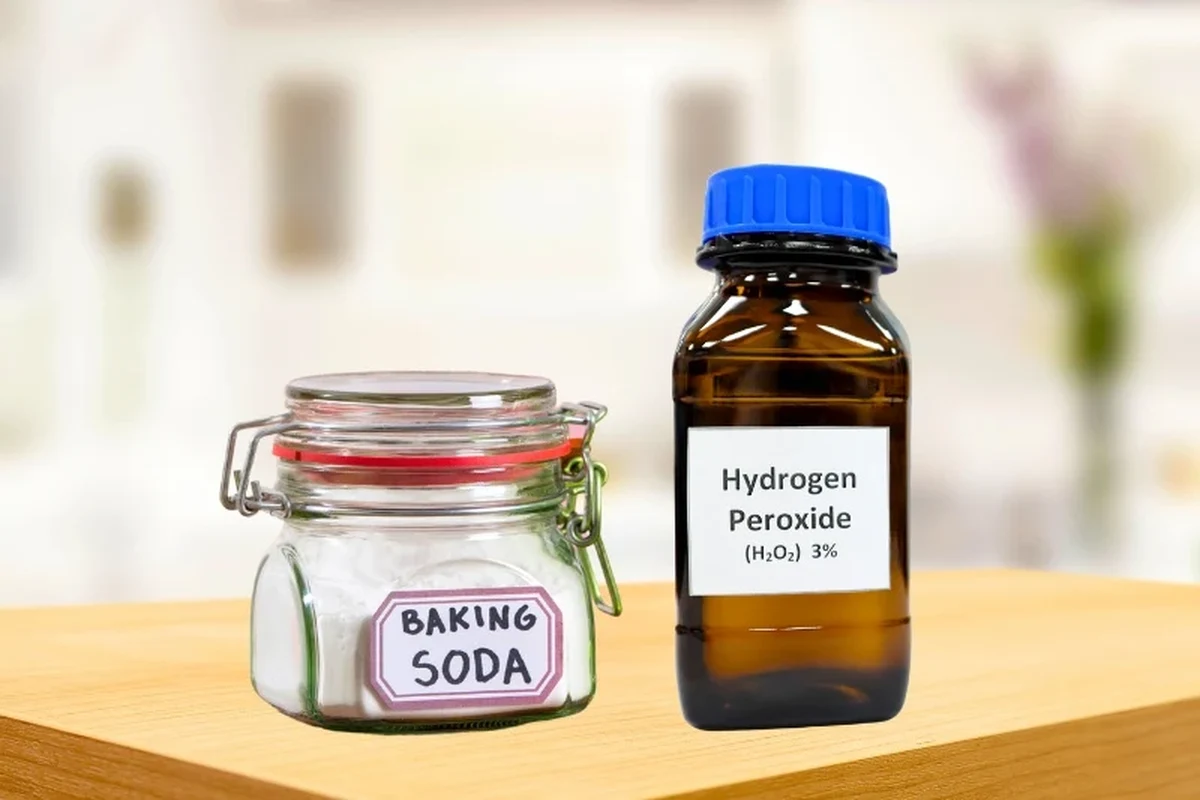
In everyday home use, people usually mean combining baking soda with common household hydrogen peroxide to make a paste or loose slurry. That paste shows up in cleaning advice for sinks, grout, trays, and other spots that need gentle abrasion plus a little chemical action.
This is different from baking or food questions. In the kitchen, baking soda is usually discussed as a leavening ingredient, while hydrogen peroxide is a cleaning product and should not be treated like a food ingredient. If you are comparing household cleaning uses, our guide to hydrogen peroxide and baking soda uses gives more background on why people pair them.
Why this combination appears in cleaning, whitening, and DIY advice
Baking soda is mildly abrasive and can help loosen stuck-on residue. Hydrogen peroxide adds wetting power and mild oxidizing action, which is why the mixture is often promoted for whitening or stain treatment.
That said, “whitening” is a broad claim. On some materials it may help lift discoloration; on others it may do very little or even dull a finish if left too long.
How the search intent differs from baking and food-use questions
People searching this phrase are usually not looking for a recipe ingredient substitution. They are trying to solve a cleaning problem, remove stains, or understand whether the mixture is safe around food-prep tools.
That matters because kitchen safety is different from baking chemistry. A cleaner that is acceptable on a pan may still be a poor choice for a cutting board, a knife handle, or anything that touches food directly.
What Happens When Baking Soda Meets Hydrogen Peroxide
When baking soda and hydrogen peroxide combine, the result is typically a paste that can help scrub and lift grime. The mixture is not a dramatic reaction like baking soda and vinegar; it is more about texture, moisture, and mild cleaning action.
The basic chemistry in plain language
Baking soda is sodium bicarbonate. Hydrogen peroxide is a reactive liquid that can break down into water and oxygen over time, especially when exposed to light, heat, or certain surfaces.
When you mix them, the baking soda gives the peroxide body and a scrubby feel. The peroxide helps wet the surface and can assist with stain loosening, but the cleaning result depends heavily on the material and how long the paste stays in contact.
Hydrogen peroxide is commonly sold in different strengths. The standard first-aid bottle is not the same as stronger cleaning products, and the higher the strength, the more carefully you should handle it.
How concentration, texture, and contact time change the result
A thicker paste clings better to vertical spots like grout. A thinner mixture spreads more easily on flat surfaces like sheet pans, but it may run off before it can do much work.
Contact time matters too. Too little time and the stain may not loosen; too much time and you may risk dulling finishes, drying out some materials, or leaving white residue behind.
Why the mixture can behave differently on counters, fabrics, teeth, or pans
Different surfaces absorb, react to, or resist cleaners in different ways. A sealed countertop may tolerate a light paste, while porous stone, unfinished wood, or delicate fabric can stain, etch, or discolor.
This is also why a method that seems harmless on a baking pan may not belong on teeth or skin. If you are looking at whitening uses, be cautious and check reputable guidance before putting any peroxide-based product in your mouth.
Is It Safe to Mix Baking Soda and Hydrogen Peroxide?
For many surface-cleaning tasks, the mixture is generally considered low-risk when used in small amounts, with normal household peroxide, good ventilation, and careful rinsing. But “safe” is not the same as “safe for everything.”
Situations where the mixture is generally considered low-risk for surface use
It is usually most reasonable for short-term cleaning jobs on non-porous or lightly soiled surfaces. Think of a sink basin, some grout lines, or a stained baking sheet that needs a gentle scrub.
Even then, spot-testing is smart. A small test area can tell you whether the finish dulls, the color changes, or the material reacts badly.
Do not assume a cleaner is food-safe just because it is common in home advice. If a surface will contact food, rinse thoroughly and follow the manufacturer’s care instructions for cookware, counters, and cutting boards.
When the combination becomes a bad idea: skin, eyes, enclosed spaces, and sensitive materials
Keep the paste away from eyes and avoid prolonged skin contact. Hydrogen peroxide can irritate skin, especially if you have cuts, sensitive skin, or you leave it on too long.
It is also a poor choice in tight, poorly ventilated spaces if you are using more than a very small amount. Strong fumes are not usually the issue with standard peroxide, but ventilation still helps you avoid irritation and accidental overexposure.
Why “safe” depends on the peroxide strength and the task
Household peroxide is one thing; stronger cleaning peroxide is another. The higher the concentration, the more likely it is to bleach, irritate, or damage the surface, so the label matters as much as the recipe.
Task matters too. A light stain on ceramic is not the same as a delicate finish on wood, a printed fabric, or a natural stone counter.
If you are unsure whether a surface can handle peroxide, use plain dish soap and warm water first. That is often enough for everyday kitchen cleanup and is less likely to cause damage.
Best-Practice Ratios, Texture, and Application Methods
There is no single official ratio for all cleaning jobs, but many home users aim for a paste that looks like soft toothpaste. The goal is spreadable, not runny.
Common paste-style proportions used for light cleaning tasks
A practical starting point is roughly two parts baking soda to one part hydrogen peroxide, then adjust as needed. Add the liquid slowly so you do not end up with a watery paste that slides off the surface.
If you need more scrubbing power, keep it thicker. If you need coverage over a larger area, make it slightly looser so it spreads more evenly.
How to adjust for scrubbing, spreading, or stain treatment
For scrubbing, use a thicker paste and a non-scratch sponge. For spreading over a stain, make the paste slightly smoother so it coats the area without crumbling.
For spot treatment, apply only enough to cover the mark. More product is not always better, and excess paste can leave more residue to rinse away.
Combine the ingredients in a clean bowl and stop when the texture looks spreadable. Small batches are easier to control and reduce waste.
Apply a little to an out-of-the-way area and wait briefly. If the surface dulls or changes color, switch to a gentler cleaner.
Use gentle pressure, then wipe away all residue with clean water. Dry the surface so you can see whether the stain actually lifted.
Examples of appropriate use on sinks, grout, and stained bakeware
On a sink, the paste can help loosen soap film and dull spots. On grout, it may lift surface soil, though deep stains often need repeated gentle cleaning rather than aggressive scrubbing.
On bakeware, it can help with baked-on discoloration or greasy residue, especially after soaking. If you are cleaning oven-related messes, you may also find our article on baking soda vinegar cleaning ovens useful for comparing methods.
Where This Mixture Can Be Useful in a Baking and Kitchen Setting
In a baking kitchen, the mixture is mostly a cleanup tool, not a prep ingredient. It can be useful after a baking session when pans, bowls, or tools have dried-on batter, sugar syrup, or browned residue.
Cleaning stained mixing bowls, sheet pans, and cutting boards
Stainless steel mixing bowls and metal sheet pans often respond well to a short paste treatment, followed by a thorough rinse. For baked-on marks, the combination of mild abrasion and moisture can do more than soap alone.
Cutting boards are trickier. A quick surface clean may be fine on some boards, but porous wood and heavily scored plastic can hold residue, so you should be extra careful about rinsing and drying.
Removing residue from baking tools without damaging finishes
Silicone tools, coated pans, and decorative finishes can be more sensitive than plain metal. Start with the gentlest option that works, because repeated scrubbing can wear down nonstick coatings or dull polished surfaces.
In many cases, warm water, dish soap, and a soft sponge are enough. Save the peroxide paste for stains that truly need it.
- Can help lift stains on some kitchen surfaces
- Easy to make from common household items
- Provides light scrubbing power without harsh abrasives
- Not safe for every material or finish
- Can leave residue if not rinsed well
- May be too strong for delicate or porous surfaces
When a gentler baking-soda paste or plain soap is the better choice
If the job is routine grease removal, plain soap is usually the better first step. If you only need light deodorizing or mild scrubbing, baking soda and water may be enough.
That approach is often smarter for items that touch food often or have delicate finishes. If you are interested in a simpler cleaner for everyday use, see our guide to a baking soda trick that actually works for low-risk household cleanup ideas.
Common Mistakes, Misuses, and Damage Risks
The most common problems come from using too much peroxide, leaving the paste on too long, or applying it to the wrong material. Those mistakes can turn a simple cleaner into a source of damage.
Using too much peroxide or letting the paste sit too long
More peroxide does not automatically mean better cleaning. It can make the mixture runnier, harder to control, and more likely to irritate skin or affect the finish.
Long dwell times can also cause problems. If the surface starts to look chalky, dry, or faded, rinse it off right away.
Assuming it is safe on every surface, fabric, or finish
Peroxide can bleach some fabrics and discolor certain dyes. It can also be risky on natural stone, unfinished wood, and some specialty coatings.
When in doubt, do not guess. Check the care instructions for the item, especially for cookware, appliances, and countertop materials.
Mixing it with vinegar, bleach, or other cleaners
Do not combine this mixture with bleach. That can create dangerous chemical exposure, and it is not worth the risk for a cleaning shortcut.
Also avoid mixing cleaners together just to “make them stronger.” Vinegar, bleach, ammonia, and peroxide each have their own behavior, and combining them can create fumes, reduce effectiveness, or damage surfaces. For a simple explanation of another common pairing, read our article on the baking soda and vinegar reaction explained simply.
Never store mixed cleaner in a sealed container for later use. Make only what you need, use it promptly, and rinse the area well when you are done.
Safe Handling, Storage, and Cleanup Guidance
Safe use is mostly about small batches, good ventilation, and careful cleanup. A little planning prevents most of the common problems.
Personal protection, ventilation, and surface testing before use
Wear gloves if your skin is sensitive or if you will be scrubbing for more than a minute or two. Keep the area ventilated, especially if you are cleaning a sink, bathroom, or enclosed pantry space.
Always test on a hidden area first. That is especially important for colored grout, coated tools, and anything with a special finish.
- Read the peroxide label and check the strength
- Test the cleaner on a hidden spot
- Keep bleach and other cleaners away from the work area
- Rinse the surface thoroughly after cleaning
How to store leftover ingredients separately and dispose of residue
Store baking soda in a dry container and hydrogen peroxide in its original bottle, away from heat and light. Do not pre-mix a large batch for later use, because the mixture will not stay as stable or predictable as the separate ingredients.
After cleaning, wipe up the residue and rinse the area with clean water. If any paste remains in cloths or sponges, rinse them well before reusing them on food-contact surfaces.
Signs to stop using the mixture and switch to a different cleaner
Stop right away if the surface turns dull, cloudy, or discolored. Also stop if the area feels sticky after rinsing or if the stain does not improve after a short, gentle try.
At that point, a different cleaner may be more appropriate. Sometimes the right answer is a degreaser, sometimes it is plain soap, and sometimes it is simply a softer brush and more patience.
Final Verdict: When to Use It, When to Avoid It, and What to Use Instead
Yes, you can mix baking soda and hydrogen peroxide safely for many light household cleaning tasks, especially on sturdy kitchen surfaces and stained bakeware. The key is to use a small batch, test first, rinse well, and avoid sensitive materials.
Decision guide for simple home and kitchen cleaning jobs
Use the mixture when you need mild scrubbing plus stain lifting on a surface that can handle it. Avoid it when you are working with skin, eyes, delicate finishes, porous stone, or anything that could be bleached or etched.
If you are cleaning everyday kitchen messes, plain soap and water should usually be your first move. Save the paste for the stubborn spots that need a little extra help.
Recap of the safest practical uses for Baking Pastry Schools readers
For Baking Pastry Schools readers, the best uses are practical ones: cleaning stained bowls, sheet pans, sinks, and some grout lines. For items that touch food, always finish with a thorough rinse and follow the care instructions for the material.
In short, the mixture can be useful, but it is not a universal solution. Treat it like a targeted cleaning paste, not an all-purpose shortcut, and you will get better results with less risk.
Frequently Asked Questions
A common starting point is about two parts baking soda to one part household hydrogen peroxide. Adjust slowly until you get a spreadable paste, not a runny liquid.
Often yes, but always spot-test first and rinse well after cleaning. Avoid using it on damaged coatings or any surface that the manufacturer says should not be scrubbed.
Usually no. Long contact time can dull finishes, leave residue, or discolor sensitive materials, so it is better to use short contact times and check the result.
No, it is not a good idea to mix them with vinegar or other cleaners. Combining cleaners can reduce effectiveness, damage surfaces, or create unsafe chemical exposure.
It may help with surface stains on some boards, but results depend on the material and how porous it is. Rinse thoroughly and avoid using it on boards that are cracked, heavily worn, or difficult to clean completely.
Stronger peroxide can be more aggressive and may bleach or damage surfaces more easily. Check the label carefully and use the mildest product that fits the job.

