
Should Plums Be Refrigerated? A Practical Storage Guide for Home Kitchens

If you just bought plums and are wondering where they belong, the short answer is this: firm, unripe plums should stay at room temperature until they soften, while ripe plums should go into the refrigerator if you are not eating them soon.
That simple rule helps avoid two common problems: chilling fruit too early and slowing ripening, or leaving ripe fruit out long enough for it to become mushy and bruised. In other words, plums are not a “fridge first” fruit or a “counter forever” fruit. Their best storage method depends on ripeness and how soon you plan to eat them.
How to Tell If a Plum Is Ripe
Before deciding whether to refrigerate plums, check ripeness first. A plum that is still firm needs different handling than one that is ready to eat today.
Here are the easiest checks:
- Gentle squeeze: A ripe plum gives slightly when pressed, but it should not feel soft or collapse under your fingers.
- Color: Many plums deepen in color as they ripen, though exact skin color depends on the variety.
- Aroma: Ripe plums usually smell fragrant near the stem end.
- Skin condition: The skin should look smooth and healthy, not shriveled or leaking.
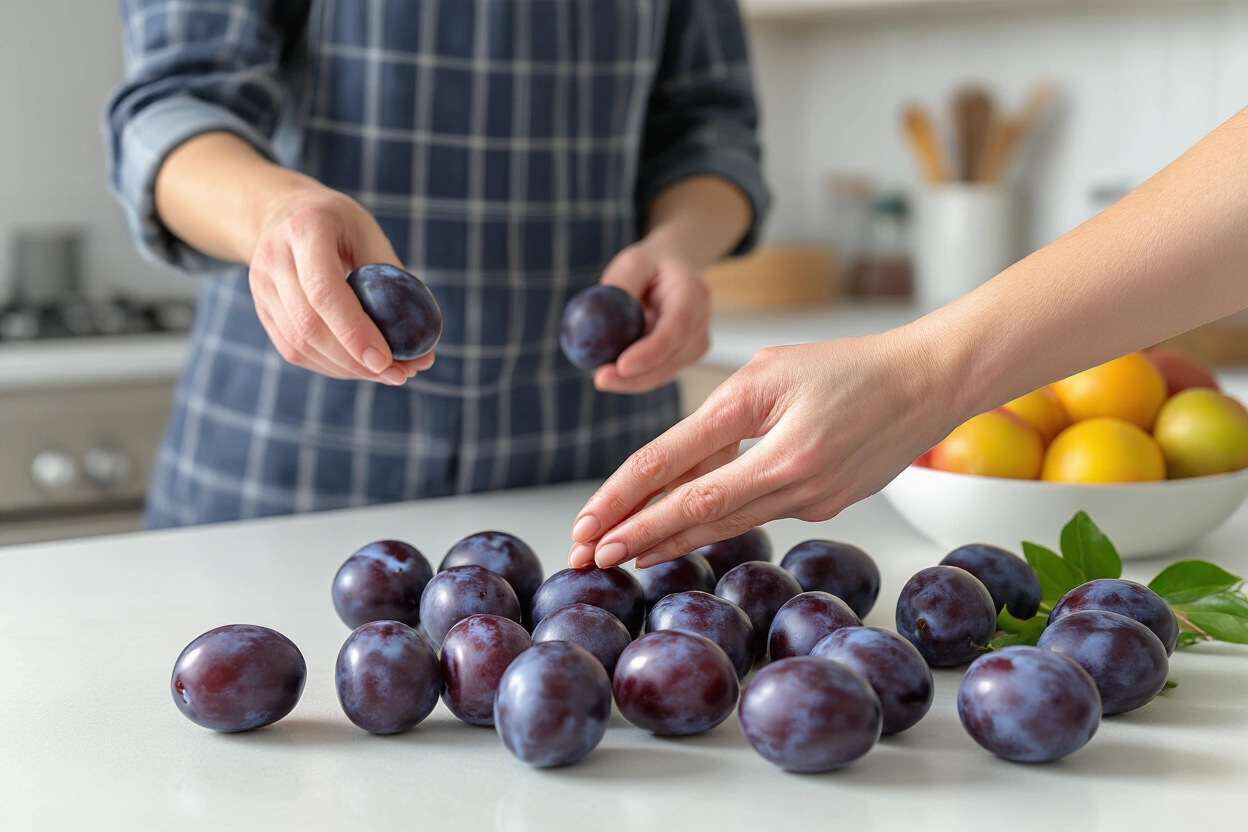
A practical example: if you bought a basket of plums that still feel hard, leave them on the counter. If one plum has softened while the rest are still firm, separate it and eat or chill it first.
When to Leave Plums at Room Temperature
Unripe plums generally belong on the counter, not in the refrigerator. Room temperature gives them the chance to finish ripening naturally. Cold storage can slow that process, which is useful later but not ideal when the fruit still needs time to soften.
A simple setup works well:
- Keep plums in a single layer if possible.
- Place them in a bowl or on a tray so they are not stacked heavily.
- Keep them dry and out of direct sun.
- Check them daily so the ripest ones do not get overlooked.
If you want to speed ripening a little, placing plums in a paper bag can help trap ethylene around the fruit. Just check them often so you can catch them at the right stage.
When to Refrigerate Plums
Once a plum is ripe, refrigeration is the better choice if you are not planning to eat it right away. The fridge slows further softening and helps keep the fruit from turning mushy on the counter.
This is especially useful when:
- You bought plums at peak ripeness but will not eat them for another day or two.
- Several plums ripened at once and you want to stretch them out.
- You want to hold fruit for snacks, lunchboxes, or meal prep later in the week.
For the best results, move ripe plums into the refrigerator promptly rather than waiting until they feel very soft. Chilling them after they are ready helps preserve quality without forcing you to eat everything at once.
How Long Plums Last on the Counter vs. in the Fridge
Storage life depends on ripeness, handling, and how much bruising the fruit has already taken. Still, the general pattern is consistent: the counter is for ripening, and the refrigerator is for slowing decline.
As a rough guide:
- Firm whole plums at room temperature: about 2 to 5 days to ripen, depending on how firm they were when you bought them
- Ripe whole plums in the refrigerator: about 3 to 5 days, sometimes a little longer if they were handled gently
- Cut plums refrigerated: about 2 to 3 days for best quality
| Storage method | Best for | Approximate storage life | Main trade-off |
|---|---|---|---|
| Room temperature | Firm, unripe plums | About 2 to 5 days | Ripens well, but softens faster and can bruise more easily |
| Refrigerator | Ripe plums | About 3 to 5 days | Slows softening, but can slightly dull texture if chilled too early |
| Cut plums | Refrigerated only | About 2 to 3 days | Convenient, but quality drops faster than whole fruit |
A useful rule of thumb: if you plan to eat the plum soon and it still feels firm, leave it out. If it is already ripe and you need to keep it beyond the immediate day or so, refrigerate it.
Best Way to Store Whole Plums
Whole plums store best when they are handled gently and kept dry. Bruising is one of the fastest ways to shorten their life, especially when fruit is piled in a bowl or bag.
A simple storage routine:
- Sort out any damaged or very soft plums first.
- Keep whole plums in a single layer when possible.
- Avoid washing them until you are ready to eat them.
- Put ripe plums in the refrigerator.
- Keep firmer plums on the counter until they finish ripening.
If you bought several plums at once, think of them in stages. The firmest ones can stay out, the ripe ones can go cold, and the bruised ones should be used first.
How to Store Cut, Bruised, or Overripe Plums
Once a plum is cut, the storage rules change. Exposed fruit loses quality faster and should go into the refrigerator promptly in a covered container.
For cut plums:
- Store them in an airtight container.
- Keep them refrigerated.
- Try to use them within 2 to 3 days, since sliced fruit softens and dries out faster than whole fruit.
For bruised plums:
- If the bruise is small and the fruit still smells fresh, use it first.
- If the flesh is leaking, moldy, or very soft, discard it.
- Keep damaged fruit separate from firmer plums so you can use the better fruit first.
For overripe plums:
- If they are still safe and smell normal, refrigerate them and use them quickly.
- If they are mushy, leaking, or developing mold, they are past the point of useful storage.
A practical example: if one plum in the basket has a soft brown spot from being bumped, move it to the “use first” pile instead of leaving it with the rest. That small step can help you use the fruit before quality drops.
How Refrigeration Affects Plum Texture and Flavor
Refrigeration helps plums last longer, but it can also change how they eat. Cold storage slows ripening and softening, which is useful for freshness. The trade-off is that plums chilled too early may taste less fragrant or feel a little less juicy once they warm up.
That is why ripeness matters so much. A ripe plum can usually handle the fridge well because it has already developed its best flavor and texture. An unripe plum, on the other hand, may not fully reach its best quality if it is chilled too soon.
If you prefer the best eating texture, let refrigerated plums sit at room temperature briefly before serving. That takes the chill off and often improves flavor perception.
Common Plum Storage Mistakes to Avoid
A few simple missteps cause most plum waste:
- Refrigerating unripe plums too early: This can slow ripening and leave you with fruit that never softens properly.
- Leaving ripe plums on the counter too long: They can go from ready to mushy quickly.
- Stacking plums in a deep bowl: Pressure points lead to bruising.
- Washing before storage: Extra moisture can encourage mold or soft spots.
- Mixing damaged fruit with good fruit: It is usually better to keep them separate so you can use the best plums first.
- Forgetting cut plums in the fridge: Sliced fruit should be used sooner rather than later.
The easiest fix is to sort your plums as soon as you get home. Firm ones stay out, ripe ones go in the fridge, and damaged ones get used first.
A Simple Decision Rule You Can Use Every Time
If you want a quick answer without overthinking it, use this:
- Firm plum: leave it on the counter.
- Ripe plum you will not eat soon: refrigerate it.
- Cut plum: refrigerate it immediately.
- Bruised plum: use it first.
- Moldy or leaking plum: discard it.
That decision tree works well for grocery shoppers, home cooks, and meal-prep users because it matches the fruit’s condition to the storage method.
Frequently Asked Questions
Should plums be refrigerated right after buying them?
Not always. If they are still firm, let them ripen at room temperature first. If they are already ripe, refrigeration can help slow further softening.
Can you refrigerate plums before they are ripe?
You can, but it is usually not the best choice. Cold storage may slow ripening too much and affect texture.
How do I know if a plum has gone bad?
Look for mold, leaking liquid, a strong off smell, or flesh that is collapsing badly. Those are signs to discard it.
Should I wash plums before storing them?
It is usually better to wait until you are ready to eat them. Washing before storage can leave excess moisture on the skin.
What is the best container for cut plums?
Use an airtight container in the refrigerator. That helps limit drying and keeps the fruit from picking up odors.
Do all plum varieties store the same way?
The basic rule is the same, but ripening speed and texture can vary by variety. Use ripeness, not just appearance, to decide where they belong.
For broader food safety guidance on storing fruit and handling cut produce, the USDA’s food storage resources and the FDA’s food safety guidance are useful references.
If you also store other kitchen appliances or ingredients carefully, you may find our guides on air fryer safety for dorm rooms and whether air fryers are toxic helpful for building better everyday kitchen habits.