
Best Equivalent of Baking Soda for Every Recipe

Baking powder is usually the best equivalent of baking soda, but the right choice depends on the recipe’s acidity and structure. For some bakes, an acid partner or specialty leavener works better, while sauces and frostings may not be good candidates for substitution.
If you are missing baking soda, the best equivalent depends on what you are making and how much acid is already in the batter. In many recipes, baking powder is the closest substitute, but some bakes need an acid partner or a different leavener entirely.
- Best default: Use baking powder first for many cakes, muffins, pancakes, and quick breads.
- Recipe matters: Baking soda affects browning, flavor, and pH, not just rise.
- Watch the ratio: A common starting point is 3 teaspoons of baking powder for 1 teaspoon of.
- Handle carefully: Too much acid, old leavener, or the wrong substitute can cause flat or gummy.
What “Equivalent of Baking Soda” Really Means in Baking Chemistry
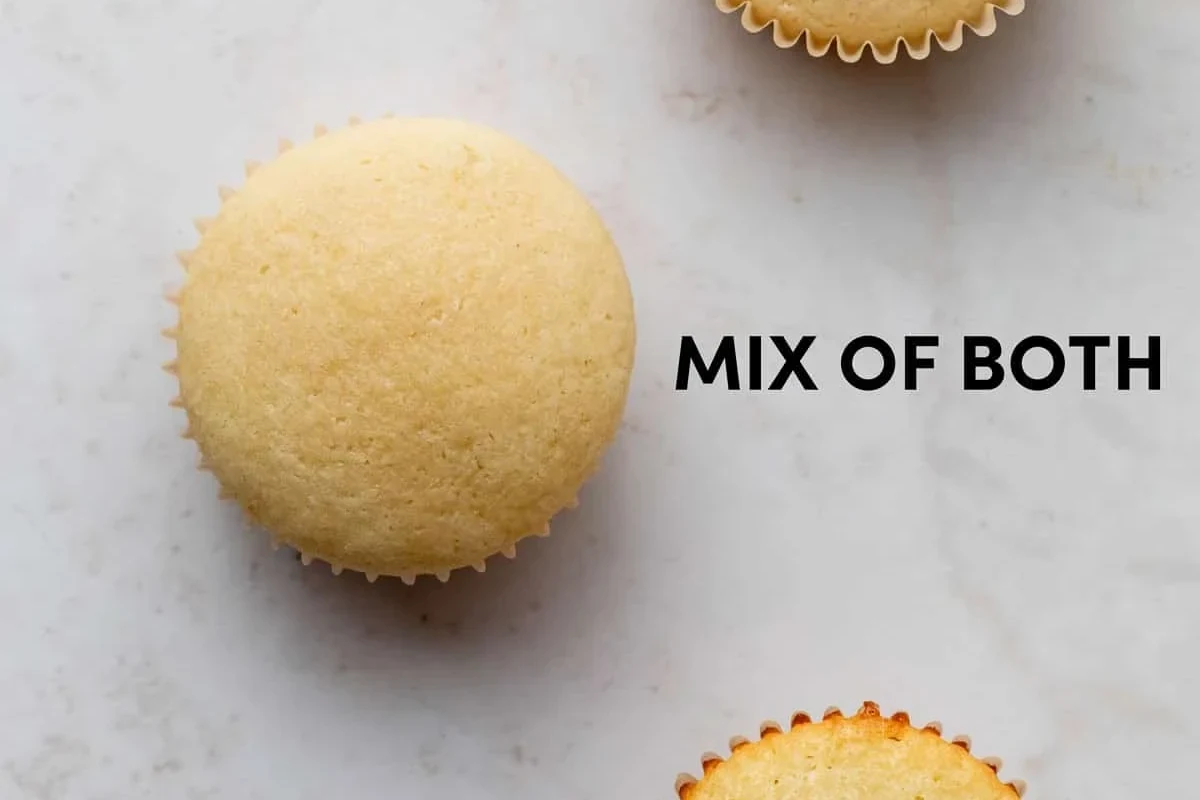
The word “equivalent” does not mean a perfect one-to-one swap in every recipe. Baking soda, or sodium bicarbonate, does more than create lift, so the best replacement has to match its chemical job as closely as possible.
How baking soda works as a leavener, browning agent, and pH balancer
Baking soda reacts with acidic ingredients such as yogurt, buttermilk, lemon juice, vinegar, brown sugar, or natural cocoa. That reaction releases carbon dioxide, which helps batter rise and gives baked goods a lighter crumb.
It also raises pH, which encourages browning and can soften certain batters. That is why a cookie with baking soda often spreads more, browns faster, and tastes a little more caramelized than one made with only baking powder.
Baking soda works immediately once it meets acid and moisture, so batters with it should usually go into the oven without delay.
Why the right substitute depends on acidity, moisture, and bake time
A substitute has to fit the recipe’s chemistry. If a batter already contains enough acid, baking powder may work well. If the recipe depends on baking soda’s alkalinity for browning or flavor, a simple swap can leave the result pale or flat.
Moisture matters too. Some substitutes need liquid to dissolve and activate, while others begin acting as soon as they are mixed. Bake time matters because fast-acting leaveners lose lift if a batter sits too long before baking.
Best Equivalent of Baking Soda by Recipe Type
The closest substitute changes with the recipe. A cake batter, a cookie dough, and a savory sauce do not need the same kind of replacement.
Cakes, muffins, and quick breads: when baking powder can replace baking soda
For many cakes, muffins, and quick breads, baking powder is the most practical substitute. It already contains an acid and base, so it can create lift without relying on the recipe’s other ingredients.
Use this option when the recipe has little or no acidic ingredient. If the recipe already includes buttermilk, yogurt, molasses, or natural cocoa, baking powder may still work, but the flavor and texture can shift slightly because the original balance changes.
Cookies and bars: using self-rising flour, whipped eggs, or acidic ingredients
Cookies and bars are more sensitive to spread and browning. If baking soda is missing, self-rising flour may help in some bar cookies or simple bars, but it should be used carefully because it also adds salt and baking powder.
Whipped eggs can provide some lift in certain batters, especially lighter bar or sheet-style recipes. In recipes that already include an acid, you may also be able to pair that acid with baking powder rather than trying to force a direct soda replacement. For more on ingredient behavior in baked goods, see our guide to kitchen appliance baking basics when comparing heat and texture changes in different cooking methods.
Pancakes, waffles, and batters: balancing lift without changing texture
Pancakes and waffles often use baking soda for quick lift and a tender interior. If you do not have it, baking powder is usually the easiest substitute, but the batter may need a little more resting time only if the recipe depends on flour hydration rather than chemical reaction alone.
Watch the texture closely. A batter that is too thin may spread too much, while one that is too thick may bake up dense. The goal is lightness without making the finished pancake or waffle taste metallic or overly cakey.
Frostings, sauces, and savory recipes: when a substitute is not appropriate
In frostings and sauces, baking soda is often used in tiny amounts to adjust pH, reduce acidity, or change color. In those cases, a substitute is not always appropriate because baking powder adds starch and its own acid, which can cloud a sauce or alter sweetness.
For savory recipes, especially soups, tomato sauces, and braises, it is usually better to follow the recipe’s original chemistry or adjust with another ingredient the recipe already uses. If the soda was there for browning or tenderness, replacing it blindly can create an off flavor or a dull finish.
How to Choose the Closest Substitute Based on Ingredients You Already Have
The best substitute is the one that matches both the recipe and your pantry. Start by checking whether the recipe already has an acid, whether the batter is delicate, and whether the final product needs strong browning.
Baking powder as the most common substitute: ratio, timing, and flavor impact
Baking powder is the most common equivalent of baking soda when you need lift more than alkalinity. It is usually the safest starting point for cakes, muffins, and many quick breads.
Because baking powder contains its own acid, it can make baked goods slightly more neutral in flavor and less browned than baking soda would. That difference is small in some recipes and obvious in others, especially cookies and dark chocolate bakes.
If a recipe already has a strong acidic ingredient, baking powder may still work, but the result can be less tangy and a little less deeply browned than the original.
Self-rising flour as a partial replacement in structured baked goods
Self-rising flour is not a direct baking soda substitute, but it can help in simple cakes, biscuits, and some bars. It already includes baking powder and salt, so it changes the recipe structure as well as the leavening.
Use it only when you can adjust the rest of the recipe. If the formula is precise, especially in professional-style baking, self-rising flour may throw off salt level, protein balance, and texture.
Potassium bicarbonate, baker’s ammonia, and other specialty options
Potassium bicarbonate is the closest chemical cousin to baking soda and can work in some recipes, especially for people reducing sodium. It is still not a universal swap because it does not behave exactly the same way in flavor or browning.
Baker’s ammonia is another specialty leavener used in crisp cookies and some traditional baked goods. It creates excellent lift and a dry, crisp texture, but it is not suitable for thick, moist cakes because ammonia odor can linger if the product cannot fully vent during baking.
Specialty leaveners are not interchangeable in every recipe. Follow package directions and use them only in formulas designed for them.
Acid pairings like lemon juice, vinegar, yogurt, or buttermilk when baking soda is missing
If your recipe has baking soda but no obvious substitute, you can sometimes recreate part of its effect by pairing baking powder with an acidic ingredient already in the formula. Lemon juice, vinegar, yogurt, and buttermilk are common options, but the amount needed depends on the recipe and should be adjusted carefully.
Do not add extra acid just to “make up” for missing soda unless you are also adjusting the rest of the formula. Too much acid can make batter gummy, overly tangy, or slow to brown.
Measurement Guide: Exact Ratios and Conversion Rules
There is no perfect universal ratio, but there are reliable starting points. The safest conversions keep the recipe’s structure intact and avoid overloading the batter with extra acid or starch.
Simple substitution ratios for 1 teaspoon, 1/2 teaspoon, and small-batch recipes
A common starting rule is to replace 1 teaspoon of baking soda with about 3 teaspoons of baking powder when the recipe has little or no acidic ingredient. For 1/2 teaspoon of baking soda, start with about 1 1/2 teaspoons of baking powder.
For very small batches, even slight measurement errors matter. Use a level measuring spoon and avoid rounding up, because too much baking powder can leave a bitter or soapy aftertaste.
How to adjust salt, liquid, and flour when switching leaveners
When you use self-rising flour, reduce or remove added salt and baking powder from the recipe as needed. When you use baking powder instead of baking soda, you usually do not need to change flour, but you may need a small liquid adjustment if the batter becomes too thick.
If the original recipe was built around soda’s fast reaction, a substitute may also change batter viscosity. Watch for batter that looks looser than usual or dough that feels stiffer than expected.
When to reduce acidity elsewhere in the recipe to avoid off flavors
If you replace baking soda with baking powder in a recipe that already contains acidic ingredients, consider reducing one acidic ingredient slightly. This helps prevent a sharp tang or a heavy, custardy center that never quite bakes out.
That said, do not cut acid automatically. In some recipes, acid is also there for flavor and tenderness, not just leavening. The original formula matters.
Method Changes That Affect Rise, Texture, and Browning
Even a correct substitute can behave differently in the bowl and in the oven. Small changes in mixing and timing often decide whether the finished bake is tender or dense.
Mixing order and how quickly to bake after adding a substitute
Baking soda and baking powder both begin working once they are moistened, but baking soda is especially time-sensitive when acid is present. Mix the batter only until combined, then get it into the oven promptly.
If you are using whipped eggs or another physical leavener, fold gently so you do not knock out the air. Overmixing develops gluten and can make the finished product tough instead of light.
How substitutes change crumb, spread, and tenderness
Baking powder usually gives a finer, softer crumb. Baking soda tends to encourage more spread, stronger browning, and a slightly more open texture, especially in cookies and quick breads.
That means the substitute can change more than rise. A cookie may hold its shape better, a muffin may dome less aggressively, or a cake may look a little paler on top even when fully baked.
Visual cues for doneness when the leavener behaves differently
Do not rely on rise alone. Look for set edges, a springy center, and the color the recipe expects, but remember that a substitute may make the bake look lighter or darker than usual.
For cakes and muffins, a tester should come out with moist crumbs, not wet batter. For cookies and bars, the center should look set and the edges should be just firm, because carryover heat continues cooking after the pan leaves the oven.
Common Mistakes When Replacing Baking Soda
Most substitution problems come from treating all leaveners as if they work the same way. They do not, and the recipe usually gives clues about what it needs.
Using baking powder in recipes that need strong alkalinity
Some recipes need baking soda not just for lift but for browning and flavor balance. Chocolate cookies, ginger cookies, and recipes with molasses often fall into this group.
If you use only baking powder in those recipes, the result may be lighter in color and less crisp around the edges. The flavor can also taste less rounded.
Overcompensating with acid and causing dense or gummy results
Adding extra lemon juice or vinegar is not a cure-all. Too much acid can weaken structure, especially in cakes and quick breads that depend on a balanced batter.
The result can be dense, wet, or gummy in the center even when the outside looks done. If you need acid to activate a substitute, use only a measured amount and keep the rest of the formula steady.
Ignoring the recipe’s original pH and ending up with flat, pale baked goods
Recipes are often written around a specific pH balance. If you remove baking soda from a recipe that depends on alkalinity, you may lose both lift and color.
That is one reason a direct swap sometimes disappoints. The batter may rise a little, but the final product can still be flat-looking, pale, or oddly flavored.
Substituting without checking freshness, especially in older pantry ingredients
Old baking powder loses power over time, and self-rising flour can lose effectiveness if it has been stored too long. If your substitute is stale, the recipe may fail even if your math is correct.
Check pantry ingredients before baking. Old leaveners can cause wasted ingredients and underbaked centers, which is especially frustrating in egg-based or dairy-rich recipes.
Storage, Shelf Life, and Safety Considerations for Baking Soda Alternatives
Freshness matters because leaveners are performance ingredients. If they are weak, the bake may look fine on the outside but collapse or turn heavy once cooled.
How freshness affects performance in baking powder, self-rising flour, and specialty leaveners
Baking powder should be stored sealed and dry, and self-rising flour should be used before its leavening loses strength. Specialty leaveners such as baker’s ammonia and potassium bicarbonate also need dry storage and clear labeling so they are not confused with regular baking soda.
If you are unsure about freshness, follow the package guidance. When in doubt, replace the ingredient rather than hoping it still works.
Proper storage conditions for dry leavening ingredients in 2026 kitchens
Keep dry leaveners away from steam, heat, and open containers near the stove. A cool pantry cabinet is usually better than a shelf above the oven.
Use airtight containers if the original packaging is damaged. Humidity can shorten shelf life and make powders clump, which affects measuring accuracy.
Food safety and labeling concerns for commercial and homemade substitutes
Always read labels if you have food allergies or sodium restrictions. Baking powder, self-rising flour, and specialty blends may contain starches or additives that matter for cross-contact or dietary reasons.
For safety guidance on ingredients and storage, it is wise to follow recognized official advice such as USDA and FDA recommendations. Homemade substitutes should be labeled clearly and stored separately so they are not mistaken for the real thing.
Final Choice: Which Equivalent of Baking Soda Works Best for Your Recipe?
If you need the closest all-around substitute, baking powder is usually the first choice. If the recipe is structured and simple, self-rising flour can work in a pinch, but it changes the formula more than baking powder does.
Decision guide for the most reliable substitute by pantry situation and recipe type
Choose baking powder for cakes, muffins, pancakes, waffles, and many quick breads. Choose an acid partner only when the recipe is already designed for that chemistry, and use specialty leaveners only in recipes that call for them or clearly suit them.
Recap of when to use baking powder, when to use acid partners, and when to avoid substitution
Use baking powder when you want lift and the recipe is not relying heavily on soda for browning or flavor. Use acid pairings carefully when the formula needs a soda-like reaction, and avoid substitution in frostings, sauces, and other recipes where pH control matters more than rise.
The safest practical rule is simple: match the substitute to the recipe’s chemistry, not just the ingredient name. When you do that, the equivalent of baking soda becomes a useful solution instead of a guess.
- Baking powder is the easiest substitute in many sweet baked goods.
- Self-rising flour can help in simple, structured recipes.
- Specialty leaveners can solve specific texture or sodium needs.
- Direct swaps can change browning, spread, and flavor.
- Too much acid or old leavener can ruin the texture.
- Some savory recipes should not be substituted at all.
For most home bakers, the best approach is to start with baking powder, then adjust only if the recipe’s ingredient list clearly suggests a different path. If you want more kitchen technique guidance, check related Baking Pastry Schools articles on heat, airflow, and ingredient behavior before making larger recipe changes.
Frequently Asked Questions
Not in every recipe. Baking powder works best when the recipe needs lift but not strong alkalinity, browning, or flavor changes from baking soda.
Baking powder is usually the closest everyday substitute. For some recipes, potassium bicarbonate or an acid partner may be a better match.
A common starting point is about 3 teaspoons of baking powder for 1 teaspoon of baking soda. The best ratio still depends on the recipe’s acidity and structure.
Baking soda helps browning by raising pH, so baking powder can leave baked goods lighter in color. The recipe may also have needed more acidity or a different leavener balance.
Sometimes, but only in simple baked goods where you can adjust salt and other leaveners. Self-rising flour is not a direct one-to-one replacement.
Keep them sealed, dry, and away from heat or steam. Check freshness before baking because weak leaveners can cause dense or flat results.