
Baking Soda for Bleach Stains Easy Fixes That Work
Baking soda can help fade the look of bleach stains by cleaning residue and softening the contrast, but it cannot restore lost fabric dye. It works best as a gentle first step before color repair or replacement.
Bleach stains can be frustrating because they are often not true stains at all. Baking soda for bleach stains can help fade the contrast, blend the area, and make the mark less obvious, but it cannot restore lost dye or damaged fibers.
- Best first step: Use baking soda to clean and blend, not to fully reverse bleach damage.
- Fabric matters: Cotton and denim are easier to treat than delicate or heavily dyed fabrics.
- Avoid mistakes: Do not scrub hard, mix unsafe cleaners, or apply heat too soon.
- Know the limit: If the fabric has lost color or feels thin, you likely need dye or.
Why Bleach Leaves Stubborn Marks on Fabric and What Baking Soda Can Actually Do
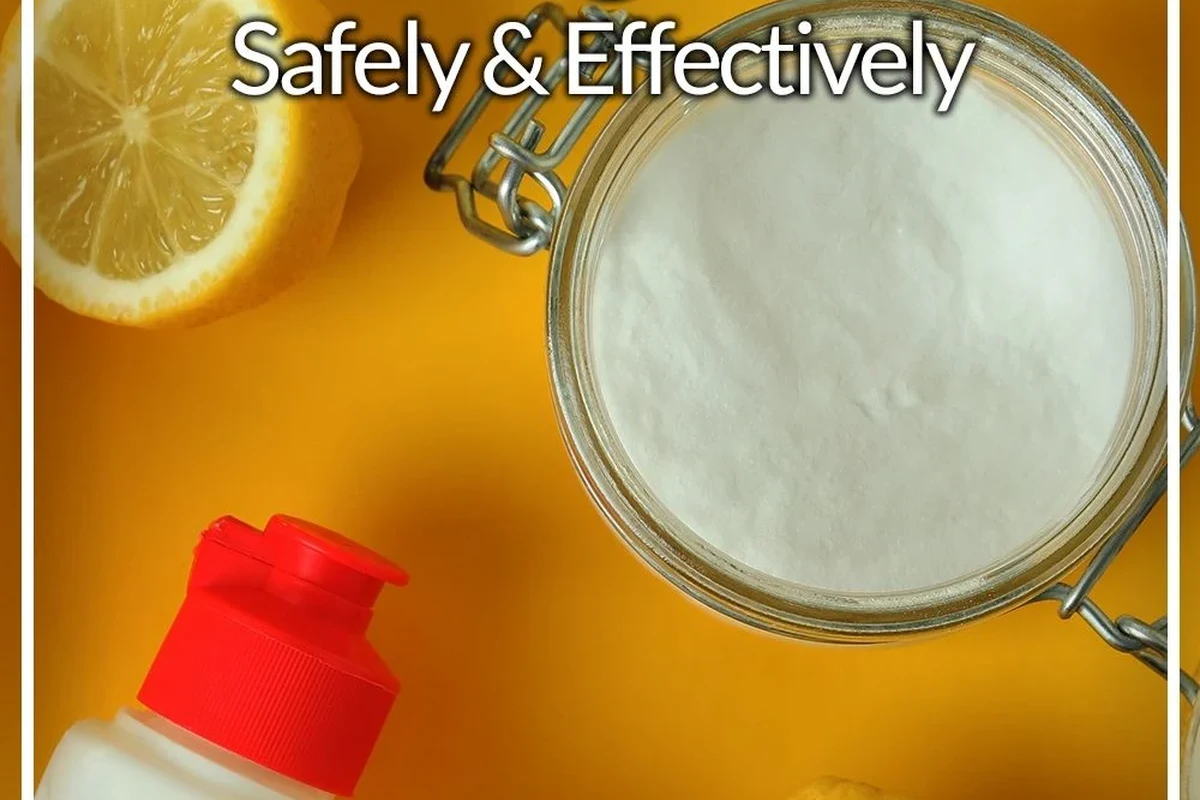
Bleach works by breaking down color molecules, which is why a splash can leave a white, yellow, or uneven patch behind. On some fabrics, it also weakens the fiber surface, so the mark may look more like damage than a stain.
Baking soda is useful because it is a mild, abrasive-free cleaner that can help lift residue, reduce harsh odor, and slightly even out the look of the affected area. It is not a dye, so it cannot bring back the original color on its own. If you want a broader laundry-care refresher, our guide on careful heat control in the kitchen shows the same idea: the method matters as much as the ingredient.
How bleach changes dye, fibers, and stain appearance
When bleach hits fabric, it does not simply “stain” it. It strips pigment, and that color loss can happen fast, even before you notice the spill. Dark cotton usually shows the contrast most clearly, while white items may show yellowing, roughness, or a bright spot under certain light.
If the fabric was already worn, the bleach can expose weaker fibers or create a thin patch. That is why the mark may look different after washing, drying, or ironing.
Where baking soda helps and where it cannot reverse damage
Baking soda helps most when there is still some bleach residue, surface discoloration, or a visible edge around the spot. It can also help soften the visual transition between the damaged area and the surrounding fabric.
It cannot replace missing dye or rebuild fibers that have been chemically weakened. If the spot is stark white on a colored garment, think of baking soda as a blending step, not a full repair.
Use baking soda on bleach spots when you want a gentle first step. It is best for reducing contrast, not for making the fabric look brand new.
Best Baking Soda Methods for Fading or Blending Bleach Stains
For most laundry items, the safest approach is to start with the gentlest method and work up only if needed. That keeps you from spreading the damage or wearing down the fabric finish.
Baking soda paste for small spots on washable fabrics
Make a thick paste with baking soda and a little water. Apply it to the bleach mark, let it sit briefly, then rinse with cool water and wash the item according to the care label.
This works best on small, fresh spots where the fabric is sturdy and washable. Use your fingers or a soft cloth rather than a scrub brush, because heavy rubbing can make the edge look more obvious.
Baking soda soak for larger affected areas
For bigger patches, dissolve baking soda in cool or lukewarm water and soak the garment or towel. This method is less about “removing” the bleach mark and more about treating the whole area evenly so the contrast is less sharp.
After soaking, launder normally if the care label allows it. If the fabric is dark or color-sensitive, avoid long soaks without testing first.
Using baking soda with sunlight or gentle laundering for better results
Once the item is clean and fully rinsed, some people try brief, indirect sunlight to help the fabric look more even. Sunlight can sometimes change the appearance of the surrounding color, but it can also fade fabric further, so this is only worth considering with caution.
Gentle laundering after baking soda treatment can help remove residue and make the area look cleaner. If the item is a dark shirt or a uniform piece, keep expectations realistic: the goal is usually blending, not a perfect match.
Results depend on fabric type, dye quality, how strong the bleach was, and how long it sat before treatment. A small splash on cotton may respond better than a large spill on synthetic blends.
Step-by-Step Fixes for Different Fabric Types and Clothing Situations
Different fabrics react differently to bleach, water, and cleaning products. A method that is safe for a cotton dish towel may be too aggressive for a delicate blouse.
Cotton, denim, and everyday laundry items
For cotton and denim, start by rinsing the area thoroughly if any bleach residue may remain. Then apply a baking soda paste to the spot or soak the item in a baking soda solution, depending on the size of the mark.
After treatment, wash the item on the normal cycle that the care label allows. If the fabric is dark, inspect it while damp and again after drying, because bleach marks can look different once the fabric is fully dry.
Synthetics, dark clothing, and delicate fabrics
Synthetics can hold color differently, and some delicate fibers do not tolerate soaking or friction well. Use a patch test first, then choose the shortest, mildest treatment that makes sense for the item.
For dark clothing, baking soda may only soften the edge of the mark. Delicate fabrics such as silk, rayon, or lace often need professional help or a color-repair product rather than repeated home treatment.
White garments, uniforms, and towels with bleach marks
On white items, the issue is often not contrast but uneven brightness. Baking soda can help remove leftover bleach smell and residue, but it will not remove a bright white patch on an already white garment.
For uniforms and towels, the main goal is usually to clean the area, stabilize the fabric, and decide whether the item still looks acceptable in everyday use. If the mark is on a towel or cleaning cloth, repurposing may be the simplest answer.
Common Mistakes That Make Bleach Stains Look Worse
Bleach damage is easy to worsen if you rush the fix. The best results usually come from a calm, low-pressure approach.
Scrubbing too hard or using too much water pressure
Hard scrubbing can rough up the fabric and make the bleach spot catch the light more sharply. Strong water pressure can also spread residue into a larger area instead of helping the fabric recover.
Use gentle blotting and light rinsing. If the item already looks fuzzy or thin, stop before you create a bigger texture problem than the original mark.
Mixing baking soda with unsafe cleaners
Never mix leftover bleach with vinegar, ammonia, or other cleaners unless a product label specifically says it is safe. Baking soda is generally mild, but it should still be used with a fully rinsed item if bleach residue may remain.
If you are unsure whether bleach is still present, rinse the fabric thoroughly with water first and ventilate the area. For general home safety, the same caution applies when handling strong kitchen products or cleaning sprays.
Do not use heat or additional chemicals on a fabric that may still contain active bleach. Rinse first, work in fresh air, and avoid mixing cleaners.
Applying heat before confirming the stain is stabilized
Heat from a dryer, iron, or hot water can lock in residue and make certain fabric problems more visible. If a bleach spot is still unstable, heat can also make the surrounding area look more uneven.
Let the item air-dry first so you can judge the true result. That is especially important for dark garments, where a damp patch can hide the final look.
When Baking Soda Is Enough and When You Need a Color-Repair Approach
Baking soda is a good first aid step, but it is not the whole solution for every bleach mark. Once you know whether the problem is residue, discoloration, or actual damage, the next step becomes clearer.
Matching fabric dye, fabric markers, or color restorers
If the bleach spot is a true loss of color, you may need a fabric dye, a color-restoring product, or a fabric marker that matches the garment. These options work better when the goal is to visually replace missing color rather than clean the area.
For dark shirts and jeans, a color repair product often does more than baking soda alone. Always follow the product label and test on a hidden area first, because dye uptake can vary by fiber and finish.
When the stain is actually fiber loss, not just discoloration
Sometimes a bleach mark is not about color at all. If the spot feels thinner, rougher, or slightly see-through, the bleach has likely affected the fiber structure.
In that case, no cleaner can truly reverse the damage. You may still improve the appearance, but the fabric may remain weaker and more prone to tearing or fraying.
Signs the item is better repurposed than rescued
If the mark is large, the fabric is fragile, or the item is already heavily worn, a repair attempt may not be worth the effort. That is often true for towels, work clothes, or older garments with multiple weak spots.
Repurposing can be a smart outcome. A damaged shirt may become cleaning rags, a tote lining, or a practice piece for dye testing.
- Gentle and easy to try at home
- Helps remove residue and reduce harsh edges
- Works well as a first step before color repair
- Cannot restore lost dye
- May do little on large or severe bleach marks
- Can be ineffective on delicate or damaged fibers
Safety, Fabric Care, and Testing Before You Treat the Stain
A little testing can save a garment. That is especially true when you are dealing with bleach, where the wrong move can turn a small accident into a permanent one.
Patch testing on hidden seams and hems
Test your baking soda paste or soak on an inside seam, hem, or other hidden area first. Look for color change, texture change, or any weakening after the fabric dries.
If the hidden spot reacts badly, stop and consider a color-repair product or professional cleaning advice instead. This is especially important for dark fabrics and blended fibers.
Ventilation, gloves, and handling leftover bleach residue
If the item may still have bleach residue, work in a ventilated area and consider wearing gloves. Even though baking soda is mild, the fabric itself may still carry enough bleach to irritate skin or react with other cleaners.
Rinse thoroughly before you begin. If the spill happened on a countertop, sink, or floor as well as the fabric, clean that area separately and avoid cross-contamination.
Checking care labels before soaking or laundering
Care labels matter because soaking can damage some fabrics, trims, and dyes. A label may also tell you whether the item should be hand-washed, machine-washed, or kept away from heat.
When in doubt, follow the most protective instruction on the label. That is the safest route for anything delicate, structured, or expensive.
Baking soda is alkaline, which is part of why it can help loosen residue and neutralize odors. But alkalinity alone does not reverse the color loss caused by bleach.
Practical Examples: What Real Bleach Stain Fixes Look Like in 2026
Most real-life bleach fixes are modest, not dramatic. The best outcome is often making the damage less noticeable so the item is wearable again.
Small accident on a dark T-shirt
A tiny bleach splash on a black T-shirt may respond well to a baking soda paste followed by a careful wash. The spot may still be lighter, but the edge often looks softer after treatment.
If the shirt is a favorite, a fabric marker or dye pen may finish the job better than repeated cleaning. That is especially true when the spot sits on the chest or shoulder, where contrast draws the eye.
Accidental splash on kitchen towels or school uniforms
Kitchen towels often tolerate baking soda treatment well because the fabric is usually sturdy. School uniforms are trickier because you want the item to look clean and consistent, not just washed.
For uniforms, a blend of gentle cleaning and color repair may be needed. If you are also comparing household appliance safety topics, our article on air fryer safety concerns shows how important it is to match the method to the material and the risk.
Large bleach mark on a favorite garment
A large bleach mark is harder to hide because the eye notices irregular color quickly. Baking soda can still help clean the area and prepare it for dye or marker repair, but it will not erase a wide patch by itself.
If the garment is valuable, consider a professional color correction service or a textile repair specialist. If not, repurposing the item may save time and frustration.
Final Verdict: Is Baking Soda Worth Trying for Bleach Stains?
Yes, baking soda for bleach stains is worth trying as a first, gentle step. It is inexpensive, easy to use, and helpful for rinsing residue, softening the visual edge, and preparing fabric for a better-looking repair.
Best-use recap for quick home treatment
Use baking soda on small, washable bleach spots, especially when the fabric is sturdy and the spill is fresh. It is most useful when you want a low-risk way to start before moving to dye or marker repair.
If you want more laundry-care context before trying a fix, our piece on safe cleanup for coated kitchen parts is a good reminder that surface care and material care always go together.
When to move from stain treatment to color correction or replacement
Move on when the bleach has clearly removed dye, when the fabric feels damaged, or when the item still looks obviously marked after a gentle treatment. At that point, a color-restoring method is usually a better fit than more baking soda.
The practical rule is simple: use baking soda to clean, blend, and stabilize. Use dye, markers, or replacement when the fabric itself has lost its color or strength.
Frequently Asked Questions
No. Baking soda can help clean residue and make a bleach mark less noticeable, but it cannot restore lost dye. For true color loss, you usually need dye, a fabric marker, or a color restorer.
Use a paste for small spots and a soak for larger areas. A soak is gentler over a wider section, while a paste gives you more control on a small mark.
Usually yes, but always patch test first. Dark fabrics can show changes in color or texture more clearly, especially if the fabric is delicate or already worn.
It is better to air-dry first. Heat can make it harder to judge the result and may worsen some fabric problems if residue is still present.
That usually means the fiber itself may be damaged, not just discolored. Baking soda can still help with cleaning, but it will not rebuild weakened fabric.
Stop when the item is delicate, the spot is large, or the fabric shows clear damage. At that point, color repair or replacement is often the more practical choice.
