Baking soda in coffee can reduce bitterness and soften acidity when used in tiny amounts. It is best for fixing one cup, not for replacing good brewing technique.
Baking soda in coffee is a simple kitchen trick that can soften bitterness and reduce sharp acidity, but it works best in small amounts. Used carefully, it can improve a harsh cup; used heavily, it can flatten the flavor and add a salty note.
- Best use: A tiny pinch can smooth harsh dark roast or over-extracted coffee.
- Main risk: Too much baking soda makes coffee flat, salty, or soapy.
- Use carefully: Stir while hot and taste before adding more.
- Not a cure-all: Recurring sour or bitter coffee usually needs grind, water, or ratio changes.
- Health note: Frequent use may matter for sodium intake and digestive sensitivity.
What Baking Soda in Coffee Is and Why People Add It
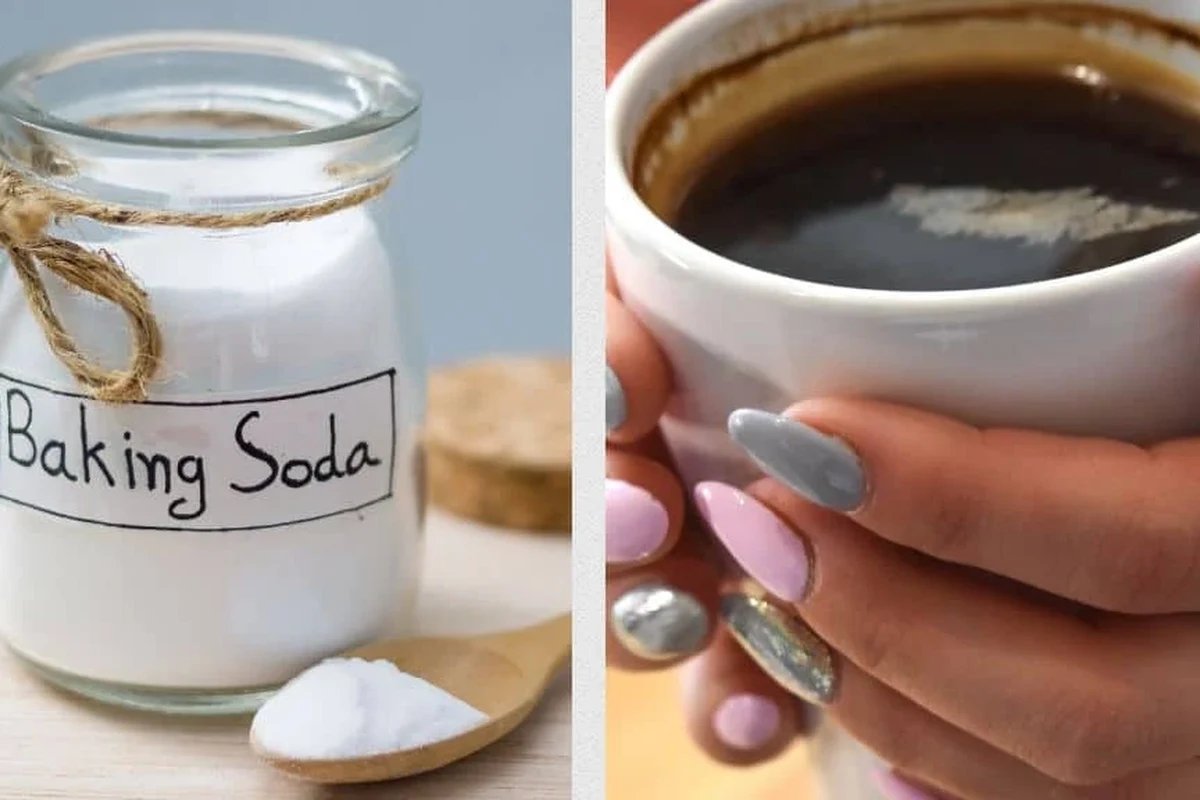
Baking soda in coffee means adding a tiny amount of sodium bicarbonate to brewed coffee to change how it tastes. Because baking soda is alkaline, it can neutralize some of the acids in coffee and make the cup seem less sharp.
How baking soda changes coffee’s acidity and flavor
Coffee naturally contains many acids, and those acids are part of what gives coffee brightness, fruitiness, and structure. When you add baking soda, you raise the pH slightly, which can reduce the perception of sourness and bitterness at the same time.
This does not “fix” coffee in the same way better beans or better extraction do. It changes the flavor balance after brewing, so the result is usually smoother, but also a little less lively.
Why home brewers, baristas, and wellness readers search for this method in 2026
People search for baking soda in coffee for different reasons. Home brewers may want to rescue a pot that tastes too bitter, while wellness readers may be looking for a gentler cup when coffee feels harsh on the stomach.
It is also a popular topic because many coffee drinkers now pay closer attention to water quality, roast level, and extraction. For readers who already compare brewing variables, baking soda becomes one more tool to understand rather than a magic solution.
If your coffee tastes bitter and thin at the same time, the problem may be over-extraction or stale grounds. Baking soda can soften the edge, but it will not restore lost aroma or freshness.
Potential Benefits of Adding Baking Soda to Coffee
The main benefit is flavor correction. In the right cup, a very small amount of baking soda can make coffee taste rounder, less harsh, and easier to drink.
Reducing bitterness in dark roasts and over-extracted brews
Dark roasts often have more roast bitterness, especially when brewed hot and strong. If the coffee is already finished and tastes too sharp, a pinch of baking soda can take the edge off without adding sugar or cream.
This can also help with over-extracted coffee, which often tastes dry, woody, or a little ashy. The baking soda will not remove those flavors completely, but it can reduce how aggressive they seem.
Softening perceived acidity for sensitive stomachs and taste preferences
Some people find coffee’s acidity uncomfortable or simply unpleasant. In those cases, baking soda may make the cup feel gentler by lowering the sharp acid sensation on the tongue.
That said, “sensitive stomach” is not the same as a medical diagnosis. If coffee regularly causes reflux, pain, or other digestive symptoms, it is better to speak with a qualified medical professional than to rely on a kitchen fix.
How it can affect mouthfeel, aftertaste, and balance in different coffee styles
When used well, baking soda can make coffee taste smoother and slightly fuller in the mouth. The aftertaste may seem shorter and less biting, which some people prefer in a strong drip coffee or cold brew.
In espresso, the effect can be more noticeable because the drink is concentrated. A tiny amount may tame harshness, but too much can make the shot taste dull and less complex.
Water chemistry affects coffee extraction just as much as grind size does. If your tap water is very hard or very soft, the same coffee recipe can taste noticeably different from one kitchen to another.
Risks, Side Effects, and When Baking Soda Is Not a Good Idea
Baking soda is useful only when the goal is a small correction. If the coffee needs major repair, the better answer is usually to adjust the brew method instead of altering the finished cup.
How too much baking soda can make coffee taste flat, salty, or soapy
The biggest risk is overdoing it. Too much baking soda can remove too much acidity and leave coffee tasting flat, chalky, or slightly salty.
That happens because coffee needs some acid and structure to taste like coffee. When the balance shifts too far, the cup can lose its brightness and develop an odd aftertaste that no amount of cream can fully hide.
Digestive and sodium-related concerns for frequent use
Baking soda adds sodium, so frequent use may matter for people watching sodium intake. It may also be a problem for anyone who is sensitive to sodium bicarbonate or who notices stomach discomfort after using it often.
Because coffee itself can affect digestion and heartburn in some people, combining it with baking soda should be treated as a taste adjustment, not a health strategy. For ongoing concerns, official guidance from recognized health authorities is a better reference than internet shortcuts.
Situations where masking poor brewing is better solved by grind, water, or ratio changes
If coffee tastes bitter, sour, or weak every day, baking soda is probably hiding the real issue. Common causes include grind size that is too fine, brew time that is too long, water that is too hard, or an off ratio of coffee to water.
For readers who also use countertop appliances, it helps to understand that technique matters across the kitchen. Just as with air fryers and preheating, the right setup often matters more than a quick workaround.
If your coffee is consistently unpleasant, do not assume baking soda is the best fix. Check grind, brew temperature, freshness, and water first, because those factors shape extraction before flavor correction ever does.
How to Use Baking Soda in Coffee the Right Way
The safest approach is to start very small, taste, and adjust only if needed. In coffee, a little baking soda goes a long way.
Safe starting measurements for a single cup, pot, or cold brew batch
For a single mug, start with a very small pinch, then taste before adding more. For a full pot, begin with a tiny fraction of a teaspoon rather than a full spoonful, because the goal is correction, not seasoning.
For cold brew, the technique can be useful because cold brew is often smoother but still sometimes bitter if it is over-steeped. Start with less than you think you need, especially since cold temperatures can mute flavor changes until the drink warms slightly in the mouth.
Best method for dissolving it evenly without clumping or residue
Add the baking soda while the coffee is still hot and stir well so it disperses evenly. If you add it to a nearly full cup without stirring, you may get a few unpleasant salty pockets instead of a balanced result.
If you are working with a larger batch, dissolve the baking soda in a small amount of hot coffee first, then mix it back into the pot. That helps prevent gritty residue at the bottom.
Add a tiny amount to hot coffee rather than pouring in a large dose at once.
Mix until the powder is fully dispersed and no dry specks remain.
Wait a few seconds, then sip again before deciding whether you need more.
How to taste and adjust without overcorrecting the brew
After the first addition, taste for bitterness, acidity, and body. If the coffee still feels too sharp, add only a tiny bit more and stop as soon as the cup tastes smoother.
A good result should still taste like coffee. If it starts to seem blank, salty, or oddly soft, you have gone too far and should not keep adjusting.
- Use fresh, food-grade baking soda
- Start with the smallest possible amount
- Stir while the coffee is hot
- Taste before adding more
When Baking Soda Works Best and When It Does Not
This method is most useful when the coffee is already brewed and only needs a small flavor correction. It is least useful when the problem comes from beans, water, or brewing technique.
Best coffee types for this technique: dark roast, strong drip, espresso, and cold brew
Dark roast coffee is the most common candidate because roast bitterness can be more noticeable. Strong drip coffee and espresso may also benefit when the cup tastes too aggressive, while cold brew can be smoothed if it was steeped a little too long.
In these styles, the goal is usually to reduce harshness without adding sweetness. That makes baking soda more appealing to readers who want a plain cup rather than a flavored drink.
Less suitable cases: lightly roasted specialty coffee and already balanced brews
Lightly roasted specialty coffee often depends on brightness, floral notes, and layered acidity. Baking soda can mute those qualities and make the cup taste less expressive.
If the coffee already tastes balanced, there is no reason to intervene. In that case, baking soda is more likely to subtract character than improve it.
Practical examples of flavor outcomes in common brewing scenarios
If a French press tastes muddy and a little bitter, a tiny amount of baking soda may make it smoother, though the best fix may still be a coarser grind or shorter steep. If a drip pot tastes sour, the issue is often under-extraction, and baking soda may hide the problem rather than solve it.
If you are comparing brewing adjustments in other kitchen tools, the same principle applies: technique first, shortcuts second. That is similar to choosing the right setup for an appliance, such as learning whether air fryers are worth it for your cooking style before relying on one for every job.
Common Mistakes People Make With Baking Soda in Coffee
Most failures come from assuming baking soda can rescue any bad cup. In reality, it works best as a tiny finishing adjustment, not as a replacement for good brewing.
Using too much and losing coffee character
The most common error is adding a spoonful instead of a pinch. That can erase the natural coffee notes and leave the drink tasting oddly alkaline.
If you want the coffee to still taste like coffee, always start smaller than you think you need. You can add more, but you cannot easily remove an overdose.
Adding it after the cup has cooled and expecting the same result
Baking soda mixes more evenly and seems more effective when the coffee is hot. In a cooled cup, it may dissolve poorly and leave a more obvious residue or uneven taste.
That does not mean it cannot work in iced coffee, but it does mean you should dissolve it carefully and expect a subtler effect.
Confusing baking soda fixes with proper brewing adjustments
If your coffee is sour, bitter, or weak every morning, the grind size, water temperature, and brew ratio deserve attention first. Baking soda can make one cup more pleasant, but it cannot correct a repeated extraction problem.
Think of it as a flavor patch, not a brewing system. Once you understand the root cause, you will usually need less intervention in the cup.
Overlooking water quality, freshness, and equipment cleanliness
Old grounds, rancid coffee oils, and dirty brewers create off-flavors that baking soda cannot truly fix. Water quality matters too, because mineral balance affects extraction and taste in a major way.
For a cleaner, more stable result, keep your brewer clean and use fresh beans. If you are troubleshooting kitchen equipment in general, this same habit helps with many appliances, including reading manufacturer care guidance for items like air fryer baskets and cleaning.
The coffee tastes bitter, flat, or slightly salty after adding baking soda.
Use less next time, stir more evenly, and check whether the real issue is grind, brew time, or water quality.
Health, Safety, and Ingredient Considerations for 2026 Readers
For most healthy adults, a tiny amount of baking soda in coffee is a flavor choice, not a major kitchen hazard. Even so, frequent use deserves caution because sodium and digestive sensitivity can matter over time.
What to know about sodium intake, digestive sensitivity, and medication interactions
Baking soda contains sodium, so people limiting sodium intake should be careful about routine use. Some people also notice bloating or discomfort when they consume sodium bicarbonate frequently.
It may interact with certain medications or medical conditions, so readers should check with a pharmacist or physician if they have concerns. This is especially important if coffee already affects their stomach, blood pressure plan, or prescribed treatment.
How to choose food-grade baking soda and store it safely
Use plain, food-grade baking soda from a sealed package. Store it in a dry place, away from strong odors, because it can absorb smells and lose freshness over time.
Do not confuse it with cleaning products or scented powders. In the kitchen, ingredient labels matter just as much as they do when checking packaged foods for allergens or additives.
When to consult a medical professional instead of self-adjusting coffee acidity
If coffee regularly causes burning, nausea, reflux, or other ongoing symptoms, do not try to solve it only with baking soda. That kind of pattern deserves proper medical attention.
Likewise, if you have a chronic condition or take medication that affects sodium balance, ask a qualified professional before making this a habit. A kitchen trick should never replace medical guidance.
If you are adding baking soda to hot coffee, stir carefully to avoid splashes and burns. Use a stable mug or pot, especially when handling a full batch straight off the heat.
Final Verdict: Is Baking Soda in Coffee Worth Trying?
Baking soda in coffee is worth trying if you want to soften bitterness or reduce sharp acidity in a cup that is already brewed. It is a practical, low-cost adjustment when the dose stays tiny and the coffee is otherwise decent.
Who may benefit most from the method
People who drink dark roast, strong drip coffee, or cold brew may get the most out of it. It can also help readers who prefer a smoother cup and do not mind losing a little brightness.
Who should skip it or use it only occasionally
Skip it if you enjoy bright, nuanced specialty coffee, because the technique can mute the qualities that make those coffees interesting. Also use caution if you are watching sodium intake or have recurring digestive symptoms.
Balanced recap for choosing between baking soda and better brewing fixes
The best rule is simple: use baking soda for a small flavor correction, and use brewing changes for a recurring problem. If your coffee needs frequent rescue, adjust grind, water, ratio, freshness, and equipment first.
For more kitchen troubleshooting ideas and practical brewing context, readers can also explore related topics across the Baking Pastry Schools Baking Soda Blog. The most reliable cup usually comes from good technique first, then careful finishing adjustments only when they are truly needed.
Baking soda in coffee can be a useful quick fix for bitterness and excess acidity, but only in very small amounts. If you want consistent flavor, focus on brewing basics first and treat baking soda as an occasional backup.
Frequently Asked Questions
Start with a tiny pinch for one cup and only a very small amount for a pot. Taste before adding more, because too much can make the coffee flat or salty.
It can reduce the perception of bitterness in dark or over-extracted coffee. It works best as a small correction, not a fix for poor brewing.
It may bother some people, especially with frequent use or if they are sensitive to sodium bicarbonate. If coffee regularly causes digestive symptoms, it is better to speak with a medical professional.
It usually blends more evenly in hot coffee. In iced coffee, it can still work, but it should be dissolved carefully to avoid clumps or uneven taste.
It may soften sourness, but sour coffee often points to under-extraction. Adjusting grind size, brew time, or water temperature is usually the better long-term fix.
Dark roast, strong drip coffee, espresso, and some cold brew batches are the best candidates. Lightly roasted specialty coffee usually loses too much brightness with this method.
