
Bleach and Baking Soda Uses Risks and Safety Tips
Bleach and baking soda should usually be used separately, not mixed, because the combo does not make bleach safer. Use baking soda for deodorizing and light scrubbing, and use bleach only when disinfection is needed and the label instructions are followed exactly.
Bleach and baking soda are both common cleaning staples, but they should not be treated as a safe all-purpose mix. In kitchen and baking spaces, the best approach is to use each product for the right job, and never assume that combining them makes cleaning stronger or safer.
- Separate jobs: Bleach disinfects; baking soda deodorizes and lightly scrubs.
- Mixing risk: Baking soda does not neutralize bleach hazards or make it safer.
- Kitchen rule: Use soap and water first, then disinfect only when needed.
- Safety first: Ventilate well, avoid skin contact, and never mix bleach with acids or ammonia.
What Bleach and Baking Soda Are and Why People Mix Them
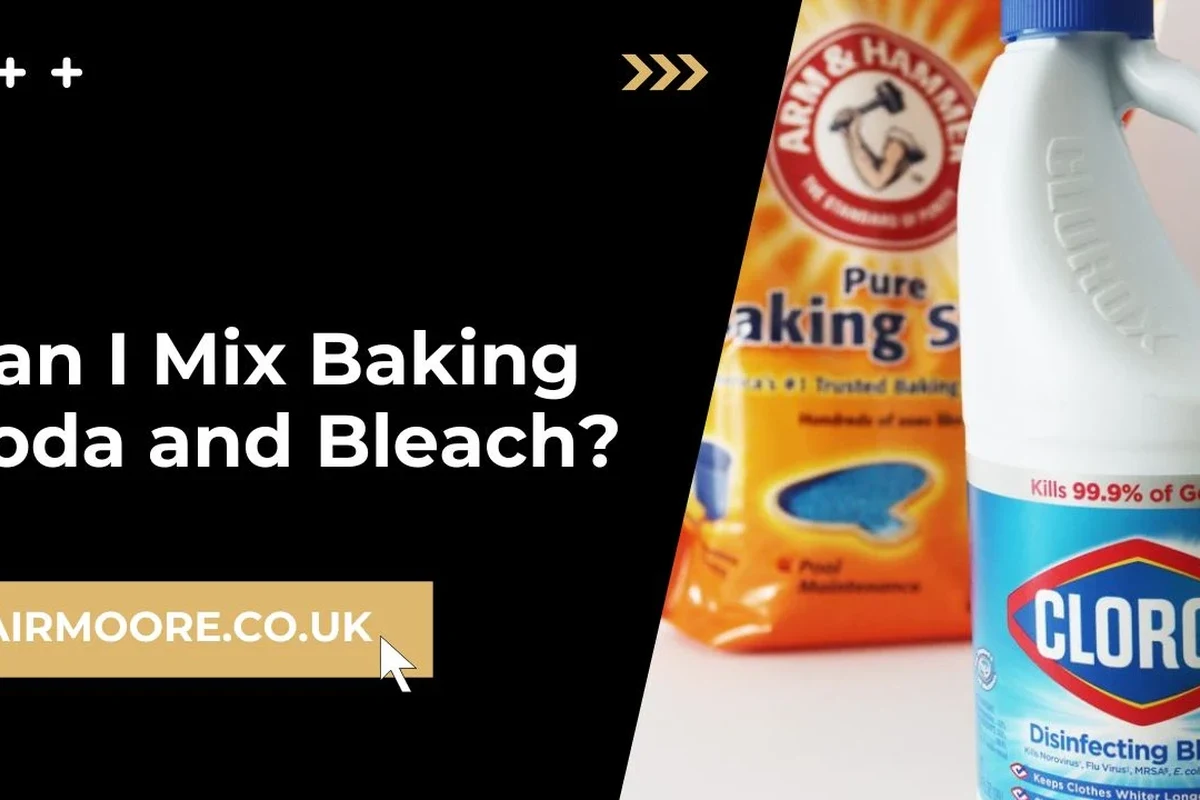
Bleach is a strong disinfecting chemical, usually based on sodium hypochlorite in household products. Baking soda is sodium bicarbonate, a mild alkaline powder that can help lift odors, loosen light grime, and gently scrub surfaces without scratching most finishes.
People often mix them because both are associated with “cleaning power.” In a kitchen, that can sound useful for sinks, counters, drains, trash bins, or laundry stains, especially when grease, food residue, or odors are involved.
Basic chemical roles of bleach and baking soda
Bleach works mainly by oxidizing and breaking down microbes on suitable surfaces when used correctly and diluted as directed on the label. Baking soda works differently: it can neutralize some odors, absorb moisture, and provide a mild abrasive action for light cleaning.
Those are very different jobs. One is a disinfectant, while the other is a gentle cleaner and deodorizer.
Baking soda is often useful in baking because it reacts with acids to release carbon dioxide, but that same chemistry does not make it a bleach booster or a safety additive in cleaning.
Common household and kitchen cleaning scenarios
In real kitchens, people reach for bleach and baking soda when a cutting board smells, a drain looks dull, or a sink needs sanitizing after raw food prep. Some also use them in laundry for stains, in trash cans for odor control, or on counters after cooking.
If your goal is odor control or light scrubbing, baking soda may be enough. If your goal is disinfection, bleach may be appropriate only on surfaces and with dilution that match the label instructions.
How Bleach and Baking Soda Interact: What Actually Happens
Mixing cleaning products can change how they behave, and not always in a helpful way. The key point is that baking soda does not “cancel out” bleach danger, and it does not reliably make bleach safer to breathe, touch, or use around food areas.
Why baking soda does not make bleach safer
Baking soda is mildly alkaline, and bleach is already strongly alkaline. Adding baking soda does not turn bleach into a harmless cleaner; it mainly changes the mixture’s chemistry in a way that is not useful for most home cleaning tasks.
More importantly, the danger is not only the bleach itself. The larger risk is that the mixture may be used incorrectly, over-applied, or combined with something else by accident.
Never assume a homemade cleaner is safe just because one ingredient is common in baking. For disinfection, follow the bleach label exactly and keep it away from acids, ammonia, and other cleaners unless the product directions specifically allow it.
What can happen when bleach is combined with other cleaners or acids
The biggest hazard comes when bleach is mixed with vinegar, lemon juice, toilet cleaners, ammonia, or products that contain acids or ammonia compounds. Those combinations can release irritating or dangerous gases, and the risk is especially serious in small kitchens or poorly ventilated rooms.
Even if baking soda itself is not the main trigger, it can create confusion. A person may add bleach to a bowl or sink that still has vinegar, citric acid, dish soap residue, or another cleaner in it, then assume the bubbling or smell means the mixture is “working.”
Real-world examples of misuse in sinks, counters, and laundry
One common mistake is pouring bleach into a sink that was just cleaned with vinegar or a descaling product. Another is sprinkling baking soda into a laundry load and then adding bleach without checking whether the detergent or stain remover already contains acids or incompatible ingredients.
On counters, the problem is often residue. A surface may look rinsed, but cleaner film can remain in seams, around sink edges, or in textured materials, which is why a careful rinse matters before any disinfecting step.
If you smell sharp fumes, feel eye or throat irritation, or notice coughing after cleaning, leave the area and get fresh air right away. Open windows and use ventilation before returning to the space.
Safe Uses for Bleach and Baking Soda Separately
The safest rule is simple: use bleach for disinfection when the product label says the surface is appropriate, and use baking soda for deodorizing or light scrubbing when you do not need a disinfectant. The two products are usually better as separate tools than as a mixed solution.
When bleach is appropriate for disinfection
Bleach can be useful after raw meat, poultry, or egg contact on nonporous surfaces if the product directions and contact time are followed. It may also be used for some sinks, trash areas, and other hard surfaces that need sanitizing, but not every material can handle it.
Always check the manufacturer label for dilution, contact time, and whether rinsing is required afterward. Official food-safety guidance from agencies such as the USDA and FDA is a better reference than guesswork when food-contact surfaces are involved.
When baking soda works best for deodorizing and light scrubbing
Baking soda is a good choice for refrigerator odors, greasy pans, dull sink stains, and stuck-on bits that do not need chemical disinfection. It is also helpful when you want a low-odor cleaner that can be rinsed away easily.
For example, a damp baking soda paste can help loosen residue on stainless steel or enamel without the harshness of bleach. It is especially useful for fresh spills, light discoloration, and routine maintenance between deeper cleanings.
Cleaning tasks where one product should replace the other
If you need to remove odor, choose baking soda instead of bleach. If you need to kill germs on a suitable hard surface, choose bleach instead of baking soda and follow the label instructions exactly.
In many cases, soap and warm water are enough for everyday kitchen cleanup. That is often the best first step before deciding whether a disinfectant is actually needed.
- Bleach can disinfect hard, nonporous surfaces when used correctly.
- Baking soda can deodorize and gently scrub without a strong smell.
- Bleach can irritate skin, eyes, and lungs if misused.
- Baking soda does not disinfect and will not replace sanitizing when germs are the concern.
Risks, Misconceptions, and Common Mistakes to Avoid
Many cleaning problems come from overconfidence, not from the products themselves. The most common issue with bleach and baking soda is assuming that a familiar ingredient is automatically safe in every setting.
Ventilation, skin contact, and inhalation concerns
Bleach fumes can irritate the nose, throat, and lungs, especially in small kitchens, bathrooms, or laundry rooms. Skin contact can also cause dryness or irritation, and splashes are a real risk when mixing liquids in a sink or bucket.
Use the product in a well-ventilated space and avoid leaning over the container. If you are cleaning near a stove, oven, or warm appliance, make sure the area is cool first so steam and fumes do not build up together.
Why “natural” does not mean automatically safe
Baking soda is often viewed as safer because it is common in food and baking, but safe use still depends on the task. A product can be mild and still be the wrong choice for a particular surface, stain, or sanitation need.
The same is true for bleach. A strong cleaner can be effective, but only if it is used at the right dilution, on the right surface, and away from incompatible ingredients.
Typical errors with measuring, mixing, and storage
Common mistakes include guessing at bleach dilution, topping off old spray bottles without washing them, and storing cleaners in unlabeled containers. Another frequent error is using the same sponge, cloth, or bucket for multiple products, which can spread residue and create accidental mixing.
In a kitchen, even small amounts of leftover vinegar or descaler can matter if bleach is added later. That is why rinsing and separate tools are worth the extra minute.
- Read the label before using bleach on any surface.
- Rinse cleaning residue before switching products.
- Keep baking soda for deodorizing and light scrubbing.
- Do not mix bleach with vinegar, ammonia, or unknown cleaners.
- Do not assume baking soda makes bleach safer.
- Do not store mixed cleaners in spray bottles.
Safety Tips for Using Bleach in a Baking or Kitchen Environment
Kitchen cleaning has extra limits because food, utensils, and porous materials are involved. A bleach routine that might be acceptable in a utility area can become risky if it leaves residue on food-contact surfaces.
Surface compatibility and material damage concerns
Bleach can discolor, corrode, or weaken some materials, including certain metals, grout, natural stone, and finishes that are not bleach-safe. It may also damage decorative coatings or dull surfaces over time.
Before using it, check the label and the surface manufacturer’s care instructions. If you are unsure, test a small hidden area or choose a gentler cleaner first.
Protective gear, dilution, and rinse steps
Wear gloves if you are handling bleach for more than a quick wipe-down, and avoid splashing. Measure carefully rather than estimating, because stronger is not better and can leave more residue or increase irritation.
After the required contact time, rinse food-contact surfaces if the label says to do so. Let items dry fully before putting utensils, pans, or ingredients back in place.
Bleach products vary by brand and concentration, so the correct dilution is not universal. Always verify the label on the exact bottle you are using.
How to keep bleach away from food-contact contamination
Store bleach away from flour, sugar, spices, baking pans, and utensils so it cannot drip or aerosolize onto food items. Use separate cloths for cleaning and food prep, and never spray bleach near open ingredients.
If bleach is used on a counter, rinse and dry the area before placing dough, pastry cream tools, or cooling racks there. For bakers, that extra step helps protect both food safety and flavor.
Safer Alternatives for Kitchen Cleaning and Odor Control
Not every kitchen mess needs bleach. In many baking spaces, the safest and simplest solution is soap, hot water, and a little time.
When soap, hot water, or baking soda is enough
For fresh grease, flour dust, sugar syrup, and everyday crumbs, dish soap and warm water are usually enough. Baking soda can help with stuck-on spots or lingering smells, especially in trash bins, refrigerators, and sinks.
If the surface is only dirty, not contaminated, skip the disinfectant step. That reduces fumes, residue, and the chance of damaging cookware or counters.
When to choose hydrogen peroxide or commercial food-safe products
Some kitchens use hydrogen peroxide or food-safe sanitizers for certain tasks, but the right choice depends on the product label and the surface type. Commercial food-safe cleaners can be a better fit when you need a sanitizer designed for kitchen use.
As with bleach, verify instructions carefully and do not mix products unless the label specifically allows it. If you are comparing kitchen safety habits for appliances and prep tools, our guide on are air fryers dangerous also covers why manufacturer instructions matter so much in home kitchens.
Examples of safer routines for ovens, pans, and prep areas
For oven spills, let the cavity cool, remove loose debris, and use a product approved by the oven manufacturer. For pans, soak with hot water and dish soap first, then use baking soda paste on stubborn residue if the finish allows it.
For prep counters, wash with soap and water after baking, then sanitize only if the surface and situation call for it. If you use small appliances in the same workspace, the same caution applies to cleaning and drying, which is why readers often check whether air fryer baskets are dishwasher safe before choosing a cleaning method.
Best Practices for Storage, Labeling, and Disposal
Good storage is part of kitchen safety. It prevents accidental mixing, keeps ingredients separate from cleaners, and reduces the chance of spills near food.
Keeping bleach and baking soda in original containers
Keep bleach in its original bottle with the label intact so you can check directions, warnings, and expiration information. Baking soda is also best kept in its original box or a clearly labeled food-safe container if you transfer it for kitchen use.
Original packaging helps you avoid confusion between pantry baking soda and cleaning products. That matters in busy kitchens where similar-looking white powders can be easy to grab in a hurry.
Preventing accidental mixing in spray bottles and cleaning buckets
Do not pour bleach into a bottle that previously held vinegar, glass cleaner, ammonia cleaner, or an unknown solution. Wash and rinse containers thoroughly, and when in doubt, use a fresh bottle or bucket.
Label everything clearly, including the date you mixed a dilution if the label allows premixing. Never leave a bleach solution sitting around longer than the product instructions recommend.
Disposal and shelf-life considerations in 2026 kitchens
Bleach loses strength over time, especially when stored warm, exposed to light, or kept in a partially open container. If the bottle is old, damaged, or smells unusually weak or sharp, check the manufacturer’s guidance before relying on it for sanitation.
Baking soda has a much longer pantry life, but once it is used for cleaning, it should not go back into food use. If you are unsure about disposal rules, follow local household hazardous waste guidance for bleach and normal trash or recycling rules for empty, rinsed containers where allowed.
- Check the exact product label and surface instructions.
- Confirm the area is well ventilated and cool.
- Keep food, tools, and ingredients out of the cleaning zone.
- Use separate cloths, buckets, and spray bottles for different cleaners.
Final Recap: When to Use Each Product and When to Avoid the Combo
Bleach and baking soda are useful cleaning tools, but they are not a safe “stronger together” shortcut. Use bleach only when you need disinfection and only as directed, and use baking soda when you want deodorizing or gentle scrubbing.
For baking students and home cooks, the best habit is to treat cleaning chemistry with the same care you give recipe chemistry. Read labels, rinse between products, ventilate well, and keep cleaners away from food-contact contamination. If you remember only one thing, make it this: do not mix bleach and baking soda casually, and never add bleach to any surface that may still hold another cleaner.
When in doubt, start with soap and hot water. It solves more kitchen messes than people expect, and it avoids the risks that come with unnecessary chemical mixing.
Frequently Asked Questions
It is not recommended as a general cleaning shortcut. Baking soda does not make bleach safer, and bleach should never be mixed with acids, ammonia, or unknown cleaners.
Not automatically. Even if baking soda itself is not the main hazard, residue from other cleaners on the surface can create a dangerous reaction when bleach is added.
Baking soda is best for deodorizing, light scrubbing, and helping loosen stuck-on residue. It is not a disinfectant.
Use bleach only when disinfection is needed and the product label says the surface is appropriate. Follow dilution, contact time, and rinse instructions exactly.
Leave the area, get fresh air, and improve ventilation before returning. If symptoms are severe or continue, seek medical help or contact poison control.
No. Baking soda can help clean and deodorize, but it does not sanitize or disinfect surfaces the way bleach can when used properly.

