Baking soda can help fresh pit stains, odor, and light underarm buildup before a wash. For old yellow marks, it is a good first step but usually not the only step.
Baking soda for pit stains can help lift fresh underarm marks, reduce odor, and loosen some yellow buildup before a wash. It is a useful first step, but it works best when you match the method to the fabric and stain age.
- Best first use: Fresh sweat stains and odor on washable shirts.
- Most effective form: A thick paste for set-in yellow underarm marks.
- Key limit: Heat-set and very old stains often need a stronger booster.
- Fabric caution: Delicates, wool, and silk need a label check and spot test.
- Fastest win: Treat before drying and inspect the shirt before heat hits it.
Why Baking Soda Helps With Pit Stains and What It Can Actually Do Fast
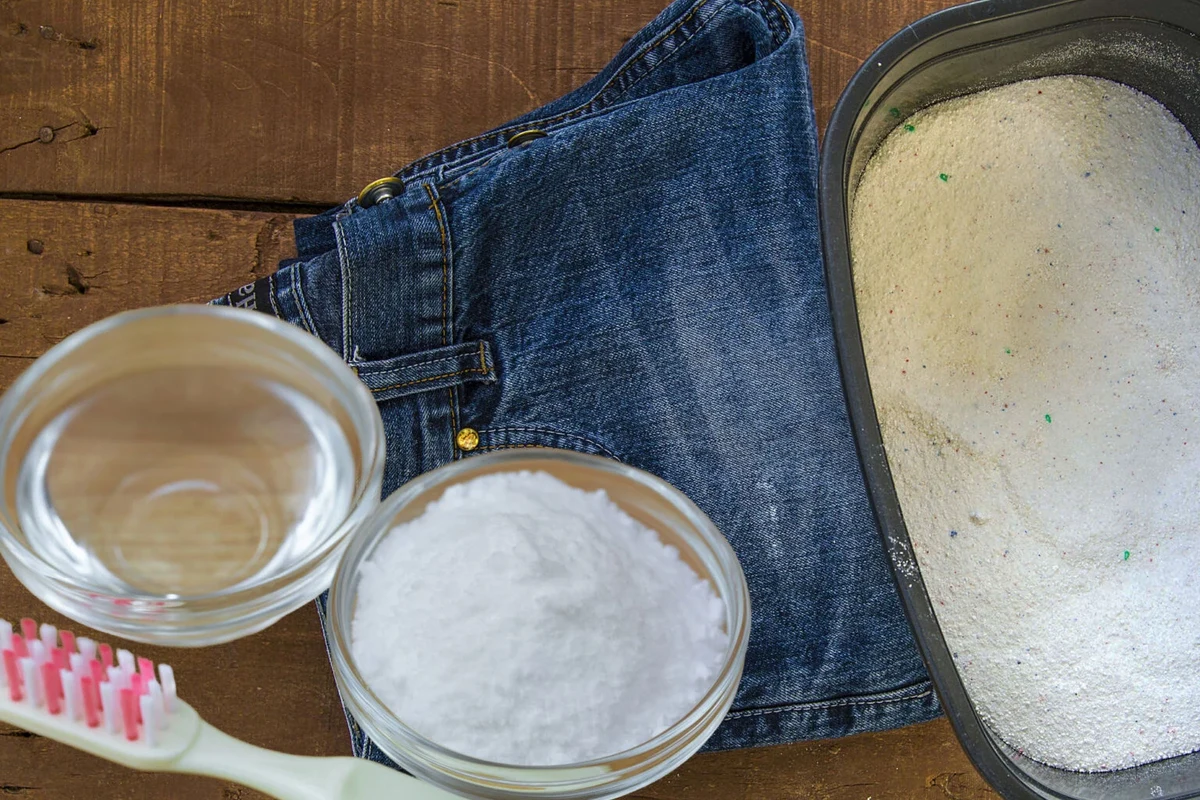
Baking soda is mildly alkaline, which helps it interact with acidic sweat residue and some odor-causing buildup in the underarm area. That makes it useful for fresh stains and for pre-treating shirts that smell even after a normal wash.
It is not a bleach, and it does not magically erase every yellow mark. Think of it as a low-cost laundry helper that can loosen grime, absorb odor, and support detergent rather than replace it.
How baking soda works on sweat, odor, and underarm discoloration
Sweat itself is usually not the whole stain. Pit stains often come from a mix of sweat, body oils, deodorant ingredients, and fabric residue that builds up over time.
Baking soda can help by neutralizing some odor and making the stain easier for water and detergent to lift. On cotton, that often means the underarm area looks cleaner after one treatment, especially if the stain is new.
Yellow underarm stains often become harder to remove after heat from a dryer or iron sets the residue deeper into the fibers.
What kinds of pit stains respond best to baking soda treatment
Fresh sweat marks, light odor, and recent deodorant buildup usually respond best. Cotton T-shirts, undershirts, gym wear, and many cotton blends are the easiest fabrics to treat.
Older yellow stains may improve, but they often need a second round or a stronger laundry booster. If the fabric is delicate or the stain has been heat-set for months, results are less predictable.
When baking soda is not enough on its own
Very dark, greasy, or old pit stains often need detergent plus an oxygen-based stain remover. If the shirt has already been dried on high heat several times, the residue may be locked in more tightly.
If the stain is on silk, wool, or a garment labeled dry clean only, baking soda should not be your default fix. In those cases, test cautiously or use a specialty cleaner designed for that fabric.
For laundry stains, the safest approach is usually to treat before washing and to avoid heat until the mark is gone or clearly faded.
Best Baking Soda Methods for Pit Stains in 2026
The best method depends on whether you are dealing with a fresh mark, a yellowed set-in stain, or a sweaty workout shirt that needs odor control. A small amount of baking soda can work quickly, but the application style matters more than using a huge pile of powder.
Dry pre-treatment for fresh stains
For a just-worn shirt, sprinkle a light layer of baking soda directly over the underarm area and let it sit briefly before washing. This works best when the fabric is still slightly damp from sweat but not soaked.
Brush off excess powder, then wash with detergent. This is a simple first pass when you want a quick, low-effort treatment before the stain has time to bond with the fabric.
Baking soda paste for set-in yellow underarm marks
A paste gives better contact with older stains. Mix baking soda with a small amount of water until it forms a spreadable paste, then apply it only to the stained area.
Let it sit long enough to soften residue, then rinse and wash. The paste is usually the most practical choice when the underarm area looks yellowed or feels stiff from deodorant buildup.
Combine baking soda with just enough water to make a thick, toothpaste-like mixture.
Spread it over the pit stain with your fingers or a soft cloth, keeping it on the marked area only.
Allow the paste to sit before rinsing and laundering, then check the result before using heat.
Soak method for white shirts, gym wear, and cotton fabrics
For larger stains or multiple shirts, a baking soda soak can help loosen odor and residue more evenly. Use a basin of cool water and dissolve enough baking soda to lightly treat the water without making it pasty.
This method is especially useful for white cotton shirts and gym clothes that hold odor in the underarm zone. After soaking, wash as usual and inspect the stain before drying.
How to adjust the method for dark clothes and delicate materials
Dark clothing can show powder residue, so use less baking soda and rinse thoroughly. A paste may still work, but it should be applied sparingly and removed completely before washing.
For delicate materials, avoid aggressive brushing and long soaks unless the care label allows it. If the item is expensive or fragile, spot-test in an inconspicuous area first.
Always check the garment label before treating stains. Some fabrics can discolor, shrink, or lose texture if they are scrubbed too hard or soaked too long.
Exact Ratios, Application Time, and What “Fast” Really Means
“Fast” in laundry usually means visible loosening, less odor, or easier stain removal after a short pre-treatment. It does not always mean a stain disappears completely in one pass, especially if the mark is old.
Recommended baking soda-to-water measurements
For a paste, start with about 3 parts baking soda to 1 part water and adjust until it is thick enough to stay on the stain. For a soak, use a smaller amount per basin of water so the liquid stays thin and easy to rinse out.
There is no single perfect ratio because fabric thickness, stain age, and water hardness all affect the result. If the mixture is too runny, it slides off the stain; if it is too dry, it does not spread well.
How long to leave it on before rinsing or washing
Fresh stains may only need a short rest before washing. Older pit stains usually need more time to loosen buildup, but leaving baking soda on indefinitely is not better.
As a practical rule, check the area after the first treatment cycle and decide whether it needs another round. The stain should look lighter, less stiff, or less odorous if the treatment is helping.
Signs the stain is loosening versus needing a second round
If the underarm area feels softer, looks less yellow, or rinses out cloudy, that is a good sign the residue is breaking down. If the stain still looks sharply outlined after washing, it probably needs another treatment.
Persistent odor is another clue. Even if the color improves, lingering smell often means sweat and deodorant residue remain in the fibers.
How to avoid over-scrubbing and fabric damage
Use gentle pressure with a soft brush or cloth. Scrubbing too hard can roughen cotton, pill synthetics, and spread the stain farther into the weave.
For performance fabrics, light pressure is usually better than force. The goal is to lift residue, not grind it deeper into the fibers.
Even though this is a laundry task, treat stain-removal chemicals carefully. Keep cleaners away from children and pets, and never mix products in a closed container.
Step-by-Step Pit Stain Removal Routine That Fits a Laundry Day
A simple routine makes baking soda easier to use consistently. Start with a label check, treat the stain, wash normally, then inspect before the dryer.
Pre-checking the garment label and stain age
First, look at the care label and identify the fabric. Cotton and many blends are usually the easiest to treat, while wool, silk, and some specialty finishes need more caution.
Next, judge the stain age. A same-day stain is more likely to respond quickly than one that has been washed and dried several times.
Applying baking soda safely without spreading the stain
Place the garment on a clean surface and apply the baking soda only to the underarm area. Work from the edge of the stain inward so you do not enlarge the mark.
If you are using a paste, keep the layer thin and even. A thick blob is harder to rinse out and does not necessarily clean better.
- Check the garment label
- Identify whether the stain is fresh or set-in
- Test on a hidden spot if the fabric is delicate or dark
- Keep heat away until the stain is gone
Washing, rinsing, and checking results before heat drying
After the pre-treatment, wash the item with regular detergent or a stain-fighting detergent. Use the warmest water the care label allows, since temperature can help detergent work more effectively on some fabrics.
Inspect the shirt while it is still damp. If the stain remains visible, do not put it in the dryer yet, because heat can make the remaining residue harder to remove.
Repeat-treatment workflow for stubborn buildup
For stubborn marks, repeat the baking soda treatment once more before moving to a stronger option. Many laundry problems are solved by a second careful pass rather than a harsher scrub.
If the stain is still there after repeat treatment, pair baking soda with another laundry booster. That is often the point where a targeted stain remover becomes more efficient than continuing with baking soda alone.
Common Mistakes That Make Baking Soda Less Effective on Pit Stains
Most baking soda failures come from application errors, not from the ingredient itself. Too much water, too little product, or too much friction can reduce the cleaning effect.
Using too much water or too little product
A watery mixture slides off the stain before it can do much work. On the other hand, using a dusting so light that it barely covers the area often gives weak results.
For best results, aim for enough product to coat the stain without making the fabric stiff or saturated.
Rubbing too hard into synthetic fabrics
Polyester and other synthetics can hold odor, but they can also show wear if scrubbed aggressively. Heavy rubbing may create fuzzing or push the residue deeper into the weave.
Gentle pressure and a little patience usually work better than force. This is especially true for activewear.
Heat-setting the stain in the dryer too early
Once a stained shirt goes through a hot dryer, the residue can become much harder to remove. That is one of the most common reasons pit stains become permanent-looking.
If you are unsure, air-dry first and inspect the underarm area in daylight. It is easier to repeat a treatment than to undo heat setting.
Mixing baking soda with the wrong cleaners
Some people combine baking soda with other cleaners without thinking through the chemistry. That can reduce the cleaning effect or create unnecessary residue.
Use simple combinations that make sense for laundry, and follow the product label if you add anything beyond detergent.
- Pre-treat before washing
- Use gentle agitation
- Check the stain before drying
- Scrubbing aggressively
- Drying before inspection
- Guessing on delicate fabrics
What to Use With Baking Soda for Better Stain Removal
Baking soda works best as part of a simple laundry system. Depending on the stain, detergent, oxygen bleach, or a careful vinegar step may help.
When vinegar helps and when it can cancel out the cleaning effect
Vinegar can help with some odor and mineral residue, but it should not be mixed carelessly with baking soda if you want the full cleaning benefit from either one. The reaction between them is mostly fizz, which can look dramatic without giving extra stain power.
Use one approach at a time rather than combining them in the same bowl. If you want to try both, rinse between steps so each product has a chance to work.
Pairing baking soda with laundry detergent or oxygen bleach
Detergent is the best everyday partner for baking soda because it removes body oils and fabric soil. Baking soda can help loosen the grime first, while detergent does the main cleaning in the wash.
For white cottons and stubborn yellowing, oxygen bleach may be a stronger follow-up. Always check the label and fabric care instructions before using it.
Safe add-ons for odor-heavy workout clothes
Workout shirts often need odor control more than visible whitening. A baking soda pre-soak followed by detergent can help reduce the smell trapped in synthetic fibers.
If odor keeps returning, the issue may be buildup from repeated low-temperature washes. In that case, a deeper clean with a laundry booster may work better than repeating the same mild treatment.
Ingredients and fabric types to avoid combining
Avoid mixing baking soda with bleach unless the product label specifically allows it. Also be cautious with delicate trims, silk blends, and wool, where even mild treatment can change texture.
If the garment has special finishes, printed graphics, or bonded seams, test first. Some performance pieces are more sensitive than they look.
Fabric Types, Safety, and Storage Tips for Ongoing Pit-Stain Control
Long-term pit-stain control is partly about fabric choice and partly about how you store and use your laundry products. Keeping baking soda dry and ready makes it easier to treat stains before they set.
Best fabrics for baking soda treatment: cotton, blends, and activewear
Cotton and cotton-rich blends are the most forgiving. They usually tolerate pre-treatment well and show visible improvement when the stain is still fresh.
Many activewear pieces can also handle baking soda, but they may need gentler handling because synthetic fibers can hold odor and show wear if scrubbed too hard.
Delicates, wool, silk, and colorfastness concerns
Delicate fabrics need extra caution because water, friction, and pH changes can affect them differently. Wool and silk are especially sensitive, so a standard baking soda paste may not be the safest choice.
Dark colors can also show residue if the powder is not rinsed away fully. Always spot-test when color transfer or fading is a concern.
How to store baking soda for laundry use in 2026
Store baking soda in a tightly closed container in a dry place so it does not clump. A clean scoop or measuring spoon helps avoid moisture contamination from wet hands.
If the powder smells stale or has absorbed odors from the storage area, replace it. Fresh, dry baking soda is easier to measure and apply evenly.
When to stop DIY treatment and use a specialty stain remover
If the stain is old, large, or still visible after repeated baking soda treatment, it is time to switch strategies. A specialty stain remover may save time and reduce fabric wear.
That is especially true for expensive shirts, uniforms, or garments you want to keep looking sharp. Baking soda is a good first move, but it is not always the final answer.
Final Verdict: Is Baking Soda for Pit Stains Worth Using First?
Yes, baking soda for pit stains is worth trying first when you want a cheap, simple, and low-risk laundry step. It is especially useful for fresh sweat marks, odor, and light underarm discoloration on washable fabrics.
Best use cases for quick, low-cost stain treatment
Use it first on cotton shirts, gym wear, and lightly stained garments that have not been heat-dried yet. It is also a smart choice when you want to deodorize a shirt before a normal wash.
When another method will work faster or safer
If the stain is old, yellow, or already heat-set, a stronger stain remover or oxygen bleach may work faster. For delicate fabrics, a gentler specialty product may be safer than a baking soda paste.
Practical recap for choosing the right approach on your next stain
Start with a small, targeted baking soda treatment, rinse or wash promptly, and check the result before using heat. If the stain lightens but does not disappear, repeat once or move to a stronger laundry booster.
That approach gives you the best balance of speed, cost, and fabric safety for everyday pit stains.
Baking soda is a smart first-line fix for fresh pit stains and odor, but it works best as part of a careful laundry routine. For old yellow stains or delicate fabrics, switch early to a product made for tougher stain removal.
Frequently Asked Questions
It can help fresh stains and odor quickly, especially as a pre-treatment. Older yellow marks usually need more than one round or a stronger laundry booster.
A thick paste made from about 3 parts baking soda to 1 part water is a good starting point. Adjust as needed so it stays on the stain without dripping.
Yes, but use less product and rinse carefully so no white residue remains. Spot-test first if the fabric is dark or delicate.
It is better to use them in separate steps rather than mixing them together. If you want to try both, rinse between steps so each product can work properly.
It is usually gentle, but over-scrubbing and long soaking can still damage some fabrics. Delicates like silk and wool need extra caution and a label check first.
If the stain stays visible after repeat treatment, or if the garment is delicate, switch to a specialty stain remover. Heat-set or very old stains often need a stronger approach.
