Baking Soda for Vomit Smell Easy Ways to Remove It
Baking soda can help remove vomit smell by absorbing moisture and reducing lingering odor after the area is fully cleaned. It works best on dry surfaces and may need a stronger cleaner if the smell has soaked into padding or foam.
Vomit smell can linger long after the visible mess is gone, especially on soft surfaces that trap moisture. Baking soda for vomit smell is a simple, low-cost option that can help absorb odor, but it works best after the area has been cleaned well.
- Clean first: Remove visible residue before using baking soda.
- Use thin layers: A light, even coating works better than a thick pile.
- Give it time: Let the powder sit long enough to absorb odor and moisture.
- Know the limit: Deep odors in padding or foam may need stronger cleaning.
Why Vomit Smell Lingers and Why Baking Soda Helps
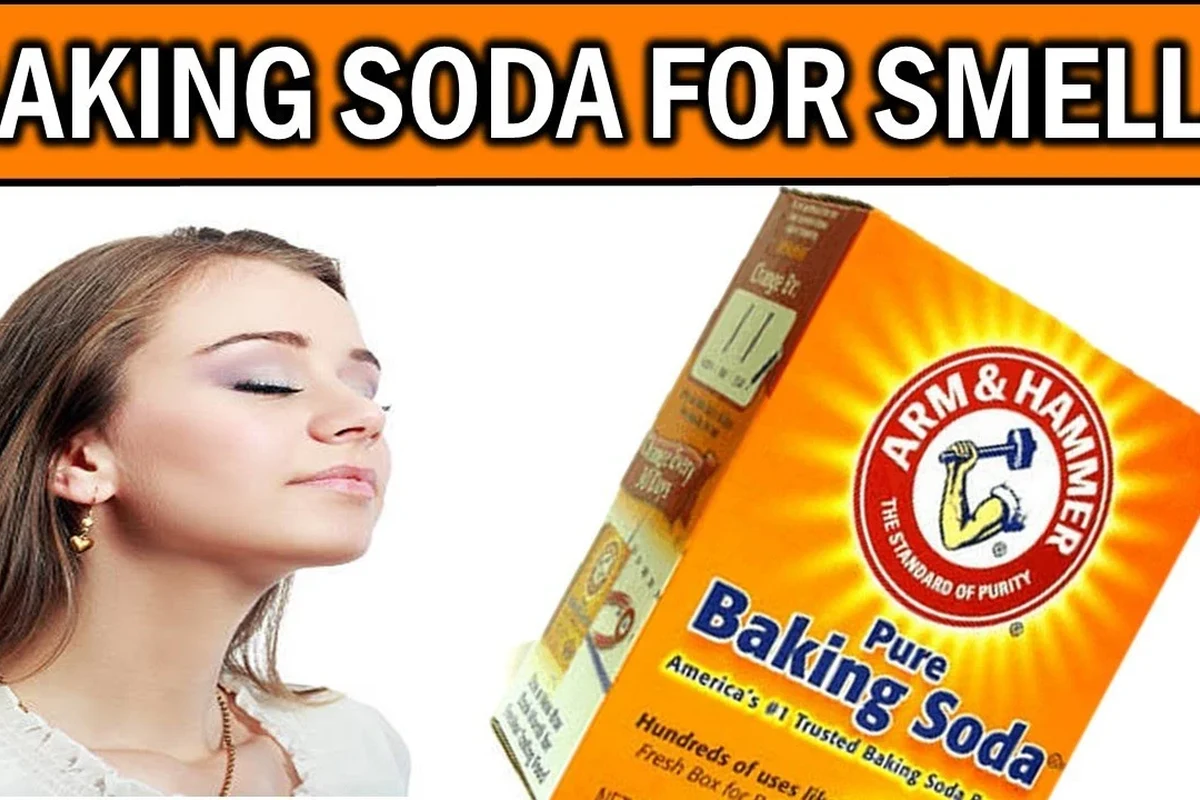
Vomit odor is stubborn because it is not just one smell. It can include acids, proteins, and moisture that soak into fibers, seams, and padding, which is why a surface may still smell even after wiping away the stain.
What causes the odor to stick to carpets, mattresses, clothing, and upholstery
Soft materials act like sponges. Carpet pile, mattress foam, couch cushions, and clothing fibers can hold tiny bits of residue deep inside the material, where air and cleaning solution do not reach easily.
That hidden residue is what often causes the smell to return later. Seams, stitching, backing layers, and underpadding are common trouble spots because liquid can travel farther than the eye can see.
How baking soda works to absorb and neutralize acidic smells
Baking soda is mildly alkaline, so it can help reduce some acidic odor compounds. It also works as a dry deodorizer by drawing in moisture and trapping odor particles at the surface.
This is why baking soda is often useful for fresh or lightly soaked areas. It is not magic, but it can make a noticeable difference when used on a clean, dry surface.
When baking soda is useful and when stronger cleaning is needed
Baking soda is most useful for fresh spills, light odors, and the final deodorizing step after cleanup. It is less effective when the mess has soaked into thick padding, mattress foam, or multiple layers of fabric.
If the odor is strong, repeated, or still present after thorough drying, you may need an enzymatic cleaner, deeper extraction, or professional cleaning. For any situation involving bodily fluids, follow basic hygiene and sanitation guidance from recognized public health sources such as the USDA or FDA when relevant to the material being cleaned.
Think of baking soda as a finishing step, not the first step. Remove as much residue as possible before you sprinkle it on.
How to Use Baking Soda for Vomit Smell on Different Surfaces
The safest method depends on the surface. Dry powders are helpful on many fabrics, but you should avoid over-wetting anything that can trap moisture, and you should always test delicate materials first.
Carpets and rugs: blotting first, then applying a dry baking soda layer
For carpets and rugs, blot up as much liquid as possible with paper towels or clean cloths before adding baking soda. Press gently instead of rubbing, because rubbing can push the mess deeper into the fibers.
Once the area is as dry as possible, sprinkle a light, even layer over the spot. If the spill is larger, cover the full affected area plus a small border around it so you do not miss the edges of the odor.
Mattresses and bedding: safe use without over-wetting the fabric
Mattresses need special care because too much liquid can soak into the foam and make the odor worse. Use as little moisture as possible during cleanup, then let the mattress dry fully before applying baking soda.
For bedding, follow the care label and wash items promptly if they are washable. If the fabric is not washable, a dry baking soda treatment can help after the visible residue has been removed and the item has been allowed to dry.
Upholstery and fabric furniture: testing for colorfastness before treatment
Upholstery can vary a lot by fabric type, dye, and backing. Before using any cleaning method, test a hidden area first to make sure the material does not discolor or change texture.
Use a light dusting of baking soda on dry upholstery, then remove it carefully after it has had time to work. If the odor is deep in cushions, the problem may be inside the foam rather than just on the surface.
Hard surfaces: cleanup steps before deodorizing with baking soda
On hard surfaces such as tile, sealed counters, or sealed floors, the odor usually comes from residue left behind rather than the material itself. Clean the surface first with an appropriate cleaner, then dry it well before using baking soda for extra deodorizing.
Do not leave damp paste on unfinished wood, porous stone, or unsealed grout unless you know the surface can handle it. Moisture can create a bigger cleanup problem than the smell itself.
Use baking soda only after the surface is visibly clean. If the residue is still present, the smell may return even if the area smells better for a few hours.
Step-by-Step Method for Removing Vomit Odor with Baking Soda
A careful process gives better results than heavy application. The goal is to remove residue, dry the area, and give baking soda enough time to absorb lingering odor.
Preparing the area and removing all visible residue
Start by wearing gloves and opening windows if possible. Remove solids carefully, then blot liquid until the area is no longer wet on the surface.
Clean the spot with a suitable cleaner for the material, then let it dry as much as possible before applying baking soda. If you skip this step, the powder can clump and trap residue instead of helping with odor.
How much baking soda to use for small, medium, and large odor spots
For a small spot, use enough to cover the area in a thin, even layer. For a medium spill, spread it more generously across the full affected section. For a large odor zone, you may need to repeat the process rather than trying to bury the smell under one very thick layer.
The exact amount depends on fabric thickness, how wet the material got, and how much odor remains after cleaning. A light, even coating is usually better than a mound, because it contacts more surface area and is easier to remove later.
How long to leave it in place for best odor absorption
Let baking soda sit until it has had time to draw out moisture and absorb odor. For light smells, several hours may help, but deeper odors often need longer contact time and a fully dry surface.
If the smell is still noticeable after vacuuming, repeat the process once the area is completely dry. Short contact time is a common reason the odor returns.
Vacuuming, wiping, or laundering after treatment
Vacuum carpets, rugs, and upholstery thoroughly to remove all powder. For hard surfaces, wipe away any residue with a dry or slightly damp cloth, then dry again.
Wash clothing, removable covers, and bedding according to the care label. If the smell remains after laundering, do not dry the item on high heat until you know the odor is gone, because heat can set some smells into fabric.
Remove solids and blot the area until it is as dry as possible.
Use a suitable cleaner for the material, then let it dry fully.
Sprinkle a thin, even layer over the odor area and leave it in place.
Vacuum or wipe away the powder, then check whether the smell is still present.
Common Mistakes That Make the Smell Come Back
Most odor problems come from incomplete cleanup, not from the baking soda itself. If the smell returns, one of a few common mistakes is usually to blame.
Using baking soda before the surface is fully cleaned
If residue is still in the fabric, baking soda can only mask part of the odor. Once the powder is removed, the smell may return because the source was never fully taken out.
Always clean first, then deodorize. That order matters more than the brand or amount of baking soda.
Applying too little product or removing it too early
A very light dusting may not contact enough of the odor source. On the other hand, removing the powder too soon can cut short the absorption process.
If the smell is still there, repeat the treatment after the area dries. A second round is often more effective than using too much at once.
Mixing baking soda with the wrong cleaners
Do not mix baking soda with cleaners unless the product label says it is safe to do so. Some combinations can reduce cleaning power or leave behind extra residue.
If you are using vinegar, enzyme cleaners, or another product, use them in the right order instead of mixing everything together in one step. For odor cleanup, controlled steps usually work better than random combinations.
Ignoring hidden odor sources like padding, seams, and crevices
Odor often hides where you cannot see it. Carpet padding, mattress seams, couch crevices, and fabric folds can hold smell long after the top layer looks clean.
If the odor is coming from inside the material, surface deodorizing may only help briefly. In those cases, deeper cleaning or replacement of the affected insert or padding may be necessary.
Do not assume a surface is clean just because it smells less strong for a few minutes. Heat, humidity, and closed rooms can bring the odor back if the source remains inside the material.
When Baking Soda Alone Is Not Enough
Baking soda is useful, but it has limits. If the spill was large or sat for a long time, you may need a stronger cleaning method to fully remove the smell.
Signs the stain has soaked into carpet padding or mattress foam
If the top surface looks clean but the odor is strongest when you press on the area, the contamination may be below the surface. A persistent smell after drying is another sign that the liquid reached deeper layers.
In carpets and mattresses, that often means the padding or foam needs targeted treatment. Surface powder alone usually cannot reach that far.
When enzymatic cleaners, vinegar solutions, or steam cleaning may be needed
Enzymatic cleaners can help break down organic residue, which makes them useful for many vomit-related odors. Vinegar solutions may help with some smells, but they should be used carefully and only on surfaces that can handle mild acidity.
Steam cleaning can help with some carpets and upholstery, but too much heat or moisture can worsen the problem if the material cannot dry quickly. Always follow the manufacturer’s care instructions for the item or appliance you are using.
Dealing with repeated odors after illness, pet accidents, or travel
Repeated odors often mean the source is not fully removed or the area is getting re-contaminated. This can happen after a stomach illness, a pet accident, or a travel spill that was cleaned in a hurry.
In these cases, a combination approach is usually better: remove residue, clean appropriately, dry thoroughly, then use baking soda as the final deodorizing step. If the odor keeps returning, the affected item may need deeper cleaning than a home method can provide.
Baking soda works best when the area is dry because moisture can dilute its deodorizing effect and make it harder to vacuum away cleanly.
Safety Tips and Cleanup Precautions for 2026 Homes
Cleaning vomit is not just an odor issue. It is also a hygiene issue, so basic safety matters even when the spill looks small.
Ventilation, gloves, and hygiene after handling vomit-contaminated materials
Wear disposable gloves if possible and wash your hands well after cleanup. Keep the room ventilated so odors do not build up and so damp materials dry faster.
If contaminated cloths, towels, or bedding can be washed, handle them carefully and keep them separate from clean laundry. Follow normal sanitation practices and local guidance for bodily-fluid cleanup when needed.
Keeping baking soda away from children, pets, and moisture-prone storage areas
Store baking soda in a dry place with the container closed. Moisture can cause clumping, and open containers can be reached by children or pets.
While baking soda is a common kitchen ingredient, it should still be kept out of reach if you are using it for cleaning. Small amounts are not meant to be eaten as a remedy without proper guidance.
Surface-safety notes for delicate fabrics, electronics, and finished wood
Delicate fabrics may stain, change texture, or hold powder in the weave, so test first. Never apply baking soda directly to electronics, and avoid using it on surfaces where fine powder could get into vents or moving parts.
Finished wood can also be sensitive to moisture and abrasion. If you need to clean an odor near wood trim or furniture, use the least aggressive method that will safely remove the residue.
If the spill is on a food-contact surface, clean it thoroughly before using baking soda as a deodorizer. Do not leave any cleaner, powder, or residue where food will be prepared or served.
Choosing the Best Baking Soda Approach for Your Situation
The best method depends on how fresh the spill is, what surface was affected, and how deep the odor has gone. A quick deodorizing treatment can be enough for a fresh spill, but older stains usually need a fuller cleanup plan.
- Low cost and easy to find
- Helpful for fresh odors and finishing cleanup
- Safe on many dry fabric surfaces when used carefully
- Not strong enough for deep padding or foam
- Works poorly on dirty or damp surfaces
- Can leave residue if not fully vacuumed or wiped away
Quick deodorizing for fresh spills versus deep odor removal for older stains
For a fresh spill, clean the area, dry it, and use baking soda as a final odor step. For an older stain, expect to repeat the process or combine it with a deeper cleaner.
The longer the residue sits, the more likely it is to penetrate fibers and padding. That is why older odors often need more than one treatment.
When to use baking soda powder, a paste, or a combined cleaning method
Dry powder is usually best for deodorizing carpets, upholstery, and mattresses after cleanup. A paste may be useful for some hard surfaces, but it should be used carefully because it can be harder to remove from porous materials.
In many real cleanup situations, the most effective approach is combined: remove solids, clean the stain, dry the area, then deodorize with baking soda. That layered method protects the surface while giving the odor source less chance to linger.
Final recap: the most effective way to remove vomit smell without damaging surfaces
The most reliable way to use baking soda for vomit smell is simple: clean first, dry thoroughly, apply a thin layer, wait long enough for absorption, and remove every trace of the powder afterward. If the odor remains, do not keep adding powder to a dirty or wet surface.
Instead, look for hidden contamination, use a stronger cleaner if the material allows it, and follow the care instructions for the item. Baking soda is a helpful deodorizer, but it works best as part of a careful cleanup process rather than as a stand-alone fix.
For readers who want more practical cleaning and appliance guidance, related kitchen topics like air fryer liner safety and whether air fryers need preheating show the same basic principle: the right method depends on the material, the moisture level, and the manufacturer’s instructions.
Frequently Asked Questions
Leave it in place long enough to absorb moisture and odor, usually several hours for a light spill. Older or deeper odors may need a longer treatment and a repeat application after the surface dries.
Yes, but only after removing residue and drying the mattress as much as possible. Use a light layer and avoid adding extra moisture, since foam can trap liquid and make the odor worse.
It can help a lot with fresh or light odors, but it may not fully remove smells that soaked into the padding. If the odor returns after vacuuming, deeper cleaning is likely needed.
You can use them in a cleaning process, but do not mix them blindly unless the product directions support it. For odor cleanup, it is usually better to clean first and use baking soda separately as a deodorizing step.
It is often safe on dry upholstery, but always test a hidden spot first for colorfastness. Delicate or specialty fabrics may need a different cleaner.
Use a stronger method when the spill is old, the smell is deep in padding or foam, or the odor keeps coming back after drying. Enzymatic cleaners or professional cleaning may be more effective in those cases.