
Baking Soda Cleaning Tips for a Sparkling Home
Baking soda cleaning is a simple, low-cost way to handle light grime, odors, and routine touch-ups around the home. It works best when you use the right method for the surface and avoid delicate materials that can scratch or dull.
Baking soda cleaning is still one of the simplest ways to freshen and scrub a home without reaching for a harsh product first. Used correctly, it can help lift residue, neutralize odors, and make everyday kitchen and bathroom cleanup feel easier.
- Best use: Great for odors, light scrubbing, and everyday kitchen and bathroom cleanup.
- Mixing matters: Use a paste, sprinkle, or soak based on the job instead of adding extra.
- Surface limits: Be careful on marble, aluminum, hardwood, coated finishes, and electronics.
- Safer results: Test a hidden spot first and rinse or wipe away residue completely.
- Storage tip: Keep baking soda sealed, dry, and fresh for the most reliable cleaning performance.
Why Baking Soda Cleaning Still Matters in 2026
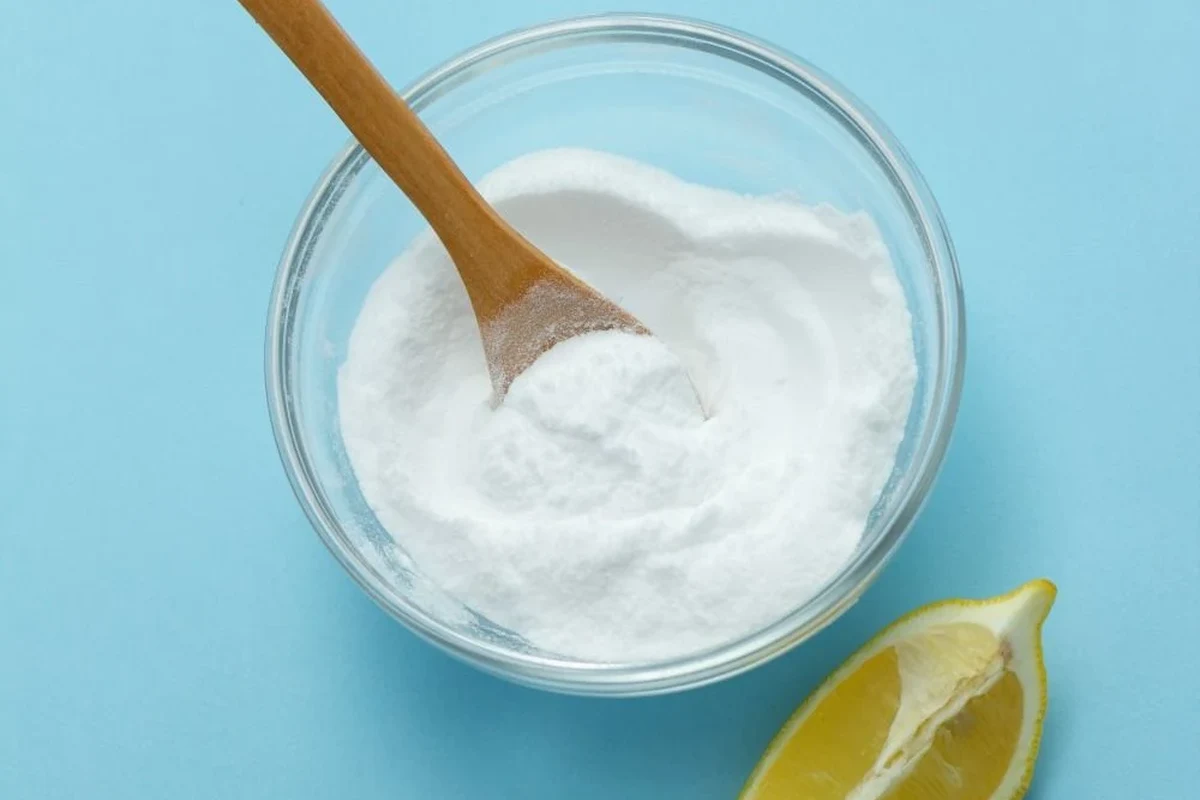
Baking soda remains popular because it is inexpensive, easy to store, and useful in many routine cleaning jobs. For busy homes, that matters more than ever: it is a low-friction option for deodorizing a trash bin, loosening light grime, or helping a sink look cleaner between deeper scrubs.
What makes baking soda a practical, low-cost cleaning staple
Its biggest advantage is versatility. A small amount can be sprinkled dry, mixed into a paste, or dissolved into water depending on the job, which makes it a good first step before using a stronger cleaner.
It also fits well into a simple cleaning kit. If you already keep a sponge, microfiber cloth, and soft brush on hand, baking soda can work with all three.
For everyday cleaning, start with the mildest method that will do the job. A light sprinkle or thin paste often works better than a thick mixture that dries chalky and takes longer to rinse away.
Where it works best in modern homes and where it falls short
Baking soda works best on light soil, odors, and surfaces that can handle gentle abrasion. Think stainless steel sinks, ceramic tile, porcelain, glass oven doors, and many sealed countertops.
It falls short on heavy grease, deep rust, mineral buildup, and stains that have set for a long time. In those cases, a product made for the specific problem is usually more effective and may be safer for the surface.
How Baking Soda Cleans: The Science Behind the Powder
Baking soda is sodium bicarbonate, a mild alkaline powder. That simple chemistry explains why it helps with odors, grime, and some sticky residues.
Odor neutralizing, light abrasion, and pH balancing explained
Odors often come from acidic or strongly scented compounds. Baking soda can help neutralize some of those smells instead of just covering them up, which is why it is useful in refrigerators, trash bins, and drains.
Its fine texture also gives it a gentle scrubbing action. That light abrasion can loosen dried food splatter or soap film without the harshness of many scouring powders, though it can still mark delicate finishes if you scrub too hard.
Because it is mildly alkaline, baking soda can help break up some greasy or acidic messes. It is not a miracle cleaner, but it is a smart middle-ground option for routine maintenance.
Baking soda works best when it has time to sit briefly on the surface. A short dwell time can help loosen residue before you wipe or scrub, especially on dried kitchen splashes.
Why it pairs well with water, vinegar, dish soap, and hydrogen peroxide
Water turns baking soda into a spreadable paste or rinseable solution. That makes it easier to place exactly where you need it, like around a sink ring or inside an oven door.
Dish soap adds surfactants, which help lift oily residue. Vinegar and hydrogen peroxide each have their own cleaning uses, but they should be used with care and for the right purpose, not mixed casually in large amounts.
Do not mix cleaning products unless the label or manufacturer guidance says it is safe. In particular, avoid combining vinegar and baking soda in a closed container, and never mix hydrogen peroxide with products that the label warns against.
Best Baking Soda Cleaning Uses Around the Kitchen
The kitchen is where baking soda cleaning earns its keep. It handles everyday messes well, especially when you want to clean without a strong smell lingering around food prep areas.
Sink, drain, stovetop, and microwave cleanup examples
For sinks, sprinkle baking soda on a damp sponge and scrub in small circles. This helps remove water spots and light film on stainless steel or porcelain.
For drains, a small amount can help reduce odor, especially after food prep. It is best used as a deodorizing step, not as a fix for a clogged drain.
On stovetops, a thin paste can help lift dried splatter. In the microwave, a bowl of water with a little baking soda can help loosen residue, but wipe the cavity carefully afterward so no powder remains.
Oven doors, fridge interiors, and trash bin deodorizing
Oven doors often respond well to a baking soda paste left on briefly, then wiped away with a damp cloth. For stubborn spots, repeat rather than scrubbing harder, especially if the door has a coated finish.
Inside a refrigerator, use a dry sprinkle or a lightly damp cloth to remove odors and residue. Always unplug or power off only if the manufacturer recommends it and the interior is dry enough to clean safely.
Trash bins benefit from a sprinkle of baking soda in the bottom before a new liner goes in. That simple step can help control odor between washings.
Common kitchen mistakes that can scratch surfaces or leave residue
The most common mistake is using too much powder. Excess baking soda can leave a chalky film that takes extra wiping to remove.
Another mistake is scrubbing with an abrasive pad on glossy or coated surfaces. Baking soda is gentle, but paired with the wrong tool it can still dull a finish.
Finally, avoid letting paste dry completely on glass or painted surfaces. Dried residue can streak and may need several wipes to remove.
Baking Soda Cleaning in Bathrooms: Safe Surfaces and Smart Methods
Bathrooms are another strong use case because baking soda handles soap scum, mild odors, and everyday grime reasonably well. It is especially helpful when you want a low-odor cleaner for frequent touch-ups.
Tubs, tile grout, toilets, and shower doors
For tubs and shower walls, a paste can help loosen soap film. A soft brush works well on grout lines, where residue tends to collect.
Toilets can be freshened by sprinkling baking soda into the bowl and brushing gently, then flushing. It is a maintenance step, not a replacement for disinfecting when sanitation is needed.
Shower doors often respond to a damp cloth and a light scrub, followed by a thorough rinse. If hard water spots are present, you may need a dedicated limescale remover instead.
Ventilate bathrooms well when cleaning, especially if you later switch to another product. Never combine baking soda with bleach or other cleaners unless the product instructions specifically allow it.
When to avoid use on stone, coated fixtures, or delicate finishes
Use caution on natural stone such as marble, and on fixtures with special coatings. Even mild abrasion can leave a dull spot if the finish is soft or polished.
When in doubt, choose a pH-neutral cleaner made for that surface. It is usually safer than testing a scratch-prone material with a scrubbing paste.
How to Mix Baking Soda Cleaning Solutions the Right Way
The best baking soda cleaning method depends on the mess. A paste works for stuck-on residue, a sprinkle works for odor and light scrubbing, and a soak helps with removable items.
Paste, sprinkle-and-scrub, and soak methods with simple ratios
For a paste, mix baking soda with just enough water to make a spreadable texture, similar to thick frosting. Use it where you want the powder to stay in place.
For sprinkle-and-scrub, dampen the surface first and add a light dusting of powder. This is useful for sinks, tubs, and trash bins.
For soaking, dissolve a small amount in warm water and let removable items sit briefly before washing. This can help with greasy utensils or plastic containers that hold odor.
More powder does not mean better cleaning. Too much baking soda can turn into a gritty layer that is harder to rinse and may leave streaks on smooth surfaces.
Choosing the right tool: sponge, microfiber cloth, brush, or scrub pad
A microfiber cloth is best for wiping and polishing after cleaning. It picks up fine residue well and helps reduce streaking.
A sponge works for general scrubbing, while a soft brush is better for grout, drain edges, and textured surfaces. Use scrub pads only on durable surfaces that can tolerate more abrasion.
How to avoid over-wetting, clumping, and ineffective mixtures
Over-wetting can turn baking soda into a slurry that slides off the surface before it has time to work. Start dry or slightly damp, then add more liquid only if needed.
Clumping usually happens when powder meets too much water at once. Stir slowly and aim for a smooth texture instead of a soupy mix.
If a mixture seems ineffective, the issue may be the stain, not the recipe. Grease buildup, mineral deposits, and rust often need a more targeted cleaner.
Safety, Surface Compatibility, and Stain Troubleshooting
Good cleaning is not just about removing dirt. It is also about protecting the surface so you do not create a new problem while trying to solve the old one.
Materials that need caution: aluminum, marble, hardwood, and electronics
Aluminum can discolor when cleaned with alkaline products, so test carefully or choose another cleaner. Hardwood floors also need caution because excess moisture can damage the finish or seep into seams.
Marble and other natural stones deserve special care because abrasive scrubbing can dull them. Electronics should generally be cleaned only with the manufacturer’s instructions, and never with wet baking soda paste.
- Test on a hidden spot first
- Use soft cloths on glossy finishes
- Rinse and dry after cleaning
- Scrubbing coated surfaces aggressively
- Leaving wet paste on wood or stone
- Using it on electronics or open vents
What to do when baking soda leaves haze, scratches, or stubborn buildup
If haze appears, wipe the area with a clean damp cloth, then dry it immediately. A second rinse often removes the last of the powder.
If scratches appear, stop scrubbing and switch to a softer tool. The issue is usually the pad, not the baking soda itself.
If buildup remains, the stain may be mineral-based or baked on too firmly. Use a cleaner designed for that material instead of repeating the same method harder and longer.
How to test a small area before cleaning larger surfaces
Choose a hidden spot, such as the back edge of a sink or the underside of a fixture. Apply a small amount, wait briefly, then wipe and check for dulling, streaking, or color change.
If the spot looks fine after drying, you can move to a larger area with more confidence. This is especially important for stone, painted finishes, and older fixtures.
Storage, Shelf Life, and Buying the Right Baking Soda for Cleaning
Baking soda does not need fancy storage, but it does need to stay dry and odor-free. That helps it work predictably when you reach for it.
How to store baking soda to keep it fresh and odor-ready
Keep the box or container tightly sealed in a cool, dry cabinet. Moisture can make the powder clump and reduce how easily it spreads or dissolves.
For odor control, keep a separate open box for the fridge or closet if you like, but replace it regularly. A closed cleaning supply should stay dry and uncontaminated.
Box, bulk bag, or specialty cleaning version: what matters most
For most homes, a standard box works well. Bulk bags can be practical if you use baking soda often, while specialty cleaning versions may come in larger containers or with packaging designed for storage.
What matters most is freshness, dryness, and a clean container. The label matters too if you want a product intended specifically for cleaning rather than food use.
How to tell when a product is past its useful cleaning strength
Baking soda that has absorbed moisture, developed clumps, or picked up strong odors may not spread or rinse as well. It can still be useful in some cleaning jobs, but performance may be less consistent.
If you are unsure, replace it. Baking soda is usually inexpensive enough that freshness is worth more than stretching a questionable box too long.
Choosing Baking Soda Cleaning for Your Home: Best Uses, Limits, and Final Recap
Baking soda cleaning is a smart first choice for light messes, odor control, and gentle scrubbing. It is not the answer for every stain, but it is one of the most dependable tools for routine home care.
When baking soda is the best first choice versus when stronger cleaners are needed
Choose baking soda first when the problem is surface grime, mild odor, or a job that needs a gentle touch. Reach for a stronger or more specialized cleaner when you face grease buildup, hard water scale, rust, mold, or a delicate surface that should not be abraded.
If you are also interested in how everyday kitchen tools and appliances affect cleanup, you may find our guides on air fryer basket care and air fryer preheating useful for comparing safe cleaning habits across appliances.
Practical home-cleaning scenarios for families, renters, and busy kitchens
For families, baking soda is useful because it is easy to keep on hand for quick spills, lunchbox odors, and sink refreshes. For renters, it is a gentle option that can help maintain fixtures without risking unnecessary damage.
For busy kitchens, it is a practical reset tool after cooking, especially when you want a low-odor option that works fast on visible mess. A few minutes of regular use can prevent buildup from becoming a bigger job later.
For more appliance safety context, especially around heat and kitchen equipment, see our article on whether air fryers are dangerous. Understanding how different materials react to heat and cleaning can help you avoid preventable damage.
Final recap on using baking soda safely, effectively, and consistently
The best baking soda cleaning routine is simple: use a small amount, match the method to the surface, and rinse or wipe thoroughly. Test first on delicate materials, avoid mixing products casually, and stop if the surface starts to dull or scratch.
Used with care, baking soda is a reliable staple that can keep kitchens and bathrooms looking fresher with less effort. It is not the strongest cleaner on the shelf, but it is often the smartest first one to reach for.
Frequently Asked Questions
Start with a small amount and add more only if needed. A thin layer or simple paste is usually enough for most light cleaning jobs.
You can use them for some cleaning tasks, but they neutralize each other quickly when mixed. For best results, use them in separate steps unless a product label says otherwise.
Baking soda is mild, but it can still mark delicate or glossy finishes if you scrub too hard or use an abrasive pad. Always test a hidden spot first.
Use caution on marble and other natural stones because they can dull or scratch more easily. A cleaner made for stone is usually the safer choice.
Store it in a sealed container in a cool, dry place. Moisture can cause clumping and make it less effective for cleaning.
Use a stronger or more specialized cleaner for rust, heavy grease, hard water scale, mold, or stubborn buildup. Baking soda is best for light grime, deodorizing, and gentle scrubbing.

