
Baking Soda for Rust Stains Easy Removal Tips
Baking soda can help remove light rust stains by gently lifting surface residue with a mild paste. It is best used early, and deeper or older stains may need a stronger remover.
Baking soda for rust stains can help with light, fresh marks on many household surfaces, especially when you want a gentle first step. It works best as a mild scrub and paste, not as a heavy-duty rust dissolver, so knowing its limits saves time and damage.
- Best use: Light, fresh rust stains on common household surfaces.
- How it works: Mild abrasion plus moisture helps loosen surface residue.
- Main limit: It may not remove deep, old, or etched rust marks.
- Safety first: Test hidden areas and avoid over-scrubbing delicate finishes.
Baking Soda for Rust Stains: What It Can and Cannot Do
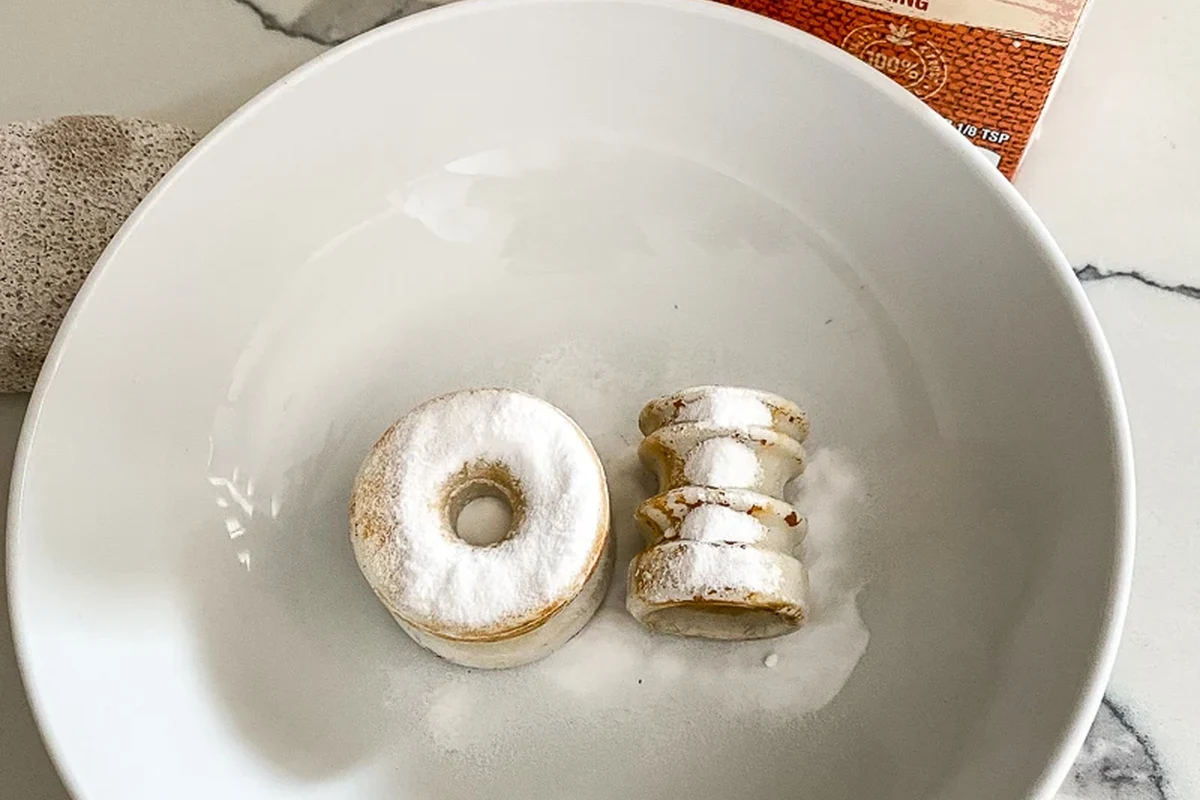
Baking soda is popular for rust stain cleanup because it is inexpensive, easy to find, and mild enough for many routine cleaning jobs. In a kitchen or laundry setting, that matters because you often want a cleaner that lifts discoloration without scratching enamel, dulling a finish, or leaving a strong chemical smell.
Why baking soda is commonly used in rust stain cleanup
Baking soda has a fine texture that provides gentle abrasion, which can help loosen surface rust transfer and stain residue. When mixed with a little water, it forms a paste that stays in place long enough to work on the stain instead of running off immediately.
It is also useful because it is less aggressive than many commercial cleaners. That makes it a sensible starting point when the stain is small, the surface is delicate, or you are dealing with a fabric item that needs careful treatment.
What kinds of rust stains respond best to baking soda
Light orange-brown marks on porcelain, glazed tile, stainless steel contact points, and some washable fabrics often respond best. Fresh stains usually lift more easily than older stains that have set into fibers, grout, or tiny surface pits.
Rust transfer from a damp metal can, a wire rack, or a tool may also improve with baking soda if the stain is mostly on the surface. If the stain is only a thin film, repeated gentle treatment can make a noticeable difference.
When baking soda is not enough and a stronger remover is needed
If the rust is deep, old, or etched into the material, baking soda alone may only fade the color slightly. That is common on porous grout, rough stone, and fabrics that were left wet with rust for a long time.
In those cases, a specialty rust remover may be more effective. For non-food surfaces, some products use oxalic acid or other stronger ingredients, so always read the label and follow the manufacturer’s directions before moving beyond a mild cleaner.
Rust stains are often easier to remove before they dry fully into fibers or porous surfaces. The sooner you treat them, the less scrubbing you usually need.
Where Rust Stains Usually Show Up Around the Home
Rust marks can appear in more places than people expect. They often show up where metal touches moisture, which is why laundry rooms, bathrooms, kitchens, and storage areas are common trouble spots.
Clothing, towels, and fabric surfaces
On fabric, rust can come from a metal chair, a damp hanger, a zipper pull, or a forgotten nail in a pocket. White cotton often shows the stain clearly, but colored fabrics can also hold a faint orange shadow.
Towels and bath linens are especially prone to transfer if they sit near metal shelving or damp fixtures. Once rust settles into the weave, it may take more than one treatment to fully fade.
Sinks, tubs, tiles, and grout
Bathroom sinks and tubs often collect rust rings where a metal container or tool sat while wet. Glazed tile usually cleans more easily than grout, because grout is porous and can trap stain particles below the surface.
If you are also comparing general cleaning habits for hard surfaces, our guide on dishwasher-safe basket care may be useful for understanding how finish type affects cleaning choices. The same idea applies here: the surface material matters as much as the cleaner.
Countertops, tools, and cookware contact marks
Rust can transfer from a wet can, pan rack, baking tray, or hand tool onto a countertop. The mark may look like a stain, but sometimes it is just residue sitting on top of the surface.
That is why a gentle first pass with baking soda is worth trying. If the mark wipes away quickly, you may not need a stronger product at all.
Do not use baking soda on every surface without checking first. Some polished metals, natural stones, and specialty finishes can scratch, dull, or discolor if scrubbed too hard.
How Baking Soda Works on Rust Stains
Baking soda does not chemically dissolve rust in the way a dedicated rust remover can. Instead, it helps loosen the stain mechanically and can make it easier to lift with water and light friction.
The cleaning role of mild abrasion and moisture control
The powder’s fine particles act like a soft scouring agent. When combined with moisture, they help break up the surface layer of the stain without the harshness of coarse abrasives.
That paste also holds moisture against the stain long enough to soften dried residue. For light stains, that combination of moisture and gentle rubbing is often enough to improve the appearance significantly.
Why paste consistency matters for stain lifting
A paste that is too thin slides off the stain and dries too quickly. A paste that is too thick can be hard to spread evenly and may leave residue behind.
The goal is a spreadable paste that clings to the stain in a thin layer. That gives the baking soda time to work while still letting you rinse it away cleanly afterward.
How rust depth and surface type affect results
Surface rust transfer is usually the easiest to remove. Rust that has penetrated fabric fibers, settled into grout, or etched into a surface may need repeated treatment or a different cleaner.
Porous materials absorb stain more deeply, which reduces the effect of a mild paste. Smooth, nonporous surfaces usually respond better because the stain sits closer to the top.
Results can vary with water amount, stain age, fabric type, and surface finish. A small hidden test spot is the safest way to judge whether baking soda is a good fit.
Step-by-Step Method for Removing Fresh Rust Stains with Baking Soda
For fresh or light rust stains, start with a simple baking soda paste and work patiently. The key is to use just enough abrasion to lift the stain without grinding it deeper into the material.
Materials and mixing ratio for a workable paste
What you need is simple: baking soda, a small bowl, water, a soft cloth or sponge, and a soft-bristle brush if the surface allows it. For fabrics, have clean water and a towel ready for blotting.
Start with about three parts baking soda to one part water, then adjust until you get a thick paste. The exact amount depends on the size of the stain and how much surface area you need to cover.
Application timing for fabric, porcelain, and metal-adjacent surfaces
On porcelain or glazed tile, spread the paste over the stain and let it sit briefly so it can soften the residue. On fabric, work carefully and avoid soaking the item unless the care label allows it.
If the stain sits near metal hardware, remove the source of moisture first. Otherwise, the rust may return even after the visible mark fades.
Gentle scrubbing technique without damaging the surface
Use small circular motions with light pressure. Think of polishing rather than scouring, especially on enamel, glazed ceramic, or finished countertops.
On fabric, dab and rub lightly from the outside of the stain inward so you do not spread the mark. A soft brush can help on sturdier cloth, but avoid harsh scrubbing that could roughen the weave.
Rinsing, repeating, and checking whether the stain is fading
Rinse the area with clean water and inspect it in good light. If the stain is fading but still visible, repeat the treatment rather than increasing the pressure.
For washable items, laundering after treatment may help remove loosened residue. For hard surfaces, dry the area completely so you can tell whether the stain is gone or just hidden by moisture.
If you are cleaning cookware, make sure the item is cool before you begin. Never scrub a hot pan or sink area where steam, splatter, or hidden heat could cause burns.
Practical Examples for Common Rust-Stain Scenarios
Different rust stains need slightly different handling. The same baking soda paste can work in several places, but the pressure, dwell time, and rinsing method should match the surface.
Removing a light rust ring from a bathroom sink
For a light ring in a sink, spread the paste directly over the mark and let it rest for a short time. Then wipe with a soft cloth using gentle pressure.
If the ring is still visible, repeat once or twice rather than switching immediately to a harsh abrasive. Porcelain is durable, but repeated heavy scrubbing can still dull the finish over time.
Treating a rust mark on a white cotton shirt
Place a clean towel under the stained area so the mark does not transfer through the fabric. Apply the paste lightly, then rub very gently and rinse thoroughly before washing.
Check the stain before drying the shirt. Heat from a dryer can set remaining discoloration, which makes later removal harder.
Cleaning rust transfer from a metal can, tool, or rack
If rust rubbed off from a can or rack, first remove the object that caused the stain. Then use the paste on the affected spot and wipe away any remaining residue.
On racks and tools, dry the metal completely after cleaning to reduce the chance of repeat staining. If the item is stored in a humid area, moisture control matters as much as the cleaner you use.
Common Mistakes That Make Rust Stains Harder to Remove
Most rust-stain problems get worse when people rush. A careful first treatment usually works better than a strong, aggressive one.
Scrubbing too aggressively and spreading the stain
Heavy pressure can push rust deeper into fabric or scratch a smooth surface. It can also spread the stain outward, making the mark look larger than it started.
Use short, controlled motions instead. If the stain does not move, the answer is usually more patience or a different product, not harder scrubbing.
Letting the paste dry too long on delicate surfaces
Dry paste can leave a chalky film that takes extra rinsing to remove. On delicate finishes, a long dwell time may also create uneven marks if the paste dries in patches.
Check the area before the paste fully hardens. If needed, lightly re-wet it so you can lift it cleanly.
Using baking soda on finishes that can scratch or dull
Some polished metals, acrylics, and stone surfaces do not like abrasion. Even a mild powder can leave a dull spot if rubbed repeatedly in the same place.
If you are unsure about a finish, test a hidden corner first. That small step can prevent a bigger repair later.
Ignoring the source of the rust and causing repeat stains
If the rust came from a leaking fixture, damp storage bin, or corroded rack, the stain will likely return. Cleaning the mark without fixing the source only solves part of the problem.
Check nearby metal items, moisture buildup, and storage habits. Preventing the next stain is often easier than removing the current one.
- Test a small hidden spot first
- Use a thin paste and light pressure
- Rinse and dry completely after treatment
- Scrubbing until the surface looks worn
- Leaving paste on too long if the finish is delicate
- Ignoring the wet metal item that caused the stain
Safety, Surface Care, and When to Switch Methods
Baking soda is a useful first option, but it is not the right answer for every rust stain. Good surface care means knowing when to stop and reassess.
Testing a small hidden area before full application
Always test the paste in an inconspicuous spot if the surface is colored, polished, or unfamiliar. Wait for the area to dry so you can see whether any dulling or color change appears.
This is especially important for fabrics with special finishes, decorative tile, and stone countertops. A small test can prevent an expensive mistake.
Protecting colored fabrics, polished metal, and stone surfaces
Colored fabrics may react differently than plain white cotton, especially if they have dyes that can fade or bleed. Use minimal moisture and follow the care label whenever possible.
Polished metal and natural stone need extra caution because they can scratch or lose shine. If the finish is delicate, a gentler cleaner or a product made for that material may be a better choice.
Signs that an oxalic-acid or specialty rust remover may be better
If the stain stays orange after repeated gentle treatments, or if it appears embedded in grout or etched into porcelain, a specialty rust remover may work better. Oxalic-acid products are often used for stubborn rust, but they must be handled according to label directions.
For any cleaner used near food-contact areas, follow the product instructions carefully and rinse thoroughly. When in doubt, choose the least aggressive option that still matches the stain and surface.
- Gentle and easy to find
- Good for fresh, light rust transfer
- Useful on many common household surfaces
- May not remove deep or old stains
- Can scratch sensitive finishes if overused
- May need repeat applications
Final Recap: Best Use Cases for Baking Soda on Rust Stains
Baking soda for rust stains is best as a first-step cleaner for light, fresh marks and surface transfer. It is especially practical when you want a mild option that can be used carefully on fabric, porcelain, and other common household surfaces.
When baking soda is a smart first step
Use it when the stain is small, recent, and still sitting near the top of the surface. It is also a good choice when you want a low-risk test before moving to a stronger product.
When to stop, reassess, and choose a different cleaning approach
Stop if the surface starts to dull, the stain is not changing, or the material seems too delicate for scrubbing. At that point, a specialty rust remover, a different cleaning method, or professional advice may be the better route.
For readers who like practical home-care guidance, our article on whether air fryers need preheating shows a similar principle: the right result depends on matching the method to the task. The same is true here, where stain age, surface type, and moisture level all affect success.
In short, baking soda is a smart, gentle starting point for rust cleanup, but it works best when you use it carefully and know its limits. If the stain is stubborn or the surface is sensitive, switching methods early can save both time and finish quality.
Frequently Asked Questions
It can remove or fade many light, fresh rust stains, but it may not fully remove deep or old stains. Results depend on the surface, stain age, and how much rust has set in.
A thick paste made from about three parts baking soda to one part water is a good starting point. Adjust slightly so it spreads easily without running off the stain.
It is often safe on washable fabrics, but you should test a hidden spot first and follow the care label. Avoid harsh scrubbing and check the stain before drying.
Yes, baking soda is commonly used on glazed porcelain and similar surfaces because it is mild. Use gentle pressure and avoid abrasive pads that can dull the finish.
The source of the rust may still be present, such as a wet metal item, corroded rack, or moisture problem. Dry the area fully and fix the source to help prevent repeat stains.
Switch when the stain is old, deep, or not improving after gentle treatment. Specialty rust removers may work better, but follow the label and test the surface first.

