Red Mills baking soda helps baked goods rise, brown, and balance acidity when used in the right recipe. Store it dry, measure carefully, and mix it evenly for the best results.
Red Mills baking soda is a simple pantry ingredient, but it plays a big role in how cakes, cookies, muffins, and quick breads rise, brown, and taste. For home bakers and baking students, understanding how to use it correctly can be the difference between a light, balanced bake and a flat or bitter one.
- Best use: Works well in recipes with buttermilk, yogurt, citrus, molasses, or cocoa.
- Core benefit: Supports lift, browning, and a tender crumb when measured correctly.
- Main risk: Too much can cause soapy flavor, excess spread, or uneven color.
- Storage rule: Keep it sealed, dry, and away from strong odors and moisture.
- Buying tip: Choose a package size you can use before freshness drops.
What Red Mills Baking Soda Is and Why It Matters in Modern Baking
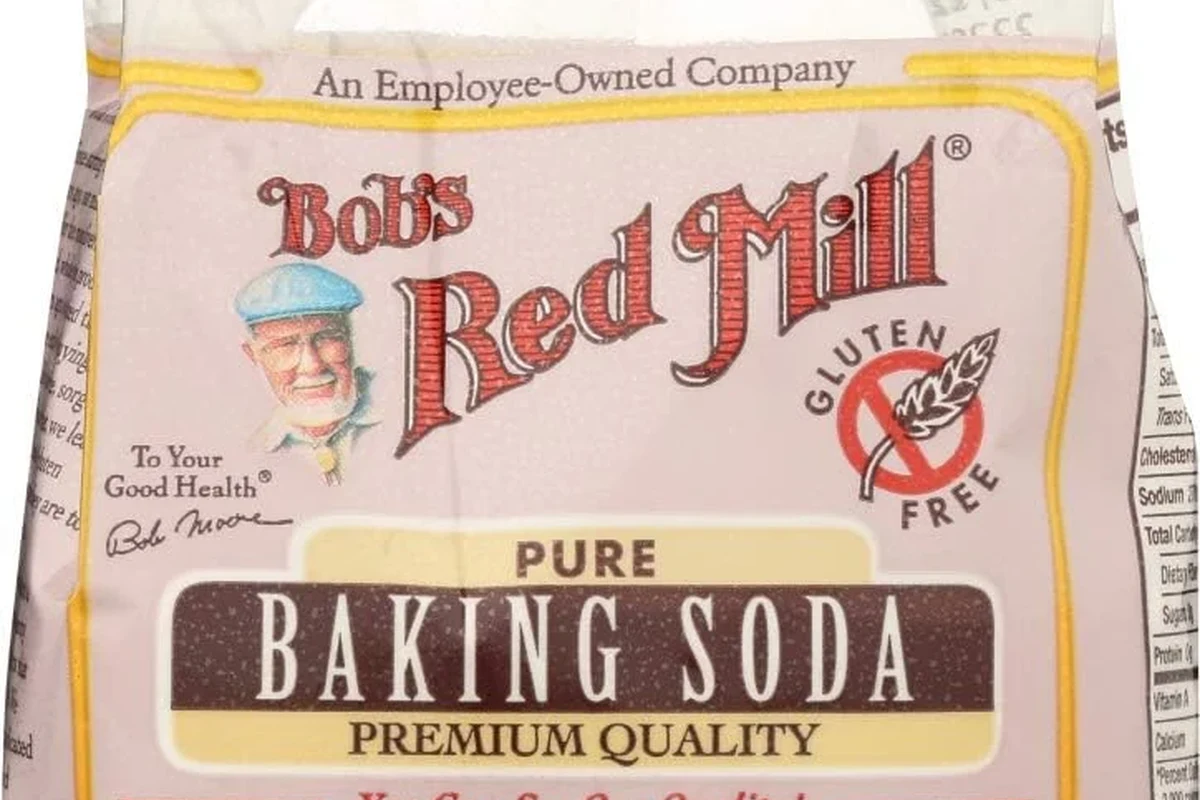
Red Mills baking soda is sodium bicarbonate, a basic ingredient used in baking to create lift when it reacts with an acid and moisture. That reaction releases carbon dioxide gas, which helps batters expand in the oven before the structure sets.
In modern baking, that matters because many recipes depend on controlled rise rather than yeast fermentation. If you want a deeper look at heat, airflow, and kitchen equipment that can affect baked results, our guide on why preheating matters in the kitchen explains the same basic idea of giving your batter or dough the right starting conditions.
How baking soda works as a leavening agent in pastries, cakes, and quick breads
Baking soda needs an acid to activate well. In pastry formulas, that acid may come from buttermilk, yogurt, sour cream, citrus juice, molasses, brown sugar, cocoa, or even natural fermentation byproducts in certain batters.
Once mixed, the reaction starts quickly. That is why many soda-leavened batters should go into the oven soon after combining wet and dry ingredients, before the gas escapes and the lift weakens.
What makes Red Mills baking soda relevant for home bakers and baking students in 2026
In 2026, home bakers still need ingredients that are consistent, easy to measure, and suitable for both everyday recipes and classroom practice. Red Mills baking soda remains relevant because soda-based formulas are still central to cookies, muffins, scones, gingerbread, and many quick breads.
For baking students, it is also a useful ingredient for learning cause and effect. Small changes in acid, mixing, and oven timing can visibly change crumb, spread, and browning, which makes it a strong teaching ingredient in pastry fundamentals.
Core Uses of Red Mills Baking Soda in Baking Pastry School Techniques
At pastry school level, baking soda is not just a rise ingredient. It is also a tool for balancing acidity, shaping texture, and managing color in formulas that need a specific result.
Balancing acidity in recipes with buttermilk, yogurt, citrus, molasses, and cocoa
When a recipe includes acidic ingredients, baking soda helps neutralize some of that sharpness. That can improve flavor balance and reduce the tang that might otherwise dominate a tender cake or muffin.
It is especially useful in recipes with buttermilk, yogurt, lemon juice, vinegar, molasses, and natural cocoa. In cocoa-based recipes, the soda can also help bring out a deeper color and a smoother, less harsh flavor when the formula is balanced correctly.
Supporting browning, spread control, and texture in cookies, muffins, and scones
Baking soda encourages browning because it raises alkalinity, which helps the Maillard reaction happen more readily. That is why soda-leavened cookies often have darker edges and a more developed flavor than similar recipes made without it.
It also affects spread. In cookies, the right amount can help create a wider, crisper edge, while too much can cause excessive spread, a soapy taste, or a rough, uneven texture. In muffins and scones, correct use supports a lighter crumb without making the interior dry or coarse.
When baking soda is the right choice versus baking powder
Baking soda is the right choice when the recipe already has enough acid to activate it. Baking powder contains both acid and base, so it is usually better for formulas that do not include acidic dairy or other sour ingredients.
In some recipes, both are used together. That gives the baker a way to fine-tune rise, color, and flavor while keeping the batter balanced.
Ingredient brands, cocoa type, egg size, flour protein, and even humidity can shift the final result. A formula that works in one kitchen may need small adjustments in another.
Measurement, Mixing, and Method: How to Use Red Mills Baking Soda Correctly
With baking soda, precision matters because the ingredient is powerful in small amounts. A little too much can leave a strong alkaline taste, while too little may not neutralize acidity or provide enough lift.
Typical measurement ranges and why precision matters in pastry formulas
Most recipes use baking soda in small measured amounts, often fractions of a teaspoon to a few teaspoons depending on batch size and acidity. The exact amount depends on the recipe, so it is best to follow the formula rather than guessing.
For pastry work, a digital scale is often more reliable than a scoop-and-shake approach, especially in classroom settings where consistency matters. If you are scaling recipes up or down, keep the acid balance in mind, not just the leavening amount.
How to distribute it evenly through dry ingredients to avoid bitter spots
Always mix baking soda thoroughly with the dry ingredients before adding liquids. This helps prevent concentrated pockets that can taste bitter or leave yellowish streaks in the finished bake.
A quick whisk through the flour mixture is usually enough for small batches. For larger batches or classroom production, sifting or more deliberate dry blending can improve consistency.
If a recipe uses both cocoa and baking soda, blend the soda into the dry mix before adding liquid. This helps the color develop evenly and reduces the risk of alkaline streaks in the batter.
Timing, batter handling, and oven loading to preserve lift and structure
Once soda reacts with acid, the batter begins losing gas right away. Mix only until the ingredients are combined, then portion and bake promptly unless the recipe specifically calls for resting.
Oven loading matters too. A preheated oven helps the batter set before the gas escapes, which supports better volume and a more even crumb. If your oven runs hot or cool, calibration can affect how quickly the structure sets.
Measure accurately, whisk dry ingredients evenly, and combine wet and dry with minimal mixing.
Load the batter into a fully preheated oven so the rise starts strong and the edges set on time.
Cool baked goods on a rack so steam can escape and the crumb does not turn gummy.
Benefits, Flavor Effects, and Performance Differences Bakers Notice
When used well, red mills baking soda changes more than rise. Bakers also notice differences in crumb tenderness, edge color, and the overall flavor balance of the finished product.
Texture improvements in tender crumb, crisp edges, and lighter batters
In cakes and muffins, the right soda amount can create a finer, more tender crumb because it helps the batter expand before it sets. In cookies, it can encourage crisp edges and a slightly broader spread, which many bakers want in chocolate chip or spice cookies.
In scones and quick breads, soda can help produce a lighter interior without making the product cakey. The key is matching the amount to the acid level so the texture stays balanced rather than coarse or overly airy.
Flavor and color changes caused by proper alkalinity control
Proper alkalinity control can make flavors taste rounder and less sharp. In chocolate recipes, soda can deepen the color and reduce harsh acidity, while in molasses or spice bakes it can support a warmer, more caramelized profile.
Too much alkalinity, however, can create a soapy or metallic aftertaste. That is why the ingredient should be treated as a measured tool, not a casual pinch.
How ingredient quality and freshness can affect results in real-world baking
Freshness matters because baking soda can slowly lose performance if it is exposed to moisture or strong odors in storage. Even when it is still technically usable, a poorly stored product may not behave as predictably in delicate pastry formulas.
Ingredient quality also includes the rest of the recipe. Flour age, cocoa type, and dairy acidity all influence how much lift and browning you get from the soda.
Baking soda does not just “make things rise.” It also changes pH, which affects browning, flavor perception, and how quickly some batters set in the oven.
Common Mistakes with Red Mills Baking Soda and How to Troubleshoot Them
Most baking soda problems come from imbalance, not from the ingredient itself. The good news is that many failures can be traced back to measuring, mixing, storage, or recipe choice.
Overuse, underuse, and the signs of soapy, metallic, or flat results
Too much baking soda often shows up as a soapy or metallic taste, overly dark color, or a coarse crumb. In cookies, you may also see excessive spread and a thin, fragile center.
Too little baking soda can leave muffins heavy, cookies pale, or quick breads dense. If the recipe is acidic and the soda is undermeasured, the batter may also taste too tangy or lack the intended browning.
Baked goods taste bitter, soapy, or metallic.
Check the soda measurement, confirm the recipe’s acid level, and make sure the ingredient was mixed evenly through the dry ingredients.
Why expired or poorly stored baking soda can weaken rise and taste
Expired or moisture-exposed baking soda may not perform consistently. It can still look normal in the container while giving weaker lift or flatter flavor in a finished bake.
Storage matters because baking soda can absorb odors from nearby foods. If it has picked up a stale or off smell, that can carry into delicate pastries.
Do not use baking soda as a substitute for sanitation or food safety practices. Store it away from raw ingredients, strong odors, and cleaning products, especially in shared kitchens and classrooms.
Fixes for dense muffins, spread-heavy cookies, and uneven browning
Dense muffins often mean the batter was overmixed, the soda was undermeasured, or the oven was not hot enough at loading time. Try mixing only until combined and verify that the oven temperature is accurate.
Spread-heavy cookies may need less soda, colder dough, or a better flour balance. Uneven browning can come from poor dry mixing, hot spots in the oven, or a pan that conducts heat differently from batch to batch.
- Whisk soda into dry ingredients before adding liquid
- Preheat the oven fully before baking
- Store the container tightly closed in a dry cabinet
- Guessing at the amount in acidic recipes
- Leaving the container open near steam or spices
- Overmixing batters after adding liquid
Buying Guide for Red Mills Baking Soda in 2026
Buying baking soda is usually straightforward, but a careful check of the label and package condition can save you from weak or inconsistent results. This is especially important if you bake often or teach in a classroom kitchen.
What to check on the label: purity, package size, and intended food use
Look for a food-use baking soda product with clear ingredient labeling. For most bakers, the main questions are whether it is intended for culinary use, whether the package is sealed, and whether the size fits your baking frequency.
If you bake only occasionally, a smaller package may stay fresher. If you bake in batches or teach regularly, a larger size may be more practical, provided it is stored well after opening.
How to compare value, freshness, and sourcing when shopping online or in stores
Compare value by package size, not just shelf price. A larger container is not always the better buy if it sits open for too long or is used infrequently.
When shopping online, check the listing date, seller reliability, and shipping conditions if possible. In stores, inspect the seal and avoid packages that look damaged, damp, or exposed to strong odors.
Best buying choices for home bakers, baking students, and frequent batch baking
Home bakers usually do best with a standard sealed package that can be used within a practical time frame. Baking students may want a reliable mid-size container for repeated practice, while frequent batch bakers may prefer a larger package if storage is dry and controlled.
If you are comparing ingredient options for other kitchen tools too, our article on whether liners are safe to use shows how label reading and material checks matter in everyday kitchen purchases. The same habit helps when buying baking ingredients.
Storage, Safety, and Kitchen Best Practices
Good storage protects both performance and flavor. In a shared kitchen, it also helps reduce contamination and keeps the ingredient usable for longer.
How to store baking soda to protect potency, dryness, and odor control
Keep red mills baking soda tightly sealed in a cool, dry cabinet away from steam, sinks, and spice-heavy areas. Moisture is the biggest enemy because it can shorten shelf life and reduce consistency.
For odor control, use a container with a secure lid and avoid storing it near strong-smelling foods. Baking soda can absorb surrounding odors, which is not ideal for delicate pastries.
Food safety and cross-contamination considerations in shared kitchens and classrooms
In shared kitchens, use clean, dry measuring spoons and avoid double-dipping into the container. This helps prevent contamination from wet utensils, flour dust, or allergens left on equipment.
If you are baking for someone with allergies, always check the full product label and ingredient handling conditions. Baking soda itself is simple, but the way it is stored and scooped can still matter in a cross-contact setting.
Never scoop baking soda with a wet spoon. Moisture can clump the powder, reduce accuracy, and shorten the life of the container.
When to replace it and how to test whether it is still active
Replace baking soda if it has been stored for a long time in poor conditions, smells off, or has obvious clumps from moisture exposure. If you are unsure, test a small amount in an acidic liquid such as vinegar or lemon juice; it should fizz quickly.
That test is only a basic check, not a guarantee of perfect baking performance. For precise pastry work, fresh product is still the safest choice.
Final Decision: When Red Mills Baking Soda Is the Right Choice for Your Baking Needs
Red Mills baking soda is the right choice when your recipe includes enough acid to activate it and you want controlled browning, lift, and flavor balance. It is especially useful in cookies, muffins, scones, gingerbread, and other quick breads where small formula changes make a visible difference.
Who benefits most from this ingredient in pastry school practice and everyday baking
Home bakers benefit because it is inexpensive, versatile, and easy to use once you understand the acid balance. Baking students benefit because it teaches a core pastry skill: how ingredients interact to shape texture, color, and structure.
If you bake often, teach, or practice in batches, it is a practical pantry staple. If you bake only occasionally, it is still worth keeping on hand, but freshness and storage become even more important.
Practical recap for choosing, using, and storing it with confidence
Choose a food-use package, store it dry and sealed, measure carefully, and mix it evenly into the dry ingredients. Then bake promptly and watch for the real signs of success: even browning, balanced flavor, and a crumb that feels tender rather than heavy.
Used this way, red mills baking soda becomes less of a mystery ingredient and more of a reliable tool in your baking method. That is exactly the kind of ingredient knowledge that helps both beginners and pastry students build confidence in the kitchen.
Frequently Asked Questions
Use the amount listed in the recipe first, because soda needs to match the acid level in the batter. If you are scaling a formula, adjust carefully rather than adding extra for more rise.
Sometimes, but not in a simple one-to-one swap. Baking powder already contains acid, so the recipe may need other changes to keep the flavor and texture balanced.
That usually means there was too much soda or not enough acid to react with it. It can also happen if the soda was not mixed evenly through the dry ingredients.
Check for a dry texture, a neutral smell, and no hard moisture clumps. For a quick test, add a little to vinegar or lemon juice; it should fizz right away.
Keep it tightly sealed in a cool, dry cabinet away from steam and strong odors. Use a clean, dry spoon so moisture does not get into the container.
Yes, if you handle it with clean utensils and avoid cross-contact with other ingredients. If allergies are a concern, always check the full product label and keep shared tools sanitary.
