
How to Clean Washer with Baking Soda and Vinegar Fast
Baking soda and vinegar can clean a washer fast when you use them in moderation and clean the hidden parts by hand. For the best result, run a hot maintenance cycle, dry the machine afterward, and follow the washer manual if it gives different instructions.
If your washer smells musty or looks a little grimy, baking soda and vinegar can help loosen residue and freshen the drum fast. This method works best as a maintenance clean for light to moderate buildup, as long as you use the right amounts and follow your machine’s care instructions.
- Best use: This method works well for mild odor, soap film, and routine maintenance.
- Timing matters: Use baking soda and vinegar in separate steps when possible so they do not.
- Hidden buildup: The gasket, detergent drawer, and filter often hold the real odor source.
- Safety first: Follow the washer manual, especially for HE and front-load machines.
- Know the limit: Persistent smell, leaks, or heavy mold may need a commercial cleaner or repair.
Why Baking Soda and Vinegar Are Used to Clean a Washer
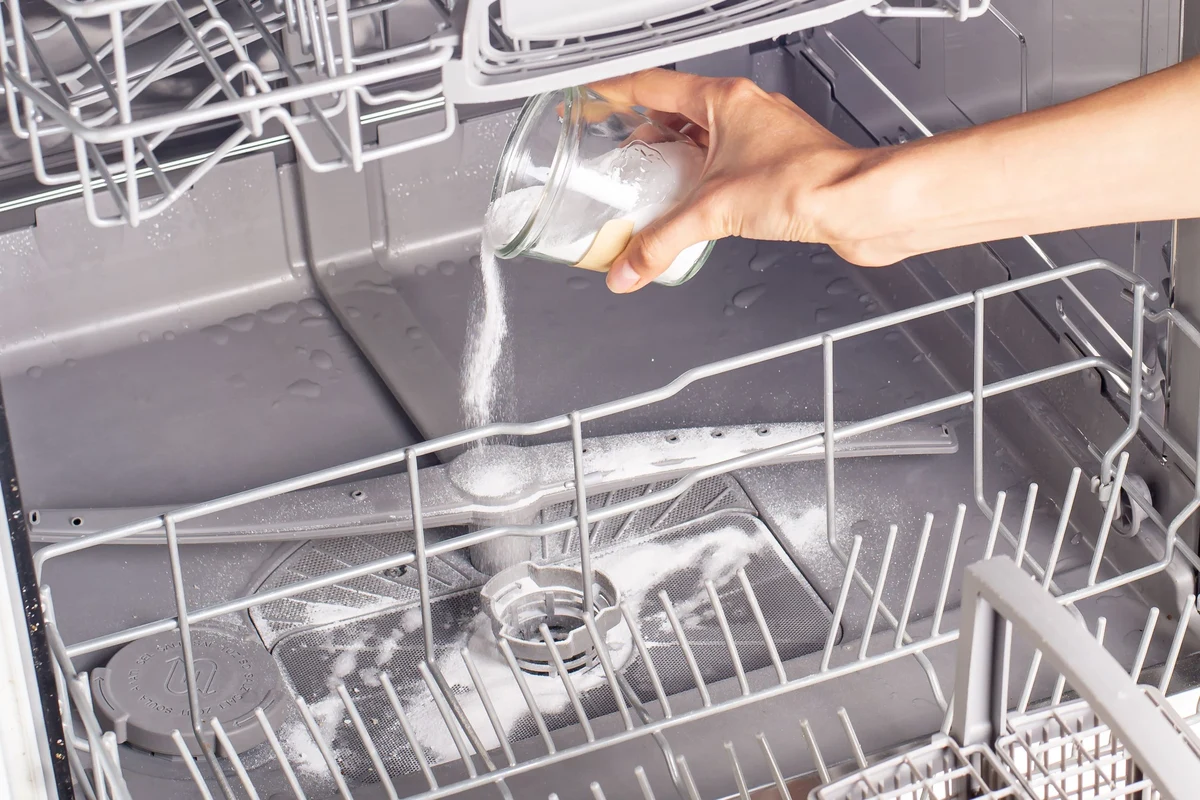
Baking soda is mildly alkaline, which helps lift odor, soften some residue, and support a cleaner-smelling wash tub. Vinegar is acidic, so it can help break down mineral deposits and soap film that cling to surfaces over time.
Used correctly, the two ingredients can make a good quick-clean routine for a washer that needs freshening. For a deeper explanation of why this simple method is popular in home care, see our guide to the baking soda trick that actually works fast and easy.
What each ingredient actually does in a washing machine
Baking soda helps neutralize sour odors and can make the inside of the drum smell less stale. It also gives a gentle scrubbing effect when dissolved and circulated through the cycle.
Vinegar is more useful against hard-water scale and detergent residue than against heavy mold growth. It can help loosen buildup in spots where water sits, but it is not a disinfectant or a fix for serious contamination.
Odor in washers often comes from trapped moisture, leftover detergent, and fabric softener residue rather than from the steel drum itself.
When this method works better than detergent alone
Detergent is designed to clean laundry, not always the machine interior. If your washer has a light film, mild odor, or a little soap residue, a baking soda and vinegar cycle can do more than a normal laundry load.
This method is especially useful after washing lots of towels, gym clothes, or heavily soiled items, when moisture and residue can build up faster. If you want a broader look at washer freshness and kitchen-style cleaning shortcuts, our fast baking soda cleaning method is a helpful companion read.
What You Need Before You Start
You do not need special equipment, but you do need to use the right amount and check your washer manual first. Some manufacturers give specific cleaning instructions, and those should always come before any general home remedy.
Measuring the right amount of baking soda and vinegar
A common starting point is about 1/2 cup of baking soda and 1 to 2 cups of white vinegar, but exact amounts depend on your washer size and the manufacturer’s guidance. More is not always better; excess vinegar can leave a strong smell, and too much baking soda can leave powdery residue if it does not dissolve well.
If your machine is small, older, or sensitive to residue, start on the lower end. If your washer manual recommends a specific cleaner or dose, follow that instead.
Tools, supplies, and washer types this method fits best
This approach works best for standard top-load and many front-load washers when you are trying to remove mild odor and surface buildup. It also works well as a quick refresh between deeper cleanings.
For washers with removable detergent drawers or visible gasket folds, the method is even more effective because you can clean the hidden spots by hand too. A front-loader’s door seal often needs more attention than the drum itself.
High-efficiency washers can be more sensitive to excess suds and residue, so keep the amounts moderate and avoid pouring in extra ingredients “just in case.”
Safety checks for front-load, top-load, and HE machines
Make sure the washer is empty before you begin. Also check that the drum is cool enough to handle, especially if you recently ran a hot cycle.
For front-load machines, inspect the gasket for trapped items like coins, hair ties, or lint. For top-load machines, look around the lid rim and agitator area. If your washer has a filter or trap, confirm whether the manufacturer wants that cleaned separately.
Do not mix cleaning chemicals with vinegar, bleach, or ammonia. If your washer was recently sanitized with another product, rinse it fully before using this method.
Step-by-Step: How to Clean Washer with Baking Soda and Vinegar Fast
The fastest safe method is to clean the visible parts first, then run a hot maintenance cycle. That gives you both surface cleaning and a full-drum refresh without overcomplicating the process.
Use a damp cloth to wipe the drum opening, lid area, door glass, and detergent tray before starting the cycle. This removes loose lint, soap film, and sticky residue so the wash cycle can focus on deeper buildup.
For front-load washers, pull back the rubber seal gently and wipe the folds. For both washer types, remove the detergent drawer if it is designed to come out, then scrub corners with a soft brush or toothbrush.
Pour the measured baking soda directly into the empty drum. This helps it circulate through the tub and reach areas where odors linger.
Select the hottest water setting your washer manual allows for cleaning. Hot water helps dissolve residue and improves the action of the cleaning ingredients, but always stay within the machine’s safe settings.
Pour the vinegar into the detergent compartment or drum only when your washer’s cycle timing makes sense for that model. In many cases, it is more effective to run baking soda first and add vinegar during a separate rinse or second short cycle rather than mixing them immediately.
When the cycle ends, leave the door or lid open so moisture can escape. Wipe the gasket, drum edge, and dispenser area dry with a clean towel.
Cleaning the drum, detergent drawer, and door seal
The drum is the easiest part to clean, but it is rarely the dirtiest. The detergent drawer and door seal often hold the sticky layer that causes the smell you notice most.
A soft brush works well in corners where detergent paste hardens. If you see black spots or slimy residue, remove it carefully and repeat the wipe-down before running the cycle.
Using a hot cycle without damaging components
Hot water helps loosen buildup, but not every washer should use the hottest possible setting every time. Some models have cleaning cycles or temperature limits that protect hoses, seals, and finishes.
If your manual recommends a tub clean cycle, use that setting instead of a normal wash. That is usually the safest way to get heat and agitation without extra wear.
How to time the baking soda and vinegar so they are effective
For cleaning, it is usually better to avoid pouring the two ingredients together at the start. When mixed immediately, they foam and neutralize each other quickly, which means less cleaning action remains in the machine.
Many people get better results by using baking soda in one step and vinegar in a separate step. That gives each ingredient time to work on different kinds of residue instead of canceling out too early.
The washer still smells sour after one cleaning cycle.
Check hidden spots like the gasket, detergent tray, and drain filter. The odor often comes from trapped moisture or buildup outside the drum, so hand-cleaning those areas is essential.
Where Hidden Buildup Usually Hides in a Dirty Washer
A washer can look clean from the outside and still hold odor-causing residue in small, damp spaces. Those hidden spots are often the reason a quick clean helps at first but the smell returns later.
Mold, soap scum, and residue in the gasket and dispensers
Front-load gaskets trap water, lint, and detergent film in the folds. Detergent drawers also collect sticky buildup, especially when liquid detergent or softener is used heavily.
If you see dark patches, wipe them soon and dry the area after every wash. Persistent black spotting may need stronger cleaning or replacement parts, depending on the material and age of the seal.
Odor sources in the drum, filter, and drain areas
The drum can smell if residue coats the surface, but the filter and drain path are often bigger odor sources. Trapped lint, standing water, and old detergent can create a stale or sour smell even after the tub looks clean.
Some washers have a user-serviceable filter, while others do not. Check the manual before opening any access panel so you do not damage a part or create a leak.
Unplug the washer before cleaning any removable filter, and keep water away from electrical components, control panels, and exposed plugs.
Signs your washer needs more than a basic refresh
If the odor returns within a day or two, the issue may be deeper than ordinary residue. Repeated damp smell, visible leaks, rust, or unusual noises can point to a drain, pump, or seal problem.
Heavy mold growth, persistent standing water, or a damaged gasket usually needs more than baking soda and vinegar. In those cases, a manufacturer-approved cleaner or a service visit may be the better next step.
Common Mistakes That Make the Cleaning Less Effective
Most washer-cleaning mistakes come from using too much product or skipping the places where residue actually lives. A careful routine is usually faster than a heavy-handed one.
Mixing the ingredients too early
Baking soda and vinegar react right away when combined. That fizz can look impressive, but it reduces the time each ingredient has to work on buildup.
For better results, use them in separate stages or in different parts of the cycle if your machine instructions allow it. That is especially important for HE machines, where excess foam or leftover residue can cause problems.
Using too much vinegar or baking soda
More product does not always mean a cleaner washer. Too much vinegar can leave a sharp smell, and too much baking soda can settle into corners or dispenser parts.
Stick to moderate amounts and repeat the process later if needed. Two careful cleanings are often better than one overly strong one.
Skipping the gasket, drain filter, or detergent tray
The drum is only one part of the system. If you skip the gasket, tray, or filter, the main odor source may remain untouched.
That is why a hand-cleaning step matters. It is similar to cleaning the edges of a baking pan: the center may look fine, but the corners hold the stubborn residue.
- Wipe hidden damp areas by hand
- Use moderate amounts of each ingredient
- Leave the door open after the cycle
- Mixing vinegar and baking soda too soon
- Running extra-strong doses without checking the manual
- Ignoring recurring odor or leaks
How Often to Clean a Washer and How to Keep It Fresh Longer
The best cleaning schedule depends on how often you use the washer and what kind of laundry you wash. A machine that handles sweaty gym clothes or damp towels will usually need attention more often than one used lightly.
Cleaning schedules for light, average, and heavy use
Light use may only need a refresh every month or two. Average household use often benefits from a monthly cleaning, while heavy use or damp-climate homes may need it more often.
If your washer gets a lot of low-temperature loads, residue can build up faster because cooler water does not dissolve deposits as well. That is when a maintenance cycle matters most.
Best habits to reduce odor and residue between cleanings
Leave the door or lid open after each load so moisture can evaporate. Wipe the gasket, dispenser edge, and drum lip when you notice standing water.
Also avoid overloading the washer and using more detergent than the label recommends. Too much soap is a common cause of film, especially in HE machines.
When to run an extra rinse or maintenance cycle
Run an extra rinse if you notice suds left behind, sticky fabric, or a detergent smell on freshly washed items. A maintenance cycle is also helpful after washing pet bedding, muddy clothes, or large towel loads.
If your machine has a dedicated clean cycle, use it on the schedule in the manual. For some households, that is the simplest way to keep the washer fresh without guessing.
When Baking Soda and Vinegar Are Not Enough
This method is useful, but it is not a cure-all. If the washer has a mechanical issue or serious buildup, you may need a stronger cleaner or professional repair.
Situations that call for commercial washer cleaners or service
Commercial washer cleaners can be more effective for stubborn residue, especially when the manufacturer recommends a specific product. They are also useful when you want a routine designed for the machine’s seals and internal parts.
If the washer has a drain clog, repeated standing water, or heavy mildew, a cleaner alone may not solve the problem. In that case, service is often the safer choice.
Damage, leaks, or persistent odor that may signal a mechanical issue
A cracked gasket, loose hose, blocked drain, or worn pump can all cause odor or moisture problems. Those issues will keep returning no matter how often you clean the drum.
If you notice leaks, burning smells, or error codes, stop using the machine and check the manual or contact service. For appliance safety, manufacturer guidance is the best source.
If you want a fast, simple washer refresh, baking soda and vinegar can work well for light odor and surface residue when used carefully and in moderation. For the best result, clean the hidden parts by hand, run a hot maintenance cycle, and follow your washer manual if it gives different instructions.
For readers who like practical home-care shortcuts, this is one of the easiest cleaning routines to keep in rotation. If your washer still smells after a careful cleaning, treat that as a clue to inspect the gasket, filter, or drain path instead of repeating the same cycle over and over.
How often should I clean my washer with baking soda and vinegar?
Most households can use this method about once a month, but heavy use may call for more frequent cleaning. If you wash lots of towels, workout clothes, or pet items, the machine may need attention sooner.
Can I mix baking soda and vinegar together in the washer?
You can, but it is usually less effective than using them separately. They react quickly, so much of the cleaning action is spent in the fizz instead of on the buildup.
Is this safe for HE and front-load washers?
Usually yes, if you use moderate amounts and follow the washer manual. Front-loaders often need extra gasket cleaning, and HE machines should never be overloaded with too much product.
Will baking soda and vinegar remove mold from my washer?
They may help with light surface residue and odor, but they are not a guarantee for heavy mold. If you see thick growth, repeated black spots, or a strong musty smell that returns quickly, use a manufacturer-approved cleaner or get service.
Should I use hot or cold water for cleaning the washer?
Hot water is usually better for loosening soap film and residue, as long as your washer manual allows it. Some machines have a dedicated clean cycle that is safer than choosing the hottest wash setting yourself.
Why does my washer still smell after cleaning it?
The smell may be coming from the gasket, detergent drawer, drain filter, or a trapped water issue. If cleaning those areas does not help, the washer may have a mechanical problem that needs repair.
Frequently Asked Questions
Most households can use this method about once a month, but heavy use may call for more frequent cleaning. If you wash lots of towels, workout clothes, or pet items, the machine may need attention sooner.
You can, but it is usually less effective than using them separately. They react quickly, so much of the cleaning action is spent in the fizz instead of on the buildup.
Usually yes, if you use moderate amounts and follow the washer manual. Front-loaders often need extra gasket cleaning, and HE machines should never be overloaded with too much product.
They may help with light surface residue and odor, but they are not a guarantee for heavy mold. If you see thick growth, repeated black spots, or a strong musty smell that returns quickly, use a manufacturer-approved cleaner or get service.
Hot water is usually better for loosening soap film and residue, as long as your washer manual allows it. Some machines have a dedicated clean cycle that is safer than choosing the hottest wash setting yourself.
The smell may be coming from the gasket, detergent drawer, drain filter, or a trapped water issue. If cleaning those areas does not help, the washer may have a mechanical problem that needs repair.

