
How to Make Baking Soda Paste Fast and Easy
Mix baking soda with a little water until it becomes a thick, spreadable paste. Use it fresh, apply it gently, and avoid mixing it with vinegar or strong cleaners unless the label says it is safe.
If you need a quick, reliable cleaner, learning how to make baking soda paste is simple. A small amount of baking soda mixed with just enough liquid creates a spreadable paste that can help loosen grime, cut odor, and lift light residue.
- Best ratio: Start with about 3 parts baking soda to 1 part water, then adjust slowly.
- Best texture: Aim for a thick paste that clings without dripping.
- Best use: It works well for light scrubbing, odor control, and spot cleaning.
- Main caution: Avoid bleach, harsh mixes, and delicate surfaces that scratch easily.
- Storage rule: Fresh batches are best; discard paste that dries out or looks contaminated.
What Baking Soda Paste Is and Why People Search for It
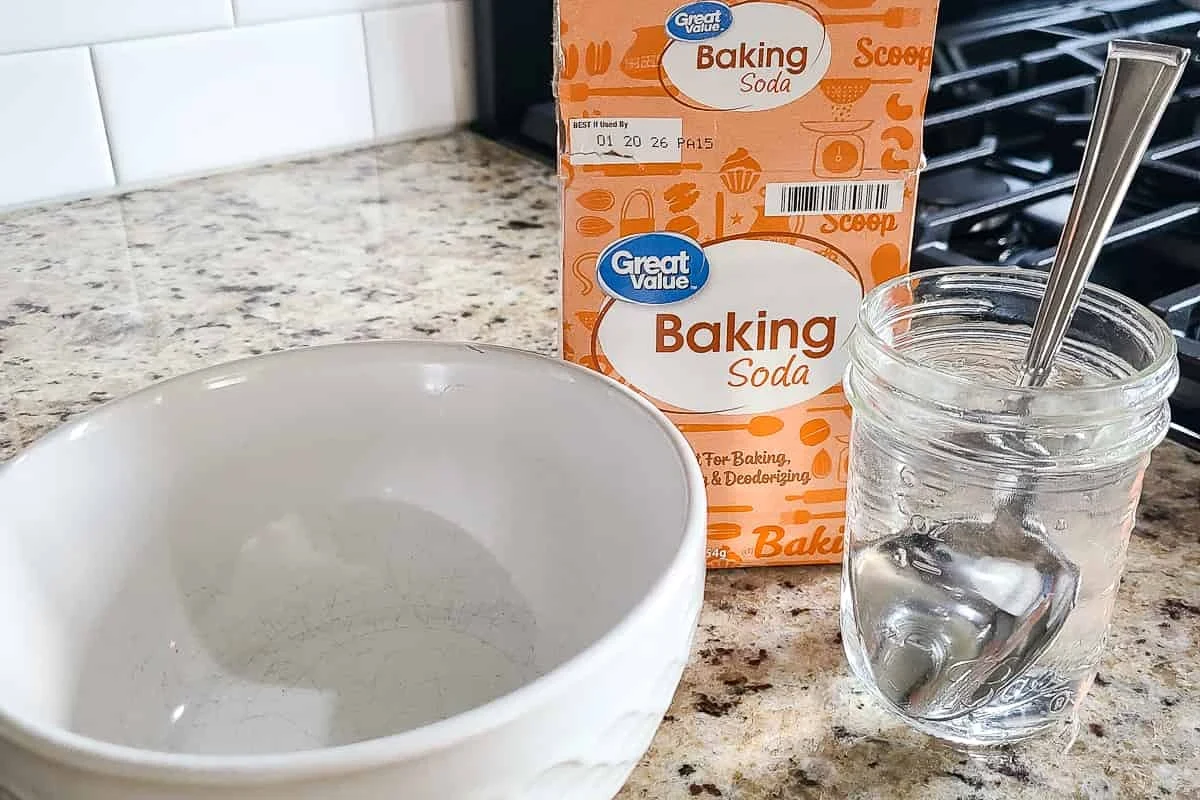
Baking soda paste is exactly what it sounds like: baking soda blended with a small amount of liquid until it becomes thick enough to spread. People usually search for it when they want a low-cost, easy household remedy that does not require a special product.
It is often used for light cleaning jobs, but some people also look for it in skin-care or deodorizing contexts. For that reason, it helps to be clear about what it can do well and where it should not be used.
Common household, cleaning, and skin-use intentions behind the search
Most searches are about cleaning sinks, stovetops, grout, or stuck-on residue. Others want a paste for scrubbing odors from containers, removing surface stains, or freshening areas that need gentle abrasion.
Some people also ask about skin use, usually because baking soda is inexpensive and easy to find. That said, skin can be sensitive, so any personal-use application should be approached carefully and not treated as a universal remedy.
How this simple paste differs from dry baking soda or baking soda solutions
Dry baking soda works like a powder cleaner, but it can fall off vertical surfaces and spread unevenly. A paste clings better, so it stays where you put it and gives the baking soda more contact time with the mess.
A baking soda solution is more diluted, so it is easier to rinse but usually less useful for scrubbing. If you want more friction and better spot treatment, paste is the better format.
Baking soda is mildly abrasive and alkaline, which is why it can help with odor control and light cleaning without needing harsh scrubbing in many cases.
Ingredients and Tools You Need for a Reliable Paste
You do not need much to make this mixture. In most cases, the best version is the simplest one: baking soda plus a small amount of liquid, mixed until it holds together.
Choosing the right baking soda: standard, aluminum-free, or food-grade
For cleaning, standard baking soda is usually enough. If the package says food-grade, that is also acceptable, since it is still sodium bicarbonate and is commonly used in kitchens.
Aluminum-free labels are more common in personal-care products than in cleaning needs, but they do not change the basic paste-making method. The most important point is to use a fresh, dry product without clumps from moisture.
Best liquid options for the job: water, vinegar cautions, and optional add-ins
Water is the safest and most predictable liquid for most baking soda paste uses. It gives you control over thickness and avoids extra chemical reactions that can reduce the paste’s staying power.
Vinegar is not a good default choice for paste because it reacts with baking soda and creates fizz, which can thin the mixture quickly. If you are curious about how baking soda behaves in different home tasks, our guide on the baking soda trick that actually works fast and easy gives more context on why simple combinations often perform best.
Some people add a drop of mild dish soap for extra cleaning power, but that is optional. If you do add anything, keep it minimal so the paste remains easy to spread and easy to rinse.
Simple tools for measuring, mixing, and storing the paste
A spoon and a small bowl are enough for a one-time batch. If you plan to keep a little on hand, choose a lidded container that can be labeled clearly.
How to Make Baking Soda Paste Step by Step
The fastest method is also the easiest: start with baking soda, add a little water, and mix until the texture looks like thick frosting or soft toothpaste. It should hold together without running.
Recommended starting ratio and how to adjust thickness
A practical starting point is 3 parts baking soda to 1 part water, then adjust as needed. Because brands and humidity can affect texture, you may need slightly more or less liquid.
If the paste is too dry and crumbly, add water a few drops at a time. If it becomes too loose, stir in more baking soda until it thickens again.
Mixing method for a smooth, lump-free paste
Put the dry baking soda into a small bowl so you can control the texture from the start.
Add a small amount of water and stir after each addition. This helps prevent a runny mix.
Press out dry pockets against the side of the bowl until the paste looks even and spreadable.
Mixing slowly matters because baking soda absorbs liquid quickly. If you pour too much at once, you may overshoot the texture and end up with a thin slurry instead of a paste.
How to tell when the texture is correct for cleaning or spot use
The right paste should cling to a spoon and stay in a mound for a moment before settling. For cleaning, it should spread easily but not drip off the surface.
If you are using it on a vertical area like grout or a cabinet edge, a slightly thicker paste usually works better. For a flat sink or countertop spot, a medium-thick paste is easier to spread evenly.
Humidity, measuring style, and the fineness of the baking soda can all change how much liquid you need. A few extra drops can make a big difference.
Ingredient Roles and What Each One Does
Understanding the role of each ingredient makes it easier to fix the mix when the texture is off. It also helps you decide whether any add-ins are actually useful.
Why baking soda provides scrubbing power and odor control
Baking soda has a mild abrasive quality, so it can help loosen residue without the harshness of stronger scouring powders. Its alkaline nature also helps neutralize some odors, which is why it is common in refrigerators, trash bins, and drains.
That does not mean it removes every stain or smell. It is best for light to moderate buildup, not deeply set damage or heavy grease.
How liquid amount changes spreadability, cling, and cleaning strength
Less liquid creates a thicker paste that clings better and stays put longer. More liquid makes spreading easier, but it also reduces how well the paste grips the surface.
For most cleaning jobs, cling matters because it gives the baking soda more time to work on the spot. Think of it as a balance between spreadability and staying power.
When optional ingredients help and when they create problems
Optional ingredients can be useful in small amounts, but they can also make the paste less stable. Vinegar, for example, causes fizzing and can break down the paste too quickly for spot cleaning.
A tiny amount of dish soap may help lift greasy residue, but too much can leave a slippery film. When in doubt, keep the recipe simple unless you have a specific cleaning reason to change it.
Do not mix baking soda with bleach or other strong cleaners unless a product label specifically says it is safe. Follow manufacturer directions and basic ventilation guidance for any cleaning chemical used in the home.
Best Ways to Use Baking Soda Paste Safely and Effectively
Baking soda paste is most useful when you apply it to the right surface, let it sit briefly, and remove it without aggressive scrubbing. A gentle approach usually gives better results and lowers the risk of damage.
Practical examples for sinks, grout, stovetops, and stubborn residue
For sinks, the paste can help lift water marks, soap film, and light stains. On grout, it may loosen surface dirt when worked in gently with a soft brush.
On stovetops, it can help with cooked-on spots, especially if the surface has cooled first. It can also be useful on sticky residue from labels, jars, or dried spills.
If you also use appliance-based kitchen tools, it is worth reading surface-specific guidance before cleaning around them. For example, our article on air fryer liners covers how liners affect cleanup and airflow, which can matter when you are trying to reduce residue in the first place.
How long to let it sit before wiping or rinsing
For many light cleaning jobs, a short wait of a few minutes is enough. If the residue is stubborn, you can let it sit a little longer, but do not let it dry completely on delicate surfaces.
Once the paste has had time to work, wipe with a damp cloth or soft sponge and rinse well. Dry the area afterward so no powdery film remains.
Materials and surfaces where extra caution is needed
Use extra care on polished stone, soft plastics, coated finishes, and any surface that scratches easily. Even though baking soda is milder than many cleaners, it is still abrasive enough to leave marks if rubbed hard.
When you are unsure, test a hidden spot first. That is especially important on specialty finishes, old fixtures, and anything with a manufacturer care warning.
Always let hot pans, stovetops, and appliances cool before cleaning with paste. Applying any wet mixture to a hot surface can cause splatter, steam, or surface damage.
Common Mistakes When Making or Using Baking Soda Paste
Most problems come from texture, pressure, or the wrong surface. Fortunately, these mistakes are easy to avoid once you know what to watch for.
Making it too runny or too dry
The paste slides off the spoon, or it turns into a dry, crumbly mass that will not spread.
Add baking soda a little at a time if it is too thin, or add water drop by drop if it is too stiff. Stir between each adjustment.
Small changes matter. It is easier to correct a batch with tiny additions than to rescue one that has become too watery.
Rubbing too hard on delicate surfaces
Scrubbing harder does not always clean better. On delicate surfaces, extra pressure can create dull spots, scratches, or worn finish lines.
Let the paste do part of the work, then wipe gently. If buildup remains, repeat the process instead of increasing force right away.
Using it on incompatible materials or mixing it with the wrong cleaners
Some materials simply do not tolerate abrasive cleaning well. Avoid using baking soda paste on surfaces that are known to scratch easily unless you have checked care instructions.
Also avoid combining it casually with other cleaners. If a product label gives specific directions, follow those directions instead of improvising.
- Test a hidden area first
- Use a soft cloth or sponge
- Rinse and dry after cleaning
- Using strong pressure on fragile finishes
- Mixing with bleach
- Letting paste dry on sensitive surfaces
Storage, Freshness, and Safety Considerations
Fresh paste is usually the best choice because it is quick to make and easy to adjust. If you do store some, keep it simple and clearly labeled.
How long homemade paste keeps and when to discard it
Because this paste is mostly baking soda and water, it does not have a long shelf life like a commercial cleaner. Over time, it can dry out, harden, or pick up contamination from the container or utensils.
If it changes smell, texture, or appearance, discard it and make a fresh batch. For most households, making a new small batch is easier than trying to revive an old one.
Best containers and labeling for household storage
A small lidded jar or plastic container works well if you want to keep a little paste on hand. Label it clearly so it is not confused with food or another household product.
Keep the lid closed when not in use to reduce drying and accidental spills. Store it away from heat and out of reach of children and pets.
Safety notes for skin contact, eyes, pets, and food-prep areas
Baking soda paste is not a substitute for medical advice or treatment. If you plan to use it on skin, be cautious, avoid broken or irritated areas, and stop if discomfort occurs.
Avoid contact with eyes, and wash hands after handling the paste. If it is used in a food-prep area, rinse the surface thoroughly so no residue remains where food will touch.
Keep it away from pets, especially if it contains any added cleaners or soaps. When in doubt, store cleaning mixtures separately from pantry ingredients.
Final Recommendation: When Baking Soda Paste Is the Right Choice
Baking soda paste is the right choice when you want a simple, low-cost cleaner for light scrubbing, odor control, and spot treatment. It works best when the paste is fresh, thick enough to cling, and used with gentle pressure on a suitable surface.
When to use a fresh homemade paste versus a commercial cleaner
Choose a homemade paste for quick household tasks, small messes, and situations where you want a simple ingredient list. Choose a commercial cleaner when the surface manufacturer recommends a specific product, when the stain is severe, or when sanitation requirements are stricter.
If you want more home-cleaning ideas that stay practical and straightforward, our related guide on air fryer safety concerns is useful for understanding why appliance care and surface care both depend on following the right instructions.
Recap of the fastest method and the most important usage rules
The fastest method is to mix baking soda with a little water until it becomes a thick, spreadable paste. Start with a small batch, adjust the texture slowly, test delicate surfaces first, and avoid mixing it with incompatible cleaners.
Used this way, baking soda paste is one of the simplest cleanup tools you can keep in the kitchen and around the house.
For most beginners, a fresh baking soda paste made with baking soda and water is the easiest and safest version to start with. Keep it thick, use it gently, and rely on surface-specific instructions whenever the material is delicate or the mess is more serious than light residue.
Frequently Asked Questions
A common starting point is 3 parts baking soda to 1 part water. Adjust slowly because different brands and humidity can change the texture.
Water is the better default for baking soda paste. Vinegar reacts with baking soda and can make the mixture fizz and thin out too quickly.
It should be thick enough to cling to a spoon and stay on the surface without running. Think of a soft toothpaste or thick frosting texture.
Avoid delicate, easily scratched, or manufacturer-restricted surfaces unless you test a hidden spot first. When in doubt, check the care instructions for that material.
It is best used fresh, since it can dry out or pick up contamination over time. If it changes smell, texture, or appearance, discard it and make a new batch.
Some people use it on skin, but it should be done cautiously because skin can be sensitive. Avoid broken or irritated skin, and stop if it causes discomfort.

