Baking soda can freshen rugs by reducing light surface odors, but it works best on dry, shallow smells. For deep pet, mold, or spill odors, you usually need a stronger cleaner or professional treatment.
Rug deodorizer baking soda is a simple, low-cost way to reduce light carpet odors before they settle deeper into the fibers. It works best as a dry deodorizing step, not as a replacement for washing, stain removal, or true deep cleaning.
- Best use: Light, surface-level rug odors and routine refreshes.
- Main limit: It will not fix deep contamination in padding or backing.
- Safe method: Apply a thin layer, let it sit, then vacuum slowly and thoroughly.
- Watch for: Haze, residue, vacuum strain, and moisture-related odor return.
- Upgrade when needed: Use enzyme cleaners or professional care for pet accidents, mold, or soaked spills.
What Rug Deodorizer Baking Soda Actually Does in Carpets and Rugs
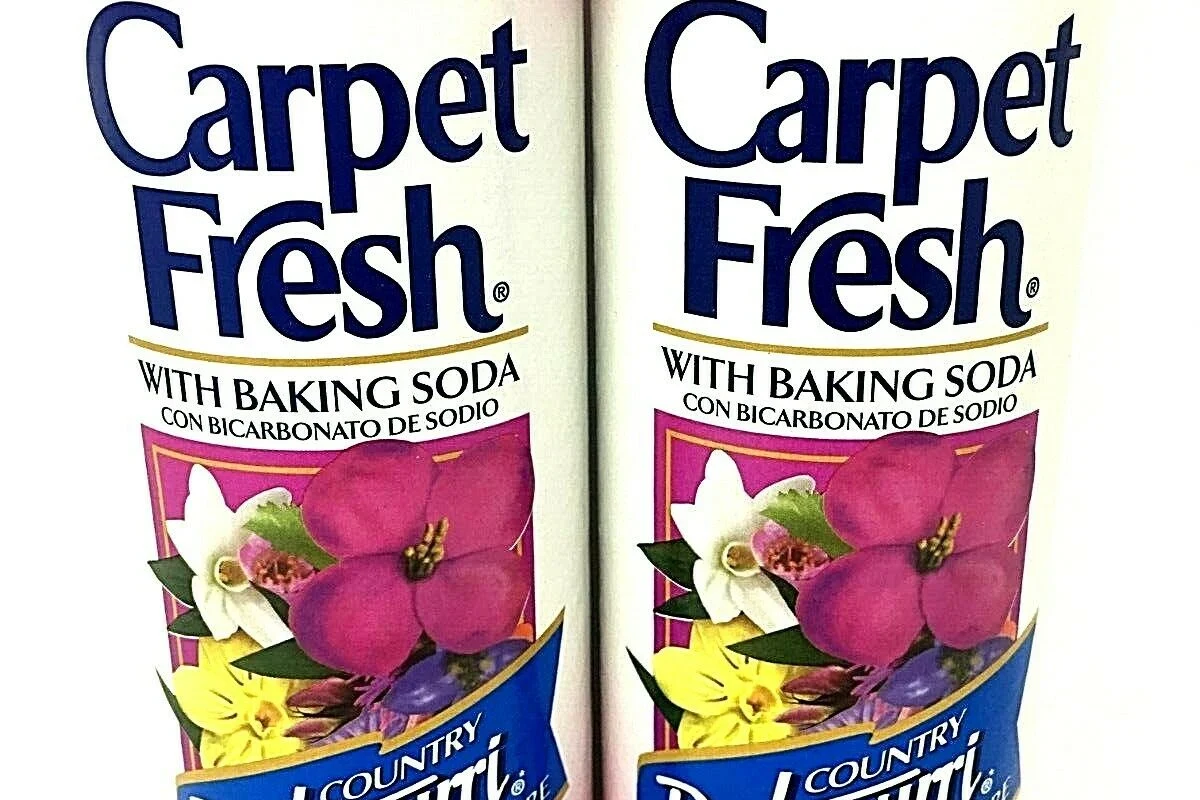
Baking soda helps with odor control because it can interact with some acidic odor compounds and absorb moisture on the surface. That is different from perfume-based products, which mostly cover smell for a short time. For a broader look at the chemistry behind this pantry staple, see our baking soda trick that actually works fast and easy.
How baking soda neutralizes odor instead of just masking it
When a rug smells stale, the odor is often coming from particles left behind by spills, pets, smoke, or humidity. Baking soda can help reduce the smell by shifting some odor-causing compounds and drying the surface a bit, which makes the area less “active” to your nose.
It is important to keep expectations realistic. Baking soda does not remove the source of every odor, especially if the smell is coming from padding, backing, or a hidden spill that has soaked through.
Dry deodorizing works best when the odor is in the upper fibers. Once moisture, bacteria, or residue reaches the pad underneath, a surface treatment alone may only give a temporary improvement.
Which household smells it helps most: pets, smoke, food, mustiness, and spills
Rug deodorizer baking soda is most useful for light to moderate household odors: pet smells, kitchen traffic, mild smoke, musty rooms, and the lingering scent after a small spill has already been blotted and dried. It can also freshen rugs that simply need a routine reset between deeper cleanings.
It is less effective on strong urine odor, spoiled food, mildew, or long-standing smoke damage. Those situations usually need a cleaner that targets the source, not just the smell.
- Inexpensive and easy to find
- Works without adding heavy fragrance
- Useful for light refreshes between cleanings
- Does not fix deep contamination
- Can leave residue if overused
- May strain some vacuums if not fully removed
When Baking Soda Works Best and When It Falls Short
The best results usually come from dry, surface-level odors on rugs that can be vacuumed thoroughly. If you are dealing with a small area rug, a hallway runner, or a bedroom carpet that only smells a little stale, baking soda is often a practical first step.
Best rug types and pile conditions for deodorizing success
Low- to medium-pile rugs tend to respond better because the powder can reach the upper fibers and vacuum out more easily. Flatweave rugs, synthetic area rugs, and wall-to-wall carpet with a fairly open pile are usually easier to treat than dense shag or very plush rugs.
Shorter pile also means less product gets trapped. That matters because trapped powder can dull the look of the rug and make vacuuming harder.
Texture matters as much as odor level. A thick rug may seem like it “needs more” baking soda, but using more often creates cleanup problems instead of better deodorizing.
Situations where deep cleaning, enzyme cleaners, or professional treatment are better
If the odor comes from urine, vomit, food grease, mold, or a spill that soaked into the backing, baking soda is usually only a temporary fix. Enzyme cleaners are often a better match for organic messes because they help break down the residue that keeps generating smell.
For antique rugs, wool heirlooms, or anything with water damage, professional rug care may be the safer option. In those cases, the wrong cleaner or too much moisture can create more damage than the odor itself.
Common mistakes that make odors return after treatment
The biggest mistake is treating the smell without removing the source. If the rug is still damp, contaminated, or sitting on a pad that absorbed odor, the smell often returns as soon as the room warms up or humidity rises.
Other common issues include using too little dwell time, vacuuming too soon, or leaving a dusty layer behind in corners and along edges. That residue can hold on to odor and make the rug feel chalky.
Do not use baking soda on a damp rug and expect it to solve the problem. Moisture can turn deodorizing powder into a paste, which is harder to remove and less effective at controlling odor.
How to Use Rug Deodorizer Baking Soda Safely and Effectively
The safest approach is a light, even application followed by patient vacuuming. Think of it like dusting a delicate pastry surface: too much pressure or too much product creates a mess instead of a clean finish.
Step-by-step surface application for area rugs and wall-to-wall carpet
Remove loose dirt, hair, and crumbs before adding baking soda. Powder works better on a cleaner surface and is less likely to bind with debris.
Use a fine, even dusting across the odor area rather than thick piles. A shaker top or sieve can help distribute it more evenly on rugs and carpet.
Allow time for the powder to work on the surface odor. Keep pets and children away from the treated area until you vacuum.
Use slow passes in multiple directions so the vacuum can lift powder from the fibers instead of skimming over the top.
Recommended dwell time, vacuuming method, and repeat-treatment timing
There is no single perfect dwell time for every rug, because odor strength, humidity, and pile depth all matter. A longer rest usually helps, but leaving powder on for too long can be inconvenient on high-traffic rugs and may not improve results much after the surface is already saturated with powder.
Vacuum slowly and overlap your passes. If the rug still smells afterward, wait until it is fully dry and re-evaluate the source before repeating the treatment.
How much to use without overloading fibers or vacuum filters
Use enough to lightly coat the area, not enough to create a white layer you can feel underfoot. Overloading the fibers can clog vacuum filters and make cleanup less effective, especially on fine-pile rugs or older machines with smaller dust bins.
If your vacuum tends to lose suction quickly, test a small section first. That is especially smart if you are treating a large room or a rug with a dense weave.
Keep the powder away from open flames, hot appliances, and wet electrical cords during cleanup. While baking soda is common and low-risk, dust plus moisture plus electricity is a bad combination.
Ingredient and Safety Considerations for Homes in 2026
Plain baking soda is not the same as scented carpet powder or a mixed deodorizer product. The simple version is predictable and usually easier to control, while fragranced blends may leave perfume residue or contain additives that are not ideal for sensitive households.
Why plain baking soda is different from scented or mixed deodorizer products
Plain baking soda has one main job: odor control with minimal residue. Scented products often rely on fragrance to create the impression of freshness, which may not help if the original odor source is still present.
If you prefer a cleaner, less perfumed result, plain baking soda is usually the safer starting point. It also makes troubleshooting easier because you know exactly what you applied.
Pet, child, allergy, and asthma considerations
For homes with pets or young children, the main concern is not baking soda itself so much as access and residue. Keep treated areas off-limits until the powder is fully vacuumed, and store the box out of reach.
People with allergies or asthma may be sensitive to fine dust, even from a common pantry ingredient. If that applies in your home, use a lighter application, ventilate the room, and vacuum carefully; for serious concerns, check with a qualified professional or follow product-label guidance.
- Use plain, unscented baking soda for predictable results
- Ventilate the room during and after treatment
- Vacuum slowly with a clean filter
- Mixing it with random cleaners
- Using it on a wet or moldy rug
- Leaving heavy residue in corners and fringes
Precautions for wool, delicate fibers, moisture-prone rugs, and antique textiles
Wool and antique textiles deserve extra caution because texture, dye stability, and backing materials can vary a lot. Always check the care label or manufacturer instructions first, and spot-test in an inconspicuous area if you are unsure.
Moisture-prone rugs, such as those in basements or near entryways, may need the source of dampness fixed before any deodorizing step will hold. If the rug smells musty, the room conditions may be part of the problem.
Choosing the Right Application Method for Your Rug Type
The best method depends on the rug’s construction and the type of odor. A light refresh, a targeted spot treatment, and a combined cleaning approach all have different uses.
Light dusting for routine refreshes
For routine deodorizing, a light dusting over the whole rug is usually enough. This works well for rooms that smell a little stale after normal foot traffic, especially when paired with regular vacuuming.
Spot deodorizing for localized odors and spills
If the smell is in one area, target only that section after blotting and drying the spill. Spot treatment reduces the risk of overloading the entire rug and makes it easier to see whether the odor source is actually gone.
This is often the best approach for pet accidents, a dropped food spill, or a small patch near a doorway. If the smell keeps returning in the same spot, the backing or pad may need deeper treatment.
Combining baking soda with vacuuming, dry brushing, or steam cleaning
Baking soda works best as part of a cleaning sequence, not as the entire sequence. Vacuum first, use the powder for odor control, then vacuum again thoroughly so the fibers are left clean and open.
For some rugs, dry brushing can help loosen trapped powder from the pile before vacuuming. Steam cleaning may be useful for some carpet types, but follow the rug manufacturer’s guidance because too much heat or moisture can damage delicate materials.
Storage, Cleanup, and Vacuum Compatibility
Good cleanup matters as much as the deodorizing step itself. If the powder is not stored and removed properly, you can end up with clumps, cloudy residue, or a vacuum that works harder than it should.
How to store baking soda so it stays dry and clump-free
Keep baking soda sealed in a dry container and away from humidity. A box left open in a laundry room or basement can absorb moisture and clump, which makes it spread unevenly on rugs.
If it looks lumpy or smells stale before use, replace it. Fresh, dry powder is easier to distribute and vacuum out.
Vacuum bag, canister, and filter issues to watch for
Powder can fill filters faster than normal dust, especially when you apply too much at once. Bagless canisters may need emptying sooner, and some vacuums lose suction if the filter starts to cake with fine particles.
Check the vacuum manual if you are unsure whether fine powder is acceptable for your model. Manufacturer guidance matters more than general cleaning advice when the machine is older or has a specialty filter.
Cleaning up residue from edges, fringes, and high-traffic zones
Edges, fringes, and doorways often hold onto powder longer than the center of the rug. Use a brush attachment or a gentle hand brush to lift residue from those spots before vacuuming again.
High-traffic zones may need a second pass because the powder can get pressed deeper into the pile. If the rug still looks dull after vacuuming, stop and reassess rather than adding more product immediately.
Common Problems, Troubleshooting, and Practical Examples
Most problems with rug deodorizer baking soda come from using too much, not waiting long enough, or treating the wrong kind of odor. A small adjustment usually works better than a bigger dose.
Why odors persist after one treatment and how to adjust the process
If the odor remains, the source may be beneath the surface or inside the rug pad. In that case, repeat the process only after the rug is fully dry and clean, or switch to a product designed for the specific stain type.
Sometimes the room itself is the issue. If the space has poor airflow or high humidity, even a clean rug can pick up a stale smell again quickly.
The rug still smells after vacuuming.
Check for a hidden spill, damp padding, or pet accident below the surface. Use a deeper cleaning method if the odor source is not just in the top fibers.
What to do if baking soda leaves a haze, dullness, or texture change
A haze usually means too much powder was left behind or the vacuum did not reach deep enough into the pile. Go back with slow vacuum passes, then brush the fibers lightly if the rug allows it.
If the texture feels stiff, the rug may need a second vacuuming after a short rest. Delicate rugs should be handled carefully to avoid pulling fibers or loosening fringe.
Real-world examples: pet room, basement rug, kitchen runner, and guest room refresh
In a pet room, baking soda can help with light daily odor, but repeated accidents usually call for an enzyme cleaner first. For a basement rug, it may reduce stale smell temporarily, but humidity control is the real long-term fix.
A kitchen runner often benefits from spot deodorizing after food spills, while a guest room rug may only need a quick refresh before visitors arrive. If you are comparing different household odor-control methods, our review of whether air fryers are worth it shows the same general rule: the best tool depends on the job, not just convenience.
For deeper odor issues tied to appliance areas or kitchen cleanup, it can also help to think about airflow and residue control the way you would when reading about whether air fryers are dangerous—good results come from safe use and the right setup, not from pushing a product beyond its limits.
Final Verdict: Is Rug Deodorizer Baking Soda the Right Choice for Fresh Carpets?
For budget-friendly odor control, rug deodorizer baking soda is a smart first-line option when the smell is light, dry, and sitting mostly in the surface fibers. It is simple, affordable, and easy to repeat when used sparingly and vacuumed thoroughly.
Best-use recap for budget-friendly odor control
Use it for routine refreshes, mild pet odors, stale carpet smells, and small dry spills that have already been cleaned up. Keep the layer thin, give it enough time to work, and remove it completely with a careful vacuuming.
When to upgrade to stronger cleaners or professional rug care
Upgrade when the odor is wet, persistent, or clearly tied to urine, mold, padding, or deep contamination. In those cases, baking soda can still be part of the process, but it should not be the only solution.
Rug deodorizer baking soda is best for light, surface-level freshness and routine maintenance. When the odor source is deeper than the fibers, move to an enzyme cleaner, deep cleaning, or professional rug care for a more lasting result.
Frequently Asked Questions
Use a light, even dusting rather than a thick layer. Too much can be hard to vacuum and may leave residue in the fibers.
Yes, if the rug is dry and the area is safe to keep off-limits. Just make sure you vacuum thoroughly afterward so no powder remains.
It may help with mild surface odor, but urine often soaks deeper into the rug and pad. Enzyme cleaners or professional cleaning are usually better for lasting odor control.
Wool can be more delicate, so check the care label first and spot-test in a hidden area. If you are unsure, use a gentler cleaning method or consult a rug professional.
The odor source may still be in the backing, padding, or a hidden spill. In that case, a surface deodorizer alone will not fully solve the problem.
Use it as needed for light refreshes, but avoid constant heavy applications. If the smell keeps coming back, it is better to find and treat the source than to keep adding more powder.
