
Rust Removal Baking Soda Vinegar Guide That Actually Works
Baking soda and vinegar can remove light surface rust when used in the right order, with vinegar first and baking soda second. The method works best on small metal items that can be rinsed, dried, and protected right away.
Rust removal with baking soda and vinegar can help with light to moderate surface rust, especially on small kitchen tools and hand tools. It is not a miracle fix for deep corrosion, but used in the right order, it can clean metal safely and cheaply.
- Best use: Light rust on small metal items and tools.
- Key step: Use vinegar to loosen rust, then baking soda to scrub and neutralize.
- Main limit: Deep pitting and heavy corrosion usually need a stronger solution.
- Most important aftercare: Rinse, dry fully, and protect the metal from moisture.
What Rust Removal with Baking Soda and Vinegar Can Actually Do
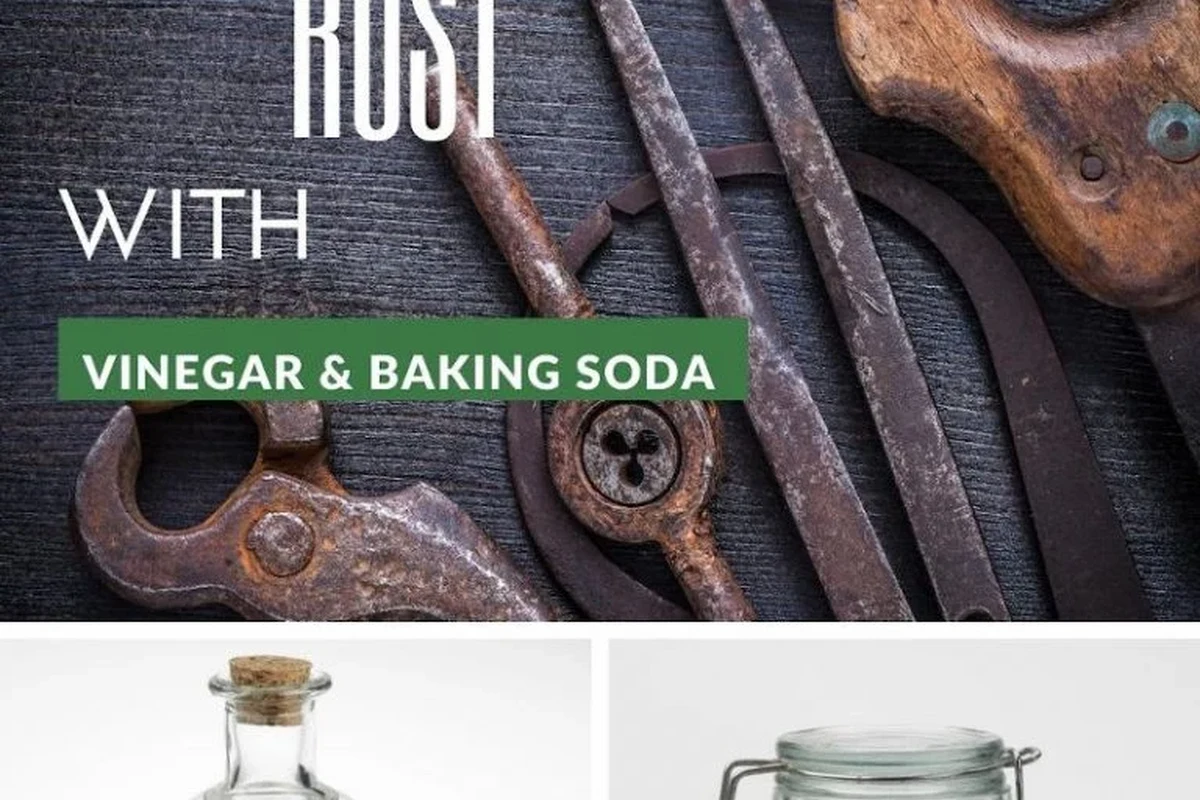
This method is best for surface rust, the kind that looks orange-brown and flaky but has not deeply eaten into the metal. It works well on items you can clean, rinse, and dry right away, such as baking sheets, utensils, small hardware, and some tools.
If you want a broader overview of how a simple alkaline cleaner can help with kitchen cleanup, our baking soda trick that actually works article explains why this ingredient is so useful in everyday maintenance.
Which surfaces and rust levels respond best
Light rust on stainless steel, carbon steel, cast iron, and uncoated iron usually responds better than rust that has formed thick scales or deep pits. Smooth surfaces are easier to restore because the rust sits on top instead of inside scratches and holes.
Small items also give you more control. You can watch the rust soften, scrub gently, and stop before the metal finish is damaged.
Where this method falls short compared with commercial rust removers
Baking soda and vinegar are useful for maintenance-level rust, but they are slower than commercial rust removers designed to dissolve oxidation more aggressively. Deeply pitted rust, structural damage, and rust on valuable tools may need a stronger product or professional restoration.
- Low cost and easy to find
- Good for light rust and spot cleaning
- Gentler than many harsh chemicals
- Slower than specialty removers
- Not ideal for deep corrosion
- Can leave metal vulnerable if not dried well
How Baking Soda and Vinegar Work Together in Rust Removal
The key is not that they are magical when mixed. They work best as two different tools used in sequence: vinegar helps loosen rust, and baking soda helps scrub, neutralize residue, and reduce lingering acid.
The role of baking soda as a mild abrasive and neutralizer
Baking soda has a fine, gentle texture that can help lift loosened rust without scratching as aggressively as a rough pad. It also helps neutralize leftover vinegar, which matters because acid left on metal can keep working longer than you want.
Rust is a form of oxidation. Once metal is cleaned, moisture and oxygen can start the process again quickly unless the surface is dried and protected.
The role of vinegar as an acid that helps loosen oxidation
Vinegar contains acetic acid, which can help break down the bond between rust and metal. That makes the rust easier to scrub away, especially when the corrosion is thin and mostly on the surface.
Acid is helpful, but more is not always better. Too much soaking can dull some finishes, especially on softer metals or decorative pieces.
Why timing and sequence matter more than mixing them blindly
When baking soda and vinegar are mixed together at the start, they fizz, but much of that reaction is spent neutralizing each other. For rust removal, it is usually more effective to use vinegar first, then baking soda afterward for scrubbing and cleanup.
Think of it like a staged process rather than one all-in mixture. That approach gives you more control and usually better results.
Materials, Tools, and Safety Checks Before You Start
Before you begin, gather the right supplies and check whether the item can handle acidic cleaning. A few minutes of prep can prevent finish damage and make the rust easier to remove.
Best supplies for small household rust jobs
For most home jobs, white vinegar, baking soda, a soft cloth, and a non-scratch scrub pad are enough. A toothbrush can help with seams, screw heads, and textured areas where rust hides.
A clean towel matters more than people expect. Drying immediately is part of the rust removal process, not an optional final step.
Surface compatibility: metal, cast iron, tools, chrome, and painted finishes
Uncoated metal and many hand tools are usually the easiest to treat. Cast iron can be cleaned this way, but it needs careful aftercare so you do not strip seasoning more than necessary.
Chrome, painted finishes, plated items, and decorative surfaces need extra caution. Vinegar can dull or affect some coatings, so test in a hidden spot first.
Do not use vinegar on unknown finishes without a small test spot. If the item is food-contact equipment, follow manufacturer guidance and clean thoroughly before using it again.
Safety precautions for fumes, gloves, ventilation, and delicate finishes
Vinegar fumes are mild compared with harsh cleaners, but ventilation still helps, especially in a small kitchen. Wear gloves if you have sensitive skin or if you are handling rusty edges that may be sharp.
Never mix vinegar with bleach or other cleaners. That can create dangerous fumes, which is a safety issue in any kitchen or workshop.
Use a stable work surface, keep the item away from children and pets, and dry the metal fully before storing it. Damp metal can flash rust surprisingly fast, sometimes within minutes.
Step-by-Step Rust Removal Method That Actually Works
This method is simple, but the order matters. Start with cleaning, then use vinegar to loosen rust, then baking soda to scrub and neutralize, and finish with fast drying.
Wash off dirt, grease, and loose corrosion first. Rust remover works better when it can reach the oxidation directly instead of fighting old oil or food residue.
Use vinegar as a soak for small removable items or as a wet cloth for spot treatment. Let it sit just long enough to loosen the rust, not long enough to damage the finish.
Make a paste with a little water, or sprinkle baking soda on a damp cloth or pad. Scrub gently to lift the softened rust without gouging the metal.
Rinse away residue, then dry the item immediately and completely. If needed, finish with a thin protective coat of oil or manufacturer-approved protectant.
Surface prep: cleaning dirt, grease, and loose corrosion first
Loose dirt can hide how much rust is actually there. A quick wash with warm water and mild soap makes the treatment more predictable and keeps you from scrubbing grit into the surface.
If the rust is flaky, remove only the loose parts first. That gives the vinegar better contact with the rust that is still attached.
Application methods for soaking, pasting, or spot treatment
For small removable items like screws or tools, a vinegar soak in a nonreactive container can work well. For larger items, a vinegar-soaked cloth or paper towel held on the rust spot is safer than flooding the entire surface.
For stubborn spots, a baking soda paste can stay in place longer and give you more scrubbing control. This is especially useful when you do not want liquid to spread into seams or handles.
If the item is cast iron, keep the treatment targeted. Long soaking may remove more seasoning than you intended, so short contact times are usually the safer choice.
Scrubbing, dwell time, and how to know when to repeat the process
Let the vinegar do some of the work first. When the rust looks darker, softer, or easier to rub off, use a gentle pad or brush and stop if the metal starts to look scratched.
If rust remains after the first pass, repeat the process rather than pressing harder. Multiple gentle rounds are usually safer than one aggressive scrub.
Rinsing, drying, and immediate post-cleanup to prevent flash rust
Rinse thoroughly so vinegar and baking soda do not stay on the metal. Then dry right away with a towel and, if possible, a little warm air from a fan or low heat source held at a safe distance.
For tools and cookware, a thin layer of oil or a protective coating can help slow future corrosion. The exact product depends on the item and its intended use, so check manufacturer guidance for food-contact surfaces.
Common Mistakes That Make Rust Come Back Faster
Most rust-removal failures happen after the cleaning step, not during it. If the metal is left damp, over-scrubbed, or overexposed to acid, the problem can return quickly.
Using too much vinegar on sensitive metal
Vinegar is useful, but prolonged contact can dull finishes or create uneven results. Sensitive metals and plated surfaces should be treated briefly and checked often.
Skipping drying and protective oil or coating
This is the most common reason rust returns. Even if the surface looks clean, a little leftover moisture can restart oxidation fast.
Expecting deep pitted rust to disappear in one pass
Deep pits are physical damage, not just surface staining. Cleaning can improve the look and slow further corrosion, but it may not restore the metal to like-new condition.
Damaging finishes by over-scrubbing or using the wrong pad
Steel wool and abrasive pads can be too harsh for some finishes, especially chrome, enamel, and coated cookware. Start with the softest effective tool and move up only if needed.
- Test in a hidden spot first
- Use gentle pressure
- Dry immediately after rinsing
- Protect the cleaned metal
- Leaving metal to soak too long
- Using harsh pads on delicate finishes
- Mixing cleaners together
- Storing the item while still damp
Practical Examples for Everyday Rust Problems
The same basic method can solve several common household issues. The main difference is how much acid contact the item can tolerate and how careful you need to be with the finish.
Removing light rust from baking sheets, utensils, and hand tools
For baking sheets and utensils, a vinegar dampening step followed by a baking soda scrub is often enough for light rust. Wash the item well afterward so no residue affects food use.
Hand tools usually tolerate a little more scrubbing than cookware, but they still need drying and protection. If you use tools often, a light oiling afterward can help keep the metal in better shape.
Treating cast-iron spots without stripping the seasoning completely
Cast iron needs special care because seasoning is part of what protects the pan. Use the rust method only on the affected spot, keep the contact time short, and avoid soaking the whole pan unless the rust is widespread.
After cleaning, dry the pan thoroughly and re-oil it according to the care instructions for that cookware. If you want more cast-iron care context, our best air fryer liners article is not about rust, but it shows the same principle of choosing the right protective barrier for the right surface.
Handling rust on small hardware, screws, and appliance parts
Small hardware is often the easiest to restore because it can be soaked and brushed in a controlled way. Screws, brackets, and removable appliance parts usually respond well if the rust is still mostly on the surface.
For appliance parts, follow the manufacturer’s cleaning instructions first. If the part has electrical components or coatings, do not soak it unless the maker says it is safe.
When to Use Baking Soda and Vinegar vs. a Stronger Rust Solution
Choose the DIY method when rust is light, the item is replaceable, and you want a low-cost cleanup. Choose a stronger solution when the item matters more than the time you spend restoring it.
Signs the DIY method is enough for maintenance-level rust
If the rust is thin, the metal is still solid, and the item looks better after one or two gentle rounds, this method is probably enough. You should also see the surface dry cleanly without new orange spotting after storage.
Cases that need commercial removers, sanding, or replacement
If rust is deep, flaky, spreading under a coating, or affecting a structural part, a stronger approach may be needed. Sanding, specialty removers, or replacement is often more practical when the metal has already been weakened.
For food-contact items, use only cleaners and restoration steps that are appropriate for kitchen use. If you are unsure, check the item’s care instructions or choose replacement over risking contamination or finish damage.
How to choose the safest option for food-contact items and valuable tools
For baking pans, utensils, and other food-contact items, prioritize safety, rinseability, and manufacturer guidance over speed. For valuable tools, consider whether the rust is cosmetic or whether it affects performance, grip, or safety.
If an item is inexpensive and deeply corroded, replacement may be the best choice. If it is well-made and only lightly rusted, careful restoration is often worth trying.
Final Recap: The Best Use Cases, Limitations, and Aftercare
Rust removal baking soda vinegar works best as a gentle cleanup method for light rust on small, manageable items. It is not the strongest rust remover, but it is practical, affordable, and often enough for routine kitchen and tool maintenance.
Use this method for surface rust, spot treatment, and items you can dry and protect right away. If rust is deep, widespread, or tied to a delicate finish, move to a stronger rust solution or replace the item.
Best results to expect from the baking soda and vinegar approach
Expect gradual improvement, not instant perfection. The rust should loosen, scrub away more easily, and leave the surface cleaner if you work in short, careful rounds.
How to protect cleaned metal from future corrosion
Keep metal dry, store it away from moisture, and apply a protective coating when appropriate. In kitchens, that may mean wiping items completely dry before putting them away, especially after washing.
Decision guide for keeping, restoring, or replacing rusty items
Keep and restore items that are structurally sound and only lightly rusted. Replace items that are deeply pitted, unsafe for food contact, or no longer worth the time needed to restore them.
For readers who enjoy practical kitchen cleanup methods, the best long-term habit is simple: clean early, dry fully, and protect the surface before rust gets a second chance.
Frequently Asked Questions
They can remove light surface rust and improve the look of mildly corroded metal. Deep pitting usually needs a stronger method or replacement.
It usually works better to use vinegar first and baking soda afterward. Mixing them too early makes them neutralize each other, which reduces the cleaning effect.
It can be used carefully on small rust spots, but long soaking may remove seasoning. Dry the pan immediately and re-oil it after cleaning.
Rinse the item well, dry it completely, and apply a protective coating if appropriate. This helps prevent flash rust and slows future corrosion.
Only with caution and a test spot first. Vinegar can dull or damage some finishes, so delicate surfaces may need a different cleaner.
Use a stronger product when rust is deep, widespread, or affecting an important tool or structural part. If the item is valuable, check the manufacturer’s care guidance before trying any harsh method.

