
Alkalizing Water With Baking Soda Benefits and Tips
Alkalizing water with baking soda can slightly raise water’s pH and change taste, but the effect is usually modest. It is best used carefully and only when a recipe or preference actually calls for it.
Alkalizing water with baking soda is a simple kitchen practice, but it is often discussed with more claims than clarity. In this guide, the Baking Pastry Schools Editorial Team explains what it actually does, how to make it safely, and when plain water is the better choice.
- Small changes matter: A tiny amount of baking soda can noticeably change taste and pH.
- Measure carefully: Too much can make water salty, chalky, or unpleasant.
- Use it with purpose: It is most useful for specific baking or flavor adjustments.
- Safety comes first: Sodium intake and health concerns can make regular use a poor fit.
What Alkalizing Water With Baking Soda Means in 2026
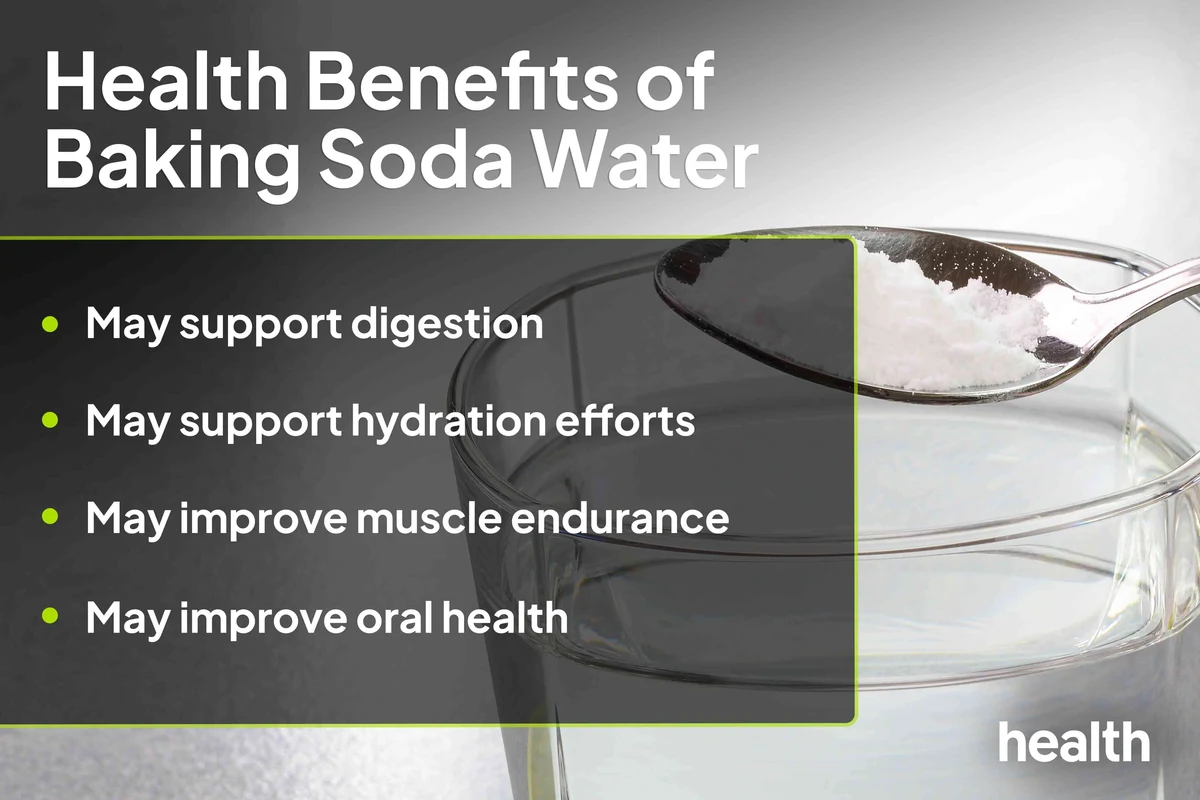
Alkalizing water with baking soda means adding a small amount of sodium bicarbonate to water so the water becomes less acidic. In plain kitchen terms, you are nudging the pH upward, not turning water into a miracle drink.
This matters because baking soda is a mild alkaline ingredient that reacts with acids. It is the same basic chemistry that helps baked goods rise and that can soften sharp flavors in some foods.
How baking soda changes water chemistry
When baking soda dissolves, it releases bicarbonate ions that can neutralize some acidity in the water. The exact result depends on the starting water, the amount added, and how well it dissolves.
Tap water, filtered water, and bottled water do not all start from the same point. That means the same pinch of baking soda can taste different from one kitchen to another.
Why people are searching for this method now
People usually look up alkalizing water with baking soda because they want a low-cost wellness trend, a kitchen science experiment, or a way to adjust water for cooking. Some also want to reduce sourness in beverages or better understand the role of pH in food prep.
Search interest has also grown because home cooks are paying closer attention to ingredient labels and simple pantry solutions. That is useful, but it also makes it easy for claims to spread faster than the evidence behind them.
What this article will and will not cover
This article covers the kitchen science, practical use, safety limits, and flavor effects of baking soda in water. It does not treat alkalized water as a medical treatment or promise health outcomes.
If you are reading for wellness reasons, it is best to separate general kitchen advice from medical advice. For health questions, official guidance from recognized health authorities is more reliable than social media claims.
Baking soda is sodium bicarbonate, and its main kitchen role is to react with acids. That is why it can change both taste and texture in recipes.
Potential Benefits People Look For in Alkalizing Water
People often ask about alkalized water because they hope it may feel gentler, taste smoother, or support general wellness. Those are common goals, but they are not the same as proven medical benefits.
Common wellness claims and what they actually mean
Some claims suggest alkalized water helps balance the body, improve hydration, or reduce acidity. In everyday terms, these claims usually mean people want water that tastes less sharp or feels easier to drink.
That said, the body tightly regulates pH on its own, so a glass of mildly alkalized water is not the same as changing your blood chemistry. For most people, the more realistic effect is taste preference, not a dramatic body-wide change.
Possible uses in baking, cleaning, and household routines
In baking, water with a little baking soda may be useful when a recipe needs a slightly more alkaline environment. That can matter in some batters, doughs, and cocoa-based recipes where acidity affects color or flavor.
In the kitchen, mildly alkalized water may also help cut sour notes in certain drinks or be used in some cleaning routines. If you are interested in ingredient behavior across the kitchen, you may also want to read our guide on why some appliances need preheating, since timing and setup often matter just as much as ingredients do.
When alkalized water may be more of a preference than a necessity
For many households, alkalized water is optional. If your tap water already tastes fine and your recipe does not call for a pH change, plain water is usually the simplest choice.
That is especially true for everyday drinking. A neutral, clean-tasting water is often easier to use consistently than a custom mixture that needs measuring every time.
- Can reduce sharp acidity in water
- May help in certain baking or beverage tasks
- Uses a low-cost pantry ingredient
- Too much can make water taste salty or soapy
- Benefits are often overstated
- Not a good fit for everyone, especially with sodium concerns
How to Make Alkalized Water Safely at Home
The safest approach is to use a very small amount, dissolve it fully, and taste before adding more. If the water is for drinking or a delicate recipe, precision matters more than guesswork.
Choosing the right baking soda
Use plain baking soda, not baking powder. Baking powder contains added acids and starches, so it is not the right ingredient for alkalizing water.
Choose a product meant for food use and check the package for freshness and storage instructions. Baking soda can absorb odors from the pantry, which may affect taste if the container has been open for a long time.
Typical measurements and why exact dosing matters
There is no universal ratio that fits every use. A tiny amount is usually enough, and exact dosing matters because baking soda has a strong effect on taste and sodium content.
Start with a very small quantity for a full glass or pitcher, then adjust only if needed. If you are unsure, it is better to underdo it than to make the water flat, bitter, or salty.
Do not treat baking soda water as a cure-all or use large amounts to “fix” acidity. Too much baking soda can create an unpleasant taste and may add unnecessary sodium to your diet.
Mixing method, dissolving fully, and taste checks
Add the baking soda to the water gradually, then stir until fully dissolved. If any powder settles at the bottom, the mixture is not evenly balanced yet.
Taste a small sip only after the powder is dissolved. The flavor should be mildly softened, not fizzy, chalky, or strongly salty.
Start with the amount you plan to drink or use in a recipe so you can control the dose.
Use a light hand and avoid dumping in a large spoonful at once.
Mix well so the soda dissolves fully and the taste is consistent throughout.
If needed, make tiny adjustments rather than adding more in a rush.
Signs you used too much baking soda
Common signs include a salty taste, a soapy finish, cloudiness, or a chalky mouthfeel. In baking, too much can also leave a harsh aftertaste or affect browning in the wrong direction.
If that happens, dilute the water with more plain water rather than trying to mask the problem. Starting over is often the best fix if the flavor is far off.
The water tastes salty, chalky, or unpleasantly alkaline.
You likely added too much baking soda. Dilute with plain water or remake the batch with a smaller dose.
Ingredient Roles, Water Quality, and Taste Considerations
The result depends on more than the scoop of baking soda. Water source, mineral content, and intended use all change the final flavor and performance.
How tap, filtered, and bottled water affect the result
Tap water may already contain minerals that influence taste and pH. Filtered water can taste cleaner, but it may also start from a different mineral balance than your tap water.
Bottled water varies widely by brand, so one bottle may react differently from another. That is why a method that works in one kitchen may taste different in the next.
Impact on flavor, mouthfeel, and mineral balance
Small amounts of baking soda can soften acidity and make water seem rounder on the tongue. Too much can do the opposite and leave a heavy or slightly soapy finish.
The mineral balance also matters because bicarbonate, sodium, and existing water minerals all interact. In practical terms, the more mineral-heavy the water, the more careful you need to be with dosing.
If your goal is flavor adjustment, start with plain water and only alkalize it when the recipe or taste actually benefits. Many drinks and batters do not need any adjustment at all.
What to expect if the water is used in baking or beverage prep
In baking, alkalized water may slightly influence browning, flavor balance, or the way acidic ingredients behave. The effect is usually subtle unless the recipe is specifically designed around pH.
In beverage prep, the main change is often taste. A small amount can reduce sharpness, but too much can make tea, coffee, or fruit-based drinks taste dull or odd.
Safety, Limitations, and Who Should Avoid Regular Use
Baking soda is familiar, but that does not mean unlimited use is harmless. The main issue is sodium, along with the fact that some people need to watch their intake more closely than others.
Why sodium intake matters
Baking soda contains sodium, so every added amount contributes to daily intake. For most healthy adults, occasional small kitchen use is different from frequent daily consumption, but the total still adds up.
If you are already watching sodium for dietary reasons, it is worth being careful with any recipe or routine that adds more. For health-specific guidance, official sources such as the FDA or USDA are more appropriate than internet trends.
When alkalized water is not a good fit for people with health concerns
Regular use may not be a good idea for people who need to limit sodium, manage certain kidney or heart conditions, or follow a clinician-directed diet. It is also not a substitute for medical treatment.
If you have a health condition or take medications that affect fluid or electrolyte balance, ask a qualified professional before making alkalized water a daily habit. This is especially important if you plan to drink it often rather than use it once in a recipe.
Keep baking soda away from children’s drinks and label any prepared mixture clearly. A small measuring mistake can turn a mild kitchen adjustment into an unpleasant or unsuitable drink.
How to avoid overuse in daily routines
Use a consistent measuring spoon, keep the dose small, and do not assume “more is better.” If you are making it often, note the amount that tastes acceptable so you can repeat it instead of guessing.
Also remember that daily routines should be sustainable. If a step is fussy, expensive, or hard to measure accurately, plain water may be the smarter long-term option.
Common Mistakes When Using Baking Soda in Water
Most problems come from confusion, overuse, or unrealistic expectations. A careful approach prevents the most common kitchen errors.
Confusing alkalizing water with baking soda remedies
Alkalizing water for kitchen use is not the same as using baking soda as a home remedy. Those are different contexts, and health claims should not be mixed into a cooking method.
If you are interested in ingredient safety more broadly, our readers often find it useful to compare how everyday kitchen tools can be misunderstood, such as in our article on whether air fryers are dangerous. The lesson is the same: know the actual purpose before you use the tool.
Using too much powder for the amount of water
This is the most common mistake. Even a little extra can create a strong taste change, so it is better to add slowly than to try to correct a heavy hand later.
Storing mixed water too long or in the wrong container
Freshly mixed water is usually the best choice. If it sits too long, the taste can flatten, and the container can pick up odors from the fridge or pantry.
Use a clean, food-safe container and avoid anything that already holds strong smells. Plastic, glass, and metal can all behave differently depending on cleanliness and storage time.
Assuming every benefit is proven or universal
Not every claim about alkalized water is backed by strong evidence, and not every person will notice a benefit. Some people simply prefer the taste, while others prefer plain water.
That is a perfectly valid outcome. In the kitchen, a method does not need to be trendy to be useful, but it should earn its place.
- Use small amounts and taste gradually
- Choose plain baking soda, not baking powder
- Start with clean, fresh water
- Using large spoonfuls without measuring
- Relying on it for health promises
- Keeping mixed water around too long
Practical Examples: Everyday Ways People Use Alkalized Water
For home bakers and curious cooks, the best uses are usually simple and specific. If the water is not solving a real problem, there is no need to force it into the routine.
Home baking and dough mixing scenarios
Some bakers use slightly alkalized water when a recipe benefits from a softer sour edge or a small pH shift. This can be relevant in certain doughs, batters, or cocoa-forward recipes where acidity affects color and flavor.
Still, recipe structure matters more than one ingredient swap. Flour type, hydration, mixing time, and oven temperature usually have a bigger effect on the final result than a tiny pH adjustment.
Simple kitchen and pantry applications
Alkalized water may be used when making a drink that tastes too sharp, or in a quick kitchen test where you want to compare flavor changes. It can also be useful when you are learning how acids and bases behave in food.
If you enjoy kitchen science, you may also like reading about how appliance behavior changes the final result, such as whether air fryers use a lot of electricity. The same habit of checking the real variables helps avoid wasted time and ingredients.
When plain water is the better option
Plain water is usually best for drinking, for recipes that do not need a pH change, and for any situation where you want the simplest possible result. It is also best when sodium intake is a concern.
If the recipe already includes acidic ingredients, leaveners, or careful flavor balance, changing the water may create more problems than it solves. In those cases, leave the water alone and adjust the recipe another way.
Useful for learning how a small pH change can affect color and flavor without changing the whole recipe.
Helpful when a beverage needs a softer edge, but only if you keep the dose very small.
Final Verdict: Is Alkalizing Water With Baking Soda Worth Trying?
For most readers, alkalizing water with baking soda is worth trying only when you have a clear kitchen reason to do it. It is a simple technique, but simple does not mean automatic.
Best use cases for home bakers and curious readers
The best fit is for home bakers who want to understand ingredient chemistry or adjust a recipe in a small, controlled way. It can also make sense for curious readers who want to compare taste and pH changes in a practical, low-cost experiment.
When to skip it and choose another approach
Skip it if you are using it mainly for health claims, if sodium is a concern, or if the recipe does not benefit from alkalinity. In many cases, better results come from changing the recipe itself rather than modifying the water.
Balanced recap for making an informed decision
Alkalizing water with baking soda can be useful, but only in moderation and only for the right purpose. If you measure carefully, taste honestly, and keep expectations realistic, it can be a sensible kitchen tool rather than a fad.
Try it when you want a small flavor or baking adjustment and are comfortable measuring carefully. Choose plain water when you want the cleanest, safest, and most universal option.
Frequently Asked Questions
There is no single perfect amount because water and taste vary. Start with a very small quantity, dissolve it fully, and adjust slowly if needed.
No. Baking powder contains added acids and starches, so it is not the same ingredient and will not work the same way in water.
Yes, it can taste softer or less sharp when the amount is small. Too much baking soda can make it taste salty, chalky, or soapy.
Daily use may not be a good fit for everyone because baking soda adds sodium. People with health concerns or sodium limits should check with a qualified professional first.
It can in some recipes, especially where acidity affects flavor or browning. But most recipes depend more on overall formula than on water alone.
Freshly mixed water is usually best. If you store it, use a clean food-safe container and do not keep it too long.

