
Baking Soda and Foot Odor How to Eliminate Smell Fast

Baking soda can help reduce foot odor quickly by absorbing moisture and neutralizing some smells. It works best with clean, dry feet, fresh socks, and shoes that are fully aired out.
Foot odor can show up fast, especially after a long day in closed shoes. Baking soda may help because it can absorb moisture and reduce odor, but it works best as part of a simple hygiene routine rather than as a cure-all.
- Fast relief: Baking soda can help with mild odor on dry feet or inside shoes.
- Best practice: Use a small amount and dry feet well before applying it.
- Main limit: It will not fix odor caused by poor hygiene, damp shoes, or infection.
- Safety first: Stop if skin becomes dry, irritated, cracked, or itchy.
- Better results: Rotate socks and shoes, and treat moisture as the main problem.
Why Baking Soda Is Used for Foot Odor and What It Can Actually Do
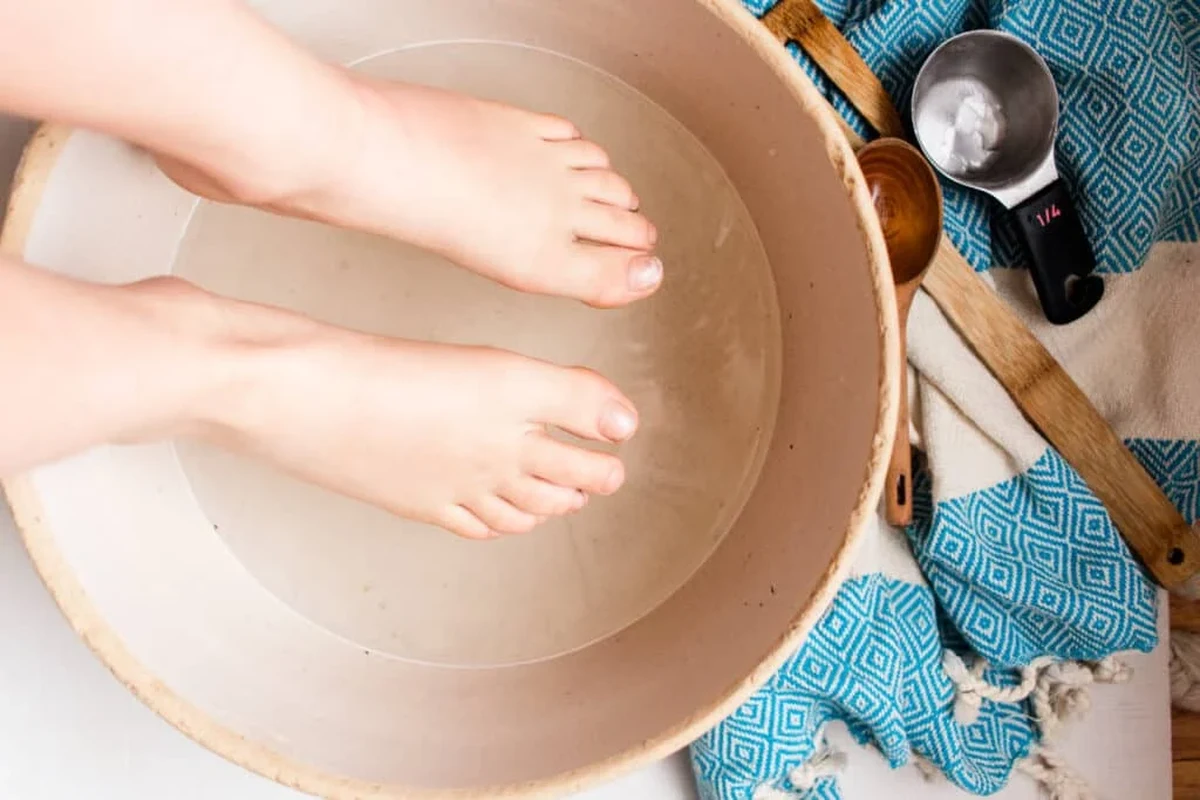
Baking soda is popular for foot odor because it can help neutralize some of the acidic smells that build up in sweaty shoes and on skin. It is not a perfume, so it does more than cover the problem for a few hours. For a deeper look at how this ingredient works in other odor-control situations, see our guide on baking soda for smoke odors.
How baking soda helps neutralize odor instead of just masking it
Foot odor usually comes from bacteria breaking down sweat and skin oils. Baking soda is mildly alkaline, so it can help change the surface environment where odor becomes noticeable. That does not sterilize feet, but it can make the smell less intense for a while.
Odor is often stronger in shoes than on bare feet because warm, dark, damp spaces let smell build up and linger.
When foot odor is caused by sweat, bacteria, shoes, or socks
The cause matters. If your feet sweat heavily, the moisture feeds odor-causing bacteria. If the shoes or socks hold onto dampness, the smell can return even after washing your feet.
Realistic expectations: temporary relief vs. long-term odor control
Baking soda can give temporary relief, especially for mild odor or a quick refresh before going out. But if the root issue is persistent sweating, poor airflow, or a fungal problem, the smell usually comes back unless you fix the source. That is why baking soda should be treated as a support step, not the whole plan.
How to Use Baking Soda on Feet Safely and Effectively
Use baking soda carefully on skin. A light application is usually enough, and more is not always better. If you want a broader explanation of baking soda use in everyday cleaning, our article on baking soda in laundry benefits covers why it is often used to reduce lingering smells in fabrics.
Dry application method for quick odor reduction
For a fast refresh, sprinkle a very small amount of baking soda on clean, fully dry feet, or dust it lightly inside socks before putting them on. Avoid thick layers, because clumps can feel gritty and may irritate skin. This works best when feet are already washed and dried.
Baking soda foot soak: typical ratios, water temperature, and soak time
A common home method is a shallow soak with lukewarm water and a small amount of baking soda, often around a tablespoon or two in a basin of water. The water should feel comfortably warm, not hot, because hot water can dry skin and make irritation more likely. Soak for about 10 to 15 minutes, then rinse and dry well.
Do not soak broken, cracked, or freshly shaved skin in baking soda water. If stinging, redness, or worsening dryness appears, stop using it and switch to gentler care.
Using baking soda in socks or shoes without irritating skin
For shoes, a light sprinkle in the insole area can help absorb moisture overnight. In socks, use only a small amount and make sure the powder does not cake against sweaty skin. If you have sensitive skin, placing baking soda in the shoe rather than directly on the foot is usually the safer choice.
How often to use it and when to stop
Occasional use is usually more practical than daily use. If odor improves, you may only need it after workouts or on especially hot days. Stop if your skin becomes dry, itchy, or irritated, and do not keep using it as a substitute for washing and drying.
Frequency depends on sweat level, shoe material, and skin sensitivity. A method that works for one person may be too drying for another.
Common Mistakes That Make Foot Odor Worse
Many odor problems get worse because the feet are treated, but the shoes and socks are not. Moisture management matters as much as deodorizing. If you are comparing odor-control methods, our guide to apple cider vinegar and baking soda uses explains why different home remedies behave differently.
Using too much baking soda on sensitive or broken skin
A heavy layer can dry the skin too much and leave it rough or irritated. Broken skin is especially vulnerable, so avoid applying baking soda there. If your feet are already cracked, focus on gentle washing, drying, and breathable footwear first.
Leaving feet damp after washing or soaking
Damp skin creates the exact environment odor likes. After washing or soaking, dry carefully between the toes and around the heel. A clean towel is usually enough, but some people also need a minute or two of air-drying before putting on socks.
Reusing smelly shoes without fully drying them
Shoes can hold odor even when the feet are clean. If you wear the same pair day after day, trapped moisture keeps recycling the smell. Let shoes dry fully between wears, and remove insoles if the manufacturer says they can be taken out.
Relying on baking soda alone when hygiene or footwear is the main issue
If socks are damp, shoes are worn out, or feet are not being washed consistently, baking soda will only do so much. It can help, but it cannot replace basic hygiene. A better routine usually gives faster and more reliable results than any single home remedy.
- Wash feet daily and dry them fully.
- Rotate shoes so each pair can air out.
- Use only a light amount of baking soda.
- Putting baking soda on irritated skin.
- Wearing damp socks or shoes.
- Using it as the only odor solution.
Best Supporting Habits to Reduce Foot Odor Faster
Good habits make baking soda more effective. Think of it the same way you would think about a baking recipe: one ingredient can help, but the final result depends on the full process. For example, just as some bakers review whether baking soda can replace baking powder safely, foot care works best when each step fits the real problem.
Choosing moisture-wicking socks and rotating pairs daily
Moisture-wicking socks move sweat away from the skin more effectively than thick cotton styles in many situations. Changing socks daily, or more often after exercise, helps keep odor from building up. Rotating pairs also gives each pair time to dry fully.
Cleaning shoes, insoles, and liners to control trapped odor
Odor often hides in insoles and linings. If the shoe care instructions allow it, remove insoles and air them out separately. Some shoes can be cleaned with mild soap and water, but always check the manufacturer’s guidance first so you do not damage the material.
Foot washing routine: timing, soap choice, and thorough drying
Wash feet at the end of the day, and again after heavy sweating if needed. A basic soap is usually enough; the key is rubbing between toes and rinsing well. Drying is just as important as washing, because leftover moisture can undo the benefit.
When foot powder, antiperspirant, or antifungal care may help more
If sweating is the main issue, a foot powder or antiperspirant designed for feet may work better than baking soda alone. If the skin is itchy, peeling, or flaky, an antifungal product may be more appropriate, but follow the label and seek medical advice when symptoms persist. Serious or recurring skin concerns should be checked by a qualified professional rather than managed with home remedies only.
Why do some odor fixes work better on shoes than on feet?
Because shoes trap moisture and odor in a closed space. A remedy can help absorb smell there, but the feet still need washing, drying, and breathable socks to keep the problem from coming back.
When Baking Soda May Not Be the Right Solution
Sometimes foot odor is a symptom, not the main problem. If the smell is strong, persistent, or paired with skin changes, baking soda may not be enough on its own. In those cases, it is better to look at the cause before adding more home treatment.
Signs the odor is linked to athlete’s foot, infection, or excessive sweating
Warning signs can include itching, peeling skin, redness, cracking, or a smell that returns quickly even after washing. Excessive sweating can also overwhelm any powder or soak. If the odor is unusually strong or one foot is much worse than the other, that deserves closer attention.
Skin irritation, dryness, and pH concerns with frequent use
Because baking soda is alkaline, frequent use may dry out or irritate some people’s skin. That is more likely if you already have sensitive skin, cuts, or eczema-like dryness. If your feet feel tight, sting, or become visibly flaky, reduce use or stop.
Situations where a dermatologist or podiatrist should be consulted
Seek professional advice if odor keeps returning despite good hygiene, if there is pain, swelling, drainage, or a rash, or if you suspect a fungal infection. A dermatologist or podiatrist can help identify whether the issue is sweat, infection, skin irritation, or footwear-related. That is often the fastest way to get lasting relief.
Do not use baking soda on open wounds, deep cracks, or infected skin. If you notice warmth, pus, spreading redness, or fever, get medical care promptly.
Practical Home Examples for Fast Odor Control
These routines are simple, low-cost, and easy to adjust. They are not fancy, but they are often enough to make a noticeable difference when used consistently.
Before work or school: a same-day refresh routine
Wash feet, dry them thoroughly, and put on a fresh pair of socks. If needed, use a light dusting of baking soda on dry feet or inside the shoes. This is a quick fix, not a substitute for cleaning everything that touched the sweat.
After exercise: treating feet, socks, and shoes together
After a workout, change out of sweaty socks as soon as you can. Let shoes air out, and if they are especially smelly, sprinkle a little baking soda inside them overnight. Treating all three parts together is usually more effective than focusing on just one.
Overnight shoe deodorizing with baking soda
For shoes that smell stale, a small amount of baking soda can sit inside overnight to absorb odor. Shake it out before wearing the shoes again. If the shoe material is delicate, use a sock or breathable pouch to contain the powder.
Travel or gym bag strategies when you need a low-cost fix
Keep a small sealed bag of baking soda, a spare pair of socks, and a towel in your gym bag or suitcase. That gives you a fast backup when showers, laundry, or shoe rotation are limited. For people who want a practical, low-cost odor helper, this is one of the easiest options to carry.
Think in layers: dry the skin, dry the socks, dry the shoes, then use baking soda if needed. Odor control is much easier when moisture is handled first.
Final Verdict: When Baking Soda Is Worth Using for Foot Odor
Baking soda is worth trying when you want a fast, inexpensive way to reduce mild foot odor. It is most useful as a short-term helper for sweaty shoes, fresh socks, and occasional odor flare-ups.
Best use cases for quick, budget-friendly odor relief
It works best for people who need same-day freshness, need to deodorize shoes overnight, or want a simple home remedy after exercise. It is also useful when the odor is mild and the skin is not irritated.
Limitations to keep in mind for sensitive skin and recurring odor
If your skin dries out easily or the odor keeps coming back, baking soda may be too limited on its own. Repeated use can also become annoying if it leaves residue or causes irritation. In those cases, a better sock choice, shoe care routine, or medical treatment may be a better fit.
How to decide between baking soda, better hygiene habits, and professional treatment
If the problem is occasional, start with washing, drying, sock rotation, and a small amount of baking soda. If the odor is frequent, strong, or linked to rash or itching, move beyond home deodorizing and get the cause checked. The best result usually comes from combining simple care with the right treatment for the real issue.
Baking soda can help reduce foot odor fast, especially in shoes and on dry skin, but it works best as part of a broader hygiene routine. If odor keeps returning or your skin gets irritated, switch to better moisture control and professional care when needed.
Frequently Asked Questions
Occasional use is usually the safest starting point. If your skin gets dry or irritated, reduce how often you use it or stop.
Yes, a light amount can help absorb odor overnight. Shake it out before wearing the shoes again and avoid overdoing it on delicate materials.
That depends on your skin and the cause of the odor. Dry use is often better for quick deodorizing, while a short soak may help after heavy sweating.
It can if you use too much, leave feet damp, or apply it to irritated skin. Odor also returns if shoes and socks stay moist.
Those signs may point to athlete’s foot or another skin issue. A dermatologist or podiatrist should evaluate persistent symptoms.
Usually no. It can help with short-term odor control, but better hygiene, dry footwear, and medical treatment when needed are more reliable long-term fixes.