
Baking Soda and Salt for Fleas Safe Home Remedy Guide

Baking soda and salt can be a low-cost cleanup aid for fleas, but it is not a complete treatment. It works best only when paired with vacuuming, laundering, and veterinary flea prevention.
Baking soda and salt for fleas is a low-cost home cleanup idea that many homeowners try when they want a simple first step. It may help dry out some fleas in carpets and fabrics, but it is not a complete flea treatment and works best only as part of a bigger plan.
- Best use: Light environmental cleanup on carpets, rugs, and upholstery.
- Main limit: It does not reliably break the full flea life cycle.
- Safety first: Keep pets and children away from treated areas until cleaned up.
- Most important step: Vacuum thoroughly and repeat cleanup as needed.
- Better long-term fix: Use veterinary-approved flea prevention and wash bedding.
Baking Soda and Salt for Fleas: What the Remedy Is and Why People Try It
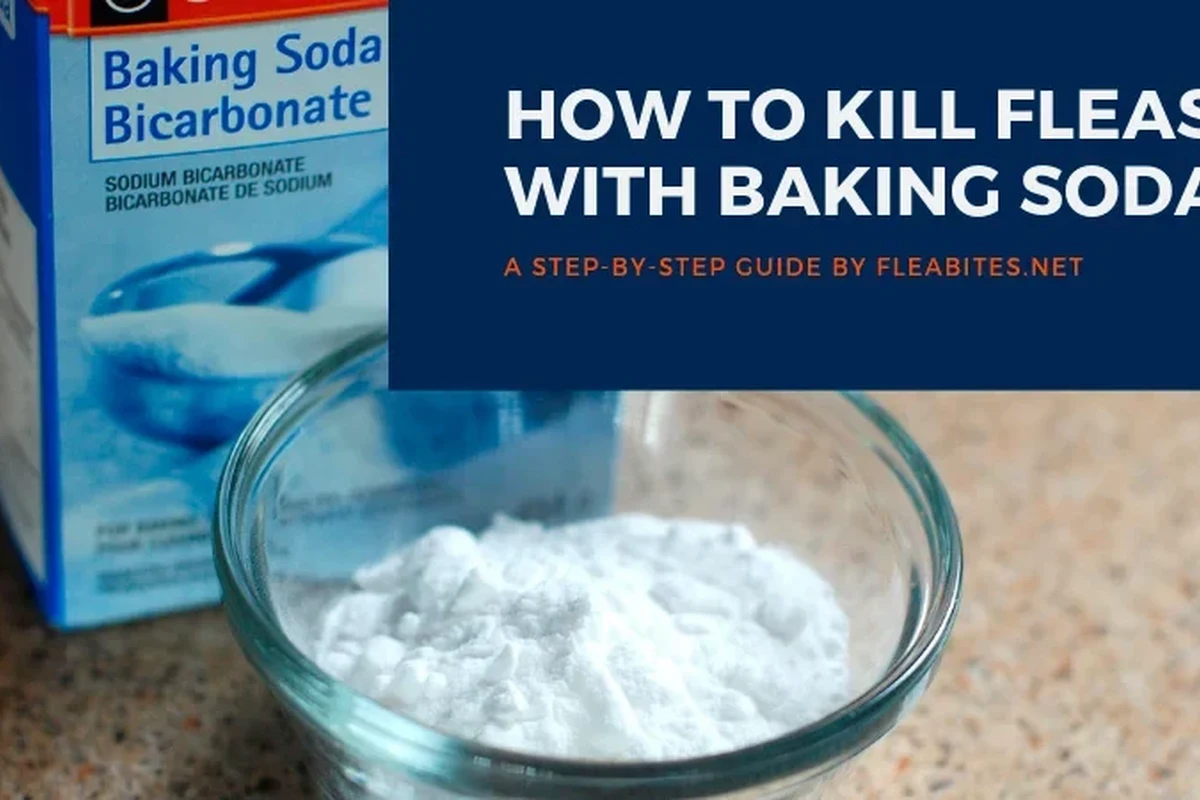
This remedy usually means sprinkling a dry mix of baking soda and salt onto carpets, rugs, or upholstery, then vacuuming it up after a period of contact time. The idea is that the fine particles may help dehydrate fleas and make the home less comfortable for them.
People often try it because it is inexpensive, easy to find, and already used in other household cleaning tasks, including baking soda in laundry benefits and odor cleanup. It can feel like a practical “between steps” solution while a real flea plan is being put in place.
How baking soda and salt are supposed to work on fleas in the home
The theory is simple: dry particles may cling to a flea’s body and help pull moisture away from it. Salt is often included because it is abrasive and drying, while baking soda is commonly used in home care because it is fine, dry, and easy to spread.
That said, this is not a fast kill method in the way a proven insecticide or veterinary flea medication is. In real homes, the result depends on carpet pile, humidity, how evenly the powder is applied, and whether the vacuum removes the material before it can do much.
Where this home remedy fits in a broader flea-control plan
Think of baking soda and salt for fleas as an environmental support step, not the main treatment. Fleas live in a cycle that includes eggs, larvae, pupae, and adults, so one surface treatment cannot break every stage on its own.
A better plan usually combines pet treatment, vacuuming, laundering, and repeat cleanup. If you are already using baking soda for other home tasks, such as baking soda for smoke odors or baking soda vinegar cleaning ovens, remember that flea control is different because it involves living pests, not just surface cleanup.
Flea pupae can be especially hard to reach because they are protected in a cocoon-like stage, which is one reason home remedies often seem to work at first and then fail later.
Safety First: When Baking Soda and Salt Should Not Be Used
Before using any dry treatment, consider the people, pets, and surfaces in the room. A light cleanup on a carpet is very different from scattering powder around a cat’s food area or on a delicate fabric that traps residue.
Risks for pets, children, and sensitive surfaces
Pets may inhale loose powder, lick it off their paws, or track it into places you did not treat. Children can do the same, especially on low rugs and upholstered furniture where dust settles easily.
Some floors and fabrics do not handle repeated dry treatments well. Fine residue can dull finishes, collect in seams, or become gritty in texture, which is why a small test area is smart before treating a larger space.
Do not use any flea cleanup method in a way that could expose pets or children to dust, residue, or accidental ingestion. If a pet is sick, very young, pregnant, or has skin problems, ask a veterinarian before relying on home remedies.
Why this method is not a substitute for veterinary flea treatment
Fleas on dogs and cats usually need pet-safe treatment approved by a veterinarian or recommended by a veterinary professional. Home surface treatments may reduce what is in the environment, but they do not reliably protect the animal that is carrying the infestation.
For that reason, baking soda and salt should never replace flea prevention, especially if your pet is scratching, losing fur, or waking up with more bites after each cleanup. If you need a broader understanding of how home ingredients behave, our guide to the baking soda and vinegar reaction explained simply is a helpful example of why one ingredient alone is rarely a full solution.
How to Use Baking Soda and Salt Around the Home
If you decide to try this method, use it only on dry, vacuum-safe areas. The goal is a light, even coating that can be removed cleanly, not a thick layer that settles deep into fibers.
Typical ratios people use for carpets, rugs, and upholstery
Common DIY mixes use equal parts baking soda and salt, though some people prefer more baking soda than salt for a finer spread. There is no universally proven ratio, so the best choice is the one that dusts lightly without leaving a heavy residue.
For upholstery, less is usually better. A heavier layer can settle into seams and be harder to remove, especially on textured fabric or looped carpet.
Step-by-step application method for dry treatment areas
Remove pet bedding, toys, and food bowls. Vacuum first if the area is visibly dirty so the powder does not mix with debris.
Use a shaker or sieve to dust the carpet, rug, or upholstery. Aim for coverage, not thickness.
Leave the room closed off so pets and children do not walk through the powder or breathe it in.
Vacuum the treated area carefully, including edges, corners, and seams where fleas may hide.
Vacuuming, contact time, and cleanup considerations
Contact time varies because carpet fiber, humidity, and the amount used all matter. Some people leave the mix in place for several hours or overnight, but longer is not automatically better if the residue becomes messy or unsafe.
Vacuuming is the most important cleanup step. Without it, the powder can remain in the carpet and continue to shed dust, which is not ideal for breathing comfort or surface appearance.
If you are already careful with dry ingredients in the kitchen, think of this like a fine flour dusting: too much creates a mess, and even spread matters more than piling it on.
What Results to Expect and What This Remedy Cannot Do
It is reasonable to expect only modest support from baking soda and salt for fleas. Some homeowners see a temporary drop in visible fleas, but that does not mean the infestation is gone.
Effectiveness on adult fleas versus eggs and larvae
Adult fleas are the easiest stage to affect because they are mobile and exposed on surfaces. Eggs and larvae are harder to reach because they fall deep into carpet fibers, bedding, and cracks.
Pupae are even tougher. They can stay protected until vibrations, heat, or a host triggers emergence, which is why a room can seem better for a short time and then suddenly show fleas again.
Common reasons the method seems to fail
The method often fails when the powder is too light, too heavy, or vacuumed away too soon. It also fails when the pet is not being treated at the same time, because fleas keep re-entering the home from the animal.
Another common issue is expecting one application to solve everything. Flea control is usually repetitive, especially in warm rooms, humid climates, or homes with wall-to-wall carpet.
You still see fleas after treating the carpet once.
Repeat environmental cleanup, wash pet bedding, and use veterinary flea prevention so new fleas are not constantly reintroduced.
Examples of situations where a stronger approach is needed
If multiple pets are scratching, if fleas are jumping on people daily, or if you see flea dirt in several rooms, a stronger plan is usually needed. The same is true if the infestation keeps returning after repeated vacuuming and powder treatment.
In severe cases, professional pest control may be safer and more effective than relying on a dry home remedy alone. That is especially true in homes with infants, allergy concerns, or residents who cannot tolerate dust exposure.
Best Practices for Using Baking Soda and Salt Safely in a Home With Pets
Safety matters more than convenience here. A flea remedy that leaves behind dust, residue, or stress for pets is not a good bargain, even if the ingredients are cheap.
Keeping pets out of treated rooms and off recently cleaned surfaces
Move pets out of the room before you start and keep them away until the area is fully vacuumed and the dust has settled. If possible, close doors or use barriers so paws do not spread residue into other rooms.
After vacuuming, check that no powder remains in corners, under furniture, or along baseboards. Pets often explore those spots first.
Avoiding inhalation, eye irritation, and accidental ingestion
Use a mask if you are sensitive to dust, and avoid shaking the powder aggressively into the air. Keep the mix away from eyes, noses, and mouths, especially when treating low furniture or pet areas.
If a pet or child accidentally inhales a large amount, gets powder in the eyes, or eats a noticeable amount, contact a qualified professional or poison control right away for guidance. Do not assume it is harmless just because the ingredients are common household items.
Always store baking soda and salt in sealed containers after use. Open boxes or bowls left on the floor can be tipped, tracked, or eaten by pets.
Surface testing before treating delicate flooring or fabrics
Test a small hidden area first if you are working on a rug, upholstery edge, or specialty flooring. Look for color change, residue, or texture changes after vacuuming.
That small check can save you from a bigger cleanup later, especially on dark fabrics, antique pieces, or surfaces that trap fine powder in seams.
Common Mistakes People Make With Baking Soda and Salt for Fleas
Most bad results come from technique, not just the ingredients themselves. A careful, light application is very different from a rushed dusting that is left behind for days.
Using too much product or leaving residue behind
More powder does not mean better flea control. A thick layer can cake into carpet fibers, feel gritty underfoot, and make vacuuming less effective.
Leaving residue behind can also create a dust problem. If the room looks cloudy or chalky after treatment, too much product was used.
Skipping vacuuming, laundering, and pet treatment
Vacuuming is not optional if you want this method to do anything useful. Laundering pet bedding, throw blankets, and washable covers is also important because fleas and eggs can hide there.
Just as a baking recipe depends on the right order of steps, flea cleanup depends on doing the whole sequence. Skipping one part weakens the result.
Assuming one application will solve an infestation
Flea control usually takes repeated effort over time. One treatment may reduce what you see today, but it rarely breaks the full cycle.
If you need a general example of how ingredient choice affects outcome, our article on using baking soda instead of baking powder safely shows why the right tool matters more than the familiar one.
Better Long-Term Flea Control Options to Pair With This Home Remedy
The safest and most effective flea plan usually combines environmental cleanup with pet protection. That approach addresses both the home and the source of the infestation.
Washing bedding, vacuuming, and environmental cleanup
Wash pet bedding, blankets, and removable covers in the hottest water the fabric can safely handle, then dry them thoroughly. Vacuum floors, baseboards, sofa seams, and under furniture often enough to remove eggs, larvae, and emerging adults.
Empty the vacuum canister or bag promptly so fleas do not escape back into the room. If you want a broader cleanup approach, the logic is similar to how clean drains with vinegar and baking soda depends on using the right cleanup step after the reaction.
Veterinary-approved flea prevention for dogs and cats
For dogs and cats, the most reliable protection comes from veterinary-approved flea preventives chosen for the right species, age, and weight. Product labels matter, and cat-safe and dog-safe products are not always interchangeable.
If you are unsure which option fits your pet, ask a veterinarian. That is especially important for kittens, puppies, senior pets, or animals with medical conditions.
When professional pest control may be the safer choice
If the infestation is widespread, keeps returning, or involves multiple rooms and pets, professional pest control may be worth considering. A trained service can assess the home structure, hiding places, and treatment options more thoroughly than a single DIY method.
This is the point where convenience should give way to effectiveness. If the problem is larger than a light cleanup job, a stronger approach is the more practical choice.
Final Verdict: Is Baking Soda and Salt for Fleas Worth Trying in 2026?
Yes, but only as a modest cleanup step. Baking soda and salt for fleas can be worth trying in homes that need a low-cost, dry, vacuumable support method, especially on carpets and rugs that can be cleaned thoroughly afterward.
Best-use scenarios for homeowners looking for a low-cost cleanup step
This remedy makes the most sense when you are already vacuuming regularly, washing pet bedding, and using proper flea prevention on the animal. It may also be useful when you want a simple, non-liquid treatment for a small area before moving to other methods.
Think of it as a support tool, not the main event. It can help tidy the environment, but it is not a proven stand-alone flea cure.
When to move from DIY support to proven flea-control methods
If fleas keep returning, if pets remain itchy, or if the home needs repeated treatments with little improvement, move on to better-supported methods. Veterinary guidance, thorough cleaning, and professional pest control are more dependable than hoping powder alone will solve the problem.
In short, use baking soda and salt for fleas only when you understand its limits and can apply it safely. For many homes, it is a helpful extra step, but not the final answer.
Baking soda and salt can be a low-cost environmental cleanup aid for fleas, but it works best as part of a full flea-control plan. If the infestation is more than minor, rely on veterinary flea treatment and repeated home cleanup rather than powder alone.
Frequently Asked Questions
Not usually. It may help with some adult fleas on treated surfaces, but it is not a fast or complete flea killer.
Many people use equal parts, but there is no proven best ratio. Use only enough to make a light, even dusting that can be vacuumed up easily.
Only if the bedding can be cleaned thoroughly afterward and your pet is kept away until the area is vacuumed. Washing bedding is usually the better first choice.
It can be risky if pets inhale it, lick it, or get residue on their paws. Keep pets out of treated areas and use veterinarian-approved flea prevention for the animal itself.
Contact time varies by surface and conditions, and longer is not always better. Follow with thorough vacuuming once the treated area has had time to sit and the room is kept off-limits.
Call a professional if fleas keep coming back, multiple rooms are affected, or pets are still showing signs of infestation. Severe cases often need stronger treatment than DIY cleanup alone.