
Baking Soda and Salt for Fleas Safe Home Treatment Guide

Baking soda and salt can help as a light cleaning step for fleas, but they do not reliably solve an infestation on their own. Use them only on dry, vacuumable surfaces and pair them with pet treatment and regular cleaning.
Baking soda and salt for fleas is a common DIY idea, but it works best as a cleaning aid rather than a full flea treatment. Used carefully, it may help dry out eggs or larvae in carpets and cracks, yet it should be paired with vacuuming, pet care, and a broader flea-control plan.
- Best use: Lightly applied on dry carpets, rugs, and seams that can be vacuumed well.
- Main limit: It is not a stand-alone flea killer, especially against hidden stages.
- Safety first: Keep powders away from pets, children, bowls, and toys.
- Most important step: Vacuum thoroughly and repeat laundering and cleaning on a schedule.
What Baking Soda and Salt Can and Cannot Do for Flea Control
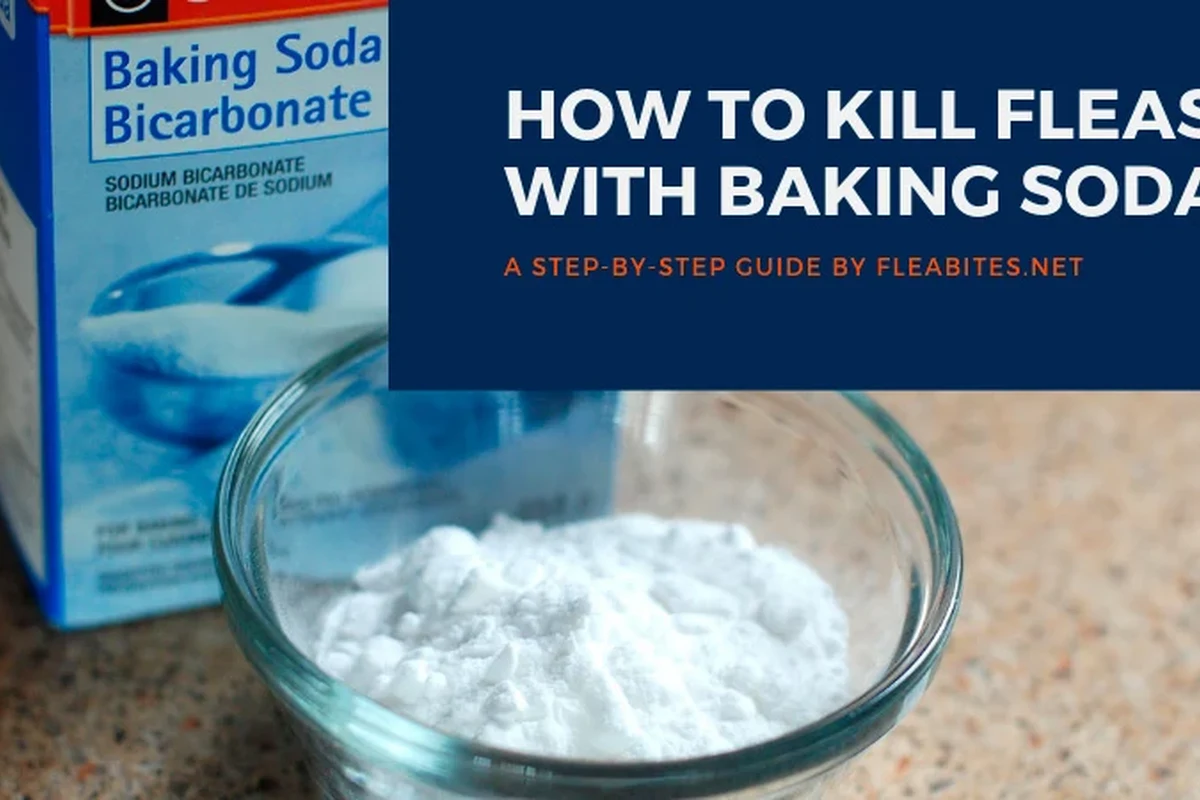
The basic idea behind baking soda and salt for fleas is simple: both are dry, gritty powders that can be spread into carpet fibers, rugs, and other hiding spots. People use them hoping the mixture will dehydrate flea life stages or make the environment less friendly to pests. That is why this method is often discussed alongside other home-cleaning uses, such as baking soda in laundry benefits and odor control routines.
How the mixture is believed to work on carpets, bedding, and cracks
In theory, the fine particles settle into fibers and tiny gaps where fleas hide. Salt can draw moisture from the surface of eggs, larvae, or the surrounding environment, while baking soda may help with dryness and odor control. The mixture is most believable as a surface-level helper in dry areas, not as a chemical kill step that reaches deep into every stage of the flea life cycle.
Fleas do not live only on pets. Eggs, larvae, and pupae often hide in carpets, bedding, baseboards, and furniture seams, which is why cleaning the home matters as much as treating the animal.
Why this is not a stand-alone flea treatment in 2026 homes
Modern homes are full of mixed surfaces, pet beds, upholstered furniture, and tight edges that a dry powder cannot fully reach. Flea pupae are especially hard to eliminate because they are protected in a cocoon-like stage, so a sprinkle of powder is not enough on its own. If you are dealing with an active infestation, think of baking soda and salt as one small part of a larger plan, not the whole solution.
- Easy to apply on dry carpets and rugs
- Low-cost cleaning helper for some households
- Can be combined with vacuuming and laundering
- Not reliable as a complete flea killer
- Can irritate pets or children if used carelessly
- Weak against hidden eggs, larvae, and pupae
Safety First: When Baking Soda and Salt Are Appropriate Around Pets and Children
Safety matters more than convenience here. A dry powder spread on the floor can be tracked around, inhaled, or licked by pets, and that is not ideal in homes with curious animals or small children. If you are already using other home-care ingredients, it helps to understand how gentle cleaning methods differ from stronger ones, such as the baking soda and vinegar reaction used in cleaning.
Risks of inhalation, skin irritation, and accidental ingestion
Fine dust can bother the nose and eyes, especially when brushed into carpet or vacuumed up. Pets may also get powder on their paws and then groom it off, which raises the chance of accidental ingestion. Salt can be irritating in larger amounts, and baking soda should not be treated as harmless just because it is a common pantry ingredient.
Keep powders away from pet food bowls, water dishes, litter areas, and any surface where a child crawls, plays, or puts objects in the mouth. If a pet has a health condition, or if you suspect ingestion, contact a veterinarian or poison-control resource right away.
Situations where a vet-approved or professional pest solution is safer
If you have kittens, puppies, elderly pets, allergy-sensitive animals, or a home with many carpeted rooms, a vet-approved flea product is usually the safer first choice. Professional pest control may also be the better route when fleas are spreading quickly or returning after repeated cleaning. Official veterinary guidance is especially important because pet-safe products depend on the animal’s age, weight, and species.
Wear gloves if you have sensitive skin, and avoid creating airborne clouds of powder. A light, controlled application is safer than shaking large amounts across the room.
Choosing the Right Materials: Baking Soda, Salt, and the Tools You Need
The materials matter more than people expect. A very coarse salt may sit on top of carpet fibers instead of settling into them, while a very fine powder spreads more evenly but can become dusty. If you are comparing pantry ingredients for home use, it is similar to checking whether you are using the right form of an ingredient, as in baking soda versus baking powder in the kitchen.
Salt
Vacuum cleaner
Soft brush or broom
Gloves
Laundry access
Fine vs. coarse salt and why texture matters for coverage
Fine salt usually spreads more evenly and is easier to work into fibers. Coarse salt can be harder to distribute and may leave patchy coverage, which weakens the method. For this kind of home treatment, even coverage matters more than using a large amount.
Vacuum, brush, broom, and protective gloves for application and cleanup
A vacuum is the most important tool because it removes the powder and helps lift flea debris from carpet fibers. A soft brush or broom can help distribute the mixture lightly, but avoid scrubbing so hard that you damage upholstery or push dust deeper into fabric. Gloves are useful if your skin reacts easily to cleaning powders.
- Confirm the surface is dry
- Move pet bowls and toys out of the area
- Test a small hidden spot on upholstery first
- Plan to vacuum thoroughly afterward
Step-by-Step Home Treatment for Carpets, Rugs, Upholstery, and Pet Areas
This method works best when the goal is controlled surface cleaning, not heavy infestation control. Use a light hand and treat it like a maintenance step. If you are also cleaning other problem areas in the home, a methodical approach matters just as much as it does in baking soda vinegar cleaning ovens, where timing and coverage change the result.
Remove loose dirt, pet hair, and debris before applying anything. This helps the powder contact the surface more evenly and keeps the mixture from clumping on top of dust.
Combine baking soda and salt in a small container and sprinkle a very thin, even layer over the target area. You want a dusting, not a white blanket.
Use a soft brush or broom to help the powder settle into carpet, rug edges, and seams. Keep the motion light so you do not spread dust into the air.
After a short dwell time, vacuum slowly and carefully. Go over the area from multiple directions so you remove as much powder and debris as possible.
How to apply an even layer without overusing the mixture
Start with less than you think you need. The goal is to coat the surface lightly enough that the powder can settle into fibers, but not so heavily that cleanup becomes difficult or dusty. Overapplication can make the room uncomfortable without improving results.
How long to leave it in place before vacuuming
There is no universal time that works for every home, carpet, or infestation level. Many DIY users leave it in place for a short period before vacuuming, but the exact timing depends on the surface, the amount used, and how much dust your household can tolerate. Always avoid leaving it where pets or children can contact it for long periods.
Dry powders work best on dry, accessible surfaces. If a room is humid, recently mopped, or damp from pet accidents, the mixture can clump and lose much of its usefulness.
Where the method works best and where it is least effective
It tends to work best on dry carpet, area rugs, baseboard edges, and fabric seams that can be vacuumed afterward. It is least effective on damp surfaces, deep upholstery cushions, thick shag carpet, and any area that cannot be cleaned thoroughly afterward. It is also a poor choice for mattresses or baby items unless you can remove every trace safely and verify the material care instructions.
Common Mistakes That Make Baking Soda and Salt Less Effective
Most DIY flea-control failures come from process problems, not from the idea itself. Uneven coverage, skipped vacuuming, and one-time treatment habits are the most common reasons the method disappoints. The same kind of careful process thinking applies to ingredient use in baking, which is why readers often appreciate clear guidance on when baking soda expires and when it should be replaced.
Applying too little, too much, or unevenly
Too little powder may not reach the places fleas hide. Too much powder creates a mess and can irritate breathing or skin without improving coverage. Uneven application leaves untreated pockets where fleas can continue developing.
Skipping vacuuming, laundering, or repeat treatment
Vacuuming is not optional. It removes the powder and also helps reduce eggs, larvae, and flea dirt from the environment. Washing bedding and repeating the routine on a schedule are often more important than the powder itself.
Using the mixture on damp surfaces or expecting it to kill an infestation alone
Moisture reduces the usefulness of the mixture and can turn it into a paste-like residue. Just as important, baking soda and salt for fleas should not be expected to solve a serious infestation by themselves. If the home still has active flea pressure, you need a broader control plan.
Fleas return even after the powder is used.
Increase vacuum frequency, wash pet bedding, treat pets with a vet-approved product, and repeat cleaning on a schedule. If the problem persists, the infestation may be hiding in areas the powder cannot reach.
How to Support the Treatment With a Real Flea-Reduction Routine
A real flea-reduction routine combines home cleaning, pet treatment, and timing. The goal is to interrupt the flea life cycle in more than one place at once, because eggs, larvae, and adult fleas do not all respond the same way. This is where a cleaning habit becomes more important than any single ingredient.
Washing pet bedding, treating pets, and cleaning floors on a schedule
Wash pet bedding regularly in the hottest water the fabric allows, then dry it fully. Vacuum floors, rugs, and furniture on a repeating schedule, and use a vet-approved flea treatment on pets if appropriate. For many households, the best results come from combining several modest steps rather than relying on one dramatic fix.
Managing eggs, larvae, and adult fleas across the home environment
Adult fleas on pets are only part of the problem. Eggs fall into carpets and furniture, larvae feed in hidden debris, and pupae wait in protected spots until conditions are right. That is why cleaning under furniture, around baseboards, and along pet resting areas matters so much.
Practical example: a weekly cleanup plan for a small apartment or family home
For a small home, start with a full vacuum of carpets, rugs, sofa seams, and pet areas early in the week. Wash pet bedding the same day, then recheck high-traffic areas later in the week and repeat the powder treatment only on dry surfaces that can be safely vacuumed. If the infestation is active, keep the routine consistent for several weeks rather than stopping after one cleaning.
Limitations, Troubleshooting, and When to Call a Professional
Some flea problems are too large for a DIY powder approach. If you are still seeing bites, live fleas, or flea dirt after repeated cleaning, the infestation may be spread across multiple rooms or hidden in protected areas. At that point, a professional pest-control plan or a veterinarian-guided pet treatment plan is usually safer and more effective.
Signs the infestation is larger than a DIY approach can handle
If fleas are visible in several rooms, if pets are scratching constantly, or if vacuuming seems to make little difference, the problem is likely beyond a simple surface treatment. Homes with wall-to-wall carpet, many upholstered items, or a history of recurring infestations often need stronger intervention.
What to do if fleas return after repeated cleaning
Recheck the pet treatment plan first, because untreated animals can keep reintroducing fleas into the home. Then inspect hidden zones such as couch seams, under beds, and along baseboards. If the cycle keeps repeating, contact a pest professional who can recommend an approach suited to your home layout and severity level.
Special caution for homes with kittens, puppies, allergy-sensitive pets, or severe infestations
Young pets and sensitive animals can react more strongly to dust and to flea products, so professional or veterinary guidance is especially important. Severe infestations can also trigger stress, scratching, and skin irritation in pets and people alike. In those situations, it is better to use a proven integrated plan than to keep adding more baking soda and salt.
If a pet develops coughing, drooling, vomiting, unusual lethargy, or skin irritation after contact with cleaning powders, stop using the mixture and seek veterinary advice promptly.
Final Verdict: Is Baking Soda and Salt a Safe Home Treatment for Fleas?
Baking soda and salt for fleas can be a cautious, low-cost helper for dry carpets and rugs, especially when you use it lightly and vacuum thoroughly. It may support a cleaning routine, but it should not replace pet treatment, laundering, and regular floor care.
Best-use recap for cautious DIY homeowners
Use the mixture only on dry, vacuumable surfaces and keep it away from pet bowls, toys, and child play areas. Think of it as a maintenance step that may help reduce flea-friendly debris, not a guaranteed flea killer.
When to rely on integrated pest control instead of this method alone
If fleas keep coming back, if the infestation is widespread, or if you have vulnerable pets in the home, move to integrated pest control. That usually means a veterinarian-approved pet product, repeated cleaning, and possibly professional pest control. For most households, that combined approach is safer and more effective than depending on baking soda and salt alone.
Baking soda and salt can be used as a light, dry cleanup aid for fleas, but only as part of a broader control routine. For persistent or severe infestations, rely on vet-guided or professional solutions instead of this method alone.
Frequently Asked Questions
No, it is not a complete flea solution. It may help as a dry cleaning aid on carpets and rugs, but it should be paired with vacuuming, laundering, and pet treatment.
Only if the bedding is dry and you can vacuum it thoroughly afterward. Keep pets away while the powder is down, and wash the bedding as part of the cleanup routine.
It can be used carefully in some homes, but it may irritate skin or breathing and can be ingested if pets lick it off their paws. Homes with kittens, puppies, or sensitive pets should use extra caution and consider vet-guided options.
There is no single best time for every home. Use only a short, controlled dwell time, then vacuum thoroughly, and never leave the powder where pets or children can contact it for long periods.
Fine salt usually spreads more evenly into carpet fibers than coarse salt. The goal is light, even coverage rather than a thick layer.
Call a professional if fleas keep returning, if multiple rooms are affected, or if the infestation is severe. You should also seek veterinary guidance for kittens, puppies, allergy-sensitive pets, or any pet that may have reacted to the powders.