
Baking Soda and Vinegar for Skunk Smell Removal Guide

Baking soda and vinegar can help reduce skunk smell on washable fabrics and some hard surfaces, especially when used in sequence. They are useful first steps, but strong or embedded odor may need repeat treatment or a specialized deodorizer.
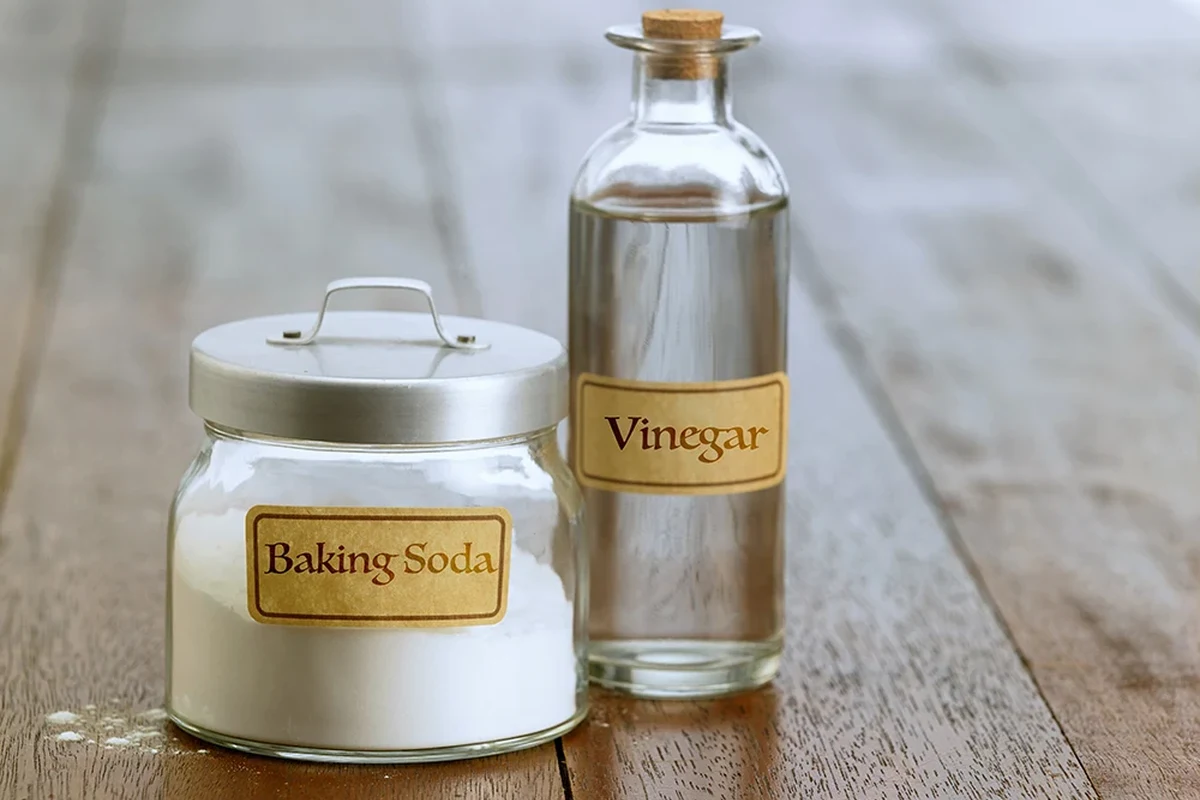
- Best use: Fresh, light skunk odor on washable items and sealed surfaces.
- Method: Use baking soda first for absorption, then vinegar as a separate rinse or wipe.
- Limit: Heavy spray, upholstery, and porous materials often need stronger treatment.
- Safety: Ventilate well, avoid over-wetting, and check fabric care labels.
- Next step: Rewash, switch to enzyme cleaners, or call a professional if odor remains.
Frequently Asked Questions
They can reduce light to moderate skunk odor, especially on washable items and hard surfaces. Heavy spray or porous materials often need repeat treatment or a stronger deodorizer.
It is usually better to use them in sequence rather than mix them first. Baking soda can help absorb odor, and vinegar can be used later as a rinse or cleaning aid.
It is safer to air-dry first. Heat can set the odor deeper into the fabric if the smell is still present.
No. Some delicate fabrics, leather, wool blends, and specialty finishes can be damaged by vinegar or excess moisture, so always check the care label and test a hidden spot.
Soak time depends on fabric type and odor strength. A short pre-soak is often enough for light odor, but stronger smells may need a longer soak and a repeat wash.
Consider professional help if the odor is trapped in upholstery, a car interior, wall cavities, or other porous materials. Strong lingering odor after repeated cleaning is another sign to switch to specialized help.