
Can You Make Cookies Without Baking Soda Easy Guide

Yes, you can make cookies without baking soda, but the texture, spread, and browning will usually change. Baking powder or a no-leavener recipe can work well if you adjust the method and expectations.
Yes, you can make cookies without baking soda, but the result will not always be the same as the original recipe. In many cases, the cookies will still bake well if you adjust the leavener, texture goals, and mixing method.
- Best substitute: Baking powder is the most common replacement for baking soda in cookies.
- Texture shift: Cookies may be thicker, paler, or less chewy without baking soda.
- Recipe fit: Shortbread and buttery slice-and-bake cookies usually adapt best.
- Method matters: Chilling, portion size, and oven accuracy become more important.
- Safety note: Avoid tasting raw dough made with raw flour or raw eggs.
Can You Make Cookies Without Baking Soda? What Changes in the Dough
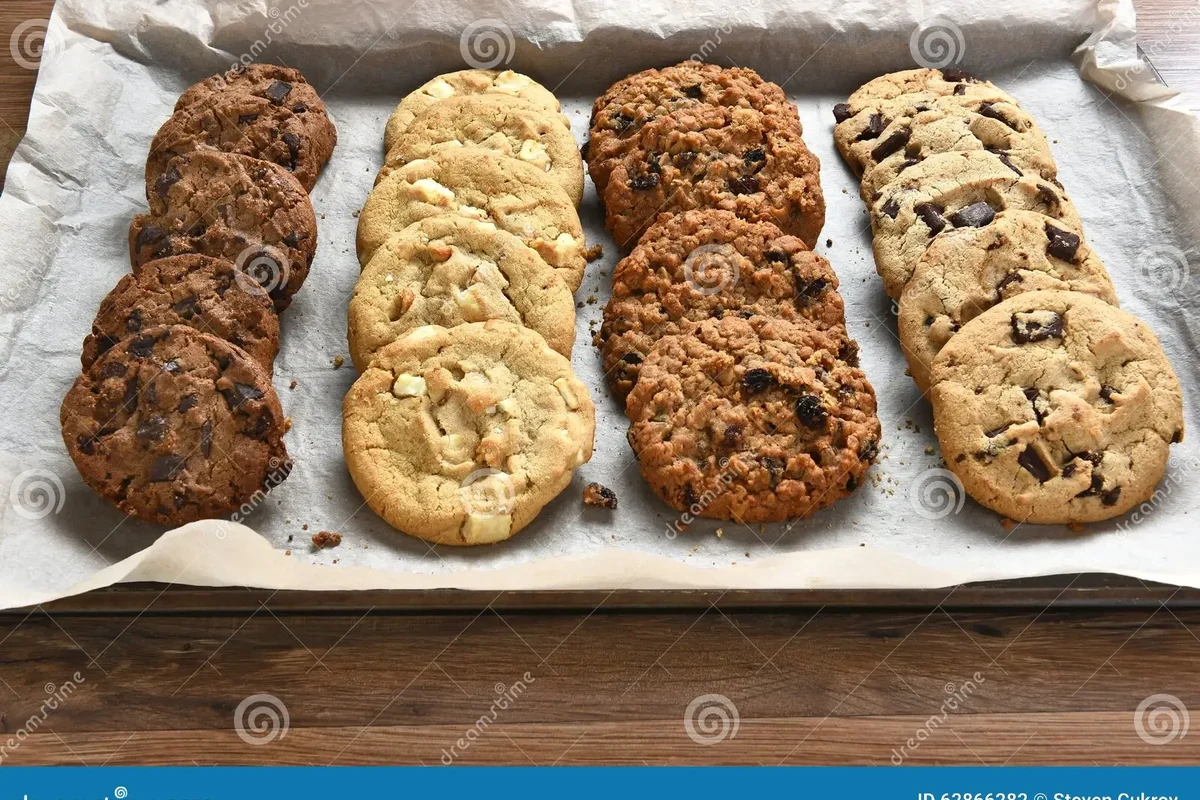
Baking soda is not just a “rising” ingredient. In cookie dough, it also helps with spread, browning, and the final texture, especially in recipes that rely on a little lift and a chewy bite.
For a deeper ingredient comparison, it helps to understand the difference between leaveners in general and why some recipes are built around one specific ingredient. If you want a broader explanation, our guide on is baking soda and baking powder the same can help put the science in context.
Why baking soda matters in cookie recipes
Baking soda is alkaline, so it reacts with acidic ingredients and helps create carbon dioxide gas. That gas gives cookies a little lift and can also encourage browning through the Maillard reaction.
It matters most in recipes with brown sugar, molasses, chocolate, buttermilk, yogurt, or other acidic ingredients. In those doughs, baking soda is doing more than one job at once.
What happens to texture, spread, and browning when it is omitted
Without baking soda, cookies often spread differently. They may stay thicker, bake up paler, or feel slightly denser depending on the rest of the formula.
Sometimes that is a drawback, but sometimes it is exactly what you want. A cookie without baking soda can be crisp, tender, or short and sandy rather than chewy and airy.
Which cookie styles tolerate the swap best
Butter-heavy cookies, shortbread-style doughs, and slice-and-bake cookies usually tolerate the omission well because they do not depend on strong chemical leavening. These recipes often rely more on fat and flour balance than on lift.
Drop cookies can also work if you replace baking soda with baking powder or accept a flatter, denser finish. Very thin or highly structured cookies, however, may change too much to adapt cleanly.
Baking soda can also affect cookie color. A dough with enough soda and the right level of acidity often browns more readily than one made without it.
Ingredient Roles That Affect the Outcome More Than You Might Expect
When a cookie recipe fails after removing baking soda, the problem is often not the missing soda alone. Butter temperature, sugar type, egg amount, flour strength, and mixing method all shape the final cookie.
How baking powder differs from baking soda in cookies
Baking powder already contains both an acid and a base, so it can create lift without needing acidic ingredients in the dough. That makes it the most common replacement when baking soda is unavailable.
Still, baking powder is weaker by volume than baking soda in many cookie formulas, so you usually need more of it to get similar lift. That change can also add a slightly different flavor and a more cake-like texture.
The impact of butter, sugar, eggs, and flour on structure
Butter controls spread because it melts in the oven. Soft butter, warm dough, and a high butter-to-flour ratio usually create more spread, even if baking soda is missing.
Sugar affects both texture and color. White sugar tends to make cookies crisper, while brown sugar adds moisture and chew; eggs add structure and moisture; flour gives the dough body and helps it hold shape.
When acidic ingredients can partially replace the leavening effect
Acidic ingredients do not fully replace baking soda on their own, but they can change how another leavener behaves. If a recipe already includes sour cream, molasses, lemon juice, or brown sugar, the dough may still brown and rise reasonably well with baking powder.
That said, you should not assume acidity can solve every missing-soda problem. The balance has to fit the full recipe, not just one ingredient.
If you are comparing leaveners for a recipe swap, keep in mind that brand, measuring style, and ingredient freshness can all change results. A level teaspoon measured by spoon is not always identical to a packed or scooped measure.
Best Substitutes for Baking Soda in Cookies and When to Use Them
The best substitute depends on the cookie style you want. Some cookies need lift, while others are better when they stay dense and crisp.
Baking powder as the most common replacement
Baking powder is the easiest substitute in many cookie recipes. A common starting point is about 3 times as much baking powder as the baking soda called for, but the exact amount depends on the recipe and the other acidic ingredients present.
Because baking powder contains acid, too much of it can make cookies taste slightly bitter or overly puffy. It is best used as a practical swap, not a perfect one-to-one match.
Self-rising flour and why it changes the formula
Self-rising flour already includes leavening and salt, so it changes the recipe more than a simple substitute does. If you use it, you usually need to reduce or remove other leaveners and salt in the formula.
That can be useful in a pinch, but it is less precise than using all-purpose flour with a measured replacement. For best results, treat self-rising flour as a formula change, not a small pantry swap.
No-leavener cookie methods for dense or crisp results
Some cookies are meant to be made without any chemical leavener at all. Shortbread, many biscotti-style doughs, and crisp butter cookies often depend on fat, sugar, and flour rather than gas production.
If your goal is a dense or crisp cookie, skipping baking soda can be a feature, not a flaw. The texture may be less chewy, but the cookie can still be rich and pleasant.
Practical substitution ratios and why precision matters
Use baking powder as a first test when you want a similar cookie with a little lift. A rough starting ratio is 3:1 in place of baking soda, though some recipes need less because the original dough already has acidic ingredients.
Precision matters because extra leavener can change spread, flavor, and crumb. If you are unsure, test one small batch before scaling up.
How to Adjust Measurements and Method for Reliable Results
When you remove or replace baking soda, method matters more than usual. Small changes in mixing and chilling can make a noticeable difference in spread and texture.
Mixing time, dough rest, and chilling differences without baking soda
Overmixing develops gluten, which can make cookies tougher. If you are already changing the leavener, mix only until the flour disappears and the dough looks evenly combined.
Chilling can help control spread, especially if the dough feels soft or greasy. A rested dough also gives flour time to hydrate, which can improve consistency in cookies without baking soda.
How to prevent overly flat or overly cakey cookies
If cookies spread too much, the dough may be too warm, the butter too soft, or the flour too low. Chilling the dough, measuring carefully, and using the correct pan can help.
If cookies turn cakey, you may have used too much baking powder or overmixed the dough. A lighter hand and a more exact substitution usually solve the problem better than adding more flour.
Portion size, spacing, and pan choice for even baking
Smaller portions bake more evenly and are easier to test when you are adjusting a recipe. Leave enough space between dough portions so the cookies can spread without merging.
Light-colored sheet pans usually brown more gently than dark ones, which matters when you are already losing some of the browning effect from baking soda. Pan material and rack position can both affect the final result.
The dough seems fine, but the cookies bake up too flat or too thick after removing baking soda.
Check butter temperature, chill the dough, and adjust leavener carefully rather than changing several ingredients at once.
Doneness, Texture, and Visual Cues to Watch in the Oven
Cookies without baking soda can be harder to judge by color alone because they often brown more slowly. That makes visual and touch cues especially important.
How cookies without baking soda brown differently
Without baking soda, cookies may look lighter at the same bake time. You may need to rely more on edge color, surface set, and aroma than on a deep golden shade.
That does not mean they are underbaked. It often means the dough chemistry is different, so the cookie reaches doneness with less browning.
Signs of underbaked versus properly set cookies
Underbaked cookies usually look wet in the center, collapse when moved, or feel fragile beyond the edges. Properly set cookies may still be soft in the middle when hot, but they hold their shape as they cool.
If the edges are firm and the centers no longer look glossy, the cookies are usually close to ready. Cooling on the pan for a few minutes can finish the set without overbaking.
Why oven temperature accuracy matters more in substitution tests
If your oven runs hot or cool, a recipe change becomes harder to judge. Even a small temperature error can make a cookie spread too much or dry out before it sets.
For the most reliable test, use an oven thermometer if you have one and avoid changing the rack position mid-bake unless the recipe calls for it. Accurate heat control is one of the easiest ways to improve substitution results.
Do not taste raw cookie dough made with raw flour or raw eggs unless it has been made with ingredients intended for safe raw consumption. Food safety guidance from recognized sources such as USDA and FDA recommends caution with uncooked flour and eggs.
Common Mistakes When Baking Cookies Without Baking Soda
Most substitution problems come from assuming the recipe will behave exactly the same. It usually will not, even if the cookies still taste good.
Using baking powder in the wrong quantity
Too little baking powder can leave the cookies heavy and flat. Too much can make them puff too high, taste off, or dry out before the centers finish setting.
When in doubt, start conservatively and test one batch. Cookie recipes are easier to adjust after a small trial than after a full tray.
Expecting the same spread and chew as the original recipe
Baking soda often supports the chewy, spread-friendly texture many people expect in classic cookies. Removing it can shift the cookie toward a softer, thicker, or more cake-like result.
That is not a failure if the texture still matches your goal. The key is to judge the new cookie on its own terms.
Ignoring acidity, salt balance, and ingredient freshness
Old baking powder, stale flour, or an unbalanced amount of salt can confuse the result. Acidity matters too, because it changes how the leavener behaves and how the flavor finishes.
If a recipe tastes flat after the swap, the problem may be formula balance rather than the missing baking soda alone.
Overmixing or overbaking while trying to “fix” the dough
It is easy to overwork dough when you are trying to correct texture by hand. That can make cookies tougher and less tender.
Likewise, baking longer to force browning can dry out the cookie. If the texture is close, let the cookies cool and evaluate before deciding they need more time.
- Test a small batch first
- Measure leavener carefully
- Chill soft dough if needed
- Adding extra baking powder without a plan
- Changing several ingredients at once
- Overbaking to force color
Practical Cookie Examples That Work Well Without Baking Soda
Some cookie styles are naturally more forgiving than others. If you choose the right recipe, you can often skip baking soda with very little trouble.
Shortbread-style cookies and buttery slice-and-bake doughs
These cookies are usually built around butter, flour, and sugar, so they do not depend heavily on chemical leavening. They often bake into a tender, crisp, or sandy texture that still feels complete without baking soda.
If you want a simple place to start, these are some of the safest recipes to adapt.
Drop cookies that can be adapted with baking powder
Chocolate chip-style or oatmeal-style drop cookies can often be adjusted with baking powder if the recipe is not highly acidic. The result may be a little puffier and less chewy, but still very workable.
For recipes where baking soda is doing an important job with brown sugar or molasses, the texture may shift more noticeably. That is normal and worth expecting before you begin.
When a cookie recipe should be left unchanged instead of forced to adapt
Some recipes are designed specifically around baking soda chemistry. If the cookie depends on a strong spread, deep browning, or a particular chewy structure, forcing a substitution may create a result that feels off.
In those cases, it may be better to choose a different cookie recipe that already matches the ingredients you have. That is often faster and more reliable than trying to rescue a formula that is built around a missing ingredient.
These are naturally suited to no-leavener baking and usually keep a clean, buttery texture.
These can often use baking powder instead of baking soda with a small texture change.
Final Decision: When to Bake, Substitute, or Choose a Different Cookie Recipe
The best answer to can you make cookies without baking soda depends on your goal. If you want a close match, use baking powder carefully and expect some changes; if you want crisp or dense cookies, skipping the soda may work just fine.
For a dependable approach, decide first whether texture, pantry convenience, or speed matters most. Then choose the method that fits that goal instead of trying to make every recipe behave the same way.
How to decide based on texture goal, pantry ingredients, and time
If you want a chewy, classic cookie, baking soda is often worth replacing thoughtfully rather than omitting blindly. If you want a tender, crisp, or short cookie, no-leavener methods may be the better choice.
Pantry ingredients matter too. If you have baking powder and a recipe with modest acidity, substitution is reasonable; if not, a different recipe may save time and ingredients.
Storage and freshness expectations for baked cookies made without baking soda
Cookies made without baking soda may stay crisp a little longer if they are low in moisture, but softer styles still need proper storage. Cool them completely before sealing them in an airtight container to prevent condensation.
As with any homemade cookie, freshness depends on moisture, filling, and storage conditions. If the recipe includes eggs or dairy, follow normal food safety and refrigeration guidance where appropriate.
Safe, practical next steps for home bakers testing substitutions
Start with one small batch, keep notes on the amount of baking powder or other substitute you used, and record the oven temperature and bake time. That makes it easier to repeat a good result or correct a problem.
If you want a dependable cookie and you are missing baking soda, the safest path is often a simple recipe with a forgiving texture. If you want to understand your ingredient options better, our related guide on using baking soda instead of baking powder safely may also help you avoid the most common mix-up, and our article on how baking soda expires and when to replace it can help you check freshness before you bake.
Choose a substitute, measure carefully, and chill soft dough if needed.
Watch edges, surface set, and aroma more than color alone.
Let cookies rest on the pan briefly before moving to a rack.
In short, you can make cookies without baking soda, but the recipe will usually need a small adjustment or a different texture expectation. The most reliable results come from matching the substitute to the cookie style instead of treating every dough the same way.
Frequently Asked Questions
Yes, many cookies still turn out well without baking soda. The texture may be denser, thinner, or less browned depending on the recipe.
Baking powder is the most common substitute. A rough starting point is about three times the amount of baking soda, but the recipe’s acidity and texture goals matter.
Often, yes. Without baking soda, cookies may spread less and bake up thicker, though butter temperature and flour amount also affect spread.
You can, but it changes the recipe more than baking powder does. Self-rising flour already includes leavening and salt, so other ingredients usually need adjustment.
Baking soda helps cookies brown more readily. Without it, cookies may stay lighter even when they are fully baked.
Raw cookie dough can contain raw flour or raw eggs, which are food safety concerns. Use caution and follow recognized food safety guidance before tasting uncooked dough.