
Baking Soda for Gasoline Smell Easy Ways to Remove It

Baking soda can help reduce lingering gasoline odor, but only after the fuel is removed and the area is safely ventilated. It is an odor aid, not a substitute for spill cleanup or leak repair.
If you are dealing with a gasoline smell, baking soda can help reduce lingering odor on dry, washable, or absorbent surfaces. It is useful as an odor helper, but it is not a substitute for safe spill cleanup or leak repair.
- Best use: Baking soda helps with leftover odor on dry, cleaned surfaces.
- Safety first: Ventilate the area and avoid sparks, flames, and heat.
- Not enough alone: Fresh spills and leaks need proper cleanup or professional help.
- Works on: Clothes, car interiors, bins, tools, and some porous surfaces.
- Watch for warning signs: Smell that returns may mean a leak is still present.
Baking Soda for Gasoline Smell: What It Can and Cannot Do
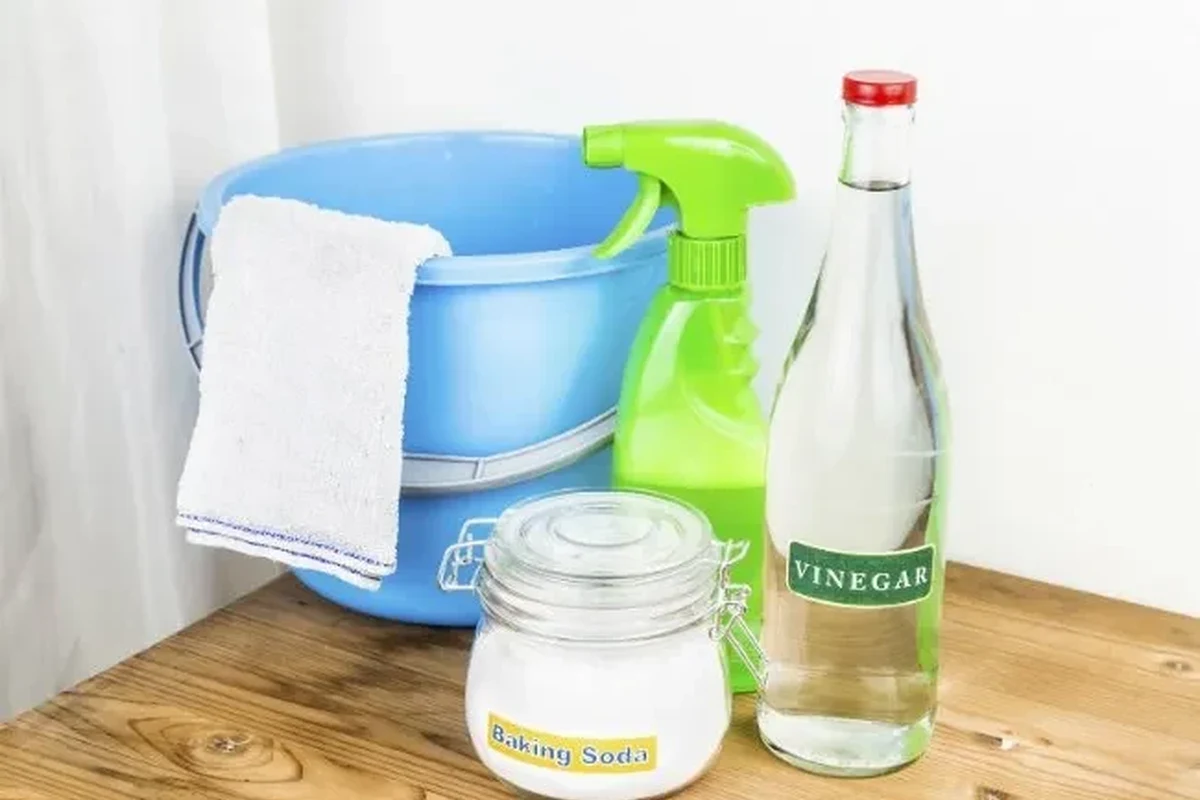
Baking soda is often suggested for fuel odors because it can help absorb some surface smells and make an area feel less harsh once the source has been removed. It does not “neutralize” gasoline in the same way it works in some kitchen cleaning jobs, and it will not make a spill safe by itself.
For odor problems, baking soda is best treated as a finishing step after you have removed the fuel, ventilated the area, and cleaned the surface correctly. If you want more general background on how it behaves in cleaning, our guide to baking soda and vinegar reaction explained simply shows why some common cleaning ideas work differently than people expect.
Why baking soda is often suggested for fuel odors
Baking soda has a mild, dry, alkaline nature, so it can help take the edge off certain odors that sit on fabrics, carpets, or porous surfaces. In a kitchen, that same “odor control” idea is why people use it in refrigerators or trash bins.
With gasoline, the smell is strong because the fuel contains volatile compounds that evaporate quickly. Baking soda may reduce the leftover smell in the room, but it cannot stop evaporation from fresh fuel or fix a leak.
When it helps with lingering smell on surfaces, not spills
Baking soda is most helpful after the spill has already been absorbed or wiped away. Think of it as a deodorizing aid for the residue left behind on a mat, rag, shoe, bin, or floor edge.
If the surface is still wet with gasoline, the priority is absorption and ventilation, not deodorizing. That is also why careful cleanup matters more than trying to cover the smell with another product.
Limits of baking soda versus true gasoline cleanup methods
Baking soda does not replace absorbent materials, detergent, or disposal of contaminated items. It also should not be mixed casually with random cleaners, especially in a closed area where fumes are already present.
Gasoline is flammable. If you smell fuel strongly, treat the area as a safety issue first and a cleaning issue second.
If the odor keeps returning, the source may still be active. In that case, baking soda can only mask the symptom, not solve the problem.
Safety First: What to Do Immediately After a Gasoline Smell
Before any deodorizing step, get fresh air moving and remove ignition risks. This is especially important in garages, cars, laundry rooms, and entryways where fumes can collect.
Ventilation steps for garages, cars, laundry rooms, and entryways
Open doors and windows if it is safe to do so, and create cross-ventilation when possible. In a car, park safely, turn off the engine, and open doors or the trunk to let fumes escape.
In a laundry room or entryway, move the item outside if it can be handled safely. If the smell is coming from clothing, rags, or a container, fresh air helps more than any powder alone.
Why heat, sparks, and open flames must be avoided
Gasoline vapors can ignite easily, so do not smoke, strike matches, or use open flames nearby. Avoid switching tools on and off if you suspect a strong vapor buildup, and follow local emergency guidance if the smell is intense.
Keep the area cool, ventilated, and free of sparks. Do not use heat to “dry out” gasoline odor faster.
When a smell signals a leak and needs professional attention
If you smell gasoline without an obvious spill, the source may be a leak in a vehicle, appliance, container, or fuel line. Persistent odor, visible dampness, or repeated smell after cleaning should be checked by a qualified professional.
Do not keep airing out the same space for hours and assume it is harmless. A recurring fuel smell is a reason to stop and investigate the source.
Best Ways to Use Baking Soda to Reduce Gasoline Odor
Once the area is safe and the fuel source is controlled, baking soda can help with odor left on surfaces. Use it dry, as a paste, or in an open container depending on the material and the size of the smell.
Dry sprinkle method for absorbent surfaces and small odor spots
For a small odor spot on a dry, absorbent surface, sprinkle a light layer of baking soda over the area and let it sit long enough to absorb moisture and odor traces. Then vacuum or sweep it away if the surface allows.
Use baking soda after blotting, not before. On absorbent materials, blotting first removes more residue and keeps the odor from spreading deeper.
This method works best on carpets, mats, cardboard, and some fabric surfaces where the smell is lingering rather than wet. Test a small hidden area first if color transfer or texture changes are a concern.
Baking soda paste for washable surfaces and stubborn residue
Mix baking soda with a small amount of water to make a spreadable paste for washable surfaces such as some plastics, metal tools, or sealed bins. Apply gently, let it sit, then wipe clean with a damp cloth and mild detergent if needed.
Do not scrub so hard that you push the residue into cracks or seams. For fuel smells, a gentle wipe often works better than aggressive rubbing.
Open-container odor absorption for enclosed spaces
For a closed container, cabinet, or trunk area after the fuel source is gone, place an open bowl or shallow dish of baking soda inside to help absorb residual odor. Replace it if the smell remains after a day or two, depending on airflow and how strong the odor was.
Open-container deodorizing works best in dry, enclosed spaces after the spill has been cleaned. It is not a cleanup method for liquid gasoline.
Where Baking Soda Works Best: Cars, Clothing, Floors, and Containers
The best results usually come from dry, limited odor exposure rather than a soaked spill. Different surfaces hold fuel differently, so the same method will not fit every situation.
Inside a vehicle after fuel can transfer or minor odor exposure
If a gas can tipped briefly in a trunk or cargo area, baking soda can help with the leftover smell after the area has been ventilated and wiped clean. Fabric mats, cargo liners, and some carpeted surfaces may respond better than smooth plastic panels.
For a car smell that keeps returning, check under mats, in seams, and around the spare tire area. Odor can hide in places that are easy to miss.
On clothes, rags, and work gloves after handling fuel
Clothing and gloves can hold gasoline odor even after the visible wetness is gone. A light dusting of baking soda on dry fabric may help before laundering, but heavily soaked items should usually be handled with caution and may need to be discarded rather than saved.
If you are also dealing with laundry odors from other sources, our article on baking soda in laundry benefits explains how baking soda is commonly used in wash routines. For fuel exposure, though, safety and label instructions matter more than routine laundry advice.
On concrete, garage floors, and trash bins with odor traces
Concrete can hold smell in its pores, so a dry sprinkle may help only after the spill has been absorbed and washed according to safe cleanup guidance. For trash bins, baking soda can help with the leftover odor once the contaminated material is removed and the bin is rinsed.
Garage floors often need a stronger cleaning step first, especially if the fuel left a stain. Baking soda is more useful as a deodorizer after the main cleanup than as the main cleaner.
On plastic bins, tools, and storage areas with residual smell
Plastic can trap odor in scratches and seams, especially if the fuel sat there for a while. A baking soda paste, followed by rinsing and drying, can help reduce the smell on some tools, bins, and storage containers.
For enclosed storage spaces, an open bowl of baking soda may help if the area is already clean and dry. If the smell is strong, remove the item and air it out first.
Step-by-Step Cleanup Examples for Common Gasoline Smell Situations
These examples show how to use baking soda safely as part of a larger cleanup process. The exact steps depend on the surface, the amount of fuel, and whether the smell is fresh or lingering.
Minor splash on clothing before washing
Take the item outside or into a well-ventilated area right away so fumes do not build up indoors.
Cover the affected area with a thin layer to help absorb some odor before washing.
Use the garment’s instructions and check that the smell is gone before drying, since heat can lock in odor and increase risk if residue remains.
Fuel odor in a car trunk or cargo area
Open the trunk and doors if possible, and let fresh air move through the space.
Take out any gas can, rag, mat, or container that may be holding the odor.
Once the area is dry and clean, place an open dish of baking soda or sprinkle lightly on removable fabric pieces.
Small drip on a garage floor or driveway edge
Use an appropriate absorbent material and dispose of it safely according to local guidance.
Wash the area with a suitable cleaner and water if the surface allows it, then dry it well.
Use baking soda only after the spill is no longer wet and the surface is safe to handle.
Smell left behind in a reusable gas can or funnel
Let the container sit open in a safe outdoor area where fumes can dissipate.
Use mild detergent and water for washable parts, following manufacturer guidance when available.
Use a paste or dry sprinkle on dry surfaces, then rinse and dry completely before storage.
Common Mistakes That Make Gasoline Odor Worse
Most odor problems get worse when the cleanup is rushed. The biggest mistake is treating gasoline like a normal kitchen spill.
Rubbing the spill deeper instead of absorbing it
Rubbing can push fuel into carpet, seams, or porous concrete. Blotting and absorbing are usually better first steps because they remove more of the liquid without spreading it.
Using too little ventilation or cleaning too late
If the area stays closed up, the smell lingers longer and the fumes can become more concentrated. Waiting too long can also let the odor set into fabric and porous materials.
Mixing baking soda with unsafe chemicals
Do not combine random cleaners in hopes of making a stronger deodorizer. If you need a cleaner for the surface, choose one product at a time and follow its label instructions.
Ignoring soaked materials that should be discarded
Some items hold too much fuel to be worth saving. Heavily soaked rags, paper, or damaged absorbent materials may need to be discarded safely rather than treated repeatedly with baking soda.
- Ventilate first, then clean and deodorize.
- Use baking soda on dry residue and lingering odor.
- Check whether the smell keeps returning.
- Do not use heat, flames, or sparks near fuel odor.
- Do not rely on baking soda for a fresh spill.
- Do not keep soaked materials in a closed room.
When to Use Baking Soda, When to Choose Another Cleaner, and How to Decide
Baking soda is a good odor helper when the gasoline source is already gone and you need to freshen a dry surface, container, or fabric. It is especially useful for light residue, enclosed spaces, and cleanup finishing steps.
For a fresh spill, a large odor cloud, or a suspected leak, choose ventilation, absorbents, detergent, and professional help when needed. If you are comparing odor-control uses across the home, our guide to baking soda for smoke odors offers a helpful contrast because smoke and fuel odors behave differently.
Best use cases for baking soda as an odor helper
Use baking soda on dry, washable, or porous surfaces after the main cleanup is complete. It is also helpful in small open containers, bins, and fabric items that still smell faintly after airing out.
Situations that call for detergent, absorbents, or professional cleanup
Choose stronger cleanup methods when the fuel is still wet, the area is large, or the smell is persistent. If a vehicle, appliance, or fuel storage area seems involved, a professional inspection is the safer route.
How to judge whether the smell is gone or still dangerous
If the odor fades after ventilation and cleaning, that is a good sign, but not proof that the source is fixed. If the smell comes back after the room closes, or if you notice dampness or staining, keep treating it as a possible active source.
Final recap: the safest practical approach to gasoline smell removal
The safest approach is simple: ventilate, remove the fuel source, clean the spill correctly, and then use baking soda to help with lingering odor. That order matters because baking soda can improve smell, but it cannot make a fuel hazard disappear on its own.
For most beginners, the best rule is to use baking soda only after the area is dry, safe, and already cleaned. If you still smell gasoline after that, do not keep masking it—find the source and get help if needed.
Use baking soda as a deodorizer after proper gasoline cleanup, not as the cleanup itself. If the smell is strong, persistent, or linked to a leak, stop and address the safety issue first.
Frequently Asked Questions
No. Baking soda can reduce lingering odor on dry surfaces, but it does not remove fresh gasoline or fix a leak. Use it after proper cleanup and ventilation.
You can use a light dusting on small odor spots after moving the item outside, but heavily soaked clothing may need special handling or disposal. Always follow the garment care label and avoid drying until the smell is gone.
Yes, if the car is ventilated, turned off, and the fuel source has been removed. Baking soda works best on dry residue or as an open-container deodorizer after cleanup.
No. First absorb the spill, ventilate the area, and clean the surface safely. Baking soda is best used after the main cleanup to help with leftover odor.
Baking soda works best on absorbent or washable surfaces such as fabric, mats, some plastics, bins, and dry porous areas after cleanup. It is less useful on active wet spills.
Call a professional if the smell keeps returning, you suspect a leak, or the odor is strong enough to suggest vapor buildup. Persistent fuel odor should be treated as a safety issue, not just a cleaning problem.