
Baking Soda Balloon Experiment Easy Fun Science Activity

The baking soda balloon experiment works by creating carbon dioxide gas from a baking soda and vinegar reaction. With a tight seal and the right measurements, the balloon inflates quickly and gives a clear science lesson.
The baking soda balloon experiment is a simple, low-mess science activity that shows how an acid-base reaction can create gas fast enough to inflate a balloon. It is still a reliable demo in 2026 because the ingredients are easy to find, the setup is inexpensive, and the result is visible within seconds when the measurements are right.
- Core reaction: Baking soda and vinegar create carbon dioxide gas that inflates the balloon.
- Best setup: Use a snug balloon seal, a small bottle, and measured ingredients for consistent results.
- Common failure: Most problems come from leaks, early reaction start, or unbalanced ingredient amounts.
- Learning value: The demo teaches gas production, pressure, and basic chemistry in a visual way.
- Safety first: Use supervision, protect surfaces, and avoid rigid sealed containers.
What the Baking Soda Balloon Experiment Is and Why It Still Works in 2026
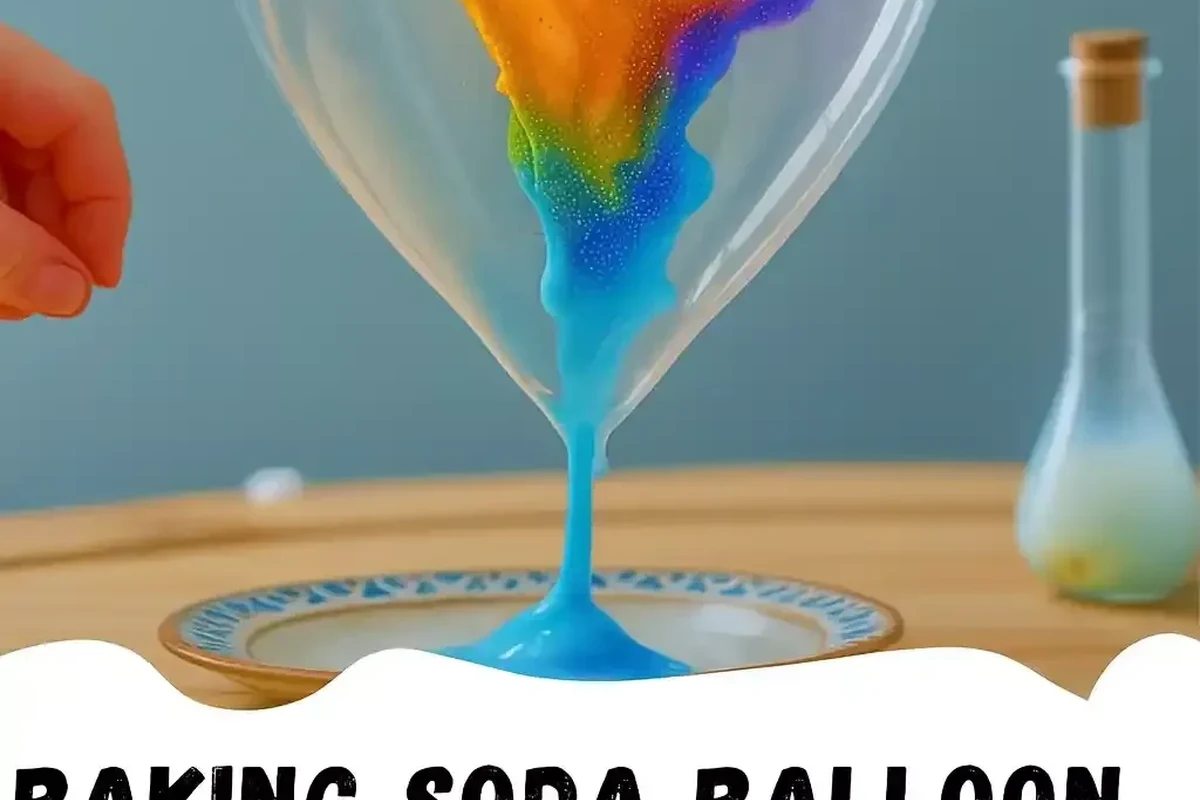
This activity combines baking soda and vinegar in a way that produces carbon dioxide gas. The gas has nowhere to go except into the balloon, so the balloon expands as the reaction continues.
For readers who like the chemistry behind kitchen projects, this is a good companion to our guide on baking soda and vinegar reaction explained simply. The same basic reaction is what makes this balloon demo work, only here the gas is trapped and easy to see.
The simple acid-base reaction behind the balloon inflation
Baking soda is sodium bicarbonate, which is a base. Vinegar contains acetic acid, which reacts with the baking soda and releases carbon dioxide gas, water, and a salt called sodium acetate.
The balloon inflates because carbon dioxide takes up space. If the seal is tight and the reaction starts in the bottle instead of leaking out, the gas pushes into the balloon and stretches it outward.
Why this experiment remains a favorite for home learning and classroom demos
It is popular because it is visual, quick, and easy to repeat with different amounts. Children can see a cause-and-effect reaction without needing special equipment, and teachers can use it to introduce chemistry vocabulary in a concrete way.
It also fits well into baking science because baking soda is not just a cleaning ingredient. In the kitchen, it helps create lift in some recipes, so this experiment can lead naturally into discussions about leavening and gas production.
Materials You Need for a Safe, Low-Mess Setup
You do not need a complicated setup for the baking soda balloon experiment. A small bottle, a balloon, baking soda, and vinegar are enough for a basic version.
Choosing the right bottle, balloon, baking soda, and vinegar
A small plastic bottle is usually easier and safer than glass because it is lighter and less likely to break if tipped. The balloon should fit the bottle opening snugly so gas does not escape around the rim.
Use regular baking soda, not baking powder. If you want a refresher on that difference, see can you use baking soda instead of baking powder safely. Vinegar should be plain white vinegar for the most predictable result, since flavored or diluted versions may react differently.
Balloon size, bottle size, and ingredient brand can all change the result. A larger balloon or a wider bottle opening may need more gas before the balloon looks fully inflated.
Optional tools for measuring, funneling, and cleanup
A small funnel makes it easier to get baking soda into the balloon without spilling it. A measuring spoon or cup helps you repeat the experiment with the same amounts each time.
A tray, baking sheet, or towel under the bottle can catch drips and make cleanup easier. If you plan to compare results, a marker for labeling bottles and a notebook for observations are also useful.
Step-by-Step Instructions for the Baking Soda Balloon Experiment
The key is to load the balloon first, pour vinegar into the bottle second, and connect the balloon before you start the reaction. That sequence keeps the gas from escaping too early.
Pour vinegar into the bottle, filling it only partway so there is room for foam and gas. Use a funnel or spoon to place baking soda into the balloon, keeping it dry for now.
Stretch the balloon mouth over the bottle opening without letting the baking soda fall in yet. Make sure the seal is snug all the way around.
Lift the balloon so the baking soda drops into the vinegar. Stand back and watch the balloon inflate as the gas forms.
Preparing the bottle and loading the balloon with baking soda
The dry baking soda should stay inside the balloon until the bottle is ready. If it falls into the vinegar too soon, the reaction starts before the balloon is attached, and gas can escape.
Use enough baking soda to create a visible reaction, but not so much that it clogs the balloon opening. A funnel makes this part much easier, especially for younger children.
Keep the bottle on a stable surface and wear eye protection if you are doing the experiment with children. Vinegar can splash when the reaction begins, and balloons can snap back if they slip off the bottle.
Adding vinegar and starting the reaction at the right moment
Once the balloon is attached, lift it slowly so the baking soda drops into the vinegar. The reaction usually starts right away, with fizzing, bubbling, and foam visible in the bottle.
If you want a stronger gas build-up, use a bottle that is not overly full. Too much liquid leaves little headspace, which can make the reaction messier and reduce the amount of room available for gas.
What a successful inflation should look and feel like
A successful balloon usually rises steadily rather than all at once. You should see the balloon become rounder and firmer as carbon dioxide fills it.
The bottle may feel slightly cooler because the reaction can absorb some heat from the surroundings. That temperature change is normal and can be a useful observation for students learning about chemical reactions.
The carbon dioxide produced in this experiment is the same gas that helps some baked goods rise. In baking, the gas is trapped in batter or dough instead of a balloon, which is why ingredient balance matters so much.
How the Ingredients Work: Baking Soda, Vinegar, and Gas Production
This experiment is simple, but it still shows several important chemistry ideas. The amount of each ingredient, the temperature, and the container size all influence the speed and size of the balloon.
Ingredient roles and why the reaction creates carbon dioxide
Baking soda provides bicarbonate ions, and vinegar provides acid. When they react, the bicarbonate breaks down and releases carbon dioxide gas.
That gas is what fills the balloon. If you are interested in how baking soda behaves in other household uses, our article on baking soda vinegar cleaning ovens shows how the same ingredient can work in a very different setting.
How measurement changes balloon size, speed, and pressure
More baking soda or more vinegar does not always mean a better result. If one ingredient is in excess, the reaction can finish before enough gas is produced to fully inflate the balloon.
Balanced measurements usually give the most consistent inflation. Small changes can affect speed, foam level, and pressure, which makes this a useful mini investigation rather than just a one-time demo.
The balloon barely inflates or stays limp.
Check the ingredient balance, make sure the seal is tight, and confirm that the baking soda fell into the vinegar completely. A weak seal or a balloon that is too stiff can also limit expansion.
Why temperature and container size can affect results
Warmer ingredients often react a bit faster than very cold ones, although the difference may be modest in a home kitchen. A larger bottle can give the gas more room to collect before it pushes into the balloon, while a very small bottle may make the setup crowded.
Humidity can also matter slightly because baking soda can pick up moisture over time. If your baking soda has been open for a long time, it may not perform as consistently as a fresh box.
Common Mistakes That Prevent the Balloon from Inflating Properly
Most failures come from simple setup problems rather than from the chemistry itself. A quick check before starting can save time and reduce frustration.
Using the wrong balloon size or a weak seal
If the balloon opening is too loose, gas escapes before it can build pressure. If the balloon is very thick or stiff, it may take more gas to begin stretching.
Choose a balloon that fits the bottle neck well and stretch it slightly before the experiment if needed. That small step can help the balloon respond more quickly once the reaction starts.
Adding too much or too little baking soda or vinegar
Too little baking soda may produce only a small puff of gas. Too much baking soda can leave dry powder behind, which means not all of it reacts.
The same is true for vinegar. If there is too little acid, the reaction stops early; if there is too much, the balloon may still inflate, but the extra liquid can make the bottle foam over.
Do not seal the bottle with a rigid cap. The setup depends on a balloon that can expand safely; a closed hard container could build pressure in an unsafe way.
Letting the reaction start too early or too slowly
If the baking soda drops into the vinegar before the balloon is attached, you lose gas before inflation begins. If the baking soda clumps in the balloon neck, it may fall slowly and delay the reaction.
Keep the materials dry, attach the balloon first, and tilt the balloon only when you are ready to begin. That simple sequence is one of the most important parts of the experiment.
Ways to Turn the Experiment into a Real Learning Activity
This is more than a novelty trick when you use it to ask questions and compare outcomes. A few simple prompts can turn the baking soda balloon experiment into a basic science lesson.
Simple observation prompts for children and students
Ask what changes first: sound, foam, balloon shape, or bottle temperature. Encourage students to describe what they see using words like fizzing, bubbling, stretching, and pressure.
They can also predict whether the balloon will inflate faster with colder or warmer ingredients, then compare the result. Even if the exact outcome varies, the discussion helps connect observation to cause and effect.
Comparing different measurements for a mini science investigation
Try changing one factor at a time, such as the amount of baking soda, the amount of vinegar, or the bottle size. Keep everything else the same so the comparison is fair.
This is a good place to use a simple notebook chart. Students can record which setup produced the largest balloon, the fastest reaction, or the most foam.
- Use the same bottle size for each test.
- Measure baking soda and vinegar consistently.
- Label each balloon or bottle clearly.
- Keep the setup on a tray or towel.
Connecting the demo to chemistry, gas pressure, and everyday baking science
The balloon inflates because gas occupies space and creates pressure. That is the same general idea behind many kitchen reactions, including the lift created by chemical leaveners in baked goods.
If you want to explore ingredient function further, it may help to review how baking soda compares with baking powder in recipes. The distinction matters because each ingredient depends on different chemical conditions to release gas.
Safety, Cleanup, and Storage Tips for Repeating the Activity
This experiment is generally low risk when handled carefully, but it still deserves basic kitchen safety. Vinegar is mild, the ingredients are common, and the biggest concerns are spills, slipping balloons, and mess.
Supervision, surface protection, and spill control
Adult supervision is wise for younger children, especially when balloons are being stretched over bottle openings. Put the setup on a washable surface or a tray to catch foam and drips.
Keep balloons away from faces until the reaction is underway, and avoid overfilling the bottle. A controlled workspace makes the experiment easier to repeat and easier to clean.
How to dispose of the mixture and rinse materials afterward
After the reaction finishes, the bottle will contain mostly a diluted liquid mixture and leftover foam. In most home settings, the liquid can be poured down the sink with plenty of water, but always follow local disposal rules if you are working in a classroom or lab.
Rinse the bottle and any measuring tools with water, then let them dry before storing. Balloons are single-use for this activity and should be discarded after use.
What to store for future experiments and what to replace each time
Keep the bottle, funnel, measuring tools, and tray for future runs. Replace the balloon each time, and use fresh baking soda if the old container has been open for a long time.
If you want a broader look at how this ingredient is used in household projects, our guide to baking soda in laundry benefits shows another practical application outside the kitchen.
Should You Try This Experiment at Home or in a Classroom?
Yes, if you want a simple science activity that is easy to prepare and easy to explain. It works well for families, homeschool lessons, baking programs, and classroom demonstrations because it gives a clear visual result without expensive supplies.
Best use cases for families, teachers, and baking science programs
Families can use it as a weekend science project, while teachers can pair it with lessons on acids, bases, and gas pressure. Baking classes can use it to show how leavening gases behave before they are trapped in batter or dough.
It is also a good bridge activity for learners who are just beginning to connect kitchen ingredients with chemistry. The setup is simple enough for beginners, but the science behind it is real and worth discussing.
Final recap on results, limitations, and what makes the activity worth doing
The baking soda balloon experiment works because carbon dioxide gas is produced and trapped in a balloon. The result depends on a good seal, reasonable measurements, and a clean setup, so small mistakes can change the outcome.
That limitation is part of the value. It teaches that science in the kitchen is not magic; it is a process that responds to measurement, timing, and ingredient quality, which is exactly why this activity still earns a place in baking and pastry learning.
- Easy to set up with common pantry items
- Clear visual result for learners
- Useful for chemistry and baking science lessons
- Results vary with seal quality and measurements
- Can be messy without a tray or towel
- Balloons are not reusable for repeated trials
If you want a more consistent balloon inflation, measure the ingredients the same way each time and keep the bottle opening and balloon size unchanged. That makes it easier to compare results and understand what changed.
Frequently Asked Questions
There is no single perfect amount because bottle size and balloon size matter. Start with a small, measurable amount and adjust only one ingredient at a time for repeatable results.
Baking powder is not the same ingredient and will not give the same reaction. For this experiment, use baking soda for the clearest balloon inflation.
The most common causes are a weak seal, ingredients that started reacting too early, or measurements that are too small. Check that the balloon is attached tightly and that the baking soda drops fully into the vinegar.
It is generally safe with adult supervision, a stable surface, and basic spill control. Keep vinegar away from eyes, avoid rigid sealed containers, and use balloons carefully.
No, the reaction is finished once the gas is released. You can keep the bottle and measuring tools, but the used balloon should be replaced for the next run.
The result depends on the ingredient balance, the tightness of the seal, and the amount of space in the bottle. Slight changes in temperature and container size can also affect the speed and size of inflation.