
Baking Soda for Nappy Rash Safe Relief and Tips

Baking soda for nappy rash may offer mild, short-term comfort, but only when it is very diluted and used carefully. For broken, infected, or persistent rashes, plain diaper care and pediatric advice are safer choices.
Baking soda for nappy rash is a common home remedy, but it needs careful use. It may help with mild irritation in some babies, yet it is not the best choice for every rash and should never replace proper diaper care or medical advice when symptoms are concerning.
- Use lightly: Only a very diluted soak should be considered for mild irritation.
- Keep it brief: Short contact time is safer than long soaking.
- Watch the skin: Stop if redness, dryness, or discomfort gets worse.
- Prioritize basics: Frequent diaper changes and barrier cream often help more.
- Know the limits: Infected, raw, or persistent rashes need professional care.
What Baking Soda Is and Why Parents Consider It for Nappy Rash
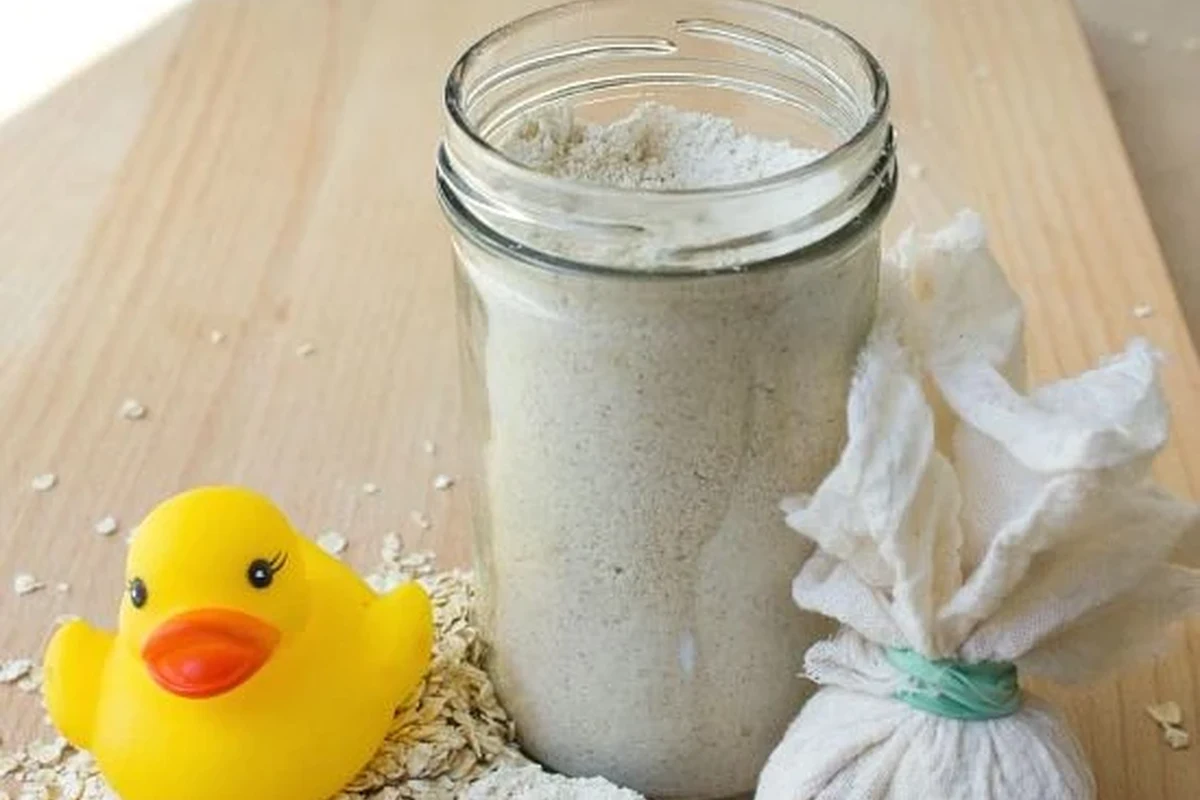
Baking soda is sodium bicarbonate, a mild alkaline powder that dissolves in water. In a bath, it can slightly change the water’s pH and may help some parents feel that the skin is less sticky or less irritated after a short soak.
Parents often look for simple, low-cost comfort measures when a baby’s skin looks red after a long day in a diaper. That is one reason baking soda remains a frequent search term in 2026 parenting advice, alongside other basic home-care ideas like plain water rinses and air-drying.
How baking soda works on irritated skin
On paper, baking soda can help by making bath water feel less acidic and by loosening residue on the skin. In practice, the effect is usually gentle and temporary, not a true treatment for the cause of the rash.
That matters because nappy rash is often caused by moisture, friction, and contact with urine or stool. If the diaper area stays wet or rubbed, the redness can return even after a soothing soak.
Why this remedy remains popular in 2026 searches and parenting advice
Many parents like remedies that are easy to mix at home and do not involve a prescription. Baking soda also has a long history in household care, which makes it feel familiar and accessible.
Still, familiarity is not the same as proven baby-skin care. If you are also reading about other baking soda uses, such as baking soda for cleaning ovens or the baking soda and vinegar reaction explained simply, remember that skin is much more delicate than a sink or pan.
Baking soda is used differently in baking, cleaning, and skin care. A safe kitchen ratio does not automatically mean a safe baby-skin ratio, because infant skin can react quickly to strong or frequent exposure.
Is Baking Soda Safe for Nappy Rash? What Current Guidance Says
There is no universal recommendation that baking soda should be a first-line treatment for diaper rash. For many babies, plain water, frequent diaper changes, and a protective barrier cream are more reliable and less irritating.
Some families use a very diluted baking soda soak for short-term comfort, but the key word is diluted. Too much powder, too much soaking, or too much rubbing can make already sensitive skin feel worse.
When baking soda may be too harsh for a baby’s skin
Baby skin has a thinner outer barrier than adult skin, so it can dry out or sting more easily. If the rash is already cracked, raw, or bleeding, even mild alkaline water may feel uncomfortable.
Baking soda may also be a poor choice if your child has eczema, a history of sensitive skin, or a rash that seems to flare after baths. In those cases, simpler care is usually safer.
Situations where a pediatrician should be consulted first
Check with a pediatrician before trying home remedies if the baby is very young, the rash is widespread, or the skin looks infected. A clinician should also weigh in if the rash keeps returning, lasts more than a few days, or seems to worsen despite careful diaper changes.
If you are unsure whether a product is appropriate, the label and your pediatrician’s guidance matter more than social media tips. That is especially true for babies with allergies, skin conditions, or a history of strong reactions to topical products.
Signs the rash may be more than simple irritation
Watch for blisters, open sores, pus, fever, swelling, a bright red rash with satellite spots, or pain that seems out of proportion to the visible redness. These signs can point to yeast, bacterial infection, or another condition that needs medical care.
A rash that spreads beyond the diaper area or does not improve after regular diaper changes is also a reason to stop guessing. Simple irritation usually improves when the skin stays cleaner, drier, and protected.
If a diaper rash looks infected, is bleeding, or comes with fever, do not keep experimenting with home remedies. Contact a qualified healthcare professional promptly.
How to Use Baking Soda More Safely: Dilution, Water Temperature, and Contact Time
If a parent chooses to try baking soda, the safest approach is a very mild, short soak and close observation. The goal is comfort, not long exposure.
Because baby tubs and basins vary in size, exact amounts can differ. When in doubt, use less rather than more, and stop if the skin seems drier or redder after the soak.
Typical bath-style dilution ranges and why concentration matters
There is no single official recipe for baking soda and nappy rash, which is why concentration matters so much. A small amount mixed into a shallow bath is very different from a strong paste or heavily dosed soak.
For baby skin, a light dilution is safer than a concentrated one. If the water feels slippery, cloudy, or strongly alkaline, that is a sign the mix may be too strong.
Best water temperature for sensitive baby skin
Use lukewarm water, not hot water. Water that feels warm to an adult hand can still be too hot for a baby’s delicate skin, especially in the diaper area where the skin is already inflamed.
Think of it like gentle dough handling in baking: too much heat changes the result fast. Here, too much heat can strip moisture and make irritation worse.
How long a baby should stay in the solution
Keep the soak short, usually just long enough to clean the area and allow brief contact. Extended soaking can dry the skin and may increase irritation instead of easing it.
After the soak, remove the baby promptly and dry the area carefully. The skin should feel clean and calm, not tacky, tight, or stinging.
Never mix baking soda with other unverified home ingredients for a baby’s skin. Combinations that seem harmless in cleaning can be too harsh, unpredictable, or irritating on delicate skin.
Step-by-Step Gentle Soak Method for Nappy Rash Relief
A careful method matters more than the ingredient itself. The cleaner, gentler, and shorter the contact, the lower the chance of making the rash worse.
Preparing the basin or bath safely
Wash your hands first and make sure the basin, baby tub, or bath is clean. Fill it with lukewarm water and dissolve the baking soda fully so there are no gritty particles sitting against the skin.
If you are also comparing kitchen uses of the ingredient, such as using baking soda instead of baking powder safely, remember that the right measurement depends entirely on the job. Skin care needs a much gentler approach than baking.
- Check that the water is lukewarm
- Use only a small amount of baking soda
- Have a soft towel and barrier cream ready
- Stop if the skin is broken, bleeding, or very painful
Cleaning, soaking, and pat-drying without worsening redness
Gently lower the baby into the water and avoid scrubbing the diaper area. If stool is present, clean it away first with plain water and a soft cloth before any soak.
When the soak is done, lift the baby out and pat the skin dry. Do not rub, because friction is one of the fastest ways to turn mild redness into a more irritated rash.
Applying barrier cream after the skin is fully dry
Once the skin is completely dry, apply a protective barrier cream if that is part of your usual diaper-rash routine. Zinc oxide products and similar barriers help keep moisture away from the skin, which addresses one of the main causes of diaper rash.
Let the skin breathe for a moment before putting on a fresh diaper. A clean, dry surface usually helps more than any single soak.
Common Mistakes Parents Make When Using Baking Soda on Nappy Rash
Most problems come from overuse, rough drying, or expecting baking soda to do more than it can. A gentle remedy becomes unhelpful when it is treated like a cure-all.
Using too much baking soda or soaking too often
More is not better here. A stronger mix or repeated baths can dry the skin and strip away the natural barrier that baby skin needs to heal.
If the rash is not improving, adding more baking soda is usually not the answer. The cause may be ongoing moisture, friction, or an infection that needs different care.
Rubbing the skin instead of patting it dry
Rubbing feels harmless, but on inflamed skin it can act like sandpaper. Patting is slower, but it protects the tender surface.
This is similar to careful pastry work: if you overwork delicate dough, it gets tougher. If you over-handle irritated skin, it gets angrier.
Mixing baking soda with unverified home ingredients
Do not add vinegar, essential oils, bleach, or any other household product to a baby soak. Some combinations can irritate skin immediately, and others can create unsafe fumes or unpredictable reactions.
For a baby, simple is safer. Plain water plus a mild, well-considered additive is far better than a complicated mix.
Expecting baking soda to treat yeast or infected rashes
Baking soda does not treat yeast infections or bacterial skin infections. If the rash has the classic signs of infection, a medical treatment plan is more appropriate than a home soak.
If you need to compare a home-care approach with a more structured remedy, think of the difference between a quick baking fix and a full recipe correction. The right tool depends on the real problem.
- Easy to find at home
- May feel soothing in a mild, diluted soak
- Simple to stop if it does not help
- Can dry or irritate sensitive skin
- Not a treatment for infection or yeast
- Too much concentration can worsen redness
When Baking Soda May Help Less Than Other Nappy Rash Care Options
For many babies, the biggest gains come from basic diaper hygiene, not from a special soak. That is why baking soda may be less helpful than the routine steps that reduce moisture and friction all day long.
Comparing baking soda with plain water rinses and air-drying
Plain water rinses are often the gentlest option, especially for a fresh rash. Air-drying also helps because it removes trapped moisture without adding friction.
When the skin is already irritated, fewer ingredients can be better. A simple rinse and time out of the diaper can sometimes do more than a soak.
Why zinc oxide barriers and frequent nappy changes often matter more
Frequent diaper changes reduce the time skin spends in contact with wetness and stool. Zinc oxide barriers add a protective layer that helps block moisture and reduce further irritation.
In practical terms, that means the daily routine often matters more than the rinse itself. A good barrier and dry skin can prevent the rash from coming back.
When antifungal or medical treatment is the better fit
If the rash is yeast-related, bacterial, or severe, a doctor may recommend an antifungal or another treatment. In those cases, home soaking may delay the right care if used as the only response.
That is why persistent or unusual rashes deserve attention. A quick home fix is useful only when it matches the actual cause.
Practical Examples: Mild Irritation, Persistent Rash, and When to Stop Using It
These examples show how to think about baking soda for nappy rash without overcomplicating it. The central question is whether the skin looks calmer after use, worse after use, or unchanged.
Example of a short-term mild rash routine
A baby with mild redness after a long outing may do well with a brief lukewarm rinse, a very diluted baking soda soak, gentle pat-drying, and a barrier cream. The diaper should be changed promptly and checked often over the next day.
If the skin looks less shiny and less red after that, the routine may be doing its job. Keep the approach simple and short-term.
Example of a rash that worsens after use
If the skin looks brighter red, drier, or more uncomfortable after the soak, stop using baking soda. That reaction suggests the solution may be too strong or that the skin does not tolerate it well.
At that point, switch back to plain water, air-drying, and a barrier cream, and watch closely for further changes.
Example of when to switch from home care to professional advice
If a rash lasts several days, spreads, or starts to look infected, it is time to call a pediatrician. The same applies if the baby seems unusually fussy during diaper changes or if the skin is cracked and painful.
Home care is best for mild, short-lived irritation. Once the pattern stops fitting that description, professional guidance is the safer move.
Final Decision: Is Baking Soda for Nappy Rash Worth Trying?
Baking soda for nappy rash may be worth trying only as a very mild, short-term option for a baby with simple irritation and no warning signs. It is not the best first choice for raw skin, infected-looking rashes, or any case that is not clearly improving.
For many families, the safer and more effective routine is plain water cleaning, frequent diaper changes, air-drying, and a barrier cream. If you want to treat baking soda as a backup comfort step, keep the mix weak, the soak short, and your expectations modest.
Who may consider it and who should avoid it
Parents may consider it for a mild rash that seems related to moisture and friction, especially if the baby’s skin usually tolerates baths well. Avoid it if the skin is broken, the rash looks infected, or the baby has a known sensitivity to bath additives.
Safe-use recap for parents in 2026
Use lukewarm water, a small amount of baking soda, short contact time, and gentle pat-drying. Do not mix in other home ingredients, and do not keep using it if the skin looks drier or redder afterward.
What to monitor after the first use
Watch for changes in redness, dryness, pain, and how the skin looks during the next diaper change. If the rash improves, keep the routine simple; if it worsens or shows infection signs, stop and seek medical advice.
In skin care, the “gentlest effective option” is often better than the “strongest available option.” That is especially true for baby skin, where friction, moisture, and product concentration can change the outcome quickly.
Baking soda for nappy rash can be a cautious, short-term option for mild irritation, but it should never be your only plan. If you use it, keep it diluted, brief, and closely monitored, and switch to pediatric advice when the rash is persistent, severe, or suspicious.
Frequently Asked Questions
It may help some babies feel more comfortable in a very diluted, short soak. It is not a cure for the cause of the rash, so diaper changes and barrier cream still matter most.
There is no single official amount, so keep the mix very mild and avoid strong concentrations. If the water feels slippery or strongly alkaline, the solution is likely too strong for baby skin.
Yes, especially if it is too concentrated, used too often, or left on irritated skin for too long. It can also dry out skin that is already sensitive.
It is better to avoid home soaking if the skin is broken, bleeding, or very painful. Those signs can mean the rash needs medical advice rather than another bath remedy.
Plain water cleaning, frequent nappy changes, air-drying, and a zinc oxide barrier are often more helpful. If the rash looks infected or does not improve, a pediatrician may recommend a different treatment.
Stop if the rash gets redder, drier, or more uncomfortable after use. Also stop and seek medical advice if the rash spreads, lasts several days, or shows signs of infection.